1
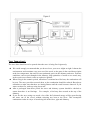
Air inlet vents should be positioned in the room at locations to avoid them becoming blocked. If the
air supply is inadequate the chimney draft may be too weak, with the possible result that the stove
will not burn properly leading to a potentially dangerous situation. Smoke spillage may also occur
during the refueling process. When determining the ventilation requirements account will need to be
made for any other combustion devices in the room.
2.8 Draft conditions
If smoke spillage occurs when the fire door is opened, it is probably due to poor chimney draft. This
type of stove requires at least 12 pa of chimney draft to achieve satisfactory combustion and smoke
spillage prevention. However, in cases where the stove door is opened too vigorously you could
expect that slight smoke spillage may occur.
If you have any doubts, you may want to have your installer measure the draft in the chimney.
Draft conditions
The chimney‟s draft is the resulting effect within the flue caused by the difference in temperature
within the flue and the cooler temperature outside. Other factors that can influence the level of draft
include the length of the flue, insulation of the chimney, adverse weather conditions or tall buildings
or trees nearby the flue terminal.
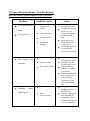
Poor draft occurs when:
The atmospheric temperature difference is too low, e.g. a poorly insulated chimney. If the
chimney is excessively cool, it may help to „prime‟ the flue before the fire is lit. Just place a
screwed-up sheet of newspaper in the flue way of the stove and ignite.
The outside temperature is too high, e.g. during the summer months.
There is no air movement (wind) outside.
The chimney is not tall enough, with the result that the terminal sits in the lee of the roof surface
or in the vicinity of tall trees or neighboring buildings. These conditions are also associated with
downdraft where the flue gases are pushed back down the chimney.
Flue draft is diluted by residual air entering the chimney, e.g. due to inadequate fluepipe joints
or leaks at the cleaning door or flue collar.
Unsealed, unused fireplaces are connected to the chimney.
The flue is blocked, e.g. by soot, due to inadequate cleaning, loose debris or even a birds nest.
The room to which the stove is installed is too tightly sealed. (See section on Fresh air supply).
A good draft is achieved when:
The temperature difference between the flue way or chimney and outside atmosphere is high.
(Higher temperature in flue way or chimney and cooler temperature to external atmosphere).
This also applies during firing, when the need is greatest.
The weather is clear and there is a good wind.
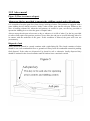
The chimney is of the proper height, i.e. minimum 4 meters over the stove and the termination
adequately clear of the roof line.
The room that the stove is installed is adequately ventilated.