1
US 6,741,270 B1
1
2
SYSTEMS AND METHODS SCALING A
CAPTURED IMAGE USING
PREDETERMINED SCALE INFORMATION
dimension data into one or more text boxes of a graphical
user interface in order to inform the image capture device of
the ultimate area that the captured image Will need to be
scaled to ?t into.
BACKGROUND OF THE INVENTION
1. Field of Invention
This invention is directed to a graphical user interface for
an image capture device, such as a scanner.
10
2. Description of Related Art
Scanners and other types of image capture devices have
become ubiquitous of?ce productivity tools for generating
electronic images of physical original documents. Once an
electronic image of a physical original document has been
15
generated, the electronic image data can be used in an
in?nite variety of Ways to increase the productivity and the
product quality of an of?ce. Such image capture devices
include desktop scanners, other stand-alone scanners, digital
still cameras, digital video cameras, the scanning input
portions of digital copiers, facsimile machines and other
multi-function devices that are capable of generating elec
tronic image data from an original document, and the like.
These image capture devices can also include image data
bases that store previously captured electronic image data.
Which the captured image is to be scaled.
This invention separately provides systems, methods and
graphical user interfaces that provide an alternative method
for specifying the dimensions to Which a captured image is
to be scaled.
25
devices has dropped and the output quality of the captured
electronic image data has improved, scanners and other
image capture devices have been provided With an ever
increasing number of controllable features. Similarly, as
users have become comfortable With capturing and using
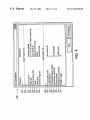
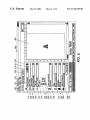
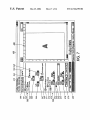
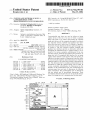
In various exemplary embodiments of the systems, meth
ods and graphical user interfaces of this invention, an image
siZe tab of a graphical user interface for an image capture
driver includes a scale portion. The scale portion, in addition
to having a number of dimension boxes that alloW the user
to directly input the desired dimensions that the captured
electronic image data obtained from original documents, the
uses to Which the electronic image data has been put, and
thus the needed control over the quality and appearance of
35
image is to be scaled to, also includes a dimension list box.
The dimension list box includes a plurality of predetermined
sets of dimensions to Which the captured image can be
scaled.
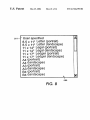
In various exemplary embodiments, the dimensions list
box includes, as the predetermined sets, one or more sets of
In response, standard interfaces betWeen such image
dimensions for common paper siZes and one or more sets of
dimensions for different paper orientations. The one or more
capture devices, including those indicated above, and the
various application programs that use such captured elec
tronic image data have been developed. These standard
predetermined sets of dimensions can also include one or
more sets of user-de?ned dimensions. These user-de?ned
dimensions alloW the user to specify the dimensions of an
interfaces alloW standard-compliant image capture devices
and standard-compliant applications to easily communicate.
image area of a document that is often used. For example, if
the user is preparing a school yearbook having a de?ned set
of dimensions to Which student photographs are to be scaled,
One exemplary embodiment of such a standard interface is
the TWAINTM interface. The TWAINTM interface alloWs any
TWAINTM-compliant application program to input and use
as Well as other commonly-used sets of dimensions to Which
electronic image data using any TWAINTM-compliant image
other types of photographs are to be scaled, each of these
commonly-used sets of dimensions can be prede?ned. Thus,
capture device.
the user does not have to continually re-enter the dimensions
for these areas by hand into the dimension boxes of the scale
SUMMARY OF THE INVENTION
The TWAINTM-compliant component protocol facilitates
portion of the graphical user interface.
These and other features and advantages of this invention
communication betWeen application programs and image
capture devices, such as those indicated above. One such
are described in or are apparent from the folloWing detailed
TWAINTM image capture device is the XEROX® Digi
description of various embodiments of the systems, methods
and graphical user interfaces according to this invention.
PathTM scanner.
The ever-increasing numbers of features provided by
images to be scaled signi?cantly reduces the user
friendliness of the graphical user interface and the produc
tivity of the user.
This invention thus provides systems, methods and
graphical user-interfaces that alloW the user to select one of
a number of predetermined sets of scale dimensions to
HoWever, as the cost of scanners and other image capture
the electronic image data, have expanded greatly.
In conventional image capture device graphical user
interfaces, the only Way to inform the image capture device
of the siZe of a region to Which the captured image Will need
to be scaled, in order to ?t the captured image into that
?xed-area region of the composite document, is via text
boxes. HoWever, When a large number of images need to be
scanned and scaled, having to continually type into the text
boxes the appropriate dimensions for each of the captured
55
image capturing devices such as the Xerox® DigiPathTM
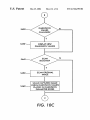
BRIEF DESCRIPTION OF THE DRAWINGS
scanner cause users of these image capturing devices to ?nd
Various exemplary embodiments of this invention Will be
described in detail, With reference to the folloWing ?gures,
it increasingly difficult to obtain the desired scanning results.
In addition, image capture jobs are becoming longer and
Wherein:
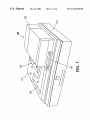
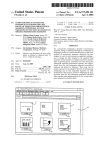
FIG. 1 is a perspective draWing of an exemplary elec
more complex.
For example, many images are captured and scaled so that
the captured image can be added into an existing electronic
document or combined With other electronic document
portions to form a composite image. In many cases, the
portion of the resulting electronic document that the cap
tured image Will be inserted into has a ?xed set of dimen
sions. In this case, the user is required to manually enter the
tronic image generating device;
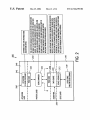
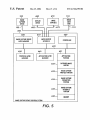
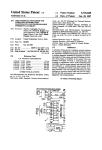
FIG. 2 is a block diagram illustrating a ?rst exemplary
embodiment of the structure of an image capture device
65
control system that incorporates the various exemplary
embodiments of the image previeWing systems, methods
and graphical user interfaces of this invention;