1
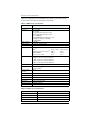
Chapter 1: Introduction H320 Integration Successful integration of the H320 within a system requires electronics expertise that includes: • Power supply design • Serial port level translation • Reasonable radio frequency competency • An understanding of electromagnetic compatibility • Circuit design and layout The Eclipse GPS engine is a low-level module intended for custom integration with the following general integration requirements: • Regulated power supply input (3.3 VDC ± 3%) and 490 mA continuous current • Low-level serial port (3.3 V CMOS) and USB port communications • Radio frequency (RF) input to the engine from a GPS antenna is required to be actively amplified (10 to 40 dB gain) • GPS antenna is powered with a separate regulated voltage source up to 15 VDC maximum • Antenna input impedance is 50 H320 Features Features of the H320 include: • GNSS engine (3 channels dedicated to SBAS tracking) • 20 mm horizontal accuracy with RTK 95% • Raw measurement output (via documented binary messages) • Position and heading update rates of 20 Hz maximum • Robust RTK with Hemisphere GPS’ SureTrack® technology • Long-range RTK baselines up to 50 km • Fast reacquisition times • 10 m heading baseline • COAST™ technology that provides consistent performance with correction data • Quick times to first fix • Four full-duplex serial ports • Two USB ports (1 USB host and 1 USB device) • 1 PPS timing output • Event marker input Note: For complete specifications of the H320 see Appendix C, “Technical Specifications.” Vector H320 Integrators Guide 3 PN 875-0312-000 Rev A1