1
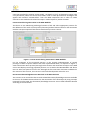
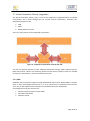
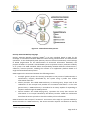
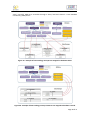
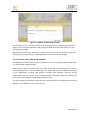
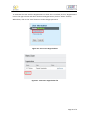
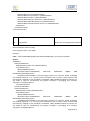
Figure 6 - Document and Knowledge Resource Retrieval in MCR Assistant
In order to realize the idea, in ongoing implementation of MCR prototype V2.0 within the Task
T3.2 an appropriate approach has been specified which is currently being implemented.
According to approach, as depicted in Figure 6, the MCR sends information about
process/activity and annotated concepts to PIKR service and receives related list of URLs of
related documents/knowledge resources and displays them in the MCR Assistant.
Synchronization of the MCR and the PIKR for KPI Visualisation
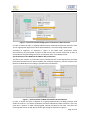
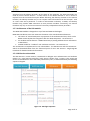
The idea in this scenario is to feed the sensors related with KPIs in the MCR by data retrieved
from PIKR. The MCR controls the KPI update and calculation frequency and then visualizes the
KPI data on MCR Monitor according to predetermined parameters.
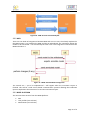
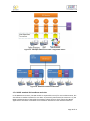
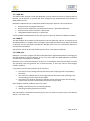
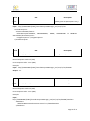
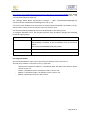
Figure 7 - Synchronization of MCR and PIKR for KPI Visulaisation
In order to realize the idea, in addition to on going implementation of MCR prototype V2.0
within the Task T3.2, a method “updateKPI” has been implemented which serializes a query for
each KPI in question to XML complying XML schema provided by the PIKR and saves the
returning XML stream in XML file for further processing (as depicted in Figure 7).
Page 14 of 76