1
AV Series Cooling Tower / Specifications: Base
Specifications
6.0
Mechanical Equipment:
6.1
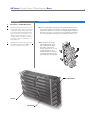
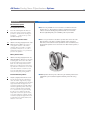
Fan(s) shall be propeller-type, incorporating wide-chord aluminum alloy blades and
galvanized hubs. Blades shall be individually adjustable. Fan(s) shall be driven
through an industrial grade system of
V-belts, pulleys, and tapered roller bearings. Bearings shall be rated at an L10A
service life of 40,000 hours or greater.
6.2
6.3
Motor(s) shall be ____ hp maximum,
Totally Enclosed, 1.15 service factor, variable torque, and specially insulated for
cooling tower duty. Speed and electrical
characteristics shall be ______ RPM,
single-winding, ___ phase, ____ hertz,
____ volts.
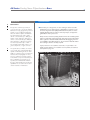
The fan and fan drive assembly for each
cell shall be supported by a rigid, welded,
hot dip galvanized steel structural support
that resists misalignment. The mechanical
equipment assembly shall be warranted
against any failure caused by defects in
materials and workmanship for no less
than five (5) years following the date of
tower shipment. This warranty shall cover
the fan, speed reducer, drive shaft and
couplings, and the mechanical equipment
support. The electric motor shall carry a
manufacturer's warranty of at least one
year. The bearing assemblies and V-belts
shall be warranted for 18 months.
Specification Value
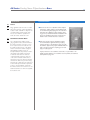
■ Propeller-type fans require only half the operating hp of blower-type fans.
However, they should be readily adjustable to permit compensation for
job site conditions that may tend to overload the motor. The fans of one
manufacturer require the purchase of special positioners for each increment of fan blade pitch.
Unless otherwise specified, motor speed will be 1800 RPM in 60 Hertz
areas and 1500 RPM in 50 Hertz areas. If you prefer the operating flexibility of two-speed operation, please specify the RPM to be 1800/900
(1500/750 in 50 Hertz regions). Incidentally, two speed motors are a far
better choice than separate “pony” motors which simply double the problems indicated above.
If your preference is for a stainless steel tower, or if your water or air
quality suggests that the use of stainless steel is prudent, see stainless
steel options on page 21.
17