1
6FAQ
1.
Will underfloor heating result in more cracks and similar damages?
Answer: If the air humidity is kept between 30 and 60% RH, underfloor heating
will not result in cracks etc. If the surface temperature of the floor exceeds 27 °C,
it will bring the air humidity under 30%, which may deplete the wood and cause
cracks. Low air humidity and inadequate care and maintenance can cause
minor cracks.
2.
Does underfloor heating mean larger contraction gaps?
Answer: Wood will always strive for an equilibrium moisture level in relation
to the air in the environment. Dinesen floors have been dried to 8-10%, and
regardless of underfloor heating, they will contract in the winter, when the air
humidity is low. With an interior air humidity between 40 and 45% RH, the
wood will adapt to a moisture content of 8% wood humidity. If the air humidity
drops to 30% RH, the wood will adapt to 6%, which means that it contracts.
The underfloor heating does not in itself lead to larger contraction gaps. The
higher the surface temperature, the larger the contraction gaps. You should
expect the planks to contract by an average of approximately 1% in width,
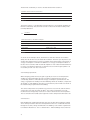
cf. Table 1.
3.
Does underfloor heating cause more warping?
Answer: With seasonal variations, floor planks will warp slightly. That is the
nature of wood; it occurs regardless of underfloor heating and is of no concern.
Significant warping only occurs if there are problems with humidity levels in the
building, or if the construction humidity has not been fully eliminated before the
floor planks were installed.
4.
Does underfloor heating make the wood creak?
Answer: If you follow Dinesen’s recommendations for temperature and air
humidity, underfloor heating will not make the floors creaky. Creaking often
occurs because the joists are too wet, the joists are placed too far apart or
the blocking up of the joists is not good enough. However, large variations in
temperature or air humidity can temporarily cause individual planks to creak
slightly.
5.
Why must the surface temperature not exceed 27 °C?
Answer: A temperature above 27 °C will not be pleasant. If the temperature
exceeds 27 °C, the air humidity can drop below 30% RH, which depletes the
wood and may cause cracks and scratches. If the building is properly insulated,
a surface temperature above 27 °C will never be necessary.
6. Is it possible to achieve a sufficiently high room temperature through thick,
solid wooden planks?
Answer: A room temperature of approximately 20 °C is easily achievable.
Of course, this requires that the building is correctly insulated, and that you
follow the advice and recommendations in Dinesen’s instructions. In older
buildings with inadequate insulation, it will often be necessary to have a
supplementary heat source.
21