1
Lilly Partnership in Diabetes
Managing Your Diabetes
®
Basic Facts About Diabetes
Comprehensive Patient Education Program
Managing
Your Diabetes
Basic Facts About Diabetes
Managing Your Diabetes is a registered trademark of Eli Lilly and Company.
Learning you have diabetes can be an overwhelming event. That’s why Eli Lilly and
Company, the leader in diabetes care for over 80 years, developed this book to help
you understand the basics of diabetes. While this book is a great starting place,
learning about and living with diabetes is a journey. And, it’s a journey best taken with
others. We encourage you to work with your healthcare team to learn all you can
about the best ways to care for your diabetes. Working together, you will find that
living a full and active life while taking care of your diabetes can be a reality!
Table of Contents
1
Page
What is diabetes?
Basic facts about diabetes
Types of diabetes
What happens in the body when you eat
Causes of type 1 and type 2 diabetes
Taking control of your diabetes
2
“Normal” blood sugar ranges
Keeping blood sugars in range
Blood sugar testing
The benefits of staying in control
Working with your healthcare team
The importance of diabetes self-education
3
4
Meal planning
9
13
The effect of food on blood sugar
Choosing healthy foods
Eating the right amount at the right time
Exercise
17
Benefits
How to get started
Staying motivated
Safety tips
Diabetes medicines
5
4
Common treatment stages
Oral medications
Incretin mimetics
Insulin
How to inject insulin
Using the Humalog® insulin lispro injection (rDNA origin)
family of products
Preparing a mixed dose of insulin
20
Page
Low blood sugar (Hypoglycemia)
41
What is low blood sugar?
Causes
Symptoms
Prevention and treatment
What is glucagon?
High blood sugar (Hyperglycemia)
45
What is high blood sugar?
Causes
Symptoms
Treatment
Dangerously high blood sugar and ketoacidosis
Symptoms and treatment of ketoacidosis
Possible long-term problems
48
Eye problems
Kidney disease
Nerve damage
Frequent infections
Heart attack or stroke
General healthcare
51
Eye care
Foot care
Skin care
Dental care
Sick days: special information
Now it’s up to you
54
Strategies for dealing with diabetes
Maintaining a positive outlook
Managing your diabetes checklist
Index
56
57
6
7
8
9
10
1
Section 1
What is
diabetes?
Managing Your Diabetes
Diabetes is not like other health problems you may have had in the past. For
one thing, it doesn’t go away like a cold or the flu. For another, you are just
as responsible as your doctor for treating your diabetes. Because so much
of your day to day treatment is in your hands, you must learn as much about
diabetes as you can. This book is the first step in that process.
The basic facts about diabetes
Diabetes is:
4
■
Common. At least one in every fourteen people has diabetes.1
■
Controllable. Though there is no cure for diabetes, it can be managed
by keeping blood sugar close to normal. This is done with proper meal
planning, exercise, and possibly medicines.
■
Life-long. Your blood sugar levels should improve with treatment.
However, this does not mean that your diabetes has gone away.
It just means your blood sugars are in control.
■
Self-managed. Your healthcare team will advise and support you,
but control depends on you. The choices you make help determine
what your blood sugar level will be.
■
Constantly changing. It is common for your doctor to change
your medicine or treatment plan over time because your diabetes
changes over time.
1. ADA National Diabetes Fact Sheet, 2005. Available at http://www.diabetes.org/diabetesstatistics/prevalence.jsp. Accessed March 3, 2006.
1
What is diabetes?
notes
There are two main types of diabetes: type 1 and type 2
When you have diabetes, your body can’t properly use the energy from
the food you eat. This problem is closely tied to how your body makes
and uses insulin. Insulin is a substance made in your pancreas (an organ
in your body) that helps to keep your blood sugar in the normal range.
■
In type 1 diabetes, your body makes little or no insulin.
■
In type 2 diabetes, your body makes insulin but your cells cannot use it
well. This is called insulin resistance. Also, your ability to make insulin
gradually decreases as time goes by, insulin deficiency.
What happens when you eat
1 Some of the food in the stomach breaks down into sugars — one of
these sugars is glucose, the body’s main fuel.
2 Sugar enters the bloodstream, and the level of sugar in your
blood begins to rise.
3 When your body senses an increase in sugar, it sends a signal
to your pancreas.
4 The pancreas makes insulin and sends it into the bloodstream.
5 Insulin lowers the level of blood sugar by acting as a key to unlock (
) the
body’s cells and allows sugar to pass from the bloodstream into the cells.
6 The level of sugar in the bloodstream falls as the sugar passes
into the cells.
7 The body’s cells use the sugar for fuel.
How sugar enters the cell
Insulin in the blood
Sugar in the blood
Sugar in the body cell
Food
Sugar enters through
the cell membrane
Body cell
membrane
6
2
1
3
Body Cell
5
4
1
What is diabetes?
notes
What happens when you have diabetes?
■
In type 1 diabetes, your body doesn’t make enough insulin. In type 2
diabetes, your cells cannot use the insulin your body makes.
■
In both types of diabetes, sugar builds up in your bloodstream
because it cannot enter the cells.
■
Without sugar for fuel in the cells, your body lacks energy.
■
Sugar stays in your blood and you have high blood sugar levels.
■
High blood sugar levels can damage your blood vessels, and over a
long period of time can result in serious problems.
Type 1 diabetes
As we discussed before, in type 1 diabetes, the body makes little or no
insulin — called insulin deficiency. People with this type of diabetes must
take insulin shots to live. That’s why you sometimes hear it referred to as
“insulin-dependent diabetes.” Less than one in ten people with diabetes
have type 1. Although it usually begins when people are young, it may
occur at any age.
Symptoms
The symptoms of type 1 diabetes usually come on suddenly. They include:
■
■
■
Little or no insulin is
made. When there is not
enough insulin in the
blood, the sugar cannot
enter the cell. Blood
sugar rises. The body
has no fuel for energy.
6
increased thirst
increased hunger
feeling very tired
Body cell in type 1 diabetes
■
■
increased urination
sudden weight loss
Body cell
membrane
Insulin in the blood
Sugar in the blood
Body Cell
Body cell membrane is
closed to entry of sugar
1
What is diabetes?
notes
Causes of type 1 diabetes
At this time, no one knows the exact cause of type 1 diabetes.
But it is related to:
■
A possible history of type 1 diabetes in the family.
■
A problem with the body’s defense (immune) system that causes
it to destroy the insulin-making cells in the pancreas.
Type 2 diabetes
In type 2 diabetes, your body may still make insulin, but is unable to
correctly use the insulin it does make (insulin resistance). Eventually the
body doesn’t make enough insulin (insulin deficiency). Type 2 used to
be called “non-insulin dependent diabetes.” People who have it can be
treated with proper meal planning, exercise, and medications. Type 2
diabetes is the most common form of diabetes and accounts for at least
nine out of ten cases. Although it can occur in younger people, it most
often begins when people are over 40 years of age.
The most important thing to remember is that getting diabetes
is not your fault.
■
■
■
The tendency to develop type 2 diabetes is inherited (present at birth).
It does not always come from being too heavy.
It is not caused by eating too much sugar.
Body cell in type 2 diabetes
Insulin in the blood
Sugar in the blood
Sugar in the body cell
Body cell membrane is
closed to entry of sugar
Body cell
membrane
Body Cell
The body makes some
insulin but isn’t able to
correctly use it. If there
is a problem with the
cell’s sugar entrances,
little or no sugar can get
in. Sugar builds up in the
blood. Blood sugar rises.
7
1
notes
What is diabetes?
Symptoms
In its early stages, type 2 diabetes often has no symptoms.
When symptoms do occur, they may come on gradually and
be very subtle. They include:
■
■
■
■
■
feeling tired
frequent infections
blurred vision
slow healing of cuts or sores
numbness or tingling in hands or feet
■
■
■
■
dry, itchy skin
increased urination
problems with sexual function
increased hunger and thirst
Causes of type 2 diabetes
No one knows the exact cause of type 2 diabetes. We do know that it is
more likely to occur in people who:2
■
■
■
■
■
■
■
■
are over 40 years of age
are overweight
have a family history of diabetes
have high blood pressure
have had diabetes during a pregnancy
have given birth to a baby weighing over 9 pounds
have the stress of an illness or injury
are African American, Hispanic/Latino American, American Indian,
Asian American or Pacific Islander
Since the tendency to develop type 2 diabetes may be inherited,
any member of your family (mother, father, sister, brother, children)
who has three or more of the above symptoms should be tested
for diabetes. Also, regular exercise and managing your weight
may help prevent or delay some cases of type 2 diabetes.
Whether you have type 1 or type 2 diabetes, you have an important
role in your own care. Read on for more information on the things
you can do to manage your diabetes. It’s important to keep
learning. The more you know, the better you can manage.
8
2. ADA National Diabetes Fact Sheet, 2005. Available at http://www.diabetes.org/diabetesstatistics.jsp. Accessed March 3, 2006.
2
1
Section 2
Taking
control
What is
of
your
diabetes?
diabetes
Section 1
Managing Your Diabetes
In Chapter 1, you learned about diabetes, its symptoms, its causes,
and what happens in your body. In this chapter, we will examine the
tools you can use to manage your diabetes.
Your goal: do your “level” best
One of your main goals of treating diabetes is to control your
blood sugar level by keeping it as close to normal as possible.
People without diabetes normally have blood sugar levels less
than 100 mg/dL (milligrams of sugar for every 100 milliliters of blood).
The American Diabetes Association (ADA) recommends the
following blood sugar goals for people with diabetes:1
■
before meals: 90–130 mg/dL
■
1–2 hours after meals: less than 180 mg/dL
These guidelines apply to many people, but not to everyone.
Your goals may be higher or lower than these guidelines.
Your healthcare team will help you set the blood
sugar target range that is right for you.
1. American Diabetes Association. Standards of medical care in diabetes. Diabetes Care.
2006;29 (suppl 1): S4–S42.
9
2
1
notes
Taking
of your diabetes
What iscontrol
diabetes?
Now it’s up to you
Managing your diabetes is hard work, but it’s worth the effort. You feel
your best when your blood sugar is normal or close to normal. Controlling
your blood sugar may take some time, but if you work at it you will see
improvements in your blood sugar levels.
Keeping blood sugars in range
There are two good ways to find out if your diabetes is in control.
You should do both.
1. Test your blood sugar.
■
Work with your doctor or diabetes educator to learn how to use
one of the many types of blood glucose meters that are available
for personal use.
■
Ask your doctor or diabetes educator what your testing schedule
should be. You may be asked to test before meals and at bedtime.
Also, research suggests that occasionally testing your blood sugar
after meals is a good way to find out how well you are controlling
your diabetes.
■
Keep track of your results in a diary and take it with you for your
office visits so your doctor can check for any trends.
2. Have a glycosylated hemoglobin test (A1C).
10
■
This can give a clearer picture of whether your diabetes is in
control, since it shows your “average” blood sugar level over
a 2–3 month period.
■
Depending on your treatment and level of diabetes control, an
A1C test should be done in your doctor’s office every 3–6 months.
■
The ADA recommends that your A1C be less than 7% (for patients in
general).2 Your healthcare team will set the target that is right for you.
ACCU-CHEK® and ACCU-CHEK AVIVA® are trademarks of Roche. ©2006 Roche Diagnostics.
Taking controlWhat
of your
diabetes
is diabetes?
notes
Blood Sugar Control
Test†
Level for people
without diabetes
Blood sugar
Blood sugar
after meals
<100 mg/dL
<110 mg/dL
A1C‡
<6%
2
1
Goal for people
with diabetes
ADA1
ACE2
90–130 mg/dL
<110 mg/dL
<180 mg/dL
<140 mg/dL
(peak)
(2 hr post meal)
<7%
≤6.5%
(patients in general)
† Do not use these values if you are pregnant. Work with your healthcare provider to
determine your target values.
‡ A1C test values may be different for different test labs. The values used in this chart refer to
a range of 4-6% for people without diabetes (mean 5%, standard deviation 0.5%).
The benefits of staying in control
■
Maintaining a near normal blood sugar level may help protect you
from many of the serious problems that are related to diabetes.
You will learn more about problems linked to diabetes in Chapter 8.
■
You’ll feel much better if you keep your blood sugar close to
normal. When your blood sugar is higher or lower than normal, you
will probably feel tired, sick, and/or uncomfortable.
■
Controlling your diabetes will keep it from controlling you.
It will have less power to disrupt your life.
1. American Diabetes Association. Standards of medical care in diabetes. Diabetes Care.
2006;29 (suppl 1): S4–S42.
2. American College of Endocrinology. Consensus statement on guidelines for glycemic control.
Endocr Pract. 2002;8 (suppl 1): 5–11.
11
2
1
Taking
of your diabetes
What iscontrol
diabetes?
notes
Working with your healthcare team
Although the day-to-day management of your diabetes is very much up
to you, controlling diabetes is always a team effort. So you need on-going
professional help — such as visits to your doctor and lab tests — to make
sure that your treatment plan stays on track. That way, if problems do
start, they will be found early. Don’t forget that if you have a question or
a problem, your healthcare team members are always there to help you.
Your healthcare team includes:
■
your doctor and office staff
■
diabetes educators, such as a nurse, dietitian or other professional
■
pharmacist
■
other professionals such as an eye doctor, dentist, podiatrist (foot
doctor) or an exercise specialist, depending on your needs
■
family, friends and supporters
Learn needed information and skills
This book is a good start in learning what you need to know. Many
hospitals and clinics have diabetes education programs where you
can learn more. They teach important skills like testing your blood
sugar, planning your meals, and how to take your medication. Now
let’s move on to learn more about the basics of good diabetes control.
12
3
1
Section 3
1
Meal
What is
planning
diabetes?
Managing Your Diabetes
In spite of what you might have heard, having diabetes does not mean
you have to give up all the foods you enjoy. However, learning to eat
healthy, satisfying meals is an important part of your treatment.
Good diabetes meal planning includes:
■
understanding how different foods and the amount eaten
affect your blood sugar
■
choosing healthy foods
■
eating regular meals at the right times
Understanding how different foods and amounts affect blood sugar
Starches and sugars (carbohydrates) have more effect on blood sugar
than protein or fat. Carbohydrates include foods such as bread, pasta,
cereal, beans, milk, fruit and fruit juices, and sweets. Keeping track of
the carbohydrate foods you eat is a key factor in controlling your blood
sugar. Carbohydrates have the greatest impact on your blood sugar after
meals, and your blood sugar level can go too high when you eat more
carbohydrates than your body can use. By keeping track of carbohydrates you eat and spreading them throughout the day, you can help
control your blood sugar. Check with your doctor or dietitian for help
in learning how your blood sugar is affected by carbohydrate intake.
13
3
1
Meal
What planning
is diabetes?
Choosing healthy foods
notes
MyPyramid is a good basic guide to choosing healthy foods. It shows the
kinds of foods everyone needs. The best choices for the rest of the family
are also the best choices for people with diabetes. The foods in each
section of MyPyramid provide some, but not all, of the nutrients needed
for health. It is important to eat servings from every group each day.
Choosing your foods according to MyPyramid will help you follow these
guidelines for healthier eating:
■
Eat a variety of foods from the different food groups.
■
Eat plenty of fruits and vegetables. All fruits and most vegetables
contain carbohydrates, but their high content of vitamins, minerals, and
fiber make them great choices.
■
Choose a diet low in fat, saturated fat, and cholesterol.
For best health, these should make up only a small portion of overall food
choices. Saturated fats (animal fats and shortenings, for example) tend to
raise blood cholesterol levels and are bad for the health of your heart.
■
Use salt (sodium) in moderation. Most people eat more salt than they
really need. For some people, extra salt adds to their risk for high blood
pressure. High blood pressure is more common in people with diabetes.
Uncontrolled blood pressure (greater than 130/85) greatly increases the
risk for health problems. Here are ways to cut down on salt:
• Choose foods “close to nature.” Less processed foods have less salt.
• Avoid foods canned, boxed or frozen with extra salt. Try the “no-salt
added” varieties.
• Use herbs, spices, and salt-free seasoning mixes for added flavor,
instead of salt.
14
■
Use sugar in moderation. High sugar foods should make up only a
small part of the diet. However, small amounts of sweet foods can be
a part of a healthy diet, even for people who have diabetes. Learn how
to fit the sweets you enjoy into your overall plan.
■
Use alcohol in moderation. Alcohol can dangerously lower blood
sugar in people with diabetes who take insulin or diabetes pills. If you
choose to drink alcohol, talk to your doctor or dietitian about how to
drink safely. Pregnant women should not drink alcoholic beverages.
Meal
planning
What
is diabetes?
3
1
MyPyramid
notes
������
����������
������
����
������������
The new MyPyramid shows the food group colored bands running
from the tip of the pyramid to its base. The different size bands show
the proportion of food we should eat from each food group. One
pyramid does not fit all of us. So the USDA created 12 pyramids,
depending on how many calories you need and how active you are.
A fun way to determine which pyramid is right for you is to visit the
MyPyramid website (http://www.mypyramid.gov/).1 By typing in your
age and activity level, the “Pyramid Planner” automatically calculates
the number of servings from each food group and total number of
calories you need each day.
Is your blood sugar often over 180 mg/dL one to two hours
after eating? If so, a change in your treatment plan may be
needed. Ask your healthcare team how to improve your numbers.
1. United State Department of Agriculture. MyPyramid.gov. Available at: www.mypyramid.gov.
Accessed March 3, 2006.
15
3
1
notes
Meal
What planning
is diabetes?
Eat the right amount of food for you at the right times
Several factors affect how much food you need each day. One of them
is how much you weigh in relation to how tall you are. Another is how
much exercise you get. People who exercise a lot or whose jobs involve
heavy labor use more energy than people who are less active. Most
people eat better, feel better, and have more energy if they eat regular
meals. Spacing food throughout the day also seems to help you stay
at a healthy weight and get the vitamins and minerals you need.
If you take insulin or sulfonylurea pills, skipping or delaying
meals may lead to low blood sugar.
16
4
1
Section 1
Section 4
What is
Exercise
diabetes?
Managing Your Diabetes
Exercise is good for everyone. But it can be especially good for people
with diabetes. It can reduce stress, increase your energy, and just make
you feel better. When you exercise, movement becomes easier and
your muscles are strengthened. It’s also a good way to control your
blood pressure and blood fats (lipids). If you are insulin resistant, it may
even make your insulin work better.
Before you begin
■
Have a medical check-up. This is especially important if you are
35 or older. It is also important if you have any health problems
besides diabetes.
■
Talk with your healthcare team about an exercise plan that is right for
you. Since exercise can lower blood sugar, you may need to change
food choices, medicine doses or timing.
How to get started
■
Look for an activity that you enjoy.
■
Make sure it’s right for your current level of fitness.
■
Walking may be a good way to get started. It is convenient and
low in cost. All you need to get started are cotton socks and a pair
of supportive shoes that fit well.
17
4
1
notes
Exercise
What is diabetes?
A complete exercise plan will address:
■
flexibility: such as stretching done before walking
■
strengthening: such as lifting light weights to build calorie-burning
muscle mass
■
aerobic activity: such as walking, dancing, swimming or biking
to burn calories and reduce risk of heart problems
How to keep going
■
Make walking or your other exercise activities a part of your daily routine.
■
Finding someone to walk or exercise with can help make your workout
more enjoyable. When exercise is enjoyable and social, it is its own
reward. This may help you stay motivated.
■
Know that everyone’s exercise plans lapse occasionally.
Instead of being discouraged, use this time as an opportunity
to review your goals. Try to recommit as soon as possible to
an enjoyable and healthy level of activity.
Potential calories burned during common activities1
Activity
Walking (3 mph), Golf (pulling cart),
Cycling (6 mph), Bowling
Cycling (8 mph), Volleyball, Tennis (doubles),
Golf (carrying clubs)
Walking (4 mph), Ice or Roller Skating,
Cycling (10 mph)
Walking (5 mph), Cycling (11 mph),
Water Skiing, Tennis (singles)
Jogging (5 mph), Cycling (12 mph),
Downhill Skiing
Running (5 1/2 mph), Cycling (13 mph),
Aerobics
Running (6 mph)
Cal/Min
4–5
Cal/Hr
240–300
5–6
300–360
6–7
360–420
7–8
420–480
8–10
480–600
10–11
600–660
11 or more
660 or more
Remember to check with your healthcare team before beginning an
exercise routine.
18
1. Coleman E, Nelson Steen S. Strategies for weight gain. The Ultimate Sports Nutrition Handbook,
1996. Reprinted with permission.
Exercise
What is diabetes?
Staying safe
■
Check with your doctor before beginning to exercise.
■
Start slowly. Five or ten minutes a day is a good beginning if you have
been inactive.
■
Wear comfortable, supportive shoes and cotton socks. Check your feet
after exercise for any signs of poor shoe fit or injury.
■
Wear diabetes identification jewelry.
■
Check your blood sugar before and after exercise. This is especially
important for anyone who takes insulin, a sulfonylurea or a meglitinide.
These medicines may create risk for low blood sugar.
■
Carry something to eat that contains glucose. Use it to prevent or treat
low blood sugar if needed.
■
Stretch and warm up at the beginning of your activity.
This helps prevent injuries.
■
Drink more liquids that contain no calories,
like water, when exercising.
■
If you have leg or chest pains during exercise,
stop exercising and call your doctor.
■
Avoid exercising if your blood sugar is above
300 mg/dL or under 70 mg/dL.
4
1
notes
19
1
5
Section 5
1
Diabetes
What
is
diabetes?
Medicines
Managing Your Diabetes
In Chapter 1, you learned that diabetes is caused by the body’s inability
to make insulin or to use it properly. You also found that, although
diabetes cannot be cured, it can be managed by various treatments
including the use of diabetes medications. These include several types
of oral medications and the various types of insulin.
People with type 1 diabetes must take insulin shots to live because
their bodies cannot produce insulin. Although most people with type 2
diabetes take either diabetes pills, insulin or both, a few can keep their
blood sugar in control with careful meal planning and regular activity.
Taking more medicine or different medicine doesn’t
necessarily mean your diabetes has gotten worse.
Remember the key is controlling blood sugar levels,
and changing medicines may help you do that.
20
Diabetes
What is Medicines
diabetes?
5
1
Common treatment stages for type 2 diabetes
Diabetes is different for each person. Depending on the stage of
your diabetes and your body’s response to certain therapies, your
healthcare provider may prescribe one or more treatments. For
example, you may be able to control your diabetes with diabetes
pills alone or you may need more than one pill to control your blood
sugar. Some people may use pills plus an incretin mimetic (see
page 24). For others, it may make more sense to start with insulin
shots instead of pills. It’s common to change your level of therapy
from time to time, depending on the stage of your diabetes.
Meal-planning and exercise are important parts of diabetes management, regardless of the type of medicine used. Always talk with your
physician before beginning an exercise program. (see chapter 4)
The steps below are common ways to treat diabetes. Your healthcare
team will help you choose the best therapy for you.
1
2
3
Begin exercising
and meal planning
to control blood
sugar and possibly
lose weight
Begin therapy with
diabetes pills
Try different
types of pills
together
4a
4b
5
Add insulin shots
along with the
diabetes pills†
If using insulin,
increase dose
and frequency
of insulin shots†
Add incretin
mimetic along
with pills†
Common steps
in the treatment
of diabetes
OR
† Using the type(s) of medication(s) and dose(s) prescribed by your doctor.
21
5
1
Diabetes
Medicines
What is diabetes?
Oral medications
notes
Many people with
type 2 diabetes are
able to take diabetes
pills to keep their
blood sugar under
control. These pills
are not insulin.
Instead, these pills
rely on the insulin
your body makes.
That is why diabetes
pills can’t be used
in type 1 diabetes.
Different types of oral
medicines lower blood
sugar in different
ways. The list on the
next page shows the
type of medications
and how they work.
Remember that meal planning and exercise are still very
important, in addition to the medicines you take.
22
Diabetes
What is Medicines
diabetes?
5
1
Types of oral medication
Check with your doctor to find out how your diabetes pills work.
notes
Sulfonylureas and Meglitinides (such as glyburide, glipizide,
glimepiride, repaglinide and nateglinide)
These medications help the pancreas produce extra insulin. Sulfonylureas
raise insulin levels for several hours. Meglitinides are taken with food and
increase insulin levels for a shorter time than the sulfonylureas. Low blood
sugar is a possible side effect of these medications.
“Starch Blockers” (such as acarbose)
These medications slow down the digestion and absorption of starches
and sugars. Therefore blood sugars rise more slowly after eating. Gas
and bloating are among the common side effects of these medications,
but doses can be increased very slowly to lessen the side effects.
Biguanide drugs (such as metformin)
This type of medication works mostly in the liver. Mainly, it stops the liver
from making extra sugar when it is not needed. Biguanide medications
can cause side effects, the most common being diarrhea, upset stomach
or nausea. To minimize side effects, take biguanides with food.
TZDs (such as pioglitazone and rosiglitazone)
TZDs are medicines that treat insulin resistance, a primary cause of
diabetes. Insulin resistance is a condition in which the body does not
use its own insulin effectively. By reducing insulin resistance, a TZD
allows your own insulin or the insulin you take to work more effectively to help reduce the harmful increase in blood sugar level. Side
effects of the TZDs may include weight gain and edema (swelling).
23
5
1
Diabetes
Medicines
What is diabetes?
Incretin mimetics
An incretin mimetic is a unique kind of type
2 diabetes drug that “mimics” many of the
actions of naturally occurring hormones from
the intestines, and can help the body make
more of its own insulin. BYETTA is the first
incretin mimetic approved for the treatment
of type 2 diabetes.
Important Safety Information for
BYETTA® (exenatide) injection:
• BYETTA improves blood sugar
control in adults with type 2
diabetes. It is used with metformin,
a sulfonylurea, or both.
• BYETTA is not a substitute
for insulin in patients whose
diabetes requires insulin
treatment. BYETTA has not
been studied in children.
• Before using BYETTA, tell your
healthcare provider about all
of your medical conditions,
including if you have severe
problems with either your
stomach or food digestion; if
you have severe kidney disease;
or if you are pregnant, plan
to become pregnant, or are
breastfeeding.
• When BYETTA is used with
a medicine that contains a
sulfonylurea, low blood sugar
(hypoglycemia) is a possible
side effect. The dose of your
sulfonylurea medicine may need to
be reduced while you use BYETTA.
• Other common side effects
with BYETTA include nausea,
vomiting, diarrhea, dizziness,
headache, feeling jittery, and
acid stomach. Nausea is most
common when first starting
BYETTA, but decreases over time
in most patients.
• BYETTA may reduce your
appetite, the amount of food
you eat, and your weight. No
changes in your BYETTA dose
are needed for these side effects.
• These are not all the possible side
effects from use of BYETTA. Talk
to your healthcare provider about
any side effect that bothers you or
that does not go away.
Please click here for BYETTA
patient information.
BYETTA is a registered trademark
of Amylin Pharmaceuticals, Inc.
24
BYETTA is an injectable medicine used to improve blood sugar control in
adults with type 2 diabetes. BYETTA is not insulin and is not a substitute
for insulin; BYETTA actually helps your body make more of its own insulin.
How to take BYETTA
BYETTA should be taken twice daily, at any time within the 60 minutes
before the morning and evening meals. BYETTA comes in a prefilled pen
for simple, fixed dosing.
How BYETTA works
BYETTA works when used with metformin and/or a sulfonylurea (common
oral medications for the treatment of diabetes). It helps with blood sugar
problems in several ways:
■
Insulin production: During meals, BYETTA signals the pancreas to
make the right amount of insulin at the right time. This helps lower
blood sugar closer to normal levels. After blood sugar levels get closer
to normal, BYETTA stops signaling the pancreas to produce insulin.
■
Sugar production: BYETTA helps prevent the liver from making too
much sugar, especially after meals. This helps you avoid high blood
sugar levels.
■
Food breakdown: BYETTA also helps slow down the rate at which
food leaves the stomach, so it slows sugar entering the bloodstream.
This effect helps you avoid high blood sugar spikes. BYETTA may
reduce your appetite, the amount of food you eat, and your weight.
BYETTA may give you better control of your blood sugar by helping your body
manage its blood sugar levels. It works when you need it, not when you don’t.
Diabetes
What is Medicines
diabetes?
5
1
Insulin
You have learned that diabetes is a disease that changes over time.
Because of this, your diabetes treatment may also need to change
to keep your blood sugar level in good control. Early in the treatment
of type 2 diabetes, pills may work just fine to control your blood
sugar. But over time, the pills may not continue to work as well.
notes
Here are some facts you need to consider:
■
Most people with type 2 diabetes will eventually need to take insulin to
control their blood sugar levels.
■
Nearly three out of every ten people with diabetes use insulin today,
with or without diabetes pills.1
Some common misconceptions
Even though insulin treatment may bring blood sugar levels under
control, many people with diabetes have some mistaken ideas about
this important form of treatment.
For example:
■
Some people believe that starting insulin means that they have
“failed.” Nothing could be further from the truth! Because diabetes
changes over time, you simply have to adjust your therapy
to keep up with the need for good blood sugar control.
■
Other people fear taking insulin because they think the shots will be
painful. However, many people who take insulin say their initial worries
about injections were actually worse than the shots themselves.
Modern technology has given us better tools for injecting insulin,
such as shorter and thinner needles. Once you know how to use your
supplies and develop a technique, injecting insulin can be quite simple.
1. ADA National Diabetes Fact Sheet, 2005. Available at http://www.diabetes.org/diabetesstatistics.jsp. Accessed March 3, 2006.
25
5
1
Diabetes
Medicines
What is diabetes?
The goal is control
Remember, controlling your blood sugar is far more important than the
treatment you use, whether it’s pills, insulin shots or both. The number
one goal is for your blood sugar to be controlled, as well as possible.
notes
Treatment plans are different for different people. Your doctor or diabetes
educator, working with you, will determine the best plan for you.
What types of insulin are available?
If you didn’t have diabetes, your body would make different amounts
of insulin at different times. It would give you smaller steady amounts
between meals and overnight. This is sometimes called “basal” or “background” insulin. It would give you larger amounts when you ate. That is
sometimes called “bolus” or “mealtime” insulin. Together, they would
keep your blood sugar in control all day.
Because you can’t make insulin, or don’t make enough for your body’s
needs, you probably will need to use more than one type of manufactured
insulin to get the same effect. These different types of insulin work at different
rates and for different amounts of time. Rapid-acting insulins start very
quickly and work for a short time. These are best for mealtime and should be
used with a longer-acting insulin, which covers your “background” needs.
Which plan is right for me?
Insulin therapy is not “one size fits all.” Different people need different
insulins. The insulin plan that’s right for you will do two things:
Fit your life: What do you do? When do you do it? Let your healthcare
team know your usual routine. Or, tell them if you don’t have one. The
details of your life will make some insulins a better choice than others.
Match your body’s needs: You need some insulin all the time, more
when you eat, and less when you exercise. If you have type 1 diabetes,
all of those needs will be met by your injected insulin. If you have type 2,
some of the needs may be met by your body’s own insulin.
There are a lot of ways to combine insulins to meet those different needs.
Your healthcare team will help you figure out which is right for you.
26
Diabetes
What is Medicines
diabetes?
5
1
How much insulin do you need?
Here are some of the things that affect your need for insulin:
■
■
■
■
how much you weigh
how fit you are (how much
fat and muscle you have)
how much you eat and
the foods you choose
what other medicines you take
■
■
■
how much you exercise
how sensitive your body
cells are to insulin
your emotions (such as
your amount of stress)
Getting the right insulin dose is a lot like tailoring a suit. You might start with
a suit right off the rack. Then, the tailor nips and tucks until it’s just right. It
doesn’t matter how large or small the suit is. What matters is that it fits you.
Your blood sugars tell you when you’ve got the right fit.
Different actions of insulin
Knowing an insulin’s type will tell you how fast it starts to work and how long
its action continues. The chart below shows the activity of some insulins.
Time of activity of human insulins†
(hours)
0 2 4 6
8 10 12 14 16 18 20 22 24 26 28 30
Rapid-acting
Premixed
Premixed
Premixed
Premixed
Onset: The start of the curve
(left side) shows when the
insulin starts to work.
Peak: The peak is the highest
part of the curve and shows
when the insulin usually has
its strongest effect.
Duration: The end of the curve
(right side) shows how long the
insulin may work.
Short-acting
Intermediateacting
† Typical profiles of insulin activity, based on glucose utilization from clinical trial data. Patients
may experience variations in timing and/or intensity of insulin activity due to dose, site of
injection, temperature, and patient’s physical activity.
Please click here for Humalog, Humalog Mix75/25, Humalog Mix50/50 Patient Information.
27
5
1
Diabetes
Medicines
What is diabetes?
Humalog, Humalog Mix75/25 and
Humalog Mix50/50 are for use in
patients with diabetes to control
high blood sugar. Humalog should
be used with a longer-acting
insulin, except when used in
combination with sulfonylureas
in patients with type 2 diabetes.
Important Safety Information
Humalog insulins are contraindicated during episodes of
hypoglycemia and in patients
sensitive to Humalog or one of
its excipients. The safety and
effectiveness of Humalog in
patients less than 3 years of age
have not been established. Safety
and effectiveness of Humalog
Mix75/25 and Humalog Mix50/50
in patients less than 18 years of
age have not been established.
There are no clinical studies of
the use of Humalog insulins in
pregnancy or nursing mothers.
Potential side effects associated
with the use of all insulins include
low blood sugar, weight gain, low
blood potassium, changes in fat
tissue at the site of injection, and
allergic reactions, both general
and local. Humalog Mix75/25
and Humalog Mix50/50 should
not be mixed with another
insulin. Starting or changing
insulin therapy should be
done cautiously and only
under medical supervision.
Humalog insulins start lowering
blood sugar more quickly than
regular human insulin, allowing for
convenient dosing immediately
before a meal (within 15 minutes).
Humalog can even be taken
immediately after your meal.
Because Humalog is a mealtime
insulin, you may also need a
longer-acting insulin to get the
best blood sugar control (except
when using an insulin pump).
Please click here for Humalog,
Humalog Mix75/25, and Humalog
Mix50/50 Patient Information.
28
Advances in Insulin
Mealtime insulin
Over the last decade, several new insulin options have
been introduced to the market. As a result, your healthcare team has more options than ever before when it
comes to creating a treatment plan just for you. Your
healthcare team may suggest that you use a mealtime insulin as part of
your treatment plan. Humalog is the brand name of one mealtime insulin.
Your healthcare team can help you determine if Humalog is right for you
and your needs.
Humalog can offer you convenience, control, and flexibility. Its rapid
action works similar to your body’s own insulin action after meals.
Humalog is absorbed quickly and starts working within minutes to lower
your blood sugar.
With Humalog, you can enjoy improved blood sugar control with “dose
and eat” convenience. Humalog can be taken within 15 minutes before or
immediately after a meal. Its dosing schedule is flexible. With Humalog,
your insulin dose doesn’t determine when you eat, you do. This means
you can manage your diabetes even when you run into unexpected
delays or schedule changes.
Humalog in a convenient premix
Based on your needs, your healthcare team may
determine that a premixed insulin should be a part
of your treatment plan. This type of insulin offers you
convenience by combining a longer-acting insulin with
a rapid-acting insulin, like Humalog.
Two kinds of premixed insulin are Humalog Mix75/25
and Humalog Mix50/50. They can provide blood sugar
control at meals, between meals, and even at night,
depending on your treatment plan. Humalog Mix75/25 and
Humalog Mix50/50 can be taken anytime within 15 minutes
before a meal so you can dose and eat. This can help you
manage your diabetes even with an unpredictable schedule.
Diabetes
What is Medicines
diabetes?
5
1
Insulin Basics
Recommended insulin storage
Insulin Type
Opened†
Unopened
Room Temperature
Room
Refrigerated
or Refrigerated
Temperature (36°F – 46°F)
(36°F – 86°F)
(56°F – 86°F)
Vials
Humalog
Humalog Mix75/25
Humulin R
Humulin N
Humulin 70/30
Humulin 50/50
Until
Expiration
Date
28 days
28 days
Cartridges
Humalog 3.0 mL
28 days
28 days
Insulin Type
In-Use‡
Not In-Use (unopened)
Room Temperature
(below 86°F)
Refrigerated
(not frozen)
28 days
10 days
10 days
14 days
10 days
Until
Expiration
Date
Until Expiration
Date
Pens
Humalog
Humalog Mix75/25
Humalog Mix50/50
Humulin N
Humulin 70/30
† Opened vials and cartridges are defined as when the stopper or seal has been punctured with a needle.
Opened cartridges should be stored in the Pen at room temperature and may be stored
outside of the Pen in the refrigerator.
‡ Pens in-use should not be refrigerated but should be kept at room temperature (below 86°F [30°C])
away from direct heat and light.
Humalog is a registered trademark of Eli Lilly and Company.
Humalog Mix75/25 and Humalog Mix50/50 are trademarks of Eli Lilly and Company.
Humulin is a registered trademark of Eli Lilly and Company.
29
5
1
Diabetes
Medicines
What is diabetes?
Handling and storing insulin
notes
When insulin is not handled and stored properly, it may not work right,
so be sure to read the directions that are packaged with your insulin
vials or pens.
To keep insulin in good condition, you must do the following:
30
■
Keep your extra supply of insulin in the refrigerator.
■
Never let your insulin freeze.
■
If you use a vial, keep the vial you are currently using in the refrigerator
whenever possible.
■
Your unused pens should be stored in the refrigerator.
■
The pen you are currently using should not be stored in the refrigerator.
■
Keep unrefrigerated insulin as cool as possible (below 86°F) and
away from heat and light.
■
Never shake your insulin hard or let it get tossed around. Insulin that’s
handled roughly is more likely to clump or frost.
Diabetes
What is Medicines
diabetes?
5
1
Traveling with insulin
When you travel, maintaining your regular schedule for insulin injections
and blood sugar checks can be challenging. But with careful planning,
any trip can go smoothly. Discuss your plans with your healthcare
professional before you go.
■
Changing time zones can impact your regular insulin schedule. Your
healthcare professional can help you figure out how to adjust your
dosage before you travel.
■
If you’re flying, have your healthcare professional write a letter stating
that you have diabetes and need to use syringes and insulin. Make
sure your supplies are clearly labeled. This will help you get through
security without delay.
■
Bring 2–3 times the amount of insulin and supplies you need with you.
This way, if anything is lost or damaged, you’ll have plenty of extras.
■
Do not store your insulin in the trunk of your car or in checked luggage.
The extreme temperature variations can harm the insulin.
■
With any type of travel, always be prepared for delays. Carry your
insulin and supplies with you at all times in a cold pack (not packed in
your suitcase), along with healthy snacks that can also serve as meals
in case of heavy traffic or delayed flights.
■
notes
Bring something to eat on the plane, even if it’s a short flight. Delays
could interfere with your meal schedule. Inject your insulin before or
after you eat, as instructed. Be careful not to inject too much air into
your insulin vial. The pressurized cabin makes this easier to happen.
How much insulin will I receive?
Just as height is measured in inches, insulin is measured in “units.”
A unit is a small amount of pure insulin.
The vial: Vials of insulin sold in the United States have 100 units of insulin
in each milliliter of fluid. Such vials say U-100 on the label. The amount of
insulin in a milliliter (U-100) is called the insulin’s concentration. Each vial
contains 1000 units.
The Lilly Pen: A box of 5 Lilly Pens contains the same amount of insulin
as 1.5 vials.
31
5
1
Diabetes
Medicines
What is diabetes?
notes
Check the expiration date
Always look at the expiration
date printed on the insulin box
before you buy it. The date
must allow enough time for
you to use all the insulin in the
vial or pen. Do not buy or use
insulin past its expiration date.
Expiration
date
Make sure you’re buying the right kind of insulin
Using the wrong insulin can affect your diabetes control, so check the
box and label carefully before you buy. In order to make sure you’re
getting the right kind, you must know the exact kind and brand name of
insulin your doctor wants you to take (i.e., Humalog, Humalog Mix75/25,
Humalog Mix50/50, Humulin N, Humulin 70/30, etc.).
Any change of insulin should be made cautiously and only under
medical supervision.
Make sure the contents are in good condition
Regular insulin or Humalog:
■
should be clear and have no color
■
do not use if it looks cloudy, thickened, even slightly colored or
has solid particles in it
PreMixed Insulin or Humulin N:
Note appearance
of bad insulin in
both bottles.
32
■
should have an even, cloudy appearance after gentle mixing/rolling
■
do not use if there are clumps in the insulin after mixing
■
do not use if particles on the bottom or wall give the vial a
frosted appearance
If any of these conditions appear, call insulin manufacturer.
Diabetes
What is Medicines
diabetes?
5
1
Insulin shots
Choosing the site for an insulin shot
Knowing exactly where on your body you should give your shot(s) each
day is very important. The chart below shows sites for your insulin shots
in the red and white grid areas. Each square is a place to give yourself
a shot. You may need help from a family member to give shots in some
of the sites.
Front
Back
Insulin
injection
areas
Rotating sites
For your insulin to work best, it’s important to use a different location for
each shot. This is called site rotation, and involves following a regular
pattern as you move from site to site. If you take more than one shot
each day, use a different area for each shot. Different people use different
patterns, but the intent should always be to use all of the areas and the
sites. When you do this, no one site will be used too often. Overusing a
site can cause tissue changes that lower or change insulin absorption.
33
5
1
Diabetes
Medicines
What is diabetes?
notes
Insulin enters the blood more quickly from some areas than others. So,
your blood sugar may be higher or lower depending on what area is used.
At times, you may want to use a certain area because of how quickly
or slowly insulin is taken up from that site. For example, when you’ll be
eating very soon after a shot, you could use a site on your stomach.
Most insulin enters the blood:
■
fastest from the abdomen (stomach)
■
a little slower from the arms
■
even more slowly from the legs
■
most slowly from the buttocks
Note: Humalog insulin lispro injection (rDNA origin) is absorbed
very quickly from all injection sites.
The most common tools used to give insulin shots are
pens and syringes. You may want to try both methods
to see what you like best. Ask your doctor or diabetes
educator to show you the differences.
34
Diabetes
What is Medicines
diabetes?
5
1
Using the Lilly Pen
If you treat your diabetes with Humalog, Humalog Mix75/25, Humalog
Mix50/50, Humulin N or Humulin 70/30, you can take your injections with
the easy-to-use insulin Pen. It takes only a few quick and easy steps to
use the Lilly Pen. Please see the user manual in your Pen package for
complete instructions.
Needle
Inner needle shield
Outer needle shield
Cartridge
Rubber seal
Pen cap
Injection button
Dose knob
Dose window
Preparing and priming
1. Remove Pen cap
2. Check your insulin:
■ Correct type.
■ Within expiration date.
■ Correct appearance.
For cloudy insulin:
• Roll the Pen gently 10 times
• Also, gently turn the Pen up and down 10 times until the
insulin is evenly mixed
3. Attach needle:
■ Clean the rubber seal with alcohol swab.
■ Push capped needle straight onto Pen.
■ Screw on shielded needle until secure.
4. Set the prime dose
■ Turn the dose knob clockwise (to the right) until you see an
arrow (‡) in the center of the window and the raised notches
on the Pen and dose knob are in line.
■ Pull out the dose knob in the direction of the arrow until a “0”
is seen in the dose window.
■ Turn the dose knob clockwise until a “2” is seen
in the dose window.
35
5
1
Diabetes
Medicines
What is diabetes?
5. Prime the Pen
With the needle pointed up:
■ Tap the clear cartridge holder gently with your finger so that any air
bubbles collect near the top.
■ Push in the injection button completely. Keep pressing and continue
to hold firmly while counting slowly to “5”. You should see either a
drop or a stream of insulin come out of the tip of the needle.
■ If insulin does not come out of the tip of the needle repeat the
priming steps.
■ Priming is complete when the insulin flow appears at the needle tip
and a diamond (t) is seen centered in the dose window.
Set your dose and inject
6. Set your dose
A diamond must be seen in the center of the dose window
before setting your dose
■ If you do not see a diamond in the center of the dose window the
Pen has not been primed correctly and you are not ready to set your
dose. Before continuing repeat the priming steps.
■ Turn to the arrow (‡).
■ Pull to “0”.
■ Set your desired dose.
■ If the dose you have dialed is too high, simply turn the dose knob
backward until the correct dose is seen in the dose window.
7. Injecting
Do not inject a dose unless the Pen is primed just before the injection
or you may get too much or too little insulin
■ Prepare the skin and use the injection technique recommended by
your healthcare professional.
■ Insert the Needle.
■ Place your thumb on the injection button and push firmly until the
dose knob is pushed in completely.
■ Hold the injection button in and count slowly to “5” to deliver the full dose.
■ Make sure that you received a full dose by checking that the
injection button has been completely pushed in and you can see a
diamond (t) or an arrow (‡) in the center of the dose window.
36
Diabetes
What is Medicines
diabetes?
8. Store the Pen
Replace the outer needle shield. Unscrew the capped needle and
dispose of the needle as directed by your healthcare professional.
Place the cap back on the Pen for storage.
If you have any questions about Pens, call Lilly at 1-800-LillyRx (1-800-545-5979) from 9am–5pm EST. If
you have any questions about pen needles, please call Becton Dickinson and Company at 1-888-BDCARES
(1-888-232-2737) from 9am–5pm EST, or 1-800-LillyRx (1-800-545-5979).
See Pen literature in Pen package for complete instructions and storage information
Every time you inject:
■ Use a new needle.
■ Prime to make sure the Pen is ready to dose.
■ Make sure you received a full dose.
■ Remove the needle immediately after your injection.
Using a vial and syringe
Your doctor or diabetes educator will explain how to take your first insulin
shot. He or she will then watch you do the following steps.
Preparing a dose of insulin
1.
■
Wash your hands.
Gently mix the insulin by:
• Rolling the vial between the palms of your hands.
• Turning the vial over from end to end a few times.
2. ■ If this is a new vial, remove the flat, colored cap, but not the rubber
stopper or the metal band under the cap.
■ Clean the rubber stopper with an alcohol swab.
3. ■ Remove the cover from the needle.
■ Pull the plunger back to pull air into the syringe.
■ Pull back until the tip of the plunger is at the line for the number
of units required.
4. ■ Push the needle through the rubber stopper.
■ Make sure the tip of the needle is not in the insulin.
■ Press the plunger to push air into the vial of insulin.
5
1
5
1
Diabetes
Medicines
What is diabetes?
5. ■ Turn the vial and syringe upside down. Now the tip of the needle
should be in the insulin.
■ Holding the vial with one hand, use the other to pull back on the
plunger, which will pull insulin into the syringe. Stop when the
plunger is at the line for your dose.
■ Look at the insulin in the syringe.
If you see any air bubbles:
• Use the plunger to push the insulin back into the vial.
• Then slowly pull the plunger back to the line for your dose of insulin.
• Repeat this until there are no large air bubbles in the syringe.
6. ■ Make sure the tip of the plunger is at the line showing your dose of insulin.
■ Double check your dose. Magnifiers are available if needed to help
you see more clearly.
■ Pull the needle out of the rubber stopper.
■ If you need to lay the needle down before taking your shot, put the
cover back on the tip to protect it.
Injecting your insulin
7.
■
■
■
■
■
Choose an injection site.
Make sure the skin is clean.
Pinch up a large area of skin.
Push the needle into the skin, going straight in at a 90 degree angle.
Make sure the needle is all the way in.
8. ■ Push the plunger all the way down to inject the insulin into your body.
■ Release the pinched skin, count to five slowly, and pull the needle
straight out.
■ Do not rub the place where you gave your shot.
■ Safely dispose of used needles and syringes. Your doctor, pharmacist,
diabetes educator or state health authorities can tell you how.
38
Diabetes
What is Medicines
diabetes?
5
1
Preparing a mixed dose of insulin
Your doctor may want you to take more than one type of insulin. For
example, you may need a combination of rapid-acting and longer-acting
insulin to keep your blood sugar in the target range.
There are two ways to do this:
A. Use a premixed insulin. This method does not require you to
mix insulin yourself.
B. Mix the two types of insulin yourself. Follow the procedure below if you
are mixing insulin yourself. Both insulins can be put in the syringe at
the same time, allowing you to take just one shot instead of two.
1.
■
■
■
Clean the tops of both vials with an alcohol swab.
Inject (a) units of air into the longer-acting (cloudy) insulin bottle.
Do not pull insulin into the syringe.
Take the needle out of the vial.
2. ■ Inject (b) units of air into the rapid-acting (clear) insulin vial.
■ Turn the vial and syringe upside down.
■ Hold the vial with one hand.
■ Use the other hand to pull back on the plunger until you have your
required dose of rapid-acting insulin in the syringe.
■ Be sure to remove any large air bubbles.
■ Take the needle out of the vial.
3. ■ Gently roll or shake the longer-acting insulin vial until it is mixed.
■ Insert the needle into the vial of longer-acting insulin.
■ Turn the vial and syringe upside down.
■ Hold the vial with one hand.
■ Use the other hand to pull back on the plunger.
■ Pull the plunger back until you have a total of both equaled to (a + b) your
total prescribed insulin dosage, as recommended by your physician.
■ Be careful not to push any of the rapid-acting insulin into the longeracting insulin vial.
4. ■ Remove the needle from the vial.
■ Give your shot as described in the “Injecting Your Insulin” section.
(a) Units reflects your Doctor’s recommendation for units of longer-acting insulin.
(b) Units reflects your Doctor’s recommendation for units of rapid-acting insulin.
Note: Please work with your healthcare professional if you are mixing
insulin for guidance on the best way to manage this. Your healthcare
professional can help you understand more about mixing insulin.
39
1
6
Section 6
Section 1
Low
WhatBlood
is
Sugar
diabetes?
(Hypoglycemia)
Managing Your Diabetes
When your blood sugar falls below 70 mg/dL, you may have low blood
sugar (hypoglycemia). When this happens, most people experience
unpleasant symptoms that can be both physical and emotional. These
symptoms can come on quite suddenly. Hypoglycemia is usually easy
to treat. However, if it is not dealt with quickly, serious reactions may
result, including passing out or having convulsions. Talk with your doctor
about what steps to take in case of a low blood sugar emergency, and
most importantly, how to avoid one.
What causes hypoglycemia?
The most common causes of hypoglycemia are:
■
■
■
■
■
40
getting more exercise than usual
taking too much diabetes medication
eating at the wrong time for the medicine you take
skipping or not finishing meals or snacks
drinking alcoholic beverages
Skipping or delaying meals can cause low blood sugar in people
who take sulfonylureas, meglitinide or insulin. These drugs increase
the body’s insulin level. Unless insulin in the blood is balanced by
food, it can cause your blood sugar level to fall too low. Before you
drink alcoholic beverages, discuss with your healthcare provider
whether some use of alcohol may be included in your meal plan.
Low Blood Sugar
(Hypoglycemia)
What
is diabetes?
6
1
Symptoms of hypoglycemia
When blood sugar gets too low you may:
■
■
■
■
feel shaky
feel tired
have a fast heartbeat
have blurred vision or a headache
■
■
■
■
be sweaty
be hungry
become ill-tempered or confused
have no symptoms at all
Having no symptoms of hypoglycemia at all is a dangerous situation!
If you have a blood sugar reading below 60 mg/dL and aren’t experiencing
any of the symptoms described above, you should immediately treat your
low blood sugar level. Even if you are feeling fine, this situation still needs
to be treated. Make sure to notify your doctor of this event.
Low blood sugar feels different to different people. Learn to recognize
your own particular symptoms.
How to prevent hypoglycemia
notes
Low blood sugar can be
prevented if you:
■
eat your meals on time
■
don’t skip meals or snacks
■
learn to adjust your food and
diabetes medicine for exercise
■
test your blood sugar on schedule
■
do extra tests when you don’t feel
normal, and write down the results
in your log book
41
6
1
Low
Sugar (Hypoglycemia)
WhatBlood
is diabetes?
How to treat hypoglycemia
You need to treat low blood sugar right away. It will not get better on its
own. So be sure to keep foods that contain sugar or glucose products
with you at all times. When you feel your blood sugar might be low, test
your blood. If your reading is less than 70 mg/dL (or the level set by your
doctor), take one of the following right away.
Each one contains about 15 grams of carbohydrate:
■
■
■
■
notes
3 glucose tablets (5 grams glucose each)
1/2 cup of fruit juice or regular soda (not sugar free)
6 or 7 hard candies (not sugar free)
1 tablespoon of honey or sugar
If you feel your blood sugar is low, but cannot test — take one of the
above items anyway. When in doubt, it’s safer to take something that
will quickly raise your blood sugar than to risk having a serious low
blood sugar reaction.
After eating or drinking something:
■
Wait 15 minutes then test your blood sugar again. Record the
number in your log book. Also, be sure to write down that you
had a low blood sugar reaction.
■
If you don’t feel better in 15 minutes, repeat above steps (How to
treat hypoglycemia).
■
If your blood sugar is still low, call your doctor’s office.
■
If your next meal is more than an hour away, follow the sugar
with something that provides carbohydrate and protein (like half
a sandwich or some crackers and cheese).
■
Be sure to eat your normal meal at the regular time, even if you
have previously used a low blood sugar treatment.
Important to do:
■
■
■
42
■
learn your body’s warning signs of falling blood sugar
when you notice symptoms, test your blood and you may need
to have a snack
always wear or carry diabetes identification
educate family members, friends or coworkers on symptoms and
treatment for low blood sugar
Low Blood Sugar
(Hypoglycemia)
What
is diabetes?
What is glucagon?
6
1
notes
Glucagon is a medicine that raises blood sugar and is important therapy
for hypoglycemia. It is given as a shot just like insulin. If your blood sugar
level gets so low that you pass out or can’t swallow, you will need a
glucagon shot. If you take insulin, your family, friends, coworkers, and
exercise partners should learn how to give you a shot of glucagon. When
you need glucagon, you may not be able to give it yourself. Ask your
doctor about glucagon, because you will need a prescription for it.
When others should inject you with glucagon
Family, friends, coworkers or exercise partners should give you glucagon if:
■
■
You are unconscious.
You are unable to eat sugar or sugar-sweetened product.
Whenever possible, it is important to test blood sugar before
giving glucagon.
Glucagon is a safe drug. There is no danger of taking too much. However,
it is for emergencies and should be used only under the direction of
your doctor. As with hypoglycemia, nausea and vomiting may occur.
Generalized allergic reactions have also been reported with glucagon use.
Click here for Lilly Glucagon Patient Information for the User.
43
1
7
Section 7
Section 1
High
What Blood
is
Sugar
diabetes?
(Hyperglycemia)
Managing Your Diabetes
You have “high blood sugar” or hyperglycemia when your blood sugar
level has risen and stayed well above normal. When this happens often,
your diabetes is said to be “out of control.” Blood sugars will change
depending upon a number of factors.
What causes hyperglycemia
Here are some things that will cause your blood sugar to increase:
■
■
■
■
food
■ not taking enough diabetes medicine
emotional stress
■ not taking the right diabetes medicine
extra sugar made by the liver ■ getting less exercise than usual
physical stress (being sick or in pain)
A number of medicines, including over-the-counter medicines, may
increase your blood sugar. Talk to your healthcare provider to find out
what is safe for you.
Blood sugar levels are considered to be above normal when they
rise above 120 mg/dL before meals or above 180 mg/dL after
meals. This happens to everyone with diabetes at certain times.
However, if this happens often, it is a problem that needs attention.
44
High Blood SugarWhat
(Hyperglycemia)
is diabetes?
Symptoms of hyperglycemia
7
1
notes
The tricky thing about hyperglycemia is that you can feel just fine even
though your blood sugar is too high. When symptoms of hyperglycemia
are present, they may be mild or come on so slowly you don’t notice
them. So, this is why it is important to test your blood sugar regularly.
Watch for the following symptoms:
■
■
■
■
more hunger or thirst than usual
feeling tired or sleepy
frequent infections
having to urinate often,
especially at night
■
■
■
dry or itchy skin
blurred vision
slow healing of cuts or sores
How to treat hyperglycemia
If you have hyperglycemia, it should be treated. Although there
may be no short-term symptoms, there are long-term health
risks related to hyperglycemia. Talk with your doctor or diabetes
educator about hyperglycemia. Discuss your desire to improve
control and ask what your options are for reaching your goals.
The following options may include:
■
■
■
■
a change in medicines or doses
more careful meal planning
more regular exercise
more frequent blood testing and a plan
for acting on the results
45
7
1
High
Sugar (Hyperglycemia)
What Blood
is diabetes?
Ketoacidosis
notes
Ketoacidosis (kē ˝ tō-ă ˝sı̆-dō´sı̆s) is a serious condition that usually
occurs only in people with type 1 diabetes. When your body does not
have enough insulin, it cannot use sugar as fuel, even though your
blood sugar level may be high. Instead your body starts to burn fat
for fuel, and ketones are produced as a result. As ketone levels rise
in the bloodstream, they cause a serious illness called ketoacidosis.
If you don’t take extra insulin when your body begins to make ketones,
three things may happen:
■
Your blood sugar level will keep increasing.
■
Ketones may build up in the blood and make your body tissues too acidic.
■
The body cells may be damaged, which can lead to severe illness
and even death.
Ketoacidosis can develop very quickly, especially when you’re sick
with a cold, flu or any other kind of infection, or during periods of
severe stress. That’s why it’s so important to check your blood sugar
and urine ketone levels several times a day when you are sick.
Symptoms of ketoacidosis
There are several warning signs that you may be in ketoacidosis. Do not
ignore them. Check your blood sugar and urine ketone levels when you:
■
■
Talk to your healthcare team about
treating ketoacidosis. They may have
specific recommendations for you to
follow when you are sick.
■
■
■
■
■
feel more hungry and thirsty than usual
have to urinate more often than usual
throw up or feel sick to your stomach
have stomach pain
have a fruity smell on your breath
notice that your breathing is fast
and deep
have a fever
Treatment of ketoacidosis
This is not a condition you should try to treat yourself! Call your doctor
immediately if you are ill and you have ketones in your urine. Your doctor
will tell you what to do. If you are unable to reach your doctor, go to the
nearest emergency room right away.
46
8
1
Section 8
Section 1
Possible
What is
long-term
diabetes?
problems
Managing Your Diabetes
Many long-term problems with diabetes are strongly related to high
blood sugar levels. By keeping your blood sugar as close to normal
as possible you may lower your chances of having the following:
■
■
■
■
eye problems
kidney disease
surgical loss of a foot or leg
nerve damage
■
■
■
sexual problems
frequent infections
a heart attack or stroke
These are truly serious problems and are scary to hear about. But knowing
about possible damage from diabetes, and taking positive action, can help
you cope with your fears.
Eye problems
Diabetes can cause the very small blood vessels in the eye to become
fragile or blocked, resulting in damage that affects your ability to see.
This is called diabetic retinopathy. With these eye problems, at first
you many notice no changes to your vision. But over time, diabetic
retinopathy may get worse and can cause vision loss. That’s why it’s
important to have a comprehensive dilated exam every year. These eye
problems can be treated if they are discovered in their early stages.
Scene viewed
by a person
with normal
vision
Scene viewed by a
person with severe
vision loss from
diabetic retinopathy
National Eye Institute, National Institutes of Health Eye Simulations. Ref#’s EDS01 and EDS04.
Available at: http://www.nei.nih.gov/photo/sims. Accessed on March 3, 2006.
Diabetic retinopathy
(rĕt˝ ı̆n-ŏp´ă-thē) often
has no early warning signs.
Don’t wait for symptoms.
Be sure to have a complete
dilated eye exam at least
once a year.
47
8
1
Possible
long-term problems
What is diabetes?
Kidney disease
Diabetes can also damage the small blood vessels in the kidneys.
This kind of kidney damage is called nephropathy (nĕ-frŏp´ă-thē),
and has no early symptoms.
When this condition occurs:
■
■
■
■
Waste products are kept in the body instead of leaving with the urine.
Important nutrients like protein that should stay in the body are flushed away.
Wastes continue to build up in the blood stream.
If the damage continues, the kidneys may fail completely.
If your kidneys fail, you must depend upon a special filtering machine
to remove impurities from your bloodstream. However, kidney damage
can be found at an early and treatable stage with simple office testing
that detects small amounts of protein in the urine. This test is called a
microalbumin (mı̄ ˝krō-ăl-bū´mı̆n) screen. A second test to check kidney
function is a blood test called serum creatinine. You should have both
of these tests done at least once a year.
Nerve damage
Nerve damage is also called neuropathy (nū˝rŏp´ă-thē). When blood sugar
is high, nerve cells swell and scar. In time, the nerves lose their ability to
send signals through the body the way they should.
This can lead to symptoms which may come and go. Some examples are:
■
burning pain, numbness, tingling or loss of feeling in the feet or lower
legs, especially at night
■
problems in sexual function in both men and women
■
changes in stomach and bowel function
The following can happen to your feet:
48
■
when nerves are damaged, an injury to the foot may not cause pain
■
with no pain to warn of the injury, the foot can become badly infected
before the problem is discovered
■
because of poor blood flow and high blood sugar, the body is less
able to fight the infection and heal the injury
■
in very serious cases, it may be necessary to surgically remove the foot
or the limb
Possible long-term
problems
What is diabetes?
In most cases, proper care of your feet can prevent the need for any
surgery. This is why it’s so important to protect your feet—especially
when you exercise—and check them daily for any sign of a problem.
See Chapter 9 for some important tips.
8
1
notes
There are new treatments for neuropathy, so be sure to tell your doctor
or diabetes educator if you have any of the above symptoms.
Frequent infections
High blood sugar levels can reduce the body’s ability to fight off many
kinds of infections, including the flu. Check with your doctor about getting
a flu vaccine.
People with diabetes are more prone to developing:
■
■
skin infections
vaginal yeast infections
■
■
bladder infections
tooth and gum infections
Heart attack or stroke
Heart attacks are a major cause of death in people with type 2 diabetes.
People with type 2 diabetes have an increased risk for heart attacks
because of:
■
■
abnormal levels of blood fats
high blood sugar levels
■
high blood pressure
Talk to your doctor about how to reduce your risk of heart disease.
49
1
9
Section 9
1
General
What
is
diabetes?
healthcare
Managing Your Diabetes
Taking extra good care of yourself is important when you have diabetes.
Eye care
Possible eye problems (diabetic retinopathy, glaucoma [glaw-kō´mă] and
cataract [kăt´ă-răkt]) caused by diabetes often have NO symptoms in the early,
most treatable stages. Therefore, you should have a complete dilated eye
examination every year from an eye doctor (optometrist or ophthalmologist).
A complete dilated eye exam must include eye drops that allow your eye
doctor to see the blood vessels in your eyes more clearly. In addition you
should visit your eye doctor at the first signs of any of the following:
■
■
■
blurred or double vision
seeing dark spots
narrowed field of vision
■
■
feeling pressure or pain in the eyes
unusual difficulty seeing in dim light
To further reduce your risk of eye problems, you should have your blood
pressure checked often and avoid smoking.
Remember a complete dilated eye exam every year will
help you preserve your vision.
50
General
care
What ishealth
diabetes?
9
1
Foot care
Poor circulation, nerve damage, and trouble fighting infections can make
foot problems very serious. Have your doctor or podiatrist (a foot doctor)
test your feet at least once a year for loss of feeling. Visit a podiatrist
regularly if you need help with routine nail or callus care. Here are some
other things you can do to help keep your feet in top condition.
■
Check your feet every day for redness, swelling, corns, calluses,
ingrown toenails or breaks in the skin. Use a mirror if necessary.
Report any problems to your doctor immediately.
■
Cut your toenails straight across, not into the corners, and smooth
with an emery board.
■
Wear only comfortable, well fitting shoes. If your shoes are uncomfortable,
get rid of them.
■
Check inside your shoes for foreign objects or rough spots every time
you put them on.
■
Wear socks and shoes at all times.
■
Be especially careful with your feet when weather is very hot or very cold.
notes
Taking your shoes and socks off at every office visit will remind your
doctor to check your feet.
Skin care
Skin problems related to diabetes range from bothersome itching to painful
infections, but there is a lot you can do to keep from having these problems.
Basic skin care should include the following:
■
Bathe every day with mild soap and lukewarm water, using a small
amount of lotion afterward to keep skin soft.
■
Take extra care to avoid scratches or bruises.
■
Wear gloves when you do work that may cause injury.
■
Use a sunscreen and common sense to avoid sunburn.
■
Dress warmly and avoid long exposure in very cold weather.
■
Wash cuts and scrapes with soap and water; then cover with
a sterile bandage.
■
Treat a skin injury quickly and call your doctor if it doesn’t heal.
51
9
1
General
health care
What is diabetes?
Dental care
High blood sugar increases your risk for tooth and gum problems.
To help prevent these problems, you should:
■
Brush and floss every day.
■
See your dentist at least every 6 months.
■
Tell your dentist you have diabetes.
Sick Days: Special information
notes
Sick day rules
■
■
■
■
Always take your insulin or diabetes pills.
Test your blood sugar before each meal and at bedtime.
Test your urine for ketones if blood sugars are greater than 240 mg/dL.
Follow your meal plan if you can eat. If you can’t eat, you should try to
take in at least 4 oz. of a sugar-containing beverage every hour to keep
your blood sugar from falling too low.
Call your doctor when:
■
■
■
■
You are vomiting and unable to keep down foods, liquids or diabetes pills.
Your illness lasts longer than 24 hours.
Ketones are present in your urine.
All blood sugars are higher than 240 mg/dL for more than one day.
When the above symptoms occur, insist on speaking to your doctor or
nurse to let them know something is wrong.
52
10
1
Section 10
1
You
Whatare
is
in
control
diabetes?
Managing Your Diabetes
The more you know about diabetes and act upon that knowledge, the
healthier you can be. We hope that you’ll make good use of the important
treatment tools we’ve discussed in these pages. These tools will help
you to accomplish your key goals for living successfully with diabetes.
Strategies for dealing with diabetes
Learning to deal with diabetes can be difficult. At first, you may feel angry,
afraid, frustrated, guilty or depressed. These feelings are quite normal.
Expressing how you feel may help you to work through these emotions.
Some people feel most comfortable talking with family and friends about their
feelings. Others find comfort in talking with their healthcare team or a diabetes
support group. The important thing is to talk about how you are feeling.
Here are some other things to keep in mind:
■
The love and support of your family and friends is an endless source
of strength. Take advantage of it.
■
Fear, anger, and confusion can stop you from taking care of yourself.
If you feel them gaining control — get help!
■
Learn to take an active role in your care.
■
Continue to do the things you love. Diabetes does not have to stop
you from getting satisfaction and pleasure out of life.
53
10
1
You
in control
Whatare
is diabetes?
Remember that you’re not alone. You’re part of a team committed to
managing your diabetes. Never forget that diabetes is challenging.
Celebrate your successes instead of striving for perfection. Keep track of
your successes, and work to repeat them. When things don’t turn out the
way you planned, ask yourself, “What can I learn from this?”
By learning and using your knowledge to meet each
new challenge, you’ll gain confidence in your ability
to take care of yourself. One day, instead of simply
coping with your diabetes, you’ll find that you truly
are Managing Your Diabetes.
54
Managing Your
Diabetes Checklist
Here are some key things you need to do.
Keep this list handy and refer to it often.
Things to do every day
■
Test your blood sugar and write it down in your logbook.
■
Take your medicines as directed.
■
Check your feet.
■
Follow your plan for meals and exercise.
■
Take care of teeth and skin.
Things to do at each doctor’s visit
■
Take your blood sugar logbook with you. Your logbook will help your
doctor help you.
■
Ask about your A1C level and determine your goal for your next visit.
■
Have your doctor check your feet. Taking off your shoes and socks will
help you remember.
■
Have your blood pressure checked.
Things to do at least once a year
■
Have your blood fats checked (total cholesterol, LDL, HDL, triglycerides).
■
Have your urine checked for protein (microalbumin screen) and a
serum creatinine.
■
Visit an eye doctor for a comprehensive dilated eye exam.
■
Visit your doctor for a foot exam.
55
notes
56
notes
57
Index
Acarbose . . . . . . . . . . . 23
Glucose (sugar) . . . . . . . . 5
Alcohol . . . . . . . . . . . . 14
Glucose Tablets . . . . . . . 42
Biguanide . . . . . . . . . . 23
Glyburide . . . . . . . . . . . 23
Blood Glucose Meters . . . . 10
Bloodstream . . . . . . . . . . 5
Glycosylated hemoglobin
test (A1C) . . . . . . . . . 10
Blood Sugar Level . . . . . . . 9
Healthcare Team . . . . . . . 12
Byetta® (exenatide) injection. . 24
Heart Attack . . . . . . . . . 49
Carbohydrates . . . . . . . . 13
High Blood Pressure . . . . . 49
Charts:
High Blood Sugar
(see also Hyperglycemia) . 44
Blood Sugar Control. . . . 11
Calories Burned . . . . . . 18
Common Steps in the
Treatment of Diabetes . . . 21
Insulin Injection Areas . . . 33
MyPyramid . . . . . . . . 15
Recommended Insulin
Storage . . . . . . . . . . 29
Time of Activity of
Human Insulins . . . . . . 27
Diabetes?, What is . . . . . . . 4
Diabetes Checklist . . . . . . 55
Diabetes Medicines . . . . . 20
Edema . . . . . . . . . . . . 23
Eye Problems . . . . . . . . 47
Exercise . . . . . . . . . . . 17
Expiration Date. . . . . . . . 32
Fat
. . . . . . . . . . . . . 14
Glimepiride . . . . . . . . . . 23
Glipizide . . . . . . . . . . . 23
Glucagon . . . . . . . . . . . 43
58
Humalog® insulin lispro
injection (rDNA origin) . . . 27
Humalog® Mix75/25TM
75% insulin lispro protamine
suspension, 25% insulin lispro
injection (rDNA origin) . . . 27
Humalog® Mix50/50TM
50% insulin lispro protamine
suspension, 50% insulin lispro
injection (rDNA origin) . . . 27
Humulin® human insulin
(rDNA origin) . . . . . . . . 27
Hyperglycemia (see also
High Blood Sugar) . . . .
Hypoglycemia (see also
Low Blood Sugar) . . . .
Immune System . . . . . .
Incretin Mimetic . . . . . .
Insulin . . . . . . . . . . .
Deficiency (see also
Type 1 Diabetes) . . . . .
Handling of . . . . . . .
Injection Areas (see also
Site Rotation) . . . . . .
. 44
.
.
.
.
40
. 7
24
25
. . 7
. 30
. 33
Insulin (continued)
Mixing of. . . . . . . . .
Premixed . . . . . . . .
Resistance (see also
Type 2 Diabetes) . . . .
Storing of . . . . . . . .
Ketoacidosis . . . . . . . .
Ketones . . . . . . . . . .
Kidney Disease. . . . . . .
Lipids. . . . . . . . . . . .
Low Blood Sugar (see also
Hypoglycemia). . . . . .
Meglitinides . . . . . . . .
Metformin . . . . . . . . .
Microalbumin Screen . . .
Nateglinide . . . . . . . . .
Nephropathy . . . . . . . .
Nerve Damage . . . . . . .
Neuropathy. . . . . . . . .
Pen (insulin) . . . . . . . .
Pioglitazone . . . . . . . .
Podiatrist . . . . . . . . . .
Repaglinide. . . . . . . . .
Retinopathy . . . . . . . .
Rosiglitazone . . . . . . . .
Salt (see also Sodium) . . .
Saturated Fats . . . . . . .
Sexual Problems . . . . . .
Sick Days. . . . . . . . . .
Site Rotation (see also
Insulin Injection Areas) .
Sodium (see also Salt) . . .
Starch Blockers . . . . . .
. 39
. 32
.
.
.
.
.
.
. 7
30
46
46
48
17
.
.
.
.
.
.
.
.
.
.
.
.
.
.
.
.
.
.
40
23
23
48
23
48
48
48
31
23
51
23
47
23
14
14
48
52
Stroke . . . . . . . . . .
Sulfonylureas . . . . . .
Syringe . . . . . . . . . .
Thiazolidinedione or TZDs
Traveling . . . . . . . . .
Type 1 Diabetes (see also
Insulin Deficiency) . . .
Type 2 Diabetes (see also
Insulin Resistance). . .
Vial (insulin). . . . . . . .
.
.
.
.
.
.
.
.
.
.
49
23
37
23
31
. . . 5
. . . 5
. . 31
. 33
. 14
. 23
59
Lilly Partnership in Diabetes
Through a long-standing commitment to diabetes care, Lilly provides
patients with breakthrough treatments that enable them to live full
and active lives.
Since 1923, Lilly has been the industry leader in pioneering therapies
to help healthcare professionals improve the lives of people with
diabetes, and research continues on innovative medicines to address
the unmet needs of patients.
For more information about Lilly’s current diabetes products,
visit www.LillyDiabetes.com.
HI 40811 0506 ©2006, ELI LILLY AND COMPANY. PRINTED IN USA. ALL RIGHTS RESERVED.


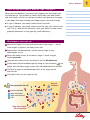
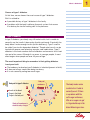

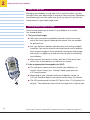


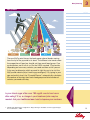



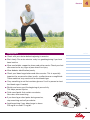

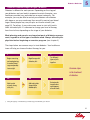


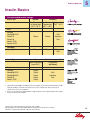
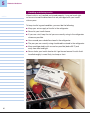
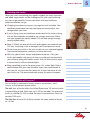
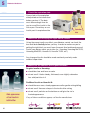
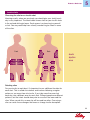


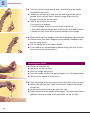
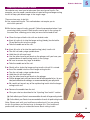



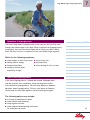

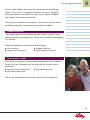








![[Product Monograph Template - Standard]](http://vs1.manualzilla.com/store/data/005786637_1-bbde87d0b5b85ef8c8ff6a7fd943fd08-150x150.png)