1
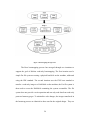
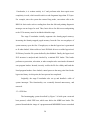
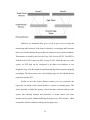
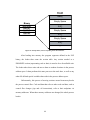
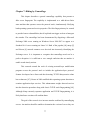
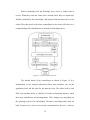
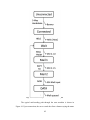
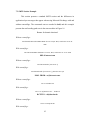
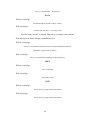
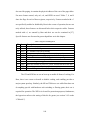
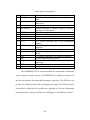
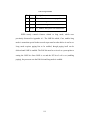
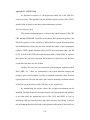
Generally, transitions outside of those shown in Figure 3 that are not
associated with RSET, HELP, and QUIT, represent errors in use of the protocol.
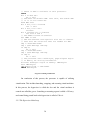
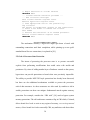
Generally, an error will always send the following error message to the client:
500 5.5.1 Command unrecognized: <client input>
The camouflager state is unchanged after an error occurs. For more details on the
operation of the listed verbs and how they work together to form a complete mail
session, see [71].
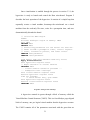
Although this is only a small subset of the complete protocol, it is
sufficient to perform normal email exchange functions. It is also enough to
deceive current automated service-detecting systems such as nmap.
7.1.2 Network Layer Camouflage
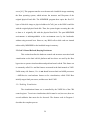
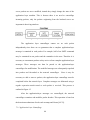
The network layer camouflager is a state machine similar to the
application-layer camouflager; however, most camouflage operations are applied
to all packet headers. Very few involve introspection into the protocol operation.
The network layer camouflager also handles the creating, updating, and deleting
of internal structures containing the application-layer message buffers, state
variables, and protocol information. Just as in the protocol itself [72], a
connection structure is created on the receipt of a SYN message indicating the
beginning of a connection. When this happens, a new structure for storing state
variables and buffers is created. If the packet is not a SYN packet and no
connection structure can be found (i.e. the client IP and Port are unknown), the
packet is injected back into the network stack with no camouflage action taken.
Connection structures are deleted when a FIN message and its acknowledgment
84