1
IBM-PC ASSEMBLY-LANGUAGE LECTURE NOTES
PAGE 206/361
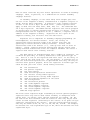
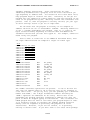
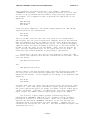
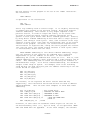
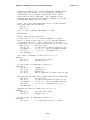
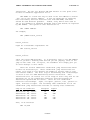
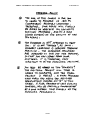
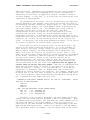
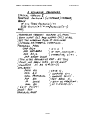
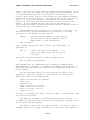
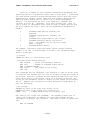
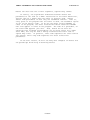
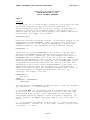
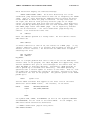
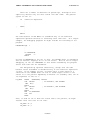
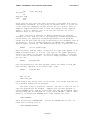
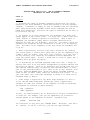
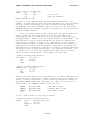
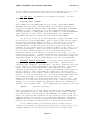
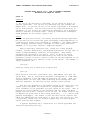
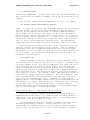
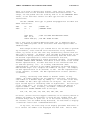
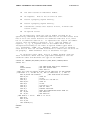
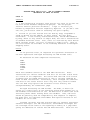
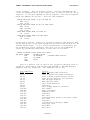
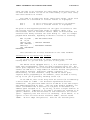
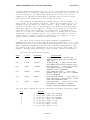
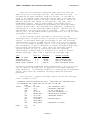
The PROCESS STEP. When we get to the SORT STEP, we will find it
convenient to have previously calculated (and stored in memory) the
length of each text line -- rather than simply to have the lines
terminated with CR/LFs as they are when read in from the disk. For
convenience, we will impose the condition that all lines contain
between 0 and 255 characters. Lines longer than 255 characters will be
truncated. This means that a byte variable suffices to hold the line
length. We will insist that this byte count be stored in the byte
immediately preceding the line. Denoting the line length by "<COUNT>",
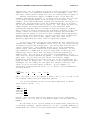
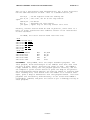
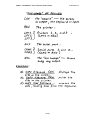
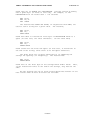
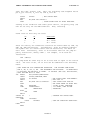
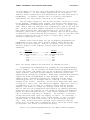
the PROCESS step consists of converting a line like
This is the forest primeval<CR><LF>
to
<COUNT>This is the forest primeval
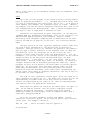
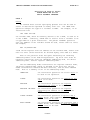
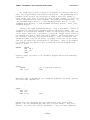
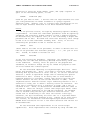
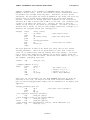
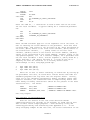
Also, a pointer to this string (i.e., a word whose value is the offset
of <COUNT>) must be added to the end of the pointer array. In the
example shown, <COUNT> is 27 since the line (exclusive of the CR/LF)
contains 27 characters. This can, perhaps, be made clearer by
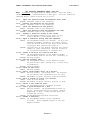
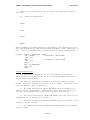
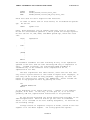
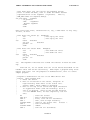
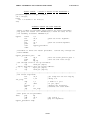
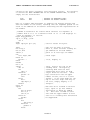
considering a fictitious example in which a data structure such as the
one we are considering has been set up by means of DBs and DWs rather
than by calculation:
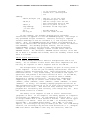
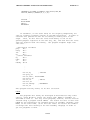
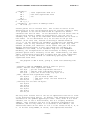
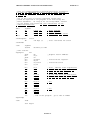
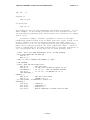
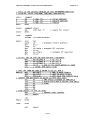
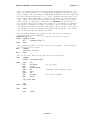
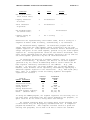
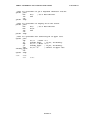
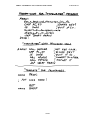
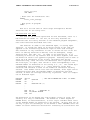
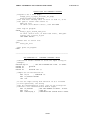
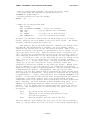
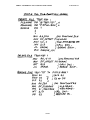
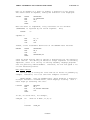
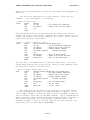
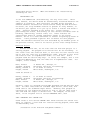
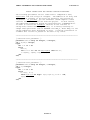
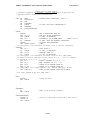
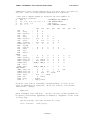
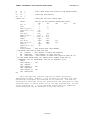
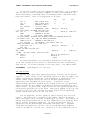
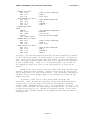
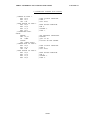
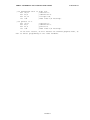
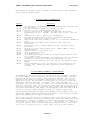
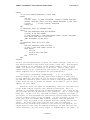
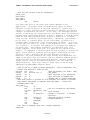
; Sample data structure of strings pointed to by a pointer array.
; The strings:
STRING2
DB
27,"No it's not, it's Cleveland"
... (Anything) ...
STRING1
DB
27,"This is the forest primeval"
... (Anything) ...
STRING3
DB
19,"Somebody's confused"
.
.
.
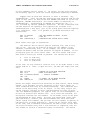
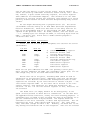
; The pointer array:
POINTERS DW
OFFSET STRING1
DW
OFFSET STRING2
DW
OFFSET STRING3
.
.
.
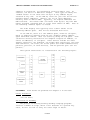
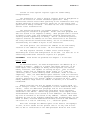
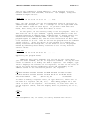
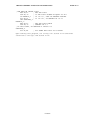
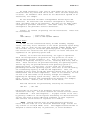
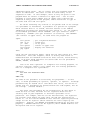
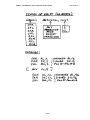
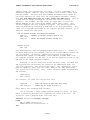
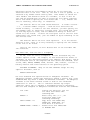
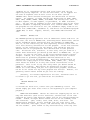
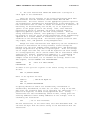
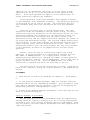
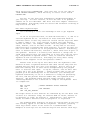
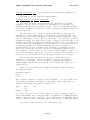
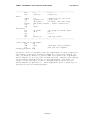
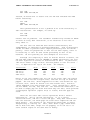
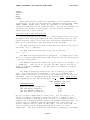
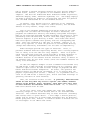
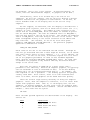
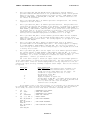
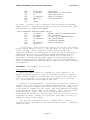
Fortunately, no movement of the text is needed to set up this data
structure. There is at least one usable byte for the count in front of
every text line (except the very first line) since there must be a
carriage return (which we don't need in our data structure) at the end
of the preceding text line.
Since we have pointers to the strings, we
don't care about the exact placement of the strings in memory, nor
about the relative positions of the strings, nor about garbage between
the strings (such as carriage return characters).
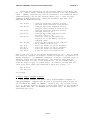
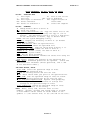
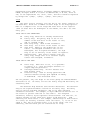
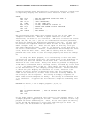
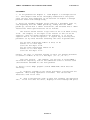
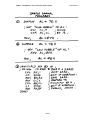
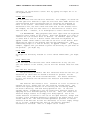
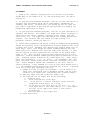
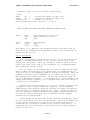
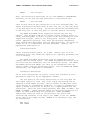
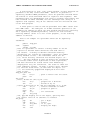
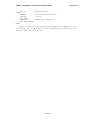
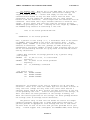
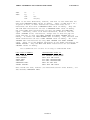
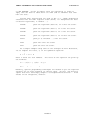
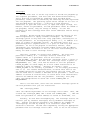
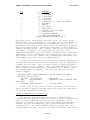
The pointer array is much like the buffer we used in our simple
typewriter program (except that it holds words rather than bytes), so
you must provide an appropriate error message and exit in case there
are more lines of text in the file than you have provided for in your
array. I would suggest that (throughout the PROCESS STEP) BX be mainly
HANDOUT