1
IBM-PC ASSEMBLY-LANGUAGE LECTURE NOTES
PAGE 47/361
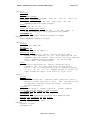
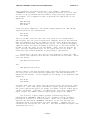
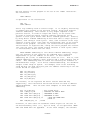
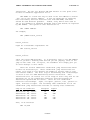
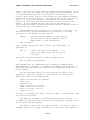
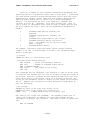
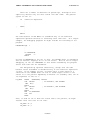
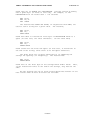
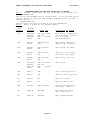
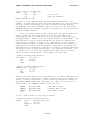
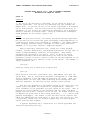
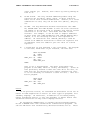
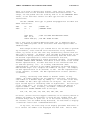
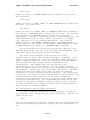
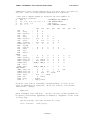
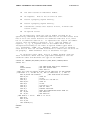
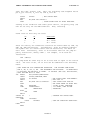
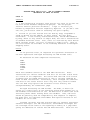
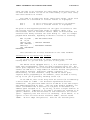
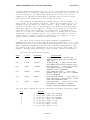
executes in 128 clock cycles (about 26 microseconds) and uses 36 bytes
of memory.
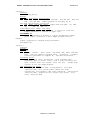
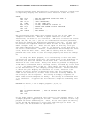
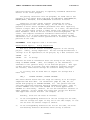
Indeed, we can improve this slightly by using the "increment" and
"decrement" instructions. These instructions have the form
INC destination
and
DEC destination
where the destination operand is a byte or word register or memory
variable. INC adds one to the destination, while DEC subtracts one.
Thus these instructions are functionally equivalent to
ADD destination,1
and
SUB destination,1
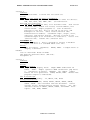
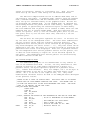
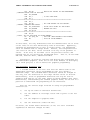
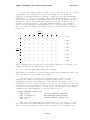
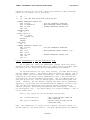
However, the increment and decrement instructions are actually smaller
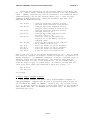
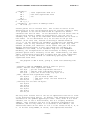
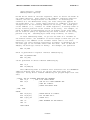
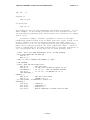
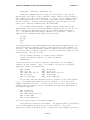
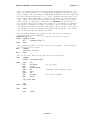
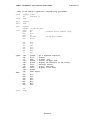
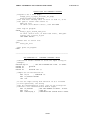
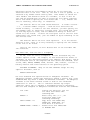
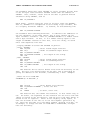
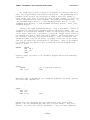
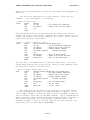
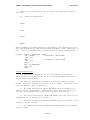
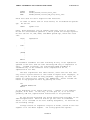
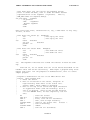
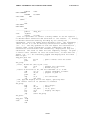
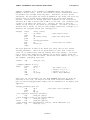
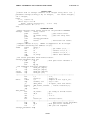
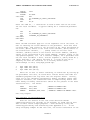
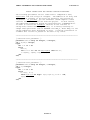
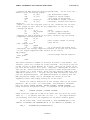
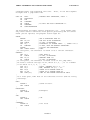
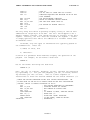
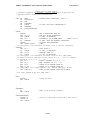
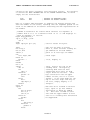
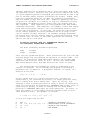
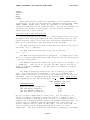
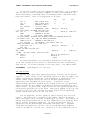
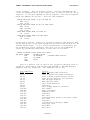
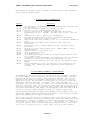
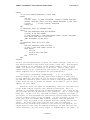
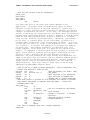
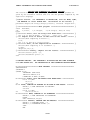
and execute more quickly. Thus, the following fragment is superior to
both of the above:
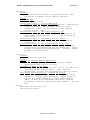
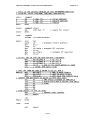
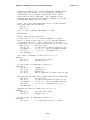
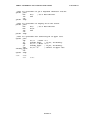
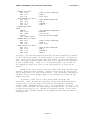
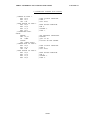
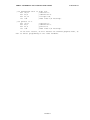
mov
inc
mov
mov
dec
mov
mov
inc
mov
mov
dec
mov
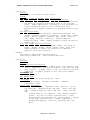
ax,my
; get MY into ax,
ax
; increment it,
play,ax ; and save it as PLAY.
ax,name ; similarly for MISTY=NAME-1
ax
misty,ax
ax,is
; similarly for FOR=IS+1
ax
for,ax
ax,nobody
; similarly for ME=NOBODY-1
ax
me,ax
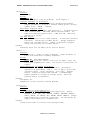
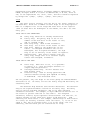
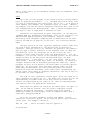
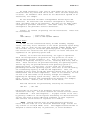
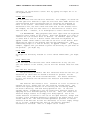
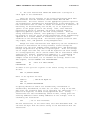
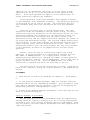
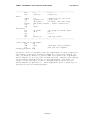
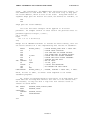
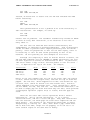
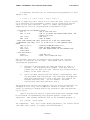
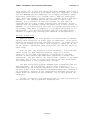
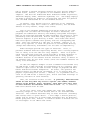
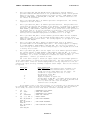
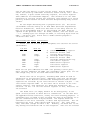
Actually, I was exagerating slightly when I stated that the
increment and decrement instructions were functionally equivalent to
the instructions that immediately subtract or add one. There is, in
fact, one difference between (for example) ADD destination,1 and INC
destination. This difference is the effect on the carry flag. We will
discuss the so-called "flags" in the next section; for now, just think
of the carry flag as a bit-sized register located somewhere in the CPU.
As is happens, ADD and SUB instructions may modify the carry flag, but
INC and DEC instructions do not.
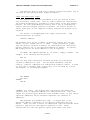
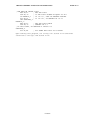
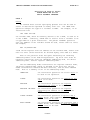
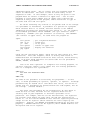
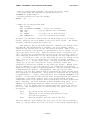
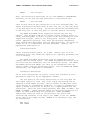
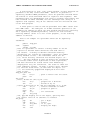
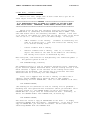
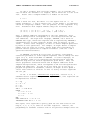
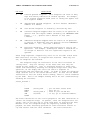
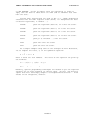
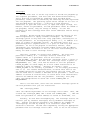
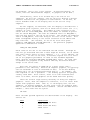
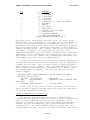
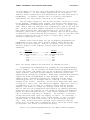
What is the carry flag used for?
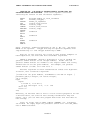
It can happen in integer addition that the result of an addition
is too big for the destination address to hold. For example, if we
have the word-values 8000H and 8001H stored in some word-sized source
or destination the sum, 10001H, is 17 bits long and hence too large to
store in the destination. It is easy to show that this in fact
represents the worst possible case: that is, the result of a 16-bit
CLASS 3