1
5 USAGE EXAMPLE
5
Usage example
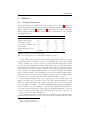
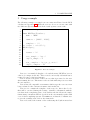
The following example is a simple test-case written in Trassel for the RPN
calculator in appendix A.1. What the test-case does is to execute calc with
two different expressions and check the result against a static value.
1 from t r a s s e l import ∗
2
3 c l a s s RPNTest ( TestCase ) :
4
name = "RPN"
5
6
r u n n e r s = [ "GCC" , "CCS" ]
7
8
t e m p l a t e = """
9 i n t o u t p u t = c a l c ("% s " ) ;
10 RES(& o u t p u t ) ;
11 """
12
13
format = " i "
14
15
t e s t _ s i m p l e = "1␣1+"
16
expect_simple = 2
17
18
test_complex = "1 ␣5␣4+␣3␣+4−5∗+"
19
expect_complex = 41
Figure 6: Test-case example
Row 1 to 3 is mainly boilerplate code and the name “RPNTest” in row
3 has to be unique in the file. These rows doesn’t really add much but is
required because of the host-language.
Row 4 describes the name of the test-case that is presented to the user
when running the test. This name is also used when filtering test-cases from
the user interface.
Row 6 lists all compatible test-runners which stops the test-case from
being evaluated if the current test-runner isn’t in this list.
Row 8 to 11 contains the template of the test-code, this is the C-code
that will be executed during the testing. \%swill be substituted with the
test-data in the templating phase of the framework, this follows the simple
format-string convention which is described in the user manual together with
a set of other templating-systems. The RESmacro is what the C runtime uses
to pass the resulting value back to the framework.
Row 13 describes the format of the result using the Python struct lan-
18