1
1. Introduction
The Glitch Laboratories Model 1.3 temperature sensor board is designed to be used in
high power rockets as a means of gathering temperature data. It has a very fast
response time, on the order of a tenth of a second, is small, and light. Without offset, the
board produces a voltage resembling temperature in °F for both type T and K
thermocouples (i.e., 45°F produces a nominal signal level of 0.45 volts). The board
operates from a single-sided power supply, so it cannot pr oduce a negative voltage for a
negative temperature. This is circumvented by adding 1 volt to the output offset (so in
the example above 45°F actually produces a nominal value of 1.45 volts.). Allowing for
the non-linearities of thermocouple response, this allows measurement of temperatures
below -100°F (-73°C).
The Model 1.3 is a product, first, of my desire to put a high power rocket to good use,
and second, my curiosity about the weather and atmosphere borne of my experience as
a pilot.
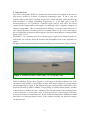
My high power rocketry activities have been carried out at Lucerne Dry Lake in Lucerne
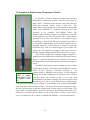
Figure 1. Lucerne Dry Lake, Lucerne Valley, CA. It’s big and it’s flat.
Valley, California. This location (Figure 1) at the edge of the Mojave Desert, lies at an
elevation of 2900’ (880m) is surrounded on three sides by mountains of varying heights
(note background in Figure 2), the highest being the San Bernardino Mountains to the
south which reach over 8000’ (2400m). Except during occasional winter storms, weather
at this location is marked by calm conditions that extend from the early morning hours
to early afternoon, at which time cooler air flowing from the coast through Cajon Pass
moves in to displace warmer desert air. In the winter the temperature difference is small
and little or no afternoon breeze arises. In the summer months, the afternoon zephyr
can be ferocious.
-1-