1
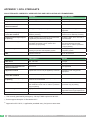
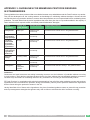
BIOLOGICAL CONTROL ORGANISMS (BCOS) USED IN STRAWBERRY CULTURE
Pest
Organism
Comments
Aphids
Aphidius sp.
Only suitable for use in protected crops. Open bottle placed in middle of house. Used
at rates of 0.2 per m2 per week (preventive) or 0.5 per m2 per week (curative)
Aphids
Aphidoletes aphidimyza
Only suitable for use in protected crops. Used to give additional control to Aphidius
spps at 1 perm 2 from May – September
Two-spotted
spider mite
Phytoseiulus persimilis
Typical application rate is 25,000 predators per hectare but rate will depend upon
level of infestation at time of introduction. Timing:
a) Outdoors: from mid-May onwards when pest is seen
b) Under protection: as soon as pest becomes active
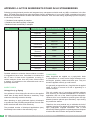
Two-spotted
spider mite
Feltiella acarisuga
Two-spotted
spider mite
Amblyseius californicus
Use only permitted for AYR protected crops. Typical application rate of 4/m2
increased to 20/m2 where there are high levels of spider mite infestation
Amblyseius andersonii
Can be used in outdoor & protected crops, will over winter on crops. 1 sachet/m2
(preventative) 2 sachet/m2 (curative), will feed on pollen 7 other small invertebrates
e.g. springtails, more tolerant than Phytoseiulus persimilis over hot conditions in
protected crops during summer months
Two spotted
spider mite
Two spotted
spider mite
Verticillium lecanii
Can give additional control to Phytoseiulus persimilis. Boxes of this predatory
midge can be introduced in glasshouses and fixed tunnels from April onwards.
Use only permitted in protected crop. Maximum individual dose rate 3kg/ha,
minimum interval between applications 7 days, water volume must not exceed
1000L/ha. Requires a temperature of 18-28°C and average relative humidity of
70% for several days after application
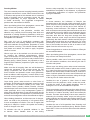
Tarsonemid mite
Neaseiulus cucumeris
(Amblyseius cucumeris)
Typical application is 5 predators per plant, but rate will vary according to the
severity of the infestation. Apply from the beginning of May to September
Thrips including
Western flower
thrips
Neaseiulus cucumeris
(Amblyseius cucumeris)
A predatory mite, it requires the leaves of plants to be touching to allow it to move
between plants. For best results, introduce regularly and early when temperatures
are 10oC and above. Introduce at 50/m2 per week if using shaker bottles
Western flower
thrips
Steinernema feltiae
An insect parasitic nematode, application rate of 1 x 250 million try to 2000m2 of
crop, increased to 1 x 250 million try to 1000m2 where levels of this pest are high
Thrips including
Western flower
thrips
Beauveria bassiana
ATCC-74040
A natural insecticide derived from a fungus with activity against, mites, thrips,
whitefly, aphids, caterpillars, fungus gnats & shore flies. Maximum rate of use
3L/ha. up to 5 applications per year
Can be used in outdoor & protected crops, will over winter on crops. 1 sachet/m2
(preventative) 2 sachet/m2 (curative), will feed on pollen 7 other small invertebrates
e.g. springtails, more tolerant than Phytoseiulus persimilis over hot conditions in
protected crops during summer months
Thrips including
Western flower
thrips
Amblyseius andersonii
Thrips including
Western flower
thrips
Verticillium lecanii
See above for Verticillium lecanii use for two spotted spider mite control
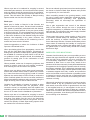
Slugs
Phasmarhabdites
hermaphrodita
For slug control, 1 tray per 200L of water, applied at 2L/m2. The temperature
of treated soil or substrate must be between 5-30oC for at least 14 days
after treatment
0.5 - 1.0 kg/ha in minimum 1000 l/ha
Tortrix caterpillar
Vine weevil
Bacillus thuringiensis
No harvest interval. Apply when caterpillars are feeding. It is only necessary to
control Tortrix post harvest if high levels are present
Heterorhabdites megidis
Steinernema carpocapsae
Soil and compost temperatures should not fall below 12oC for 14 days following
treatment. Soil and compost must be moist before application. The species
S. kraussei works down to 5oC
Steinernema kraussei
Metarhizium anisopliae
Steinernema feltiae
Sciarid flies
Hypoaspis miles or
H. aculeifer
Soil & compost incorporation immediately pre planting using 0.5kg/m3, the treated
compost should be used within 30 days. When applied to field grown crops,
broadcast at a rate of 122kh/ha and thoroughly incorporate into the top 5cm of soil
immediately prior to planting. Should not be used on established crops or before
planting crops in the autumn
Applied where this insect (larvae & adults) has become a problem of protected
in substrate grown crops. The insect pathogenic nematode Steinernema feltiae
is used at 0.5-1 million/m2 requires a minimum growing media temperature of
10-14 Co. Can be very fast acting but lacks persistence. In contrast the predatory
mites, Hypoaspis miles or H. aculeifer are introduced onto compost at 100/m2
(preventative) or 500/m2 (curative). Establish well and persist, so can provide good
background control of this pest
Red Tractor Assurance for Farms – Crop-specific Module: Strawberries
© Assured Food Standards 2015
16