1
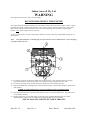
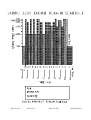
5. VARY your RPM when flying.
6. Avoid high nose altitude continual climbs. The higher the climb
out speed the better for engine cooling. No low speed high
nose altitude climb outs.
7.
Ring bed in is accomplished better at 75% power and above. Avoid heat
build up. Monitor CHT and oil temps. Vary RPM. Initial temps will be
elevated due to friction of a new engine.
8. CIRCUIT WORK is possibly a good sequence for initial run in
work. Abbreviate circuits initially, step climb, climb shallow.
No glide approaches. Gradually reduce power. Avoid sudden
heating up and sudden cooling down.
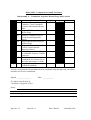
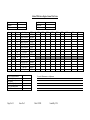
9. RETORQUE heads as suggested on warning sheet.
24 ft lb and .010” valve clearance all done cold. Subsequent
torquing of around 22 to 24 seems to help in settling down
head bolts and heads.
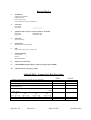
10. Don’t BABY YOUR ENGINE but monitor carefully CHT and oil
temp initially especially during the first few hours of
operation.
Remember engines need to be flown. They are designed for
this purpose. Do not use full power before CHT reaches 100oC.
The purpose of breaking
breaking in an engine correctly is to ensure a long reliable
life. All moving parts need freeing up especially piston rings to cylinder
walls. This is best accomplished when the greatest B.M.E.P. (Break Mean
Effective Pressure) occurs. That is at 75% power and
and above. Careful
monitoring by the pilot is needed during this initial period to ensure long
life of the engine and its components.
11. Do not use any type of automotive oil. These oils have not
been blended for the purpose of air cooled aero engine
operation and will be detrimental to its operation.
Page No: 15
Issue No: 4
Date: 240103
Issued By: PJA