1
10.9 Ventilation System
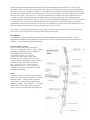
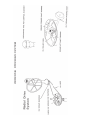
Dorade Vent
The standard dorade vent is a flexible white PVC
rubber fitting located on the cabin roof top which
allows the flow of fresh air to below decks. The
cowl can be rotated thru 360° by unscrewing its
anodized aluminum retaining rings. Located below
the cowl is a Vetus water trap. This trap will
prevent water from coming below even in heavy
weather, but it is advisable to rotate the vents aft
or away from the prevailing weather. A cover plate
is supplied for watertight closing of the cowl
ventilator.
We advise the owner/operator to always keep in
mind that sheet entanglement can damage the cowl.
The cowl can be removed and the upper flange of the
base plate can be loosened easily by hand. Be careful
not to damage the mosquito screen.
The cowls are relatively maintenance free.
Periodically wash with warm soapy water and a
cloth inside and out.
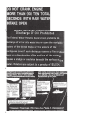
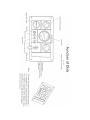
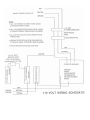
To open and close the vent from within the main
cabin, turn the screw handle located in the center of the vent and adjust to your own comfort. This can be seen
with the accompanying diagram. (Cowl Vent)
Propane Locker Ventilation - (See Gas System section 10.5)
The propane locker is independently ventilated from the rest of the boat. There are two drain holes at the bottom of
the propane locker to allow the flow of air into and out of the locker. Propane is heavier than air and will sink to
the bottom of the locker. It is imperative not to block the drain holes for this reason.
The storage of any other equipment in the propane locker is not recommended.
When using a propane appliance it is important to have the boat freely ventilated and make sure
propane gas is stored only in a propane loker that is vented overboard.
Never Use A Propane Appliance As A Heating Device.
Engine Compartment Ventilation
There is no special engine compartment ventilation. The engine uses the air from around the engine space. If the
engine is operated in extreme heat, open the engine compartment top
Ports (windows)