1
GENERAL SERVICE INFORMATION
DIESEL FUEL
• Total aromatics content should not exceed 35%
by volume. Less than 30% is preferred.
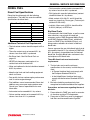
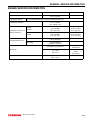
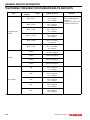
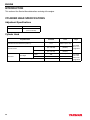
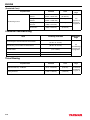
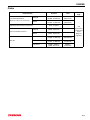
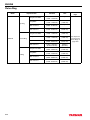
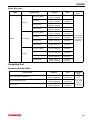
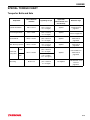
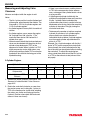
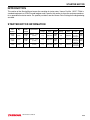
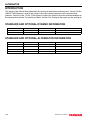
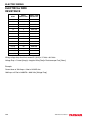
Diesel Fuel Specifications
Diesel fuel should comply with the following
specifications. The table lists several worldwide
specifications for diesel fuels.
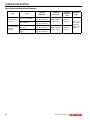
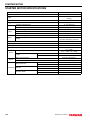
Diesel Fuel Specification
Location
No. 2-D, No. 1-D, ASTM D975-94
USA
EN590:96
European Union
ISO 8217 DMX
International
BS 2869-A1 or A2
United Kingdom
JIS K2204 Grade No.2
Japan
KSM-2610
Korea
GB252
China
Additional Technical Fuel Requirements
• The fuel cetane number should be equal to 45 or
higher.
• The sulfur content must not exceed 0.5% by
volume. Less than 0.05% is preferred.
• Bio-Diesel fuels. See Bio-Diesel Fuels on
page 4-9.
• NEVER mix kerosene, used engine oil, or
residual fuels with the diesel fuel.
• Water and sediment in the fuel should not exceed
0.05% by volume.
• PAH (polycyclic aromatic hydrocarbons) content
should be below 10% by volume.
• Metal content of Na, Mg, Si, and Al should be
equal to or lower than 1 mass ppm. (Test analysis
method JPI-5S-44-95)
• Lubricity: Wear mark of WS1.4 should be Max.
0.018 in (460 µm) at HFRR test.
Bio-Diesel Fuels
In Europe and in the United States, as well as some
other countries, non-mineral oil based fuel
resources such as RME (Rapeseed Methyl Ester)
and SOME (Soybean Methyl Ester), collectively
known as FAME (Fatty Acid Methyl Esters), are
being used as extenders for mineral oil derived
diesel fuels.
Yanmar approves the use of bio-diesel fuels that do
not exceed a blend of 5% (by volume) of FAME with
95% (by volume) of approved mineral oil derived
diesel fuel. Such bio-diesel fuels are known in the
marketplace as B5 diesel fuels.
These B5 diesel fuels must meet certain
requirements.
1. The bio-fuels must meet the minimum
specifications for the country in which they are
used.
• Keep the fuel tank and fuel-handling equipment
clean at all times.
• In Europe, bio-diesel fuels must comply with
the European Standard EN14214.
• Poor quality fuel can reduce engine performance
and / or cause engine damage.
• In the United States, bio-diesel fuels must
comply with the American Standard ASTM D6751.
• Fuel additives are not recommended. Some fuel
additives may cause poor engine performance.
Consult your Yanmar representative for more
information.
• Ash content not to exceed 0.01% by volume.
• Carbon residue content not to exceed 0.35% by
volume. Less than 0.1% is preferred.
TNV IDI Service Manual
2. Bio-fuels should be purchased only from
recognized and authorized diesel fuel suppliers.
Precautions and concerns regarding the use of
bio-fuels:
1. Free methanol in FAME may result in corrosion
of aluminum and zinc FIE components.
2. Free water in FAME may result in plugging of
fuel filters and increased bacterial growth.
4-9