1
10. Engine Block Assembly
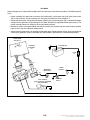
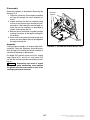
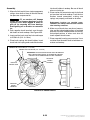
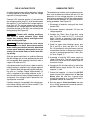
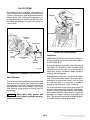
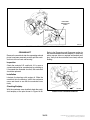
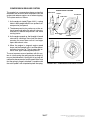
A. Removing the head cover and observing
the valve overlap on the compression
stroke.
INTRODUCTION
This section covers service procedures for the engine block assembly. A leak down test can be performed to determine the condition of the engine.
Use the procedures in the following section to perform the leak down test.
B. Feeling compression air escaping the
spark plug hole.
C. Using a tester with a T.D.C. indicator feature.
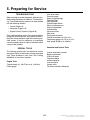
Performing any major service will require genset removal from the vehicle ( See Removing the Genset,
p. 5-3.). To gain access to the engine block assembly, the generator and primary engine systems must
be removed. Refer to the previous sections for the
disassembly procedures.
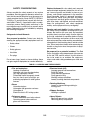
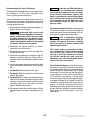
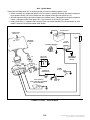
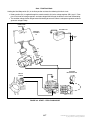
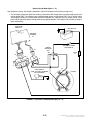
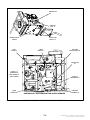
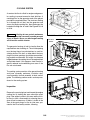
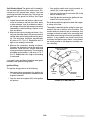
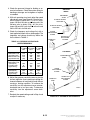
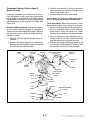
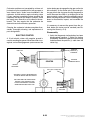
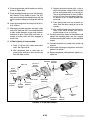
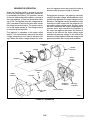
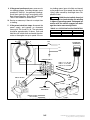
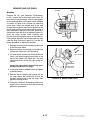
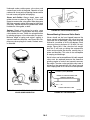
4. Connect the leak down tester to shop air and
set calibration (see Figure 10-1). Perform the
leak down test according to the manufacturer’s
instructions. Secure the fan wheel to prevent
the piston from moving during this test.
5. Screw air fitting into spark plug hole. Attach
plug fitting to tester.
A suggested order of disassembly for the engine
block assembly follows:
6. The tester needle indicates the percentage of
cylinder leakdown. The following describes the
general condition of the engine:
1. Oil pan and oil level switch
2. Head cover, breather and cowling
S 0-10 Percent leak down − Excellent condition
3. Rocker arms and push rods
S 10-20 Percent leak down − Normal condition
4. Cylinder head, valve springs and valves
S 20-30 Percent leak down − Near service limit
5. Crankcase cover and camshaft
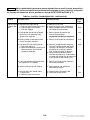
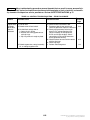
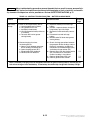
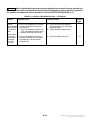
7. If leakage is greater than 30 percent, the engine
could need major service work. With the tester
still connected, listen for air leakage at the
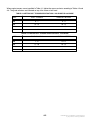
points listed in Table 10-1 and note probable
cause of engine problem.
6. Connecting rod and piston
7. Crankshaft and governor lever shaft
LEAK DOWN TEST
Perform the leak down test if performance problems
or high oil consumption occur and poor compression is suspected. Follow each of these steps and
refer to the test equipment manufacturer’s instructions.
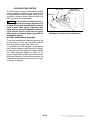
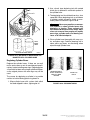
AIR LEAKAGE
GAUGE
1. Start the engine and allow it to warm up for ten
minutes. If the engine will not start, continue to
the next step.
2. Disconnect the battery negative (−) cable to
prevent accidental starting and remove the
spark plug.
REGULATOR
3. Manually rotate the the engine in the direction
of normal operation by turning the fan hub assembly. Stop turning the engine when it reaches top dead center (T.D.C.) on the compression
stroke. T.D.C. can be determined by:
M1907s
FIGURE 10-1. TYPICAL LEAK DOWN TESTER
10-1
Redistribution or publication of this document,
by any means, is strictly prohibited.