1
www.WorkshopManuals.co.uk
OPERATION
66
www.maskinisten.net
66
SITE SAFETY
! WARNING
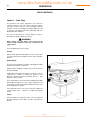
This section explains some techniques for efficient and
safe use of the machine and its attachments. Attention is
also drawn to the various safety aspects of operating on
site. Read and understand this section before you start
working with the machine. Practice using the attachments
until you are completely familiar with the controls and
what they do.
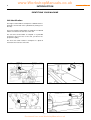
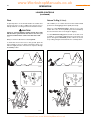
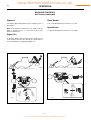
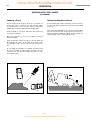
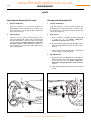
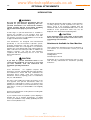
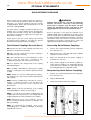
Electrical Power Cables
You could be electrocuted or badly burned if you get the
machine or its attachments too close to electrical power
cables.
You are strongly advised to make sure that the safety
arrangements on site comply with the local laws and
regulations concerning work near electric power lines.
Before you start using the machine, tell your work mates
what you will be doing and where you will be working. On
a busy site, use a signalman.
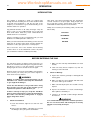
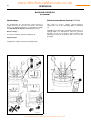
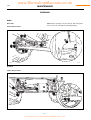
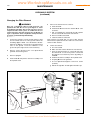
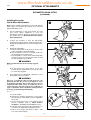
Buried Electric Power Cables
Before you start using the machine, check with your
electricity supplier if there are any buried power cables on
the site.
Remember that your machine is mobile. Whenever
possible, manoeuvre your machine into a position which
combines safety with efficiency. If you have to choose,
remember that:
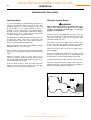
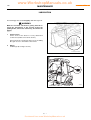
Overhead Electric Power Cables
SAFETY MUST COME FIRST
There is a minimum clearance required for working
beneath overhead power cables. You must obtain details
from your local electricity supplier.
Choose the correct attachment for the job. Do not use an
oversize bucket for rocky material. It could overload the
system and shorten service life.
2-2-5-4
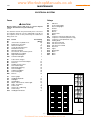
Safety Check List
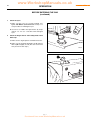
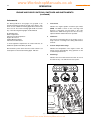
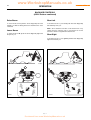
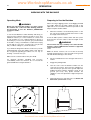
There could be dangerous materials such as asbestos,
poisonous chemicals or other harmful substances buried
on the site. If you uncover any containers or you see any
signs of toxic waste, stop the machine and advise the site
manager immediately.
! WARNING
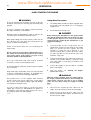
General Site Safety
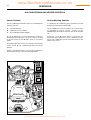
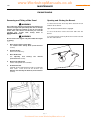
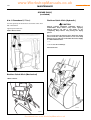
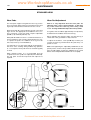
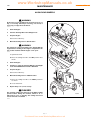
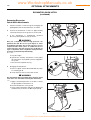
Before you start using the machine, inspect the job site.
You could be killed or injured if the ground gives way
under your machine or if piled material collapses onto it.
Check for potholes and hidden debris, logs, ironwork etc.
Any of these could cause you to lose control of your
machine.
2-2-5-2
2-2-5-5
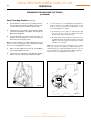
! WARNING
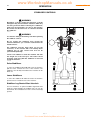
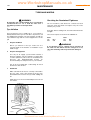
Communications
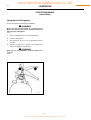
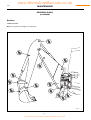
Bad communications can cause accidents. If two or more
people are working on the machine, make sure each is
aware of what the others are doing. Before starting the
engine make sure the others are clear of the danger areas;
examples of danger areas are: the rotating blades and belt
on the engine, the attachments and linkages, and
anywhere beneath or behind the machine. People can be
killed or injured if these precautions are not taken.
! CAUTION
Legal Liability
You and/or your company could be legally liable for any
damage you may cause to public utilities. It is your
responsibility to make sure that you know the locations of
all public utility cables or pipes on the site which could be
damaged by your machine.
2-2-5-3
! WARNING
Reworking Old Sites
INT-3-1-5
! WARNING
! WARNING
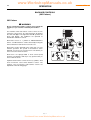
Safety Barriers
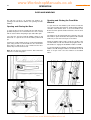
Water Supplies and Drains
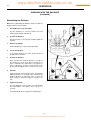
Before you start using the machine, check with your local
public water supplier if there are buried pipes and drains
on the site. If there are, obtain a map of their locations and
follow the advice given by the water supplier.
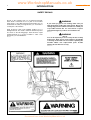
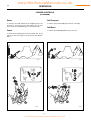
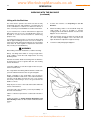
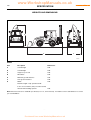
Unguarded machines in public places can be dangerous.
In public places, or where your visibility is reduced, place
barriers around the work area to keep people away.
INT-2-2-8
You are strongly advised to make sure that the safety
arrangements on site comply with the local laws and
regulations concerning work near buried water pipes and
drains.
2-2-5-6
8800 - 1
Purchased from www.WorkshopManuals.co.uk