1
Ciesse s.r.l.
24040 CISERANO-ZINGONIA (BG) – Italy
Piazza Bergamo, 12
Tel. 035.884377-Fax 035.883227
www.ciesse-srl.it [email protected]
[email protected] [email protected]
MANUALE DI USO E MANUTENZIONE
SCAMB. CALORE CSL-CSA-CSB-D00000
USE AND MAINTENANCE HEAT
EXCHANGER CSL-CSA-CSB-D00000
INSTALLAZIONE
INSTALLATION
Gli scambiatori di calore aria/olio vengono normalmente
utilizzati per il raffreddamento di impianti oleodinamici
collegati sulla linea di scarico dove la pressione di
esercizio non supera i 20bar (massima ammessa per gli
scambiatori aria/olio).
Nel caso in cui la pressione di scarico superi i 20bar
(moltiplicazione di portata, viscosità olio), gli scambiatori
vengono inseriti nei Sistemi di Raffreddamento Autonomo
dotati di pompa di ricircolo e by-pass.
E’ consigliabile montare gli scambiatori su antivibranti ed
effettuare il collegamento di ingresso e uscita olio con tubi
flessibili.
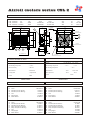
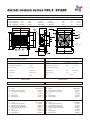
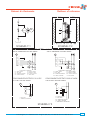
Gli scambiatori dovranno essere installati in modo che
non vi siano ostacoli alla potata dell’aria: pertanto la
distanza posteriore e quella anteriore deve essere pari o
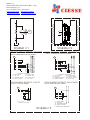
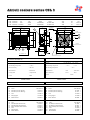
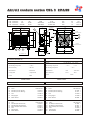
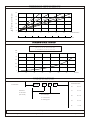
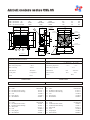
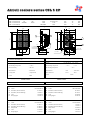
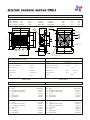
superiore al raggio della ventola montata (schema 2). Se
l’impianto oleodinamico è posto in ambienti dove la
temperatura dell’olio è soggetta ad elevata escursione
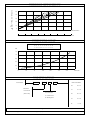
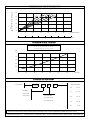
termica è consigliabile montare una valvola di by-pass in
considerazione che con basse temperature la viscosità
dell’olio aumenta sensibilmente provocando oltre a forti
perdite di carico anche, nella maggior parte dei casi, il
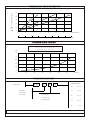
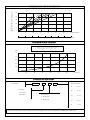
superamento della pressione massima ammessa (schema
1).
Air/oil heat exchanges are generally used for cooling
oleo dynamic equipments linked on the exhaust line
where the exercise pressure isn’t over 20 bar (max
pressure admitted for air/oil heat exchangers)
. If the exhaust pressure is over 20 bar (flow
multiplication, oil viscosity) the heat exchangers are
placed into independent cooling systems with
recirculation pump and by-pass.
It’ s advisable to mount the heat exchangers on antivibrations and to link inlets and outlets with flexible
tubing.
The heat exchangers must be installed in order that there
aren’t obstacles to the airflow: the anterior and posterior
distance has to be as much or superior to the radius of
the fan mounted (scheme 2). If the oleo dynamic
equipment is placed in environments where the oil
temperature is subject to high temperature range it’s
advisable to mount a by-pass valve since with low
temperatures oil viscosity rises considerably causing
high pressure drops that, in most cases, are bigger than
the max pressure allowed. (Scheme 1)
COLLEGAMENTO PARTE ELETTRICA
ELECTRIC PART LINKING
Assicurarsi che la tensione V, la frequenza Hz e il senso
di rotazione dell’elettroventola siano come indicato nella
targhetta posta in modo visibile sugli scambiatori.
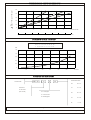
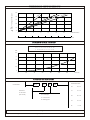
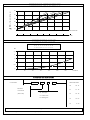
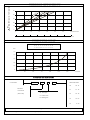
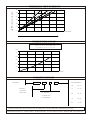
Seguire attentamente quanto descritto nello schema
elettrico allegato. (schema n.3)
Please be sure that Tension V, frequency Hz and
rotation direction of the electric fan are as shown by the
plate mounted on the heat exchangers.
Follow accurately what’s written in the electric scheme
attached (Scheme 3).
MANUTENZIONE LATO ARIA
AIR SIDE MAINTENANCE
Scollegare elettricamente lo scambiatore; smontare il
convogliatore, l’elettroventola e l’eventuale termostato.
Tutte le impurità possono essere rimosse con un getto
d’acqua calda, prestando attenzione che la direzione dello
stesso sia parallela alle alette, per facilitare la fuoriuscita
dello sporco.
Disconnect electrically the heat exchanger; disassemble
the conveyor, electric fan and thermostat (if present).
All the impurities can be removed with a warm water jet
paying attention that its direction is parallel to the fins to
help with the discharge of the dirt.
MANUTENZIONE LATO OLIO
OIL SIDE MAINTENANCE
Scollegare idraulicamente lo scambiatore; flussarlo contro
corrente con sostanze sgrassanti non aggressive per
l'alluminio. L’intensità dello sporco determinerà la durata
di tale operazione che poterà variare dai 15 ai 30 minuti.
Nel caso non fosse sufficiente ripetere più volte
l’operazione.
Disconnect hydraulically he heat exchanger; flux against
the flow the heat exchanger with degreasing substances
not aggressive for aluminium. The intensity of the dirt
will determine the duration of this operation that usually
lasts from 15 to 30 minutes.
In case the desired cleaning isn’t achieved repeat the
operation as many times ad needed.