1
707 47 0151.A4
48 AF-1Sony
30.03.2010
10:36 Uhr
Seite 1
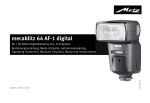
MECABLITZ 48 AF-1 digital
für/for Sony-D-SLR Kameras
mit/with ADI / HSS / Preflash-TTL
Bedienungsanleitung
Gebruiksaanwijzing
Manuale istruzioni
Mode d’emploi
Operating instruction
Manual de instrucciones
707 47 0151.A4
Ķ
48 AF-1Sony
30.03.2010
10:36 Uhr
Seite 2
1 Sicherheitshinweise . . . . . . . . . . . . . . . . . . . . . . . . . . . . . . . . . . . . . .3
2 Dedicated-Blitzfunktionen . . . . . . . . . . . . . . . . . . . . . . . . . . . . . . . . . .4
3 Blitzgerät vorbereiten . . . . . . . . . . . . . . . . . . . . . . . . . . . . . . . . . . . . .4
3.1 Montage des Blitzgerätes . . . . . . . . . . . . . . . . . . . . . . . . . . . . . . . . .4
3.2 Stromversorgung . . . . . . . . . . . . . . . . . . . . . . . . . . . . . . . . . . . . . . .4
3.3 Ein- und Ausschalten des Blitzgerätes . . . . . . . . . . . . . . . . . . . . . . . .5
3.4 Automatische Geräteabschaltung / Auto - OFF . . . . . . . . . . . . . . . . .5
4 LED-Anzeigen am Blitzgerät . . . . . . . . . . . . . . . . . . . . . . . . . . . . . . . .5
4.1 Blitzbereitschaftsanzeige . . . . . . . . . . . . . . . . . . . . . . . . . . . . . . . . .5
4.2 Belichtungskontrollanzeige . . . . . . . . . . . . . . . . . . . . . . . . . . . . . . . .6
5 Anzeigen am Display . . . . . . . . . . . . . . . . . . . . . . . . . . . . . . . . . . . . .6
5.1 Anzeige der Blitzbetriebsart . . . . . . . . . . . . . . . . . . . . . . . . . . . . . . .6
5.2 Reichweitenanzeige . . . . . . . . . . . . . . . . . . . . . . . . . . . . . . . . . . . . .6
6 Anzeigen im Kamerasucher . . . . . . . . . . . . . . . . . . . . . . . . . . . . . . . .7
7 Blitzbetriebsarten („Mode“) . . . . . . . . . . . . . . . . . . . . . . . . . . . . . . . .7
7.1 TTL-Betriebsarten . . . . . . . . . . . . . . . . . . . . . . . . . . . . . . . . . . . . . . .7
7.2 Manueller Blitzbetrieb . . . . . . . . . . . . . . . . . . . . . . . . . . . . . . . . . . .8
7.3 Automatische Kurzzeitsynchronisation (HSS) . . . . . . . . . . . . . . . . . . .8
8 Manuelle Blitzbelichtungskorrektur . . . . . . . . . . . . . . . . . . . . . . . . . . .9
9 Sonderfunktionen („Select“) . . . . . . . . . . . . . . . . . . . . . . . . . . . . . . . .9
9.1 Motorzoom-Hauptreflektor („Zoom“) . . . . . . . . . . . . . . . . . . . . . . . . .9
9.2 Remote-Slave-Blitzbetrieb ( SL ) . . . . . . . . . . . . . . . . . . . . . . . . . . .11
9.3 Automatische Geräteabschaltung
. . . . . . . . . . . . . . . . . . . . . . .13
9.4 Einstelllicht („ML“) . . . . . . . . . . . . . . . . . . . . . . . . . . . . . . . . . . . . .13
9.5 Extended-Zoom-Betrieb („Ex“) . . . . . . . . . . . . . . . . . . . . . . . . . . . .13
9.6 Meter-Feet-Umschaltung („m“ / „ft“) . . . . . . . . . . . . . . . . . . . . . . . .14
2
10 Blitztechniken . . . . . . . . . . . . . . . . . . . . . . . . . . . . . . . . . . . . . . . . .14
10.1 Indirektes Blitzen . . . . . . . . . . . . . . . . . . . . . . . . . . . . . . . . . . . . .14
10.2 Indirektes Blitzen mit Reflektorkarte . . . . . . . . . . . . . . . . . . . . . . . .14
10.3 Nahaufnahmen / Makroaufnahmen . . . . . . . . . . . . . . . . . . . . . . .14
11 Blitzsynchronisation . . . . . . . . . . . . . . . . . . . . . . . . . . . . . . . . . . . .15
11.1 Automatische Blitzsynchronzeitsteuerung . . . . . . . . . . . . . . . . . . . .15
11.2 Normalsynchronisation . . . . . . . . . . . . . . . . . . . . . . . . . . . . . . . .15
11.3 Synchronisation auf den 2.Verschlussvorhang (REAR) . . . . . . . . . . .15
11.4 Langzeitsynchronisation (SLOW) . . . . . . . . . . . . . . . . . . . . . . . . . .15
11.5 Vorblitzfunktion gegen den „Rote-Augen-Effekt“ . . . . . . . . . . . . . . .16
12 Automatischer AF-Messblitz . . . . . . . . . . . . . . . . . . . . . . . . . . . . . .16
13 Zündungssteuerung (Auto-Flash) . . . . . . . . . . . . . . . . . . . . . . . . . . .16
14 Wartung und Pflege . . . . . . . . . . . . . . . . . . . . . . . . . . . . . . . . . . . .16
14.1 Firmware-Update . . . . . . . . . . . . . . . . . . . . . . . . . . . . . . . . . . . .16
14.2 Reset . . . . . . . . . . . . . . . . . . . . . . . . . . . . . . . . . . . . . . . . . . . . . .16
14.3 Formieren des Blitzkondensators . . . . . . . . . . . . . . . . . . . . . . . . . .17
15 Hilfe bei Störungen . . . . . . . . . . . . . . . . . . . . . . . . . . . . . . . . . . . .17
16 Technische Daten . . . . . . . . . . . . . . . . . . . . . . . . . . . . . . . . . . . . . .18
17 Sonderzubehör . . . . . . . . . . . . . . . . . . . . . . . . . . . . . . . . . . . . . . .19
Battertieentsorgung . . . . . . . . . . . . . . . . . . . . . . . . . . . . . . . . . . . . . . .20
Garantiebestimmungen . . . . . . . . . . . . . . . . . . . . . . . . . . . . . . . . . . . .21
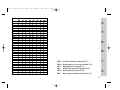
Tabelle 1: Leitzahlen bei maximaler Lichtleistung (P 1/1) . . . . . . . . . . . .117
Tabelle 2: Blitzleuchtzahlen in den Teillichtleistungsstufen . . . . . . . . . . . .118
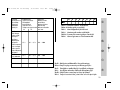
Tabelle 3: Blitzfolgezeiten und Blitzanzahl bei den versch. Batterietype . .119
Tabelle 4:Maximale Leitzahlen im HSS-Betrieb . . . . . . . . . . . . . . . . . . .119
707 47 0151.A4
48 AF-1Sony
30.03.2010
10:36 Uhr
Seite 3
Vorwort
Vielen Dank, dass Sie sich für ein Metz Produkt entschieden haben.
Wir freuen uns, Sie als Kunde begrüßen zu dürfen.
Natürlich können Sie es kaum erwarten, das Blitzgerät in Betrieb zu nehmen.
Es lohnt sich aber, die Bedienungsanleitung zu lesen, denn nur so lernen Sie, mit
dem Gerät problemlos umzugehen.
Dieses Blitzgerät ist geeignet für:
• Digitale Sony Spiegelreflex-Kameras mit TTL-, TTL-Vorblitz und ADI-Messung.
☞ Für Kameras anderer Hersteller ist das Blitzgerät nicht geeignet !
Schlagen Sie bitte auch die Bildseite des Umschlages am Ende der
Anleitung auf.
1 Sicherheitshinweise
• Das Blitzgerät ist ausschließlich zur Verwendung im fotografischen Bereich
vorgesehen und zugelassen!
• In Umgebung von entflammbaren Gasen oder Flüssigkeiten (Benzin,
Lösungsmittel etc.) darf das Blitzgerät keinesfalls ausgelöst werden!
EXPLOSIONSGEFAHR !
• Auto-, Bus-, Fahrrad-, Motorrad-, oder Zugfahrer etc. niemals während der
Fahrt mit einem Blitzgerät fotografieren. Durch die Blendung kann der
Fahrer einen Unfall verursachen!
• Lösen Sie in unmittelbarer Nähe der Augen keinesfalls einen Blitz aus! Ein
Blitzlicht direkt vor den Augen von Personen und Tieren kann zur Netzhautschädigung führen und schwere Sehstörungen verursachen - bis hin zur Erblindung!
• Nur die in der Bedienungsanleitung bezeichneten und zugelassenen
Stromquellen verwenden!
• Batterien / Akkus nicht übermäßiger Wärme wie Sonnenschein, Feuer oder
dergleichen aussetzen!
• Verbrauchte Batterien / Akkus nicht ins Feuer werfen!
• Batterien / Akkus nicht kurzschließen!
• Aus verbrauchten Batterien kann Lauge austreten, was zur Beschädigung der
Kontakte führt. Verbrauchte Batterien deshalb immer aus dem Gerät entnehmen.
• Trockenbatterien dürfen nicht geladen werden.
• Blitz- und Ladegerät nicht Tropf- und Spritzwasser (z.B. Regen) aussetzen!
• Schützen Sie Ihr Blitzgerät vor großer Hitze und hoher Luftfeuchtigkeit!
Blitzgerät nicht im Handschuhfach des Autos aufbewahren!
• Beim Auslösen eines Blitzes darf sich kein lichtundurchlässiges Material
unmittelbar vor oder direkt auf der Reflektorscheibe befinden. Die
Reflektorscheibe darf nicht verunreinigt sein. Bei Nichtbeachtung kann es,
durch die hohe Energie des Blitzlichtes, zu Verbrennungen des Materials
bzw. der Reflektorscheibe führen.
• Nach mehrfachem Blitzen nicht die Reflektorscheibe berühren.
Verbrennungsgefahr !
• Blitzgerät nicht zerlegen! HOCHSPANNUNG ! Im Geräteinneren befinden
sich keine Bauteile, die von einem Laien repariert werden können.
• Bei Serienblitzaufnahmen mit voller Lichtleistung und kurzen Blitzfolgezeiten
ist darauf zu achten, dass nach jeweils 15 Blitzen eine Pause von mindestens
10 Minuten eingehalten wird !
• Bei Serienblitzaufnahmen mit voller Lichtleistung und kurzen Blitzfolgezeiten
wärmt sich die Streuscheibe bei Zoompositionen von 35 mm und weniger
durch die hohe Lichtenergie stark auf.
• Das Blitzgerät darf nur dann zusammen mit einem in die Kamera eingebauten Blitzgerät verwendet werden, wenn dieses vollständig ausgeklappt werden kann!
• Bei raschem Temperaturwechsel kann Feuchtigkeitsbeschlag auftreten. Gerät
akklimatisieren lassen!
• Keine schadhaften Batterien oder Akkus verwenden!
3
Ķ
707 47 0151.A4
Ķ
48 AF-1Sony
30.03.2010
10:36 Uhr
Seite 4
2 System-Blitzfunktionen
3 Blitzgerät vorbereiten
Die System-Blitzfunktionen sind speziell auf das Kamerasystem abgestimmte
Blitzfunktionen. In Abhängigkeit vom Kameratyp werden dabei verschiedene
Blitzfunktionen unterstütz:
• Blitzbereitschaftsanzeige im Kamerasucher
• Automatische Blitzsynchronzeitsteuerung
• TTL-Blitzsteuerung (Standard-TTL ohne Messvorblitz)
• Vorblitz-TTL und ADI-Messung
• Automatische Aufhellblitzsteuerung
• Manuelle Blitzbelichtungskorrektur
• Synchronisation auf den 1. oder 2. Verschlussvorhang (REAR)
• Automatische Kurzzeitsynchronisation HSS bei TTL und M
• Automatische Motor-Zoom-Steuerung
• Extended-Zoom-Betrieb
• AF-Messblitzsteuerung
• Automatische Blitzreichweitenanzeige
• Zündungssteuerung (AUTO-FLASH)
• Drahtloser Remote-Slave-Blitzbetrieb
• Wake-Up-Funktion Für das Blitzgerät
• Firmware-Update über USB-Buchse
☞ Im Rahmen dieser Bedienungsanleitung ist es nicht möglich, alle Kameratypen mit den einzelnen Blitzfunktionen detailliert zu beschreiben.
Beachten Sie deshalb die Hinweise zum Blitzbetrieb in der
Bedienungsanleitung Ihrer Kamera, welche Blitzfunktionen von Ihrem
Kameratyp unterstützt werden bzw. an der Kamera selbst eingestellt werden müssen!
3.1 Montage des Blitzgerätes
4
Blitzgerät auf die Kamera montieren
☞ Kamera und Blitzgerät vor der Montage oder Demontage ausschalten.
• Rändelmutter bis zum Anschlag gegen das Blitzgerät drehen.
• Blitzgerät mit dem Anschlussfuß bis zum Anschlag in den Zubehörschuh der
Kamera schieben.
• Rändelmutter bis zum Anschlag gegen das Kameragehäuse drehen und das
Blitzgerät festklemmen.
Blitzgerät von der Kamera abnehmen
☞ Kamera und Blitzgerät vor der Montage oder Demontage ausschalten.
• Rändelmutter bis zum Anschlag gegen das Blitzgerät drehen.
• Blitzgerät aus dem Zubehörschuh der Kamera herausziehen.
3.2 Stromversorgung
Batterien- bzw. Akkuauswahl
Das Blitzgerät kann wahlweise betrieben werden mit hochwertigen:
• 4 NC-Akkus 1,2 V, Typ IEC KR6 (AA / Mignon), sie bieten sehr kurze
Blitzfolgezeiten und sparsamen Betrieb, da sie wiederaufladbar sind.
• 4 Nickel-Metall-Hydrid Akkus 1,2 V, Typ IEC HR6 (AA / Mignon), deutlich höhere
Kapazität als NC-Akku und weniger umweltschädlich, da cadmiumfrei.
• 4 Alkali-Mangan-Trockenbatterien 1,5 V, Typ IEC LR6 (AA / Mignon), wartungsfreie Stromquelle für gemäßigte Leistungsanforderungen.
• 4 Lithium-Batterien 1,5 V, Typ IEC FR6 (AA / Mignon), wartungsfreie Stromquelle mit hoher Kapazität und geringer Selbstentladung.
☞ Wenn Sie das Blitzgerät längere Zeit nicht benutzen, entfernen Sie bitte
die Batterien aus dem Gerät.
707 47 0151.A4
48 AF-1Sony
30.03.2010
10:36 Uhr
Seite 5
Batterien austauschen
Die Akkus/Batterien sind leer bzw. verbraucht, wenn die Blitzfolgezeit (Zeit vom
Auslösen eines Blitzes mit voller Lichtleistung, z.B. bei M, bis zum erneuten
Aufleuchten der Blitzbereitschaftsanzeige ) über 60 Sekunden ansteigt.
• Blitzgerät mit dem Hauptschalter ausschalten.
• Den Batteriefachdeckel nach vorne schieben und aufklappen.
• Zuerst die Batterien einlegen, die dem Display zugewendet sind, danach die
anderen einlegen. Batteriefachdeckel schließen.
☞ Achten Sie beim Einsetzen der Batterien bzw. Akkus auf die richtige
Polarität gemäß den Symbolen im Batteriefach. Vertauschte Pole können
zur Zerstörung des Gerätes führen! Explosionsgefahr bei unsachgemäßem Auswechseln der Batterien.
Ersetzen Sie immer alle Batterien durch gleiche, hochwertige Batterien
eines Herstellertyps mit gleicher Kapazität! Verbrauchte Batterien bzw.
Akkus gehören nicht in den Hausmüll! Leisten Sie einen Beitrag zum
Umweltschutz und geben Sie verbrauchte Batterien bzw. Akkus bei entsprechenden Sammelstellen ab!
• nach dem Auslösen eines Blitzes,
• nach dem Antippen des Kameraauslösers,
• nach dem Ausschalten des Kamerabelichtungsmesssystems...
...in den Standby-Betrieb schaltet (Auto-OFF), um Energie zu sparen und die
Stromquellen vor unbeabsichtigtem Entladen zu schützen. Die Blitzbereitschaftsanzeige und die Anzeigen auf dem LC-Display verlöschen.
Die zuletzt benutzte Betriebseinstellung bleibt nach der automatischen Abschaltung
erhalten und steht nach dem Einschalten sofort wieder zur Verfügung. Das
Blitzgerät wird durch Drücken einer beliebigen Taste bzw. durch Antippen des
Kameraauslösers (Wake-Up-Funktion) wieder eingeschaltet.
☞ Wenn das Blitzgerät längere Zeit nicht benötigt wird, sollte das Gerät
grundsätzlich immer mit dem Hauptschalter ausgeschaltet werden!
Bei Bedarf kann die automatische Geräteabschaltung bereits nach 1 Minute
erfolgen oder ausgeschaltet werden (siehe 9.3).
4 LED-Anzeigen am Blitzgerät
3.3 Ein- und Ausschalten des Blitzgerätes
4.1 Blitzbereitschaftsanzeige
Das Blitzgerät wird mit dem Hauptschalter eingeschaltet. In der Stellung „ON“
ist das Blitzgerät eingeschaltet.
Zum Ausschalten den Hauptschalter in die linke Position schieben.
☞ Wird das Blitzgerät längere Zeit nicht gebraucht, so empfehlen wir:
Blitzgerät mit dem Hauptschalter ausschalten und die Stromquellen
(Batterien, Akkus) entnehmen.
Bei aufgeladenem Blitzkondensator leuchtet am Blitzgerät die
Blitzbereitschaftsanzeige auf und zeigt damit die Blitzbereitschaft an. Das
bedeutet, dass für die nächste Aufnahme Blitzlicht verwendet werden kann. Die
Blitzbereitschaft wird auch an die Kamera übertragen und sorgt im
Kamerasucher für eine entsprechende Anzeige (siehe 6).
Wird eine Aufnahme gemacht, bevor im Kamerasucher die Anzeige für die
Blitzbereitschaft erscheint, so wird das Blitzgerät nicht ausgelöst, und die
Aufnahme unter Umständen falsch belichtet, falls die Kamera bereits auf die
Blitzsynchronzeit umgeschaltet hat (siehe 11.1).
3.4 Automatische Geräteabschaltung / Auto - OFF
Werksseitig ist das Blitzgerät so eingestellt, dass es ca. 10 Minuten • nach dem Einschalten,
• nach dem Betätigen einer Taste,
5
Ķ
707 47 0151.A4
Ķ
48 AF-1Sony
30.03.2010
10:36 Uhr
Seite 6
4.2 Belichtungskontrollanzeige
5.1 Anzeige der Blitzbetriebsart
Die Belichtungskontrollanzeige „o.k.“ leuchtet für ca. 3 Sekunden, wenn die
Aufnahme in den TTL-Blitzbetriebsarten (TTL, Vorblitz-TTL, ADI-Messung; siehe 7)
richtig belichtet wurde!
Im Display wird die eingestellte Blitzbetriebsart angezeigt. Dabei sind je nach
Kameratyp verschiedene Anzeigen für die jeweils unterstützte TTL-Blitzbetriebsart
(z.B. TTL , TTL HSS) und den manuellen Blitzbetrieb M , M HSS möglich (siehe 7).
Erfolgt keine Belichtungskontrollanzeige „o.k.“ nach der Aufnahme, so wurde
die Aufnahme unterbelichtet und Sie müssen die nächst kleinere Blendenzahl einstellen (z.B. anstatt Blende 11 die Blende 8) oder die Entfernung zum Motiv bzw.
zur Reflexfläche (z.B. beim indirekten Blitzen) verkleinern und die Aufnahme
wiederholen. Beachten Sie die Reichweitenanzeige im Display des Blitzgerätes
(siehe 5.2).
5.2 Reichweitenanzeige
5 Anzeigen am Display
☞ Es erfolgt keine Reichweitenanzeige wenn keine Daten von der Kamera
Die meisten Kameras übertragen die Werte für ISO, Objektivbrennweite (mm)
und Blende an das Blitzgerät. Dieses passt seine erforderlichen Einstellungen
automatisch an. Es errechnet aus den Werten und seiner Leitzahl die maximale
Reichweite des Blitzlichtes. Blitzbetriebsart, Reichweite, Blende und ZoomPosition des Hauptreflektors werden im Display des Blitzgerätes angezeigt.
Wird das Blitzgerät betrieben ohne dass es Daten von der Kamera erhalten hat
(z.B. wenn die Kamera ausgeschaltet ist), so wird nur die gewählte
Blitzbetriebsart, die Zoom-Position des Hauptreflektors und „Zoom“ angezeigt.
Die Anzeigen für Blende und Reichweite erfolgen erst, wenn das Blitzgerät die
erforderlichen Daten von der Kamera erhalten hat.
☞ Anzeigen für Auto-Zoom, Blende und Reichweite erfolgen nur mit
Kameras die Blenden- und ISO-Werte an das Blitzgerät übertragen!
Displaybeleuchtung
Bei jedem Tastendruck am Blitzgerät wird für ca. 10 Sek. die Displaybeleuchtung
des Blitzgerätes aktiviert. Beim Auslösen eines Blitzes durch die Kamera oder
durch die Handauslösetaste am Blitzgerät wird die Displaybeleuchtung
abgeschaltet.
6
Beim Einsatz von Kameras die Daten für ISO, Objektivbrennweite und Blende
übertragen erfolgt am Display eine Reichweitenanzeige. Dazu muss ein
Datenaustausch zwischen Kamera und Blitzgerät stattgefunden haben, z.B.
durch antippen des Kameraauslösers. Die Reichweite kann entweder in Meter
(m) oder Feet (ft) angezeigt werden (siehe 9.6).
übertragen werden;
- wenn der Reflektorkopf aus seiner Normalposition (nach oben oder seitwärts) abgeschwenkt ist.
- das Blitzgerät im Remote-Blitzbetrieb (Slave SL) arbeitet.
- Die Reichweitenanzeige blinkt, wenn der Reflektor nach unten geschwenkt
ist (siehe 10.3).
Reichweitenanzeige in TTL-Blitzbetriebsarten
In den TTL-Blitzbetriebsarten (siehe 7.1) wird im Display der Wert für die maximale Reichweite des Blitzlichtes angezeigt. Der angezeigte Wert bezieht sich auf
einen Reflexionsgrad von 25% des Motivs, was für die meisten
Aufnahmesituationen zutrifft. Starke Abweichungen des Reflexionsgrades, z.B.
bei sehr stark oder sehr schwach reflektierenden Objekten können die Reichweite
des Blitzgerätes beeinflussen.
Das Motiv sollte sich im Bereich von etwa 40% bis 70% des angezeigten Wertes
befinden. Damit wird der Elektronik genügend Spielraum zum Ausgleich gegeben. Der Mindestabstand zum Motiv sollte 10% des angezeigten Wertes nicht
unterschreiten um Überbelichtungen zu vermeiden! Die Anpassung an die jeweilige Aufnahmesituation kann z.B. durch Ändern der Objektivblende erreicht werden.
707 47 0151.A4
48 AF-1Sony
30.03.2010
10:36 Uhr
Seite 7
Reichweitenanzeige im manuellen Blitzbetrieb M
7.1 TTL-Betriebsarten
Im manuellen Blitzbetrieb M wird im Display der Entfernungswert angezeigt, der
für eine korrekte Blitzbelichtung des Motivs einzuhalten ist. Die Anpassung an
die jeweilige Aufnahmesituation kann z.B. durch ändern der Objektivblende
oder durch Wahl einer manuellen Teillichtleistung (siehe 7.2) erreicht werden.
Überschreitung des Anzeigebereichs
In den TTL-Blitzbetriebsarten erreichen Sie auf einfache Art sehr gute
Blitzlichtaufnahmen. In diesen Blitzbetriebsarten wird die
Blitzbelichtungsmessung von einem Sensor in der Kamera vorgenommen. Dieser
misst das vom Motiv reflektierte Licht durch das Objektiv (TTL = „Trough The
Lens“). Die Kamera ermittelt dabei automatisch die erforderliche Blitzleistung für
eine korrekte Belichtung der Aufnahme. Der Vorteil der TTL-Blitzbetriebsarten
liegt darin, dass alle Faktoren, welche die Belichtung beeinflussen
(Aufnahmefilter, Blenden- und Brennweitenänderungen bei Zoom-Objektiven,
Auszugsverlängerungen für Nahaufnahmen usw.), automatisch bei der Regelung
des Blitzlichtes berücksichtigt werden.
Im Display werden Reichweiten bis maximal 199 m bzw. 199 ft angezeigt. Bei
hohen ISO-Werten (z.B. ISO 6400) und großen Blendenöffnungen kann der
Anzeigebereich überschritten werden. Dies wird durch einen Pfeil bzw. Dreieck
hinter dem Entfernungswert angezeigt.
6 Anzeigen im Kamerasucher
Je nach Kameratyp erfolgen im Kamerasucher verschiedene Anzeigen für den
Status des Blitzgerätes. Beachten Sie deshalb die Hinweise in der
Kamerabedienungsanleitung!
Beispiele für die Anzeigen im Kamerasucher:
• Das Blitzsymbol
blinkt vor der Aufnahme:
Der Kondensator im Blitzgerät wird geladen. Das Blitzgerät ist noch nicht blitzbereit.
• Das Blitzsymbol leuchtet:
Der Kondensator im Blitzgerät ist aufgeladen. Das Blitzgerät ist einsatzbereit.
7 Blitzbetriebsarten („Mode“)
Je nach Kameratyp stehen verschiedene TTL-Blitzbetriebsarten, der manuelle
Blitzbetrieb und die Kurzzeitsynchronisationn HSS zur Verfügung. Zum Einstellen
der Blitzbetriebsart muss deshalb vorher ein Datenaustausch zwischen Blitzgerät
und Kamera stattfinden, z.B. durch Antippen des Kameraauslösers. Die
Einstellung der Blitzbetriebsart erfolgt mit der Taste „Mode“ .
Bei einer korrekt belichteten Aufnahme leuchtet für ca. 3s die
Belichtungskontrollanzeige (siehe 4.2).
☞ Beachten Sie ob es für Ihren Kameratyp Einschränkungen hinsichtlich des
ISO-Wertes für den TTL-Blitzbetrieb gibt (z.B. ISO 64 bis ISO 1000; siehe
Kamerabedienungsanleitung)! Zum Testen der TTL-Funktion muss sich bei
analogen Kameras ein Film in der Kamera befinden!
Vorblitz-TTL und ADI-Messung
Vorblitz-TTL und ADI-Messung sind digitale TTL-Blitzbetriebsarten und
Weiterentwicklungen des TTL-Blitzbetriebes analoger Kameras. Bei der
Aufnahme wird vor der eigentlichen Belichtung ein fast nicht erkennbarer
Messvorblitz vom Blitzgerät abgegeben. Das reflektierte Licht des Messvorblitzes
wird von der Kamera ausgewertet. Entsprechend der Auswertung wird die nachfolgende Blitzbelichtung von der Kamera an die Aufnahmesituation angepasst
(näheres siehe Kamerabedienungsanleitung). Bei der ADI-Messung gehen
zusätzlich Entfernungsdaten des Objektivs in die Blitzbelichtung mit ein. Die
Auswahl bzw. Einstellung der Betriebsarten Vorblitz-TTL und ADI-Messung erfolgt
an der Kamera (siehe Kamerabedienungsanleitung).
Das Blitzgerät muss in die Blitzbetriebsart „TTL“ geschaltet werden.
7
Ķ
707 47 0151.A4
Ķ
48 AF-1Sony
30.03.2010
10:36 Uhr
Seite 8
Einstellvorgang
7.2 Manueller Blitzbetrieb
• Taste „Mode“ so oft drücken, bis im Display „ TTL “ blinkt.
Die Einstellung wird sofort wirksam. Nach ca. 5 Sekunden hört die Anzeige
auf zu blinken und die Einstellung wird automatisch gespeichert. Im Display
wird „ TTL “ angezeigt. Eine besondere Anzeige für Vorblitz-TTL bzw.
ADI–Messung am Blitzgerät erfolgt nicht.
TTL-Blitzbetrieb
Im manuellen Blitzbetrieb M wird vom Blitzgerät ungeregelt die volle Energie
abgestrahlt, sofern keine Teillichtleistung eingestellt ist. Die Anpassung an die
Aufnahmesituation kann z.B. durch die Blendeneinstellung an der Kamera oder
durch Auswahl einer geeigneten manuellen Teillichtleistung erfolgen. Der
Einstellbereich erstreckt sich von P 1/1 - P1/128 bzw. P 1/1 - P 1/32 bei HSS
(siehe 7.3). Am Display wird die Entfernung angezeigt, bei der das Motiv korrekt belichtet wird (siehe 5.2).
Diese analoge TTL-Blitzbetriebsart wird von älteren analogen Kameras unterstützt. Es ist der normale TTL-Blitzbetrieb (TTL-Blitzbetrieb ohne Vorblitz).
Einstellvorgang
• Taste „Mode“ so oft drücken, bis im Display „ TTL “ blinkt.
Die Einstellung wird sofort wirksam. Nach ca. 5 Sekunden hört die Anzeige
auf zu blinken und die Einstellung wird automatisch gespeichert. Im Display
wird das Symbol „ TTL “ angezeigt.
Automatischer Aufhellblitzbetrieb in den TTL-Betriebsarten
Bei den meisten Kameratypen wird in der Programmautomatik P, und den Varibzw. Motiv-Programmen bei Tageslicht der automatische Aufhellblitzbetrieb aktiviert (siehe Kamerabedienungsanleitung).
Mit dem Aufhellblitz können Sie lästige Schatten beseitigen und bei
Gegenlichtaufnahmen eine ausgewogene Belichtung zwischen Motiv und
Bildhintergrund erreichen. Ein computergesteuertes Meßsystem der Kamera sorgt
für die geeignete Kombination von Verschlusszeit, Arbeitsblende und
Blitzleistung.
☞
Achten Sie darauf, dass die Gegenlichtquelle nicht direkt ins Objektiv
scheint. Das TTL-Meßsystem der Kamera wird dadurch getäuscht!
Eine Einstellung oder Anzeige für den automatischen Aufhellblitzbetrieb am
Blitzgerät erfolgt nicht.
8
Einstellvorgang
• Taste „Mode“ so oft drücken, bis im Display M blinkt.
Die Einstellung wird sofort wirksam. Nach ca. 5 Sekunden hört die Anzeige
auf zu blinken und die Einstellung wird automatisch gespeichert. Im Display
wird das Symbol M angezeigt.
Manuelle Teillichtleistungen
Im Manuellen Blitzbetrieb M mit den Tasten ( + ) und ( - ) die gewünschte
Teillichtleistung einstellen. Die Einstellung wird sofort wirksam und automatisch
gespeichert. Die Entfernungsanzeige wird automatisch der Teillichtleistung angepasst (siehe 5.2).
☞ Verschiedene Kameratypen unterstützen den manuellen Blitzbetrieb M
nur in der Kamerabetriebsart Manuell M! In anderen
Kamerabetriebsarten erfolgt eine Fehlermeldung im Display und die
Auslösung wird verriegelt
7.3 Automatische Kurzzeitsynchronisation (HSS)
Verschiedene Kameras unterstützen die Automatische Kurzzeitsynchronisation
(siehe Kamerabedienungsanleitung). Mit dieser Blitzbetriebsart ist es möglich,
auch bei kürzeren Verschlusszeiten als der Blitzsynchronzeit ein Blitzgerät einzusetzen. Interessant ist diese Betriebsart z.B. bei Portrait-Aufnahmen in sehr hellem Umgebungslicht, wenn durch eine weit geöffnete Blende (z.B. F 2,0) die
707 47 0151.A4
48 AF-1Sony
30.03.2010
10:36 Uhr
Seite 9
Schärfentiefe begrenzt werden soll! Das Blitzgerät unterstützt die
Kurzzeitsynchronisation in den TTL-Blitzbetriebsarten und M.
Physikalisch bedingt, wird jedoch durch die Kurzzeitsynchronisation die Leitzahl,
und damit auch die Reichweite des Blitzgerätes zum Teil erheblich eingeschränkt!
Beachten Sie daher die Reichweitenanzeige am Display des Blitzgerätes! Die
Kurzzeitsynchronisation wird automatisch ausgeführt, wenn an der Kamera
manuell oder automatisch durch das Belichtungsprogramm eine kürzere
Verschlusszeit als die Blitzsynchronzeit eingestellt ist.
☞ Beachten Sie, dass die Leitzahl des Blitzgerätes bei der
Kurzzeitsynchronisation zusätzlich von der Verschlusszeit abhängig ist: Je
kürzer die Verschlusszeit desto geringer die Leitzahl!
Einstellvorgang
• Taste „Mode“ so oft drücken, bis im Display „ TTL HSS“ bzw. „ M HSS“
blinkt.
Die Einstellung wird sofort wirksam. Nach ca. 5 Sekunden hört die Anzeige
auf zu blinken und die Einstellung wird automatisch gespeichert. Im Display
wird „ TTL HSS“ bzw. „ M HSS“ angezeigt. Zum Löschen der
Kurzzeitsynchronisation die Taste „Mode“ so oft drücken bis das Symbol
„HSS“ verlischt.
8 Manuelle Blitzbelichtungskorrektur
Die Blitzbelichtungsautomatik der meisten Kameras ist auf einen Reflexionsgrad
von 25 % (durchschnittlicher Reflexionsgrad von Blitzmotiven) abgestimmt. Ein
dunkler Hintergrund, der viel Licht absorbiert oder ein heller Hintergrund, der
stark reflektiert (z.B. Gegenlichtaufnahmen), können zu Über- bzw.
Unterbelichtung des Motivs führen.
Um den oben genannten Effekt zu kompensieren, kann die Blitzbelichtung manuell
mit einem Korrekturwert der Aufnahme angepasst werden. Die Höhe des
Korrekturwertes ist vom Kontrast zwischen Motiv und Bildhintergrund abhängig!
Tipp:
Dunkles Motiv vor hellem Bildhintergrund: Positiver Korrekturwert. Helles Motiv
vor dunklem Bildhintergrund: Negativer Korrekturwert. Die Einstellung des
Korrekturwertes erfolgt an der Kamera (siehe Kamerabedienungsanleitung). Eine
besondere Anzeige am Blitzgerät erfolgt nicht.
☞ Eine Belichtungskorrektur durch Verändern der Objektivblende ist nicht
möglich, da die Belichtungsautomatik der Kamera die geänderte Blende
wiederum als normale Arbeitsblende betrachtet. Beim Einstellen eines
Korrekturwertes kann sich die Reichweitenanzeige im Display ändern und
dem Korrekturwert angepasst werden (abhängig von Kameratyp)!
Vergessen Sie nicht die TTL-Blitzbelichtungskorrektur nach der Aufnahme an der
Kamera wieder zu löschen!
9 Sonderfunktionen („Select“)
Je nach Kameratyp stehen verschiedene Sonderfunktionen zur Verfügung. Zum
Aufrufen und Einstellen der Sonderfunktionen muss deshalb vorher ein
Datenaustausch zwischen Blitzgerät und Kamera stattfinden, z.B. durch Antippen
des Kameraauslösers. Das Aufrufen der einzelnen Sonderfunktionen erfolgt mit
der Tastenkombination „Select“, das heißt, dass die Tasten ( - ) bzw. ( + ) gleichzeitig betätigt werden müssen. Die der Sonderfunktion zugehörigen und
gewünschten Einstellungen werden anschließend einzeln mit der Taste ( - ) bzw.
( + ) durchgeführt.
☞ Die Einstellung muss unmittelbar nach dem Aufrufen der Sonderfunktion
erfolgen, da das Blitzgerät sonst nach einigen Sekunden automatisch wieder in den normalen Blitzbetrieb wechselt!
9.1 Motorzoom-Hauptreflektor („Zoom“)
Der Motorzoom-Hauptreflektor des Blitzgerätes kann Objektivbrennweiten ab
24 mm (Kleinbild-Format) ausleuchten. Durch Einsatz der integrierten
Weitwinkel-Streuscheibe erweitert sich die Ausleuchtung auf 18 mm.
9
Ķ
707 47 0151.A4
Ķ
48 AF-1Sony
30.03.2010
10:36 Uhr
Seite 10
Auto-Zoom.
Wenn das Blitzgerät mit einer Kamera betrieben wird, die Daten der
Objektivbrennweite überträgt, passt sich die Zoom-Position des Hauptreflektors automatisch der Objektivbrennweite an. Nach dem Einschalten des Blitzgerätes
wird im Display „Zoom“ und die aktuelle Zoom-Position des Hauptreflektors angezeigt.
Die automatische Anpassung erfolgt für Objektivbrennweiten ab 24 mm. Wird
eine Brennweite von weniger als 24 mm eingesetzt, so blinkt im Display die
Anzeige „24“ als Warnhinweis, dass die Aufnahme nicht vollständig ausgeleuchtet werden kann.
Auf Wunsch kann die Position des Hauptreflektors manuell verstellt werden
um bestimmte Beleuchtungseffekte zu erzielen (z.B. Spot-Effekt usw.).
Manueller Zoom-Betrieb
Bei Kameras die keine Daten der Objektivbrennweiten übertragen muss, die
Zoom-Position des Hauptreflektors manuell an die Objektivbrennweite angepasst
werden. Der Auto-Zoom-Betrieb ist in diesem Fall nicht möglich! Nach dem
Einschalten des Blitzgerätes wird im Display „Zoom“ und die aktuelle
Zoom–Position des Hauptreflektors angezeigt.
Einstellvorgang
• Tastenkombination „Select“ so oft drücken, bis „Zoom“ blinkend neben der
Zoom-Position (mm) angezeigt wird.
• Mit den Tasten ( + ) und ( - ) die gewünschte Einstellung vornehmen. Im
Display wechselt die blinkende Anzeige dabei auf „M.Zoom“ für den manuellen Zoom-Betrieb. Folgende Zoom-Positionen für den Hauptreflektor sind möglich: 24 - 28 - 35 - 50 - 70 - 85 - 105 mm (Kleinbild-Format).
Die Einstellung wird sofort wirksam. Nach ca. 5 Sekunden hört die Anzeige
auf zu blinken und die Einstellung wird automatisch gespeichert.
☞
10
Wenn die Kamera die Daten der Objektivbrennweite an das Blitzgerät
überträgt und eine manuelle Zoomverstellung dazu führt, dass die
Aufnahme vom Hauptreflektor nicht vollständig ausgeleuchtet wird (z.B.
bei Spot-Effekt), blinkt die Anzeige der Zoom-Position des Hauptreflektors
zur Warnung!
Tipp:
Wenn Sie nicht immer die volle Leitzahl und Reichweite des Blitzgerätes benötigen, können Sie die Hauptreflektor-Position auf der Anfangsbrennweite des
Zoomobjektives belassen. Damit ist garantiert, dass die Bildränder immer vollständig ausgeleuchtet werden. Sie sparen sich damit die fortwährende
Anpassung an die Objektivbrennweite.
Beispiel:
Sie benutzen ein Zoomobjektiv mit einem Brennweitenbereich von 35 mm bis
105 mm. In diesem Beispiel stellen Sie die Position des Hauptreflektors des
Blitzgerätes auf 35 mm.
Rückstellen auf Auto-Zoom
• Kameraauslöser antippen, damit ein Datenaustausch zwischen Blitzgerät und
Kamera stattfindet.
• Tastenkombination „Select“ so oft drücken, bis „M.Zoom“ blinkend neben der
Zoom-Position (mm) angezeigt wird.
• Die Taste ( + ) so oft drücken, bis die 105 mm - Position überschritten wird.
Dabei wechselt die blinkende Anzeige von „M.Zoom“ auf „Zoom“
(= Auto-Zoom-Betrieb) und die Zoom-Position des Hauptreflektors wird
automatisch der Objektivbrennweite angepasst. Die Einstellung wird sofort
wirksam. Nach ca. 5 Sekunden hört die Anzeige auf zu blinken und die
Einstellung wird automatisch gespeichert.
☞ Die Rückstellung von manuellem Zoom-Betrieb auf Auto-Zoom-Betrieb
erfolgt auch, wenn das Blitzgerät erneut mit dem Hauptschalter eingeschaltet wird.
707 47 0151.A4
48 AF-1Sony
30.03.2010
10:36 Uhr
Seite 11
Weitwinkelstreuscheibe
Mit der integrierten Weitwinkelstreuscheibe können Brennweiten ab 18 mm
ausgeleuchtet werden (Kleinbild-Format).
Weitwinkelstreuscheibe aus dem Hauptreflektor nach vorne bis zum
Anschlag herausziehen und loslassen. Die Weitwinkelstreuscheibe klappt
automatisch nach unten. Der Hauptreflektor wird automatisch in die erforderliche
Position gesteuert. Am Display werden die Entfernungsangaben und der
Zoomwert auf 18 mm korrigiert.
Zum Einschieben die Weitwinkelscheibe um 90° nach oben klappen und vollständig einschieben.
Mecabounce 58-90
Wenn der Mecabounce 58-90 (Sonderzubehör; siehe 17) am Hauptreflektor des Blitzgerätes montiert ist, wird der Hauptreflektor automatisch in die erforderliche Position gesteuert. Die Entfernungsangaben und der Zoomwert werden
auf 16 mm korrigiert.
9.2 Remote-Slave-Blitzbetrieb ( SL )
Das Blitzgerät unterstützt das drahtlose Sony-Remote-System in den Betriebsarten
„CTRL“ und „CTRL + “, abhängig vom verwendeten Kamerasystem. Die
Betriebsarten „CTRL“ und „CTRL + “ werden automatisch erkannt. Die SlaveBlitzgeräte arbeiten immer in der Gruppe „RMT“. Der Aufbau kann grundsätzlich durch Drücken der Taste „AEL“ an der Kamera geprüft werden. Das SlaveBlitzgerät muss mit einem zeitverzögerten Blitz antworten. Dabei können ein
oder mehrere Slave-Blitzgeräte vom Blitzgerät an der Kamera, das als
Controller-Blitzgerät arbeitet, drahtlos ferngesteuert werden.
Die Slave-Blitzgeräte müssen mit dem integrierten Sensor für den Remote-Betrieb
das Licht des Controller-Blitzgerätes empfangen können.
☞ Der Remote-Slave-Blitzbetrieb wird nur von den digitalen SpiegelreflexKameras unterstützt!
Zum Einstellen des Remote–Slave–Blitzbetriebes gibt es zwei Möglichkeiten.
Einstellvorgang für den Remote–Slave–Blitzbetrieb (Möglichkeit 1)
• Das integrierte Blitzgerät der Kamera (Controller-Blitzgerät) vollständig einklappen
und Blitzgerät (mecablitz 48AF-1 digital) auf die Kamera montieren (siehe 3.1).
• Kamera und Slave-Blitzgerät einschalten. Zum Aktivieren des
Remote–Slave–Betriebes die Kamera in den drahtlosen Remote-Blitzbetrieb
schalten („Wireless“ bzw. „WL“; siehe Kamerabedienungsanleitung).
• Kameraauslöser antippen, damit ein Datenaustausch zwischen Kamera und
Blitzgerät stattfindet. Das Blitzgerät wird dabei automatisch in den RemoteSlave-Blitzgerät geschaltet. Gleichzeitig werden Kamera und Blitzgerät auf den
gleichen Remote-Kanal geschaltet (siehe unten). Im Display des Blitzgerätes
wird „SL“ angezeigt.
Deaktivieren des Remote-Slave-Blitzbetriebes:
• Bei montiertem Blitzgerät an der Kamera den drahtlosen Remote-Blitzbetrieb
(„Wireless“ bzw. „WL“) deaktivieren, bzw. in den normalen Blitzbetrieb
umschalten.
• Kameraauslöser antippen, damit ein Datenaustausch zwischen Kamera und
Blitzgerät stattfindet. Das Blitzgerät wird dabei automatisch in den normalen
Blitzbetrieb geschaltet. Im Display des Blitzgerätes wird die Anzeige „SL“
gelöscht.
Der Remote-Slave-Blitzbetrieb kann auch ohne Kamera aktiviert und
deaktiviert werden (Möglichkeit 2)
• Tastenkombination „Select“ so oft drücken, bis im Display „SL“ blinkt. Mit den
Tasten ( + ) und ( - ) die gewünschte Einstellung vornehmen.
• Bei der Anzeige „On“ ist der Remote-Slave-Betrieb aktiviert.
• Bei der Anzeige „OFF“ ist der Remote-Slave-Betrieb deaktiviert.
Die Einstellung wird sofort wirksam. Nach ca. 5 Sekunden hört die Anzeige auf
zu blinken und die Einstellung wird automatisch gespeichert. Nach der
Aktivierung des Remote-Slave-Betriebes wird im Display „SL“ angezeigt.
11
Ķ
707 47 0151.A4
Ķ
48 AF-1Sony
30.03.2010
10:36 Uhr
Seite 12
Einstellung der Remote-Betriebsart
Vom Sony-Remote-Betrieb werden die Blitzbetriebsarten TTL und Manuell M,
sowie die Kurzzeitsynchronisation HSS unterstützt. Die Auswahl der
Remote–Betriebsart erfolgt mit der Taste „Mode“.
Dazu die Taste „Mode“ so oft drücken, bis das Symbol für die gewünschte
Remote-Betriebsart „TTL“ bzw. „M“ blinkt.
Die Einstellung wird sofort wirksam. Nach ca. 5 Sekunden hört die Anzeige auf
zu blinken und die Einstellung wird automatisch gespeichert.
☞ Im Remote-Blitzbetrieb „SL“ lässt sich die Kurzzeitsynchronisation HSS
(TTL HSS bzw. M HSS) nicht am Slave-Blitzgerät einstellen. Die
Kurzzeitsynchronisation wird am Slave-Blitzgerät beim Abblitzen bei
Bedarf automatisch für die Dauer der Aufnahme aktiviert, wenn an der
Kamera eine Verschlusszeit eingestellt wird, die kürzer als die
Blitzsynchronzeit der Kamera ist (siehe Kamerabedienungsanleitung)!
An der Kamera lassen sich im Remote-Betrieb nur dann kürzere Verschlusszeiten
als die Blitzsynchronzeit einstellen, wenn das sich das Slave-Blitzgerät nicht auf
der Kamera befindet und die Kamera in die Remote-Betriebsart „WL“ (wireless)
geschaltet ist.
In der Remote-Betriebsart Manuell M kann zur Anpassung der Lichtleistung eine
Teillichtleistung eingestellt werden:
• Tastenkombination „Select“ so oft drücken, bis P und die manuelle
Teillichtleistung angezeigt wird.
• Mit den Tasten ( + ) und ( - ) die gewünschte Einstellung vornehmen.
Einstellungen von P 1/1 (volle Lichtleistung) bis P 1/128) sind möglich.
Die Einstellung wird sofort wirksam. Nach ca. 5 Sekunden hört die Anzeige auf
zu blinken und die Einstellung wird automatisch gespeichert. Nach dem
Einstellen einer Teillichtleistung blinkt im Display „EV“ und zeigt damit an, dass
eine Teillichtleistung eingestellt ist.
☞ Die eingestellte Teillichtleistung kann durch wiederholtes Drücken der
Tastenkombination „Select“ aufgerufen bzw. angezeigt werden. Die
12
Auswahl der Teillichtleistung kann bei Bedarf anschließend mit den Tasten
( + ) und ( - ) geändert werden.
Einstellung des Remote-Kanals
Damit sich mehrere Remote-Systeme im gleichen Raum nicht gegenseitig stören
stehen vier unabhängige Remote-Kanäle (CH 1, 2, 3 oder 4) zur Verfügung.
Bei aktiviertem Remote-Slave-Betrieb die Tastenkombination „Select“ so oft drükken, bis im Display „CH“ (= Remote-Kanal) blinkt. Mit den Tasten ( + ) und ( - )
die gewünschte Einstellung vornehmen. Die Auswahl von Kanal 1, 2, 3 oder 4 ist
möglich.
Die Einstellung wird sofort wirksam. Nach ca. 5 Sekunden hört die Anzeige auf
zu blinken und die Einstellung wird automatisch gespeichert.
Controller- und Slave-Blitzgeräte die zum gleichen Remote-System gehören, müssen alle auf den gleichen Remote-Kanal eingestellt werden. Die Einstellung des
Remote-Kanals am Controller (integriertes Blitzgerät der Kamera) erfolgt automatisch bei einem Datenaustausch, wenn sich das Slave-Blitzgerät auf der
Kamera befindet und der Kameraauslöser angetippt wird.
Nach der Aktivierung des Remote-Slave-Betriebes werden im Display „SL“, die
gewählte Remote-Betriebsart, die Reflektorposition und der Remote-Kanal (CH)
angezeigt. Wenn eine manuelle Teillichtleistung eingestellt ist blinkt zusätzlich „EV“.
☞ Im Remote-Slave-Betrieb erfolgt keine Reichweitenanzeige!
Der Hauptreflektor des Blitzgerätes wird im Remote-Slave-Betrieb automatisch
in die Position 24 mm gesteuert um ein möglichst breites Bildfeld auszuleuchten.
Die Position des Hauptreflektors kann auf Wunsch manuell verändert werden
(siehe 9.1).
Prüfen des Remote-Blitzbetriebes
• Slave-Blitzgerät von der Kamera abnehmen und das integrierte Blitzgerät der
Kamera aufklappen.
• Slave-Blitzgerät so positionieren, wie für die spätere Aufnahme gewünscht.
Verwenden Sie zum Aufstellen des Slave-Blitzgerätes einen BlitzgeräteStandfuß W-F127 (Sonderzubehör; siehe 17).
707 47 0151.A4
48 AF-1Sony
30.03.2010
10:36 Uhr
Seite 13
• Blitzbereitschaft von Slave-Blitzgerät und integriertem Blitzgerät der Kamera
abwarten. Ist beim Slave-Blitzgerät die Blitzbereitschaft erreicht, blinkt dessen AF-Messblitz (12).
• An der Kamera einen Testblitz auslösen, z.B. mit der AEL-Taste (abhängig
vom Kameratyp; siehe Kamerabedienungsanleitung).
• Das Slave-Blitzgerät antwortet verzögert mit einem Testblitz. Wenn das
Slave-Blitzgerät keinen Testblitz abgibt korrigieren Sie die Position des SlaveBlitzgerätes damit dieses das Licht des Controller-Blitzgerätes empfangen
kann bzw. verringern Sie den Abstand zwischen Controller- und SlaveBlitzgerät.
• Nach erfolgreichem Testblitzbetrieb können Sie mit den Aufnahmen beginnen.
Beim Einstelllicht (ML = Modelling Light) handelt es sich um ein
Stroboskop–Blitzlicht mit hoher Frequenz. Bei einer Dauer von ca. 5 Sekunden
entsteht der Eindruck eines Quasi-Dauerlichtes. Mit dem Einstelllicht kann die
Lichtverteilung und Schattenbildung bereits vor einer Aufnahme beurteilt werden.
Das Einstelllicht wird mit der Handauslösetaste ausgelöst.
Einstellvorgang
• Tastenkombination „Select“ so oft drücken, bis im Display „ML“ blinkt. Mit den
Tasten ( + ) und ( - ) die gewünschte Einstellung vornehmen.
- Bei der Anzeige „ML ON“ ist das Einstelllicht aktiviert.
- Bei der Anzeige „ML OFF“ ist das Einstelllicht deaktiviert.
9.3 Automatische Geräteabschaltung
Die Automatische Geräteabschaltung kann so eingestellt werden, dass sie nach
10 Minuten oder 1 Minute erfolgt, bzw. deaktiviert ist.
Einstellvorgang
• Tastenkombination „Select“ so oft drücken, bis das Symbol
Tasten ( + ) und ( - ) die gewünschte Einstellung vornehmen.
9.4 Einstelllicht („ML“)
blinkt. Mit den
• Bei der Anzeige „10min“ ist die automatische Geräteabschaltung aktiviert
und erfolgt nach 10 Minuten.
• Bei der Anzeige „1min“ ist die automatische Geräteabschaltung aktiviert und
erfolgt nach 1 Minute.
• Bei der Anzeige „OFF“ ist die automatische Geräteabschaltung deaktiviert.
Die Einstellung wird sofort wirksam. Nach ca. 5 Sekunden hört die Anzeige
auf zu blinken und die Einstellung wird automatisch gespeichert. Nach der
Aktivierung der automatischen Geräteabschaltung wird im Display
angezeigt.
Die Einstellung wird sofort wirksam. Nach ca. 5 Sekunden hört die Anzeige auf
zu blinken und die Einstellung wird automatisch gespeichert. Nach der
Aktivierung der Einstelllicht-Funktion wird im Display „ML“ angezeigt.
9.5 Extended-Zoom-Betrieb („Ex“)
Beim Extended-Zoom-Betrieb wird die Zoom-Position des Hauptreflektors um
eine Stufe gegenüber der Objektivbrennweite der Kamera reduziert. Die daraus
resultierende erweiterte und großflächigere Ausleuchtung sorgt in Räumen für
zusätzliches Streulicht (Reflexionen) und damit für eine weichere
Blitzlicht–Ausleuchtung.
Beispiel:
Die Objektivbrennweite an der Kamera beträgt 50 mm. Im Extended-ZoomBetrieb steuert das Blitzgerät den Hauptreflektor auf die Zoom-Position 35 mm.
Im Display wird weiter 50 mm angezeigt.
Einstellvorgang
• Tastenkombination „Select“ so oft drücken, bis „Zoom“ angezeigt wird und
„Ex“ blinkt. Mit den Tasten ( + ) und ( - ) die gewünschte Einstellung vornehmen.
13
Ķ
707 47 0151.A4
Ķ
48 AF-1Sony
30.03.2010
10:36 Uhr
Seite 14
- Bei der Anzeige „Ex On“ ist der Extended-Zoom-Betrieb aktiviert.
- Bei der Anzeige „Ex Off“ ist der Extended-Zoom-Betrieb deaktiviert.
Die Einstellung wird sofort wirksam. Nach ca. 5 Sekunden hört die Anzeige auf
zu blinken und die Einstellung wird automatisch gespeichert. Nach der
Aktivierung des Extended-Zoom-Betriebes wird im Display „Ex“ angezeigt.
☞ Systembedingt wird der Extended-Zoom-Betrieb für Objektivbrennweiten
ab 28 mm (Kleinbild-Format) unterstützt. Die Kamera muss mit einem
CPU-Objektiv ausgerüstet sein und die Daten für die Objektivbrennweite
an das Blitzgerät liefern.
9.6 Meter-Feet-Umschaltung („m“ / „ft“)
Die Reichweitenanzeige im Display des Blitzgerätes kann wahlweise in Meter m
oder Feet ft erfolgen.
Einstellvorgang
• Tastenkombination „Select“ so oft drücken, bis nur die Entfernungsdimension
„m“ oder „ft“ blinkt. Mit den Tasten ( + ) und ( - ) die gewünschte Einstellung
vornehmen.
- Bei der Anzeige „m“ erfolgt die Entfernungsanzeige in Meter.
- Bei der Anzeige „ft“ erfolgt die Entfernungsanzeige in Feet.
Die Einstellung wird sofort wirksam. Nach ca. 5 Sekunden hört die Anzeige auf
zu blinken und die Einstellung wird automatisch gespeichert.
10 Blitztechniken
10.1 Indirektes Blitzen
Durch indirektes Blitzen wird das Motiv weicher ausgeleuchtet und eine ausgeprägte Schattenbildung verringert. Zusätzlich wird der physikalisch bedingte
Lichtabfall vom Vordergrund zum Hintergrund vermindert.
Für indirektes Blitzen ist der Hauptreflektor des Blitzgerätes horizontal und
vertikal schwenkbar. Dazu Entriegelungsknopf drücken und den Haupreflektor 14
schwenken. Zur Vermeidung von Farbstichen in den Aufnahmen sollte die
Reflexfläche farbneutral bzw. weiß sein.
☞ Beim Schwenken des Hauptreflektors ist darauf zu achten, dass um
einen genügend großen Winkel geschwenkt wird, damit kein direktes
Licht vom Hauptreflektor auf das Motiv fallen kann. Deshalb mindestens
bis zur 60° Rastposition schwenken. Bei geschwenktem Reflektorkopf
wird der Hauptreflektor in eine Position von 70 mm gesteuert, damit kein
direktes Streulicht zusätzlich das Motiv beleuchten kann. Dabei erfolgt
keine Anzeige der Reichweite und der Position des Hauptreflektors.
10.2 Indirektes Blitzen mit Reflektorkarte
Durch indirektes Blitzen mit der integrierten Reflektorkarte können bei
Personen Spitzlichter in den Augen erzeugt werden:
• Den Reflektorkopf um 90° nach oben schwenken.
• Die Reflektorkarte zusammen mit der Weitwinkelstreuscheibe oben aus
dem Reflektorkopf nach vorne heraus ziehen.
• Die Reflektorkarte halten und die Weitwinkelstreuscheibe in den
Reflektorkopf zurück schieben.
10.3 Nahaufnahmen / Makroaufnahmen
Im Nahbereich und bei Makroaufnahmen kann es durch den Parallaxefehler
zwischen Blitzgerät und Objektiv am unteren Bildrand zu Abschattungen kommen. Um dies auszugleichen, kann der Hauptreflektor um einen Winkel von
-7° nach unten geschwenkt werden. Dazu den Entriegelungsknopf drücken
und den Hauptreflektor nach unten schwenken.
Bei Aufnahmen im Nahbereich ist zu beachten, dass bestimmte
Mindestbeleuchtungsabstände eingehalten werden müssen, um eine Überbelichtung zu vermeiden.
☞ Der Mindestbeleuchtungsabstand beträgt ca. 10% der im Display angezeigten Reichweite. Wenn der Reflektorkopf nach unten geschwenkt ist,
707 47 0151.A4
48 AF-1Sony
30.03.2010
10:36 Uhr
Seite 15
blinkt als Hinweis dafür die Reichweitenanzeige. Achten Sie darauf, dass
bei Nahaufnahmen das Blitzlicht nicht durch das Objektiv abgeschattet
wird!
11 Blitzsynchronisation
11.1 Automatische Blitzsynchronzeitsteuerung
Je nach Kameratyp und Kamerabetriebsart wird bei Erreichen der
Blitzbereitschaft die Verschlusszeit auf die Blitzsynchronzeit umgeschaltet (siehe
Kamerabedienungsanleitung).
Kürzere Verschlusszeiten als die Blitzsynchronzeit können nicht eingestellt werden, bzw. werden auf die Blitzsynchronzeit umgeschaltet. Verschiedene Kameras
verfügen über einen Synchronzeitbereich, z.B. 1/30s bis 1/125s (siehe
Kamerabedienungsanleitung). Welche Synchronzeit die Kamera einsteuert, ist
dann von der Kamerabetriebsart, vom Umgebungslicht und der verwendeten
Objektivbrennweite abhängig.
Längere Verschlusszeiten als die Blitzsynchronzeit können je nach
Kamerabetriebsart und gewählter Blitzsynchronisation (siehe 11.3 und 11.4)
verwendet werden.
☞ Bei Kameras mit Zentralverschluss und bei Kurzzeitsynchronisation (siehe
11.5) erfolgt keine automatische Blitzsynchronzeitsteuerung. Dadurch
kann mit allen Verschlusszeiten geblitzt werden. Sollten Sie die volle
Lichtleistung des Blitzgerätes benötigen, so sollten Sie keine kürzeren
Verschlusszeiten als 1/125s wählen.
11.2 Normalsynchronisation
Bei der Normalsynchronisation wird das Blitzgerät zum Beginn der
Verschlusszeit ausgelöst (Synchronisation auf den 1.Verschlussvorhang). Die
Normalsynchronisation ist der Standardbetrieb und wird von allen Kameras ausgeführt. Sie ist für die meisten Blitzaufnahmen geeignet. Die Kamera wird
abhängig von ihrer Betriebsart auf die Blitzsynchronzeit umgeschaltet. Üblich
sind Zeiten zwischen 1/30s und 1/125s (siehe Kamerabedienungsanleitung).
Am Blitzgerät erfolgt keine Anzeige für diesen Betrieb.
11.3 Synchronisation auf den 2.Verschlussvorhang (REAR)
Einige Kameras bieten die Möglichkeit zur Synchronisation auf den
2.Verschlussvorhang (REAR). Dabei wird das Blitzgerät erst zum Ende der
Verschlusszeit ausgelöst. Dies ist vor allem bei Belichtungen mit langen
Verschlusszeiten (> 1/30s) und bewegten Motiven mit eigener Lichtquelle von
Vorteil, weil bewegte Lichtquellen dann einen Lichtschweif hinter sich herziehen,
anstatt ihn - wie beim Synchronisieren auf den 1.Verschlussvorhang - vor sich
aufzubauen. Dadurch wird bei bewegten Lichtquellen eine „natürlichere“
Wiedergabe der Aufnahmesituation bewirkt! In Abhängigkeit der Betriebsart
steuert die Kamera längere Verschlusszeiten als die Blitzsynchronzeit ein.
Bei einigen Kameras ist in bestimmten Betriebsarten (z.B. bestimmte Vari- bzw. MotivProgramme oder bei Vorblitzfunktion gegen „Rote-Augen-Effekt“ der REAR-Betrieb
nicht möglich. Der REAR-Betrieb lässt sich dann nicht anwählen, bzw. wird automatisch gelöscht oder nicht ausgeführt (siehe Kamerabedienungsanleitung).
Der REAR-Betrieb wird an der Kamera eingestellt (siehe Kamerabedienungsanleitung). Am Blitzgerät erfolgt keine Anzeige für den REAR-Betrieb
11.4 Langzeitsynchronisation (SLOW)
Mit der Langzeitbelichtung SLOW wird der Bildhintergrund bei geringer
Umgebungshelligkeit stärker zur Geltung gebracht. Erreicht wird dies durch
Kameraverschlusszeiten, die dem Umgebungslicht angepasst sind. Dabei werden
von der Kamera automatisch Verschlusszeiten, die länger als die
Blitzsynchronzeit sind (z.B. Verschlusszeiten bis zu 30s), eingesteuert. Bei einigen
Kameratypen wird die Langzeitsynchronisation in bestimmten
Kameraprogrammen (z.B. Nachtaufnahme-Programm usw.) automatisch aktiviert
bzw. kann an der Kamera eingestellt werden (siehe
Kamerabedienungsanleitung). Am Blitzgerät erfolgt keine Einstellung bzw.
Anzeige für diesen Betrieb.
15
Ķ
707 47 0151.A4
Ķ
48 AF-1Sony
30.03.2010
10:36 Uhr
Seite 16
☞ Die Einstellung für die Langzeitsynchronisation SLOW erfolgt an der
Kamera (siehe Kamerabedienungsanleitung)! Verwenden Sie bei langen
Verschlusszeiten ein Stativ um verwackelte Aufnahmen zu vermeiden!
11.5 Vorblitzfunktion gegen den „Rote-Augen-Effekt“
Verschiedene Kameras verfügen über die Möglichkeit zur Aktivierung einer
Vorblitzfunktion gegen den „Rote-Augen-Effekt“ (Red-Eye-Reduction). Diese
Funktion unterstützt nur das in der Kamera eingebaute Blitzgerät. Externe
Blitzgeräte werden von dieser Funktion grundsätzlich nicht unterstützt.
12 Automatischer AF-Messblitz
Sobald die Umlichtverhältnisse für eine automatische Fokussierung nicht mehr
ausreichen, wird von der Kamera automatisch der AF-Messblitz im Blitzgerät
aktiviert. Dabei wird ein Streifenmuster auf das Motiv projiziert, auf das die
Kamera scharf stellen kann. Die Reichweite beträgt ca. 6m ... 9m (bei
Standardobjektiv 1,7/50 mm). Wegen der Parallaxe zwischen Objektiv und
AF–Messblitz im Blitzgerät beträgt die Naheinstellgrenze mit AF-Messblitz
ca. 0,7m bis1m.
☞ Damit der AF-Messblitz von der Kamera aktiviert werden kann, muss
an der Kamera die Autofokus-Betriebsart „Single-AF (S)“ eingestellt sein
und das Blitzgerät muss Blitzbereitschaft anzeigen. Einige Kameratypen
unterstützen nur den kamerainternen AF-Messblitz. Der AF-Messblitz des
Blitzgerätes wird dann nicht aktiviert (z.B. bei Kompaktkameras; siehe
Kamerabedienungsanleitung)!
Zoomobjektive mit geringer Anfangsblendenöffnung schränken die Reichweite
des AF-Messblitzes zum Teil erheblich ein!
Verschiedene Kameratypen unterstützen nur mit dem zentralen AF-Sensor der
Kamera den AF-Messblitz im Blitzgerät. Wird ein dezentraler AF-Sensor
gewählt, so wird der AF-Messblitz im Blitzgerät nicht aktiviert!
16
13 Zündungssteuerung (Auto-Flash)
Ist das vorhandene Umgebungslicht für eine Belichtung im normalen Modus ausreichend, so verhindert die Kamera die Blitzauslösung. Die Belichtung erfolgt
dann mit der im Display bzw. Sucher der Kamera angezeigten Verschlusszeit.
Die Aktivierung der Zündungssteuerung wird durch das Verlöschen der
Blitzbereitschaftsanzeige im Kamerasucher signalisiert. Beim Betätigen des
Kameraauslösers wird kein Blitzlicht ausgelöst.
Die Zündungssteuerung arbeitet bei verschieden Kameras nur in der Betriebsart
Programm „P“ und Blendenautomatik „S“ (siehe Kamerabedienungsanleitung).
Die Zündungssteuerung kann bei verschiedenen Kameras deaktiviert werden:
Drücken Sie dazu an der Kamera die Taste
für die Blitzsteuerung (siehe
Kamerabedienungsanleitung) und halten Sie diese bei der Aufnahme gedrückt.
Beim Antippen des Kameraauslösers erscheint im Kamerasucher nun wieder die
Blitzbereitschaftsanzeige. Die Kameraelektronik wählt eine geeignete
Zeit–Blenden-Kombination. Bei der Aufnahme wird ein Blitz ausgelöst.
14 Wartung und Pflege
Entfernen Sie Schmutz und Staub mit einem weichen, trockenen Tuch. Verwenden
Sie keine Reinigungsmittel - die Kunststoffteile könnten beschädigt werden.
14.1 Firmware-Update
Die Firmware des Blitzgerätes kann über die USB Firmwareupdate-Buchse aktualisiert und im technischen Rahmen an die Funktionen zukünftiger Kameras
angepasst werden.
☞ Nähere Informationen finden Sie im Internet auf der Metz-Homepage:
www.metz.de
14.2 Reset
Das Blitzgerät kann auf die Werkseinstellung bei Auslieferung zurück gestellt
werden. Dazu die Taste „Mode“ drücken und für ca. 5 Sekunden gedrückt hal-
707 47 0151.A4
48 AF-1Sony
30.03.2010
10:36 Uhr
Seite 17
ten. Nach ca. 5 Sekunden wird im Display kurzzeitig „rES“ (= Reset) angezeigt
und das Blitzgerät wird in den Auslieferungszustand zurück gesetzt.
☞ Firmware-Updates des Blitzgerätes sind dabei nicht betroffen!
14.3 Formieren des Blitzkondensators
Der im Blitzgerät eingebaute Blitzkondensator erfährt eine physikalische
Veränderung, wenn das Gerät längere Zeit nicht eingeschaltet wird. Aus diesem
Grund ist es notwendig, das Gerät im vierteljährlichen Abstand für ca. 10 Min.
einzuschalten. Die Stromquellen müssen dabei so viel Energie liefern, dass die
Blitzbereitschaft längstens 1 Min. nach dem Einschalten aufleuchtet.
15 Hilfe bei Störungen
☞
Sollte es einmal vorkommen dass z.B. im Display des Blitzgerätes unsinnige Anzeigen erscheinen oder das Blitzgerät funktioniert nicht so wie es
soll, so schalten Sie das Blitzgerät für ca. 10 Sekunden mit dem
Hauptschalter aus. Überprüfen Sie die korrekte Montage des
Blitzgerätefußes im Zubehörschuh der Kamera und die
Kameraeinstellungen.
Tauschen Sie die Batterien bzw. Akkus gegen neue Batterien bzw. frisch geladene Akkus aus!
Das Blitzgerät sollte nach dem Einschalten wieder „normal“ funktionieren. Ist dies
nicht der Fall, so wenden Sie sich bitte an Ihren Fachhändler.
Nachfolgend sind einige Probleme aufgeführt, die in der Blitz-Praxis auftreten
können. Unter den jeweiligen Punkten sind mögliche Ursachen bzw. Abhilfen für
diese Probleme aufgeführt.
Im Display erfolgt keine Reichweitenanzeige.
• Es hat kein Datenaustausch zwischen Blitzgerät und Kamera stattgefunden.
Kameraauslöser antippen.
• Der Hauptreflektor befindet sich nicht in der Normalposition.
Der AF-Messblitz des Blitzgerätes wird nicht aktiviert.
• Das Blitzgerät ist nicht blitzbereit.
• Die Kamera arbeitet nicht in der Betriebsart Single-AF (S-AF).
• Die Kamera unterstützt nur den eigenen internen AF-Meßblitz.
• Verschiedene Kameratypen unterstützen nur mit dem zentralen AF-Sensor der
Kamera den AF-Messblitz im Blitzgerät. Wird ein dezentraler AF-Sensor
gewählt, so wird der AF-Messblitz im Blitzgerät nicht aktiviert! Zentralen
AF–Sensor aktivieren!
Die Zoom-Position des Hauptreflektors wird nicht automatisch der aktuellen
Zoom-Position des Objektivs angepasst.
• Die Kamera überträgt keine Daten an das Blitzgerät
• Es findet kein Datenaustausch zwischen Blitzgerät und Kamera statt.
Kameraauslöser antippen!
• Die Kamera ist mit einem Objektiv ohne CPU ausgerüstet.
• Das Blitzgerät arbeitet im manuellen Zoombetrieb „MZoom“. Auf Auto-Zoom
umschalten (siehe 9.1).
Die Blendeneinstellung des Blitzgerätes wird nicht automatisch der des
Objektivs angepasst.
• Die Kamera überträgt keine Daten an das Blitzgerät.
• Es findet kein Datenaustausch zwischen Blitzgerät und Kamera statt.
Kameraauslöser antippen!
• Die Kamera ist mit einem Objektiv ohne CPU ausgerüstet.
Im Display blinkt die Anzeige für die Zoom-Position des Hauptreflektors
• Warnhinweis wegen Abschattung am Bildrand: Die an der Kamera eingestellte
Brennweite des Objektivs (umgerechnet auf das 35 mm - Kleinbild-Format
24x36) ist kleiner als die eingestellte Zoom-Position des Hauptreflektors.
17
Ķ
707 47 0151.A4
Ķ
48 AF-1Sony
30.03.2010
10:36 Uhr
Seite 18
Es findet keine automatische Umschaltung auf die Blitzsynchronzeit statt
16 Technische Daten
• Die Kamera hat einen Zentralverschluss (die meisten Kompaktkameras). Die
Umschaltung auf Synchronzeit ist daher nicht erforderlich.
• Das Blitzgerät arbeitet mit Kurzzeitsynchronisation HSS. Dabei findet keine
Umschaltung auf die Synchronzeit statt.
Maximale Leitzahl bei ISO 100; Zoom 105 mm:
Im Meter-System:
48
Im Feet-System:157
Blitzbetriebsarten:
• Die Kamera arbeitet mit Verschlusszeiten, die länger als die Blitzsynchronzeit
ist. In Abhängigkeit von der Kamerabetriebsart wird dabei nicht auf die
Blitzsynchronzeit umgeschaltet (siehe Kamerabedienungsanleitung).
Die Aufnahmen sind an der Bildunterseite abgeschattet.
TTL (ohne Vorblitz), Vorblitz-TTL, ADI-Messung, Manuell M,
Kurzzeitsynchronisation HSS, Remote-Slave.
• Durch die Parallaxe zwischen Objektiv und Blitzgerät kann die Aufnahme im
Nahbereich in Abhängigkeit von der Brennweite an der Bildunterseite nicht
vollständig ausgeleuchtet werden. Neigen Sie den Reflektorkopf nach unten
bzw. schwenken Sie die Weitwinkelstreuscheibe vor den Hauptreflektor.
Die Aufnahmen sind zu dunkel.
Blitzleuchtzeiten siehe Tabelle 2 (Seite 118):
Farbtemperatur:
• Das Motiv liegt außerhalb der Reichweite des Blitzgerätes. Beachten Sie: Beim
indirekten Blitzen verringert sich die Reichweite des Blitzgerätes.
• Das Motiv enthält sehr helle oder reflektierende Bildpartien. Dadurch wird das
Messsystem der Kamera bzw. des Blitzgerätes getäuscht. Stellen Sie eine positive manuelle Blitzbelichtungskorrektur ein, z.B. +1 EV.
Die Aufnahmen sind zu hell.
• Im Nahbereich kann es zu Überbelichtungen (Aufnahmen sind zu hell) kommen, wenn die kürzeste Leuchtzeit des Blitzgerätes unterschritten wird. Der
Mindestabstand zu Motiv sollte mindestens 10% der im Display angezeigten
Reichweite betragen.
Manuelle Teillichtleistungen:
P1/1 bis P1/128
Ca. 5600 K
Lichtempfindlichkeit:
ISO 6 bis ISO 6400
Synchronisation:
Niederspannungs – IGBT – Zündung
Blitzanzahlen:
Mit NiCd-Akkus (600 mAh) ca. 90
Mit Hochleistungs-Alkali-Mangan-Batterien ca. 210
Mit NiMH-Akkus (1600 mAh) ca. 250
Mit Lithium-Batterien ca. 460.
(bei jeweils voller Lichtleistung)
Blitzfolgezeit bei jeweils voller Lichtleistung: ca. 3,5 s.
18
707 47 0151.A4
48 AF-1Sony
30.03.2010
10:36 Uhr
Seite 19
Ausleuchtung des Motorzoom-Hauptreflektors:
17 Sonderzubehör
Ab 24 mm (Kleinbild-Format 24 x 36).
☞ Für Fehlfunktionen und Schäden am Blitzgerät, verursacht durch die
Ab 18 mm mit integrierter Weitwinkelstreuscheibe (Kleinbild-Format 24 x 36).
Schwenkbereiche und Raststellungen des Reflektorkopfes:
Vertikal: -7°
45°
60°
Horizontal gegen den Uhrzeigersinn:
30°
60°
75°
90°
90°
120°
150°
90°
120°
180°
Horizontal im Uhrzeigersinn:
30°
60°
Abmaße in mm (B x H x T):
Ca. 71 x 137 x 99
Gewicht :
Blitzgerät ohne Stromquellen: ca. 340 g
Auslieferungsumfang:
Blitzgerät mit integrierter Weitwinkelstreuscheibe und Reflektorkarte,
Bedienungsanleitung.
Verwendung von Zubehör anderer Hersteller, wird keine Gewährleistung
übernommen!
• Mecabounce 58-90
(Bestellnr. 000058902)
Mit diesem Diffusor erreichen Sie auf einfachste Weise eine weiche Ausleuchtung. Die Wirkung ist großartig, weil die Bilder einen softartigen Effekt
erhalten. Die Gesichtsfarbe von Personen wird natürlicher wiedergegeben. Die
Grenzreichweiten verringern sich entsprechend dem Lichtverlust circa auf die
Hälfte.
• Reflexschirm 58-23
(Bestellnr. 000058235)
Mildert durch sein weiches gerichtetes Licht harte Schlagschatten.
• Blitzgeräte-Standfuß
(Bestellnr. W-F127)
Blitzgeräte-Standfuß für den Slave-Betrieb.
Technische Änderungen und Irrtümer vorbehalten !
19
Ķ
707 47 0151.A4
Ķ
48 AF-1Sony
30.03.2010
10:36 Uhr
Seite 20
Batterie-Entsorgung
Batterien/Akkus gehören nicht in den Hausmüll! Bitte bedienen Sie sich bei der
Rückgabe verbrauchter Batterien/Akkus eines vorhandenen Rücknahmesystems.
Bitte geben Sie nur entladene Batterien/Akkus ab. Batterien sind in der Regel
dann entladen, wenn das damit betriebene Gerät
- abschaltet und signalisiert „Batterien leer“
- nach längerem Gebrauch der Batterien nicht mehr einwandfrei funktioniert.
Zur Kurzschlusssicherheit sollten die Batteriepole mit einem Klebestreifen überdeckt werden.
Deutschland: Als Verbraucher sind Sie gesetzlich verpflichtet, gebrauchte
Batterien zurückzugeben. Sie können Ihre alten Batterien überall dort unentgeltlich abgeben, wo die Batterien gekauft wurden. Ebenso bei den öffentlichen
Sammelstellen in Ihrer Stadt oder Gemeinde.
Diese Zeichen finden Sie auf schadstoffhaltigen Batterien:
Pb
= Batterie enthält Blei
Cd
= Batterie enthält Cadmium
Hg
= Batterie enthält Quecksilber
Li
= Batterie enthält Lithium
20
707 47 0151.A4
48 AF-1Sony
30.03.2010
10:36 Uhr
Seite 21
Garantiebestimmungen
Bundesrepublik Deutschland
1. Die Garantiebestimmungen gelten ausschließlich für Käufe in der
Bundesrepublik Deutschland.
2. Im Ausland gelten die Gewährleistungsregelungen des jeweiligen Landes bzw.
die Garantieregelungen des Verkäufers.
3. Die nachfolgenden Bestimmungen haben nur für den privaten Gebrauch
Gültigkeit.
4. Die Garantiezeit - 24 Monate - beginnt mit dem Abschluss des Kaufvertrages
bzw. mit dem Tag der Auslieferung des Gerätes an den Käufer
(Endverbraucher).
5. Garantieansprüche können nur unter Nachweis des Kaufdatums durch
Vorlage des vom Verkäufer maschinell erstellten Original-Kaufbeleges geltend
gemacht werden.
6. Beanstandete Geräte bitten wir zusammen mit dem Kaufbeleg entweder über
den Fachhändler oder direkt an die Firma Metz-Werke GmbH & Co KG Zentralkundendienst - Ohmstrasse 55, 90513 Zirndorf, transportsicher verpackt unter genauer Schilderung der Beanstandung einzusenden. Sie können
unter den gleichen Bedingungen auch an die autorisierten Kundendienststellen
der Firma Metz-Werke GmbH & Co KG eingesandt werden. Hin- und
Rücksendung erfolgen auf Gefahr des Käufers.
7. Die Garantie besteht darin, dass Geräte, die infolge eines anerkannten
Fabrikations- oder Materialfehlers defekt geworden sind, kostenlos repariert
oder, soweit eine Reparatur unverhältnismäßig ist, ausgetauscht werden.
Eine weitergehende Haftung, insbesondere für Schäden, die nicht am Gerät
selbst entstanden sind, ist ausgeschlossen. Dies gilt nicht, soweit im Falle des
Vorsatzes oder der groben Fahrlässigkeit zwingend gehaftet wird.
Garantieleistungen bewirken weder eine Verlängerung der Garantiezeit, noch
wird für die ersetzten oder nachgebesserten Teile eine neue Garantiezeit
begründet.
8. Unsachgemäße Behandlung und Eingriffe durch den Käufer oder Dritte schließen die Garantieverpflichtungen sowie alle weiteren Ansprüche aus.
Ausgenommen von der Garantie sind ferner Schäden oder Fehler, die durch
Nichtbeachtung der Gebrauchsanleitung, mechanische Beschädigung, ausgelaufene Batterien oder durch höhere Gewalt, Wasser, Blitz etc. entstanden
sind.
Ferner sind Verschleiß, Verbrauch sowie übermäßige Nutzung von der
Garantie ausgenommen. Hiervon sind vor allem folgende Teile betroffen:
Blitzröhre, fest eingebaute Akkus, Kontakte, Verbindungskabel.
9. Durch diese Garantiebestimmungen werden die Gewährleistungsansprüche
des Käufers gegenüber dem Verkäufer nicht berührt.
Metz-Werke GmbH & Co KG
21
Ķ
707 47 0151.A4
ĸ
48 AF-1Sony
30.03.2010
10:36 Uhr
Seite 22
1 Consignes de sécurité . . . . . . . . . . . . . . . . . . . . . . . . . . . . . . . . . . . . . . 23
9.6 Commutation mètres - pieds («m» / «ft» ). . . . . . . . . . . . . . . . . . . . . . . 34
2 Fonctions flash dédiées . . . . . . . . . . . . . . . . . . . . . . . . . . . . . . . . . . . . . 24
10 Techniques de photographie au flash . . . . . . . . . . . . . . . . . . . . . . . . . . 34
3 Préparation du flash . . . . . . . . . . . . . . . . . . . . . . . . . . . . . . . . . . . . . . . 24
10.1 Éclairage indirect au flash . . . . . . . . . . . . . . . . . . . . . . . . . . . . . . . . . 34
3.1 Montage du flash . . . . . . . . . . . . . . . . . . . . . . . . . . . . . . . . . . . . . . . . 24
10.2 Éclairage indirect au flash avec carte-réflecteur . . . . . . . . . . . . . . . . . 34
3.2 Alimentation . . . . . . . . . . . . . . . . . . . . . . . . . . . . . . . . . . . . . . . . . . . 24
10.3 Photographie rapprochée / macrophotographie. . . . . . . . . . . . . . . . . 35
3.3 Mise en marche et coupure du flash. . . . . . . . . . . . . . . . . . . . . . . . . . . 25
11 Synchronisation du flash . . . . . . . . . . . . . . . . . . . . . . . . . . . . . . . . . . . 35
3.4 Coupure automatique du flash / Auto - OFF. . . . . . . . . . . . . . . . . . . . . 25
11.1 Commutation automatique sur la vitesse de synchro-flash . . . . . . . . . . 35
4 DEL de signalisation sur le flash. . . . . . . . . . . . . . . . . . . . . . . . . . . . . . . 25
11.2 Synchronisation normale. . . . . . . . . . . . . . . . . . . . . . . . . . . . . . . . . . 35
4.1 Affichage de disponibilité du flash . . . . . . . . . . . . . . . . . . . . . . . . . . . . 25
11.3 Synchronisation sur le 2e rideau (REAR). . . . . . . . . . . . . . . . . . . . . . . 35
4.2 Témoin de bonne exposition avec flash . . . . . . . . . . . . . . . . . . . . . . . . 26
11.4 Synchronisation en vitesse lente (SLOW). . . . . . . . . . . . . . . . . . . . . . . 36
5 Indications sur l’écran . . . . . . . . . . . . . . . . . . . . . . . . . . . . . . . . . . . . . . 26
1.5 Fonction de pré-éclairs réducteurs d’yeux rouges . . . . . . . . . . . . . . . . . 36
5.1 Affichage du mode flash . . . . . . . . . . . . . . . . . . . . . . . . . . . . . . . . . . . 26
5.2 Affichage de la portée . . . . . . . . . . . . . . . . . . . . . . . . . . . . . . . . . . . . 26
12 Illuminateur AF automatique . . . . . . . . . . . . . . . . . . . . . . . . . . . . . . . . 36
13 Commande automatique du flash (flash automatique) . . . . . . . . . . . . . 36
6 Signalisations dans le viseur . . . . . . . . . . . . . . . . . . . . . . . . . . . . . . . . . 27
14 Maintenance et entretien . . . . . . . . . . . . . . . . . . . . . . . . . . . . . . . . . . . 37
7 Modes de fonctionnement du flash (menu «Mode» ) . . . . . . . . . . . . . . . . 27
14.1 Mise à jour du micrologiciel . . . . . . . . . . . . . . . . . . . . . . . . . . . . . . . 37
7.1 Modes de fonctionnement TTL . . . . . . . . . . . . . . . . . . . . . . . . . . . . . . . 27
14.2 Réinitialisation . . . . . . . . . . . . . . . . . . . . . . . . . . . . . . . . . . . . . . . . . 37
7.2 Mode flash manuel . . . . . . . . . . . . . . . . . . . . . . . . . . . . . . . . . . . . . . . 28
14.3 Formation du condensateur de flash. . . . . . . . . . . . . . . . . . . . . . . . . . 37
7.3 Synchronisation automatique haute vitesse (HSS) . . . . . . . . . . . . . . . . . 28
15 Remède en cas de mauvais fonctionnement . . . . . . . . . . . . . . . . . . . . . 37
8 Correction manuelle d’exposition au flash . . . . . . . . . . . . . . . . . . . . . . . 29
16 Caractéristiques techniques . . . . . . . . . . . . . . . . . . . . . . . . . . . . . . . . . 39
9 Fonctions spéciales (menu «Select» ) . . . . . . . . . . . . . . . . . . . . . . . . . . . 29
17 Accessoires en option . . . . . . . . . . . . . . . . . . . . . . . . . . . . . . . . . . . . . 40
9.1 Asservissement de la tête zoom motorisée («Zoom») . . . . . . . . . . . . . . . 30
9.2 Mode flash remote slave ( SL ) . . . . . . . . . . . . . . . . . . . . . . . . . . . . . . 31
Tableau 1: Nombres-guides pour la puissance maximale (P 1/1) . . . . . . . . 117
9.3 Coupure automatique du flash
. . . . . . . . . . . . . . . . . . . . . . . . . . . . 33
Tableau 3: Temps de recyclage et autonomie pour différents types de piles . 119
9.4 Lumière pilote («ML» - Modelling Light) . . . . . . . . . . . . . . . . . . . . . . . . 33
Tableau 4: Nombres-guides en mode HSS . . . . . . . . . . . . . . . . . . . . . . . . 119
9.5 Mode zoom étendu («Ex») . . . . . . . . . . . . . . . . . . . . . . . . . . . . . . . . . 33
22
Tableau 2: Durée de l’éclair pour les différents niveaux de puissance . . . . . 118
707 47 0151.A4
48 AF-1Sony
30.03.2010
10:36 Uhr
Seite 23
Avant-propos
Nous vous remercions d’avoir choisi un produit Metz et sommes heureux de vous
saluer au sein de la grande famille de nos clients.
Nous savons que vous brûlez d’envie d’essayer votre flash. Prenez tout de même
le temps de lire le mode d’emploi. C’est la seule manière de découvrir les potentialités de votre flash et d’apprendre à les utiliser.
Ce flash convient aux
• Appareil photo reflex numérique Sony avec fonction TTL, pré-éclair TTL et
mesure ADI.
☞ Ce flash n’est pas compatible avec les appareils d’autres fabricants !
Veuillez également déplier le rabat en dernière page pour consulter les
illustrations.
1 Consignes de sécurité
• Le flash est conçu et agréé pour l’emploi exclusif en photographie.
• Ne déclenchez en aucun cas un éclair à proximité de gaz ou de liquides
inflammables (essence, diluants, etc.) ! RISQUE D’EXPLOSION !
• Ne photographiez jamais au flash le conducteur d’un bus, d’un train, d’une
voiture, d’une moto ni un cycliste, car sous le coup de l’éblouissement il risque de provoquer un accident !
• Ne déclenchez jamais le flash à proximité des yeux ! L’amorçage d’un éclair
directement devant les yeux de personnes ou d’animaux peut entraîner une
lésion de la rétine et occasionner de graves troubles visuels pouvant aller
jusqu’à l’aveuglement.
• Utilisez exclusivement les sources d’énergie autorisées mentionnées dans le
mode d’emploi.
• N’exposez pas les piles ou accus à une trop grande chaleur, par ex. au
soleil, aux flammes ou autre.
• Ne jetez pas au feu les piles ni les accus usés !
• Sortez immédiatement les piles usées du flash ! En effet, les piles usées peuvent „ couler“ et provoquer une dégradation du flash.
• Ne rechargez pas les piles sèches !
• Maintenez votre flash et le chargeur à l’abri de l’eau tombant en gouttes et
des projections d’eau !
• Ne soumettez pas le flash à une trop grande chaleur ni à une trop forte humidité de l’air ! Ne conservez pas le flash dans la boîte à gants de votre voiture !
• Au moment de déclencher un éclair, il ne doit pas y avoir de matière opaque
directement devant ni sur la glace du réflecteur. La glace du réflecteur ne
doit pas non plus être souillée. En cas de non-respect de cette consigne de
sécurité, l’énergie de l’éclair peut provoquer des brûlures sur la matière opaque ou sur la glace du réflecteur.
• Après une séquence d’éclairs, la glace du réflecteur est très chaude. Ne la
touchez pas, risque de brûlure !
• Ne démontez pas le flash ! DANGER HAUTE TENSION !
Le flash ne renferme pas de pièces susceptibles de pouvoir être réparées par
un non-spécialiste.
• Si vous effectuez des séries de photos au flash à pleine puissance en bénéficiant de temps de recyclage courts, veillez à respecter une pause d’au moins
10 minutes après chaque série de 15 flashs!
• Si vous effectuez des séries de photos au flash à pleine puissance en bénéficiant de temps de recyclage courts avec une position zoom à 35 mm et en
dessous, le diffuseur grand-angle risque de beaucoup chauffer en raison de
la forte énergie de l'éclair.
• Le flash ne peut être utilisé conjointement avec le flash intégré de l’appareil
photo que si celui-ci peut être complètement déployé !
• Un changement rapide de température peut entraîner la formation de buée.
Laissez le temps à l’appareil pour s’acclimater !
• N’utilisez pas des piles ou accus défectueux !
23
ĸ
707 47 0151.A4
ĸ
48 AF-1Sony
30.03.2010
10:36 Uhr
Seite 24
2 Fonctions de flash système
3 Préparation du flash
Les fonctions de flash système sont des fonctions de flash conçues spécialement
pour le système d'appareil photo. Différentes fonctions de flash sont prises en
charge selon le modèle d'appareil.
• Témoin de disponibilité du flash dans le viseur de l'appareil photo
• Vitesse de synchro-flash automatique
• Contrôle TTL du flash (TTL standard sans pré-éclair de mesure)
• Pré-éclair TTL et mesure ADI
• Dosage automatique flash/ambiance
• Correction manuelle de l'exposition au flash
• Synchronisation sur le 1er ou 2ème rideau (REAR)
• Synchronisation haute vitesse (HSS) automatique en mode TTL et M
• Contrôle automatique de la tête zoom motorisée
• Mode zoom étendu
• Commande de l'éclair d'assistance AF
• Affichage automatique de la portée de l'éclair
• Inhibition du flash (AUTO-FLASH)
• Mode remote sans fil
• Fonction de réveil du flash
• Mise à jour du micrologiciel
☞ Dans le cadre du présent mode d’emploi, il n’est pas possible d’aborder
en détail tous les types d’appareils photo et leurs fonctions flash correspondantes. Nous vous renvoyons à ce sujet à la description de l’emploi
du flash figurant dans le mode d’emploi de l’appareil photo où sont indiquées les fonctions de flash supportées par votre appareil photo ou à
régler directement sur l’appareil photo !
3.1 Montage du flash
24
Fixation du flash sur l’appareil
☞ Éteindre l’appareil photo et le flash avant le montage ou le démontage du
flash !
• Tournez l’écrou moleté jusqu’en butée contre le flash.
• Engagez le sabot du flash dans la griffe porte-accessoires de l’appareil photo.
• Tournez l’écrou moleté jusqu’en butée contre le boîtier de l’appareil photo
pour bloquer le flash.
Retirer le flash de l’appareil photo
☞ Éteindre l’appareil photo et le flash avant le montage ou le démontage du
flash !
• Tournez l’écrou moleté jusqu’en butée contre le flash.
• Dégagez le flash de la griffe porte-accessoires de l’appareil photo.
3.2 Alimentation
Choix des piles ou accus
Le flash peut fonctionner sur :
• 4 accus NiCd de 1,2 V, type CEI KR6 (AA / Mignon), ils procurent des temps
de recyclage très courts et sont économiques à l’usage car rechargeables.
• 4 accus au nickel-hydrure métallique de 1,2 V, type CEI HR6 (AA / Mignon),
capacité nettement supérieure à celle des accus NiCd et moins nuisibles à l’environnement car sans cadmium.
• 4 piles sèches alcalines au manganèse de 1,5 V, type CEI LR6 (AA / Mignon),
source de courant sans entretien pour exigences de performances moyennes.
• 4 piles au lithium de 1,5 V, type CEI FR6 (AA / Mignon), source de courant
sans entretien à haute performance et avec une perte de capacité minime.
707 47 0151.A4
48 AF-1Sony
30.03.2010
10:36 Uhr
Seite 25
☞ Si le flash reste inutilisé pendant une longue période, retirez les piles ou
accus de l’appareil.
Remplacement des piles
Les accus ou les piles sont vides ou usé(e)s lorsque le temps de recyclage (délai
entre le déclenchement d’un éclair à pleine puissance, par ex. sur M, et l’instant
d’allumage du témoin de disponibilité dépasse les 60 secondes.
• Éteignez le flash en appuyant sur l’interrupteur principal .
• Repoussez le couvercle du compartiment des piles vers l’avant et ouvrez-le.
• Introduisez les piles ou les accus dans le sens de la longueur en vous conformant aux symboles de piles. Introduisez d’abord les piles dirigées vers l’écran,
puis les autres. Refermez le couvercle du compartiment des piles .
☞ À la mise en place des piles ou accus, respectez la polarité (voir les symboles de piles figurant dans le compartiment des piles). Une inversion de
polarité peut conduire à la destruction de l’appareil ! Remplacez toujours
les piles et accus par jeu complet de piles/accus identiques d’un même
fabricant et de même capacité ! Pensez à la protection de l’environnement ! Ne jetez pas les piles ou accus à la poubelle, mais apportez-les à
un point de collecte !
3.3 Mise en marche et coupure du flash
Mettez le flash en marche en appuyant sur l’interrupteur principal . Le flash est
sous tension lorsque l’interrupteur principal est sur «ON».
Pour éteindre le flash, repoussez l’interrupteur principal vers la gauche.
☞ Si le flash reste inutilisé pendant une période prolongée, nous recommandons d’éteindre le flash avec l’interrupteur principal et de retirer les
piles ou accus.
3.4 Coupure automatique du flash / Auto - OFF
En usine, le flash est réglé pour se mettre en veille (Auto-OFF) 10 minutes environ après
• la mise en marche,
• après activation d’une touche,
• le déclenchement d’un éclair,
• l’enfoncement à mi-course du déclencheur de l’appareil photo,
• l’arrêt du système de mesure d’exposition de l’appareil photo...
...pour éviter une consommation inutile d’énergie et ménager ainsi les piles ou
et les affichages sur l’écran ACL du flash
accus. Le témoin de disponibilité
s’éteignent.
Les réglages effectués avant l’arrêt automatique sont conservés et sont rétablis
immédiatement à la remise en marche. Le flash est réactivé en appuyant sur une
touche quelconque ou en enfonçant à mi-course le déclencheur de l’appareil
photo (fonction de réveil).
☞ Si le flash reste inutilisé pendant une période prolongée, il est conseillé de
couper le flash avec l’interrupteur principal Si nécessaire, le flash peut s’éteindre déjà après 1 minute ou il est possible de
désactiver la fonction d’arrêt automatique (voir 9.3).
4 DEL de signalisation sur le flash
4.1 Affichage de disponibilité du flash
Lorsque le condensateur du flash est chargé, le témoin de disponibilité
s’allume sur le flash. Il signale ainsi que la prochaine photo peut être prise avec
l’éclairage par le flash. La disponibilité du flash est aussi transmise à l’appareil
photo et est signalée dans le viseur (voir 6).
Si l’on prend la photo avant l’apparition du témoin de disponibilité dans le viseur,
le flash n’est pas déclenché, ce qui peut conduire éventuellement à une sous-exposition si l’appareil a déjà été réglé sur la vitesse de synchro-flash (voir 11.1).
25
ĸ
707 47 0151.A4
ĸ
48 AF-1Sony
30.03.2010
10:36 Uhr
Seite 26
4.2 Témoin de bonne exposition avec flash
5.1 Affichage du mode flash
Le témoin de bonne exposition «o.k.» d s’allume pendant 3 secondes environ si
la prise effectuée avec le mode flash TTL (TTL, Pré-éclair-TTL, mesure ADI; voir 7)
a été correctement exposée !
L’écran affiche le mode flash choisi. A cet égard, différents affichages sont possibles pour le mode flash TTL pris en charge (p.ex. TTL , TTL HSS) et le mode flash
manuel M , M HSS (voir 7), selon le modèle d’appareil photo.
Si le témoin de bonne exposition avec flash «o.k.» ne s’allume pas après la
prise de vue, c’est que la photo a été sous-exposée et il faut refaire la photo avec
une plus grande ouverture du diaphragme (plus petit indice d’ouverture suivant,
par exemple f/8 au lieu de f/11) ou en se rapprochant du sujet ou de la surface
réfléchissante (par exemple en éclairage indirect). Observez l’indication de la
portée sur l’écran du flash (voir 5.2).
5.2 Affichage de la portée
5 Indications sur l’écran
Les appareils photo transmettent les valeurs ISO, la distance focale de l’objectif
(mm) et l’ouverture du diaphragme au flash. Celui-ci adapte alors automatiquement ses réglages nécessaires. A partir des valeurs et de son nombre-guide, il calcule la portée maximale de l’éclair. Le type de flash, la portée, l’ouverture du diaphragme et la position zoom du réflecteur principal s’affichent sur l’écran du flash.
Si le flash est utilisé sans avoir reçu des données de l’appareil photo (par exemple si l’appareil photo est éteint), seuls le mode flash sélectionné, la position du
zoom du réflecteur principal et l’indication «Zoom» s’affichent. Les indications
pour le diaphragme et la portée s’affichent seulement si le flash a reçu les données nécessaires de l’appareil photo.
☞ Des indications pour le zoom automatique, le diaphragme et la portée
s’affichent uniquement avec des appareils photo qui transmettent des
valeurs du diaphragme et des valeurs ISO au flash!
Éclairage de l’écran
L’écran s’allume pour environ 10 secondes dès que vous appuyez sur une touche
quelconque du flash. L’écran s’éteint lorsqu’un éclair est déclenché avec l’appar
eil photo ou avec le bouton du flash
26
Lors de l’utilisation d’appareils photo qui transmettent des données concernant
l’ISO, la distance focale de l’objectif et le diaphragme, l’indication de la portée
s’affiche à l’écran. Pour cela, un échange de données doit avoir eu lieu entre
l’appareil photo et le flash, par exemple par l’enfoncement à mi-course du
déclencheur de l’appareil photo. La portée peut s’afficher soit en mètres (m), soit
en pieds (ft - feet) (voir 9.6).
☞ Aucune portée ne s’affiche si aucune donnée n’est transmise par l’appareil photo.
- lorsque la tête zoom est orientée différemment de sa position normale
(vers le haut ou le côté) ;
- lorsque le flash travaille en mode flash remote (Slave SL).
- L'affichage de la portée clignote lorsque le réflecteur est basculé vers le
bas (voir 10.3).
Affichage de la portée en modes flash TTL
En modes flash TTL (voir 7.1), l’écran affiche la valeur de la portée maximale de
l’éclair. La valeur affichée se rapporte à la réflectance de 25 % du sujet, ce qui
est le cas dans la plupart des situations de prise de vue. Des écarts importants du
degré de réflectance, par exemple pour des sujets très fortement ou très faiblement réfléchissants, peuvent influencer la portée du flash.
Le sujet devrait se situer entre environ 40 et 70 % de la portée affichée, pour
laisser au système électronique une latitude suffisante pour doser la lumière. La
distance minimale flash-sujet à respecter pour éviter toute surexposition devrait
être égale à 10 % de la valeur affichée ! L’adaptation à la situation de prise de
vue est possible par exemple en modifiant l’ouverture du diaphragme.
707 47 0151.A4
48 AF-1Sony
30.03.2010
10:36 Uhr
Seite 27
Indication de la portée en mode flash manuel M
7.1 Modes de fonctionnement TTL
En mode flash manuel M, l’écran indique la valeur de la distance à respecter
pour une exposition correcte du sujet au flash. L’adaptation à la situation de prise de vue est possible par exemple en modifiant l’ouverture du diaphragme ou
en choisissant une puissance partielle manuelle (voir 7.2).
Dépassement de la capacité d’affichage
Les modes flash TTL vous permettent de réussir sans peine vos photos au flash.
Dans ces modes, la mesure de l’exposition est effectuée par une cellule intégrée à
l’appareil photo. Cette cellule mesure la lumière réfléchie par le sujet à travers
l’objectif (TTL = «Through The Lens» ). L’appareil photo détermine alors automatiquement la puissance d’éclair nécessaire pour une exposition correcte de la prise
de vue. L’avantage des modes flash TTL réside dans le fait que tous les facteurs
exerçant une influence sur la lumination (filtres, modifications d’ouverture et de
couverture des zooms, augmentation du tirage en macrophotographie, etc.) sont
automatiquement pris en compte lors du réglage de l’éclair.
Lors d’une prise de vue correctement exposée, le témoin de bonne exposition au flash «o.k.» s’allume pendant environ 3 secondes (voir 4.2).
☞ Vérifiez qu’il n’y a pas de restrictions pour votre modèle d’appareil photo
concernant la valeur ISO pour le mode flash TTL (par exemple ISO 64 à
ISO 1000 ; voir mode d’emploi de l’appareil photo).
Pour tester la fonction TTL, vous devez mettre une pellicule dans l’appareil
photo analogique !
L’écran du flash peut afficher une portée maximale de 199 m ou 199 ft. Pour des
valeurs élevées de sensibilité ISO (par exemple ISO 6400) et de grandes ouvertures du diaphragme, il peut arriver que la portée maximale affichable soit
dépassée. Ceci est signalé par une flèche ou un triangle derrière la valeur de la
distance affichée.
6 Signalisations dans le viseur
Selon le modèle d'appareil, différents symboles s’affichent dans le viseur pour
indiquer le statut du flash après la prise de vue. Consultez le mode d'emploi de
votre appareil photo.
Exemples d'affichages dans le viseur:
• Le symbole éclair clignote avant la prise de vue:
le condensateur du flash est en cours de charge. Le flash n'est pas encore prêt
à l'utilisation.
• Le symbole éclair s’allume:
le condensateur du flash est chargé. Le flash est prêt à être utilisé.
7 Modes de fonctionnement du flash (menu «Mode» )
Selon le modèle d’appareil photo, vous disposez de différents mode flash TTL, du
mode flash manuel et de la synchronisation haute vitesse HSS. Avant le réglage
du mode flash, un échange de données doit donc avoir lieu entre le flash et l’appareil photo, par exemple par l’enfoncement à mi-course du déclencheur de l’appareil photo. Le réglage du mode flash se fait à l’aide de la touche «Mode» .
Pré-éclair TTL et mesure ADI
Le pré-éclair TTL et la mesure ADI sont des modes flash TTL numériques et des
variantes perfectionnées du mode flash TTL des appareils photo argentiques.
Avant la prise de vue à proprement parler, le flash émet un pré-éclair de mesure
quasiment imperceptible. La lumière réfléchie du pré-éclair de mesure est analysée par l’appareil photo. L’exposition consécutive est adaptée à la situation de la
prise de vue (voir détails dans le mode d’emploi de l’appareil photo) en fonction
de cette évaluation. Avant la prise de vue à proprement parler, le flash émet un
pré-éclair de mesure quasiment imperceptible. La lumière réfléchie du pré-éclair
de mesure est analysée par l’appareil photo. L’exposition consécutive s’adapte à
la situation de la prise de vue (voir détails dans le mode d’emploi de l’appareil
photo) en fonction de cette évaluation. Lors de la mesure ADI, des données de
distance de l'objectif sont en plus intégrées dans l'exposition au flash. La sélec27
ĸ
707 47 0151.A4
ĸ
48 AF-1Sony
30.03.2010
10:36 Uhr
Seite 28
tion ou le paramétrage des modes pré-éclair TTL et mesure ADI se fait sur l’appareil photo (voir le mode d'emploi de l'appareil photo).
Le flash doit être placé en mode de fonctionnement TTL.
☞ Veillez à ce que la lumière en contre-jour ne tombe pas directement dans
Procédure de réglage
Le dosage automatique flash/ambiance n’est pas indiqué par un symbole particulier sur le flash et ne nécessite aucun réglage.
• Appuyez à plusieurs reprises sur la touche «Mode» jusqu’à ce que « TTL »
clignote sur l’écran.
Le réglage prend immédiatement effet. Après 5 secondes environ, l’indication
s’arrête de clignoter et le réglage est enregistré automatiquement. « TTL » s’affiche alors à l’écran. Le pré-éclair TTL ou la mesure ADI n’est pas indiqué(e) par
un symbole particulier sur le flash.
Mode flash TTL
Ce mode flash analogique est pris en charge par des appareils photo argentiques relativement anciens. C’est le mode flash TTL normal (mode TTL sans prééclair).
Procédure de réglage
• Appuyez à plusieurs reprises sur la touche «Mode» jusqu’à ce que TTL clignote sur l’écran.
Le réglage prend immédiatement effet. Après 5 secondes environ, l’indication
s’arrête de clignoter et le réglage est enregistré automatiquement. Le symbole
TTL s’affiche alors à l’écran.
Dosage automatique flash/ambiance dans les modes de fonctionnement TTL
Le dosage automatique flash/ambiance s’active avec la plupart des modèles d’appareil photo en mode programme P et dans les programmes Vari ou programmesrésultats à la lumière naturelle (voir mode d’emploi de l’appareil photo).
Le dosage automatique flash/ambiance permet de déboucher les ombres et
d’obtenir un éclairage plus équilibré dans les contre-jours. Le calculateur du
système de mesure de l’appareil photo choisit la combinaison optimale entre
vitesse d’obturation, ouverture de diaphragme et puissance de l’éclair.
28
l’objectif. Cela induirait le système de mesure TTL de l’appareil photo en
erreur !
7.2 Mode flash manuel
En mode flash manuel M , le flash émet un éclair non dosé avec sa pleine puissance si aucune puissance partielle n’est réglée. L’adaptation à la situation de prise de
vue s’effectue par exemple en jouant sur le réglage de l’ouverture au niveau de
l’appareil photo ou en sélectionnant une puissance partielle manuelle adaptée. La
plage de réglage s’étend entre P 1/1 - P1/128 c.q. P 1/1 - P 1/32 avec
HSS (voir 7.3). L’écran affiche la distance à laquelle le sujet est exposé correctement (voir 5.2).
Procédure de réglage
• Appuyez à plusieurs reprises sur la touche «Mode» jusqu’à ce que M
clignote sur l’écran.
Le réglage prend immédiatement effet. Après 5 secondes environ, l’indication
s’arrête de clignoter et le réglage est enregistré automatiquement. Le symbole
« M » s’affiche alors à l’écran.
Puissances partielles manuelles
En mode flash manuel M , réglez la puissance partielle souhaitée à l’aide des
touches (+) et (-). Le réglage prend immédiatement effet et est enregistré automatiquement. L’indication de distance est automatiquement adaptée à la puissance
partielle (voir 5.2).
☞ Plusieurs modèles d’appareil photo prennent en charge le mode flash
manuel M exclusivement lorsqu’ils sont eux-mêmes en mode de fonctionnement manuel M ! Dans les autres modes de fonctionnement de l’appareil photo, un message d’erreur s’affiche à l’écran et le déclenchement
se verrouille !
707 47 0151.A4
48 AF-1Sony
30.03.2010
10:36 Uhr
Seite 29
7.3 Synchronisation automatique haute vitesse (HSS)
Plusieurs appareils photo prennent en charge la synchronisation automatique
haute vitesse (voir mode d’emploi de l’appareil photo). Ce mode flash permet
d’utiliser un flash même en cas de temps de pose plus court que le temps de synchro-flash. Ce mode est intéressant par exemple pour les portraits en lumière
ambiante très claire, si la profondeur de champ doit être limitée par une large
ouverture du diaphragme (par exemple F 2,0) ! Le flash prend en charge la synchronisation haute vitesse dans les modes flash TTL et M.
Cependant, en raison des lois de la physique, le nombre-guide et donc aussi la
portée du flash sont parfois considérablement limités par la synchronisation haute vitesse ! C’est pourquoi vous devez tenir compte de l’indication de la portée
qui s’affiche à l’écran du flash ! La synchronisation haute vitesse est automatiquement utilisée si un temps de pose plus court que la vitesse de synchro-flash
est réglé sur l’appareil photo de manière manuelle ou automatique par le programme d’exposition.
☞ Tenez compte du fait que le nombre-guide du flash dépend, en plus, du
temps de pose pour la synchronisation haute vitesse : plus le temps de
pose est court, plus le nombre-guide est petit.
Procédure de réglage
• Appuyez à plusieurs reprises sur la touche «Mode» jusqu’à ce que
« TTL HSS» ou « M HSS» clignote à l’écran.
Le réglage prend immédiatement effet. Après 5 secondes environ, l’indication
s’arrête de clignoter et le réglage est enregistré automatiquement. L’écran affiche alors « TTL HSS» ou « M HSS».Pour effacer la synchronisation haute
vitesse, appuyez à plusieurs reprises sur la touche «Mode» jusqu’à ce que le
symbole «HSS» disparaisse.
8 Correction manuelle d’exposition au flash
L’automatisme d’exposition au flash de la plupart des appareils photo est calibré
pour une réflectance du sujet de 25 % (réflectance moyenne des sujets photographiés au flash). Un fond sombre qui absorbe beaucoup de lumière ou un fond
clair très réfléchissant (par exemple les prises de vue à contre-jour) peuvent se
traduire respectivement par une surexposition ou sous-exposition du sujet.
Pour compenser l’effet précité, vous pouvez adapter manuellement l’exposition
au flash, avec une valeur de correction à la prise de vue. L’importance de la
valeur de correction dépend du contraste entre le sujet et le fond de l’image !
Conseil :
sujet sombre sur fond clair : valeur de correction positive : sujet clair sur fond
sombre : valeur de correction négative : Le réglage souhaité de la valeur de correction se fait sur l’appareil photo (voir le mode d'emploi de l'appareil photo). Il
n’y a pas d’affichage particulier sur le flash.
☞ Une correction de l’exposition au flash en jouant sur l’ouverture de l’objectif n’est pas possible parce que l’automatisme d’exposition de l’appareil photo considère à nouveau l’ouverture modifiée du diaphragme comme ouverture normale. Lors du réglage d’une valeur de correction,
l’affichage de la portée sur l’écran peut changer et être adapté à la
valeur de correction (en fonction du modèle d’appareil photo).
N’oubliez pas d’effacer la correction d’exposition au flash TTL sur l’appareil
photo, après la prise de vue !
9 Fonctions spéciales (menu «Select» )
Selon le modèle d’appareil photo, vous disposez de plusieurs fonctions spéciales.
Avant la sélection et le paramétrage des fonctions spéciales, un échange de données doit donc avoir lieu entre le flash et l’appareil photo, par exemple par l’enfoncement à mi-course du déclencheur de l’appareil photo. La sélection des différentes fonctions spéciales se fait par la combinaison de touches «Select» ,
29
ĸ
707 47 0151.A4
48 AF-1Sony
30.03.2010
10:36 Uhr
Seite 30
autrement dit, vous devez enfoncer simultanément les touches (-) et (+). Pour
effectuer le paramétrage de la fonction spéciale, appuyez ensuite séparément
sur la touche (-) ou (+).
☞ Le paramétrage doit se fait immédiatement après la sélection de la fonction spéciale, sinon le flash revient automatiquement en mode normal au
bout de quelques secondes !
ĸ 9.1 Asservissement de la tête zoom motorisée («Zoom»)
L’asservissement de la tête zoom motorisée permet d’éclairer des distances
focales d’au moins 24 mm (film de petit format). Grâce à l’utilisation du diffuseur
grand-angle intégré, l’éclairage s’élargit à 18 mm.
Zoom automatique
En cas d’utilisation du flash avec un appareil photo qui transmet des données concernant la distance focale de l’objectif, la position du zoom du réflecteur principal
s’adapte automatiquement à cette distance focale. Après la mise en marche du
flash, l’indication « Zoom » et la position actuelle du zoom du réflecteur principal
s’affichent à l’écran.
L’adaptation automatique se fait pour des distances focales de l’objectif à partir
de 24 mm. Si la distance focale utilisée est inférieure à 24 mm, l’indication «24»
clignote en à l’écran pour vous avertir que la prise de vue ne peut pas être éclairée intégralement.
Si vous le souhaitez, vous pouvez alors déplacer manuellement la position du
réflecteur principal afin d’obtenir certains effets d’éclairage (par exemple
effet spot, etc.).
Mode zoom manuel
Avec les appareils photo qui ne transmettent pas de données concernant la
distance focale de l’objectif, vous devez adapter manuellement la position du
zoom du réflecteur principal à cette distance focale. Le mode zoom automatique
n’est pas possible dans ce cas ! Après la mise en marche du flash, l’indication
30
«Zoom» et la position actuelle du zoom du réflecteur principal s’affichent à
l’écran.
Procédure de réglage
• Appuyez à plusieurs reprises sur la combinaison de touches «Select» jusqu’à
ce que «Zoom» clignote à côté de la position du zoom (mm).
• Procédez au réglage souhaité à l’aide des touches (+) et (-). A l’écran, l’indication clignotante passe alors à «M.Zoom» pour le mode zoom manuel. Les
positions du zoom suivantes sont possibles pour le réflecteur principal :
24 - 28 - 35 - 50 - 70 - 85 - 105 mm (film de petit format).
Le réglage prend immédiatement effet. Après 5 secondes environ, l’indication
s’arrête de clignoter et le réglage est enregistré automatiquement.
☞ Lorsque l’appareil photo transmet la distance focale de l’objectif au flash
et qu’une adaptation manuelle du zoom fait en sorte que la prise de vue
n’est pas intégralement éclairée par le réflecteur principal (par exemple
lors d’un effet spot), l’indication de la position du zoom du réflecteur principal clignote pour vous en avertir !
Conseil :
Si vous n’avez pas continuellement besoin de la pleine puissance et portée du
flash, vous pouvez laisser la position du réflecteur principal sur la position correspondant à la plus petite distance focale de l’objectif zoom. Vous avez ainsi la
garantie que votre photo sera toujours complètement couverte par l’éclair. Vous
vous épargnez par là l’adaptation permanente à la focale variable de l’objectif.
Exemple :
Vous utilisez un objectif zoom avec une distance focale comprise entre 35 et
105 mm. Dans ce cas, vous réglez la tête zoom du flash sur 35 mm.
Retour au mode zoom automatique
• Enfoncez à mi-course le déclencheur de l’appareil photo pour provoquer un
échange de données entre le flash et l’appareil photo.
707 47 0151.A4
48 AF-1Sony
30.03.2010
10:36 Uhr
Seite 31
• Appuyez à plusieurs reprises sur la combinaison de touches «Select» jusqu’à
ce que «M.Zoom» clignote à côté de la position du zoom (mm).
• Appuyez à plusieurs reprises sur la touche (+) jusqu’à ce que la position
105 mm soit dépassée. L’indication clignotante passe alors de «M.Zoom» à
«Zoom» (= mode zoom automatique) et la position du zoom du réflecteur principal s’adapte automatiquement à la distance focale de l’objectif. Le réglage
prend immédiatement effet. Après 5 secondes environ, l’indication s’arrête de
clignoter et le réglage est enregistré automatiquement.
☞ Le retour du mode zoom manuel au mode zoom automatique a lieu
également lorsque le flash est rallumé au niveau de
l’interrupteur général .
9.2 Mode flash remote slave ( SL )
Diffuseur grand-angle
Il y a deux méthodes pour régler le mode flash remote slave.
Procédure de réglage du mode flash remote slave (méthode 1)
• Rabattez complètement le flash intégré de l'appareil (flash contrôleur) et montez le flash (mecablitz 48AF-1 numérique) sur l'appareil photo (voir 3.1).
• Mettez l'appareil photo et le flash esclave en marche. Pour activer le mode
remote slave, mettez l'appareil photo en mode flash remote sans fil
(«Wireless» ou «WL» ; voir le mode d'emploi de l'appareil photo).
• Activez le déclencheur de l’appareil pour déclencher un échange de données
entre le flash et l’appareil photo. Le flash est alors placé automatiquement en
mode remote slave. Parallèlement, l'appareil photo et le flash sont couplés sur
le même canal remote (voir plus bas). SL s'affiche à l'écran du flash.
Désactivation du mode remote slave:
• Avec le flash monté sur l’appareil photo, désactivez la fonction flash remote
sans fil («Wireless» ou «WL») ou passez en mode flash normal.
• Activez le déclencheur de l’appareil pour déclencher un échange de données
entre le flash et l’appareil photo. Le flash passe automatiquement en mode
flash normal. L'indication SL n'apparaît plus à l'écran du flash.
Le diffuseur grand-angle intégré permet de couvrir des focales d’objectifs à partir de 18 mm (film de petit format).
Retirez vers l’avant jusqu’en butée le diffuseur grand-angle du réflecteur principal , puis relâchez-le. Le diffuseur grand-angle se rabat automatiquement
vers le bas. Le réflecteur principal est amené automatiquement à la position
nécessaire. Les données relatives à la distance et la valeur du zoom sont corrigées à 18 mm sur l’écran.
Pour l’introduire, relevez le diffuseur grand-angle de 90° et introduisez-le
complètement.
Mecabounce 58-90
Lorsque le Mecabounce 58-90 (accessoires en option ; voir 17) est monté sur le
réflecteur principal du flash, le réflecteur principal est amené automatiquement dans sa position requise. Les données relatives à la distance et la valeur du
zoom sont corrigées à 16 mm.
Le flash prend en charge le système sans fil Sony dans les modes «CTRL» et
«CTRL + », selon le système utilisé par l’appareil photo. Les modes «CTRL» et
«CTRL + » sont détectés automatiquement. Les flashs esclaves fonctionnent toujours dans le groupe «RMT». L’exposition peut en principe être vérifiée au moyen
de la touche «AEL» de l’appareil photo. Le flash esclave doit répondre avec un
certain retard par un éclair.
Les flashs esclaves doivent pouvoir recevoir la lumière du flash contrôleur avec le
photo-capteur intégré pour le mode remote .
☞ Le mode flash remote slave n'est pris en charge que par les appareils
photo reflex numériques!
31
ĸ
707 47 0151.A4
ĸ
48 AF-1Sony
30.03.2010
10:36 Uhr
Seite 32
Le mode flash remote slave peut être également activé ou désactivé sans
appareil photo (méthode 2)
• Appuyez à plusieurs reprises sur la touche «Select» jusqu’à ce que SL clignote
sur l’écran. Procédez au réglage souhaité à l’aide des touches (+) et (-).
• Lorsque On s’affiche, le mode remote slave est activé.
• Lorsque OFF s’affiche, le mode remote slave est désactivé.
Le réglage prend immédiatement effet. Après 5 secondes environ, l’affichage
s’arrête de clignoter et le réglage est enregistré automatiquement. Après activation du mode remote slave, SL s’affiche à l’écran.
Réglage du mode remote
Le mode remote de Sony prend en charge les modes flash TTL et Manuel M, ainsi
que la synchronisation haute vitesse HSS. La sélection du mode remote se fait à
l'aide de la touche «Mode».
Pour cela, appuyez à plusieurs reprises sur la touche «Mode» jusqu'à ce que le
symbole du mode remote TTL ou M souhaité clignote.
Le réglage prend immédiatement effet. Après 5 secondes environ, l’affichage
s’arrête de clignoter et le réglage est enregistré automatiquement.
☞ En mode flash remote «SL», la synchronisation haute vitesse HSS (TTL HSS
ou M HSS) ne peut pas être réglée sur le flash esclave. La synchronisation
haute vitesse est automatiquement activée sur le flash esclave lorsque
celui-ci envoie un éclair, si nécessaire pendant la durée de la prise de vue
si une vitesse d'obturation plus courte que la vitesse de synchro-flash de
l'appareil a été réglée sur l'appareil photo (voir le mode d'emploi de
l'appareil photo)!
En mode remote, des vitesses d'obturation plus courtes que la vitesse de synchroflash peuvent être réglées sur l'appareil lorsque le flash esclave n'est pas monté
sur l'appareil photo et que l'appareil est en mode remote «WL» (wireless).
En mode remote Manuel M, une puissance lumineuse partielle peut être réglée
pour adapter l’appareil à la puissance lumineuse
32
• Appuyez à plusieurs reprises sur la touche «Select» jusqu'à ce que P et la puissance lumineuse partielle manuelle s'affichent.
• Procédez au réglage souhaité à l’aide des touches (+) et (-). La plage de réglage s’étend entre P 1/1 (pleine puissance lumineuse) et P 1/128).
Le réglage prend immédiatement effet. Après 5 secondes environ, l’affichage
s’arrête de clignoter et le réglage est enregistré automatiquement. Après le réglage d'une puissance lumineuse partielle, EV clignote à l'écran et montre ainsi
qu'une puissance lumineuse partielle est réglée.
☞ La puissance lumineuse partielle réglée peut être appelée ou affichée si
vous appuyez à plusieurs reprises sur la touche « Select ». La sélection
de la puissance lumineuse partielle peut être modifiée ultérieurement si
nécessaire avec les touches (+) et (-).
Paramétrage du canal remote
Pour éviter que plusieurs systèmes remote ne se dérangent mutuellement dans le
même espace, il existe quatre canaux remote autonomes (CH 1, 2, 3 ou 4).
Lorsque le mode remote slave est activé, appuyez à plusieurs reprises sur la combinaison de touches « Select » jusqu’à ce que CH (= canal remote) clignote à
l’écran. Procédez au réglage souhaité à l’aide des touches (+) et (-). Vous pouvez sélectionner le canal 1, 2, 3 ou 4.
Le réglage prend immédiatement effet. Après 5 secondes environ, l’affichage
s’arrête de clignoter et le réglage est enregistré automatiquement.
Les flashs contrôleurs et esclaves qui font partie du même système remote doivent
tous être réglés sur le même canal remote. Le paramétrage du canal remote sur
le contrôleur (flash intégré de l'appareil photo) s'effectue automatiquement lors
d'un échange de données si le flash esclave se trouve sur l'appareil et que le
déclencheur de l'appareil est activé.
Après activation du mode remote slave SL, le mode remote sélectionné, la position du réflecteur et le canal remote (CH) s'affichent à l'écran. Après le réglage
d'une puissance lumineuse partielle, EV clignote également.
707 47 0151.A4
48 AF-1Sony
30.03.2010
10:36 Uhr
Seite 33
☞ Il n'y a pas d'affichage de la portée en mode remote slave!
Le réflecteur principal du flash est commandé automatiquement dans la position 24 mm en mode remote slave pour éclairer un champ d'image le plus large
possible. La position du réflecteur principal peut être modifiée manuellement au
choix (voir 9.1).
Vérification du mode flash remote
• Retirez le flash esclave de l'appareil photo et rabattez le flash intégré de l'appareil.
• Positionnez le flash esclave comme souhaité pour la prise de vue ultérieure.
Pour poser le flash esclave, utilisez un pied pour flash W-F127 (accessoires en
option ; voir 17).
• Attendez que le flash esclave et le flash intégré de l'appareil photo soient
prêts à fonctionner. Lorsque le flash esclave est prêt à fonctionner, son illuminateur AF .
• Appuyez sur la touche AEL par exemple (en fonction du modèle d'appareil)
pour déclencher un éclair test sur l'appareil. (Voir le mode d'emploi de l'appareil photo.)
• Le flash esclave répond avec un certain retard par un éclair test. Si le flash
esclave ne fournit aucun éclair test, corrigez la position du flash esclave de
manière à ce qu’il puisse recevoir la lumière du flash contrôleur ou réduisez la
distance entre le flash contrôleur et le flash esclave.
• Après un éclair test réussi, vous pouvez commencer vos prises de vue..
9.3 Coupure automatique du flash
La coupure automatique du flash peut être réglée de manière à se faire ou à être
désactivée après 10 minutes ou 1 minute.
Procédure de réglage
• Appuyez à plusieurs reprises sur la combinaison de touches «Select» jusqu’à
ce que le symbole
clignote. Procédez au réglage souhaité à l’aide des touches (+) et (-).
• Si «10min» s’affiche à l’écran, la coupure automatique du flash est activée et
se fait après 10 minutes.
• Si «1min» s’affiche à l’écran, la coupure automatique du flash est activée et
se fait après 1 minute.
• Si «OFF» s’affiche à l’écran, la coupure automatique du flash est désactivée.
Le réglage prend immédiatement effet. Après 5 secondes environ, l’indication
s’arrête de clignoter et le réglage est enregistré automatiquement. Après l’activation de la coupure automatique du flash, le symbole
s’affiche à l’écran.
9.4 Lumière pilote («ML» - Modelling Light)
La lumière pilote (ML = Modelling Light) est une séquence d’éclairs stroboscopiques à haute fréquence. Avec une durée de 5 secondes environ, elle donne l’impression d’une lumière pour ainsi dire continue. La lumière pilote permet d’évaluer la répartition de la lumière et la formation des ombres avant même la prise
de vue. Elle est déclenchée à l’aide du bouton du flash .
Procédure de réglage
• Appuyez à plusieurs reprises sur la combinaison de touches «Select „jusqu’à
ce que «ML» clignote à l’écran. Procédez au réglage souhaité à l’aide des touches (+) et (-).
- Lorsque «ML ON» s’affiche à l’écran, la fonction «lumière pilote „est activée.
- Lorsque «ML OFF» s’affiche à l’écran, la fonction «lumière pilote» est désactivée.
Le réglage prend immédiatement effet. Après 5 secondes environ, l’indication
s’arrête de clignoter et le réglage est enregistré automatiquement. Après l’activation de la fonction «lumière pilote» , «ML» s’affiche à l’écran.
9.5 Mode zoom étendu («Ex»)
Dans le mode zoom étendu, la position du zoom du réflecteur principal est
réduite d’un cran par rapport à la focale réglée sur l’objectif de l’appareil photo.
L’élargissement et l’agrandissement du faisceau procure en intérieur davantage
33
ĸ
707 47 0151.A4
ĸ
48 AF-1Sony
30.03.2010
10:36 Uhr
Seite 34
de lumière diffuse (réflexions) et adoucit ainsi l’éclairage au flash.
Exemple :
La focale de l’objectif monté sur l’appareil photo est de 50 mm. En mode zoom
étendu, le flash règle le réflecteur principal sur la position du zoom à 35 mm.
L’écran continue d’afficher 50 mm.
Procédure de réglage
• Appuyez à plusieurs reprises sur la combinaison de touches «Select» jusqu’à
ce que «Zoom» s’affiche et que «Ex» clignote. Procédez au réglage souhaité à
l’aide des touches (+) et (-).
- Lorsque «Ex ON» s’affiche à l’écran, le mode zoom étendu est activé.
- Lorsque «Ex OFF» s’affiche à l’écran, le mode zoom étendu est désactivé.
Le réglage prend immédiatement effet. Après 5 secondes environ, l’indication
s’arrête de clignoter et le réglage est enregistré automatiquement. Après l’activation du mode zoom étendu, «Ex» s’affiche à l’écran.
☞ Pour des raisons inhérentes au système, le mode zoom étendu n’est pris
en charge que par les focales d’objectifs d’au moins 28 mm (film de petit
format). L’appareil photo doit être équipé d’un objectif à CPU et doit fournir au flash les données pour la focale de l’objectif.
9.6 Commutation mètres - pieds («m» / «ft» )
La portée peut être affichée sur l’écran du flash soit en mètres (m), soit en pieds
(feet = ft).
Procédure de réglage
• Appuyez à plusieurs reprises sur la combinaison de touches «Select» jusqu’à
seule la dimension de la distance «m» ou «ft» clignote. Procédez au réglage
souhaité à l’aide des touches (+) et (-).
• La distance s’affiche en mètres si «m» apparaît à l’écran.
• La distance s’affiche en pieds si «ft» apparaît à l’écran.
34
Le réglage prend immédiatement effet. Après 5 secondes environ, l’indication
s’arrête de clignoter et le réglage est enregistré automatiquement.
10 Techniques de photographie au flash
10.1 Éclairage indirect au flash
Avec l’éclairage indirect, le sujet est éclairé en douceur et les ombres portées
sont moins nombreuses. De plus, la perte de lumière due aux lois de la physique
du premier plan à l’arrière-plan est réduite.
Pour l’éclairage indirect au flash, le réflecteur principal du flash est orientable
dans les sens vertical et horizontal. Pour cela, appuyez sur le bouton de déverrouillage et abaissez le réflecteur principal . Pour éviter des dominantes
colorées sur les prises de vue, la surface réfléchissante devrait être de teinte neutre ou blanche.
☞ Veillez à basculer le réflecteur principal d’un angle suffisant pour
empêcher que de la lumière directe ne vienne frapper le sujet. Basculez-le
donc au moins jusqu’à la position de crantage à 60°. La portée n’apparaît pas sur l’écran du flash lorsque le réflecteur principal est basculé.
Lorsque la tête zoom est basculée, le réflecteur principal est amené dans
une position à 70 mm, pour qu’aucune lumière diffuse directe ne puisse
éclairer en plus le sujet. Dans ce cas, la portée et la position du réflecteur
principal ne s’affichent pas à l’écran.
10.2 Éclairage indirect au flash avec carte-réflecteur
L’éclairage indirect au flash avec carte-réflecteur intégrée permet de générer
des reflets de lumière dans les yeux des personnes :
• Orientez la tête zoom de 90° vers le haut.
• Retirez par l’avant la carte-réflecteur et le diffuseur grand-angle hors de la
tête zoom.
• Tenez la carte-réflecteur et introduisez le diffuseur grand-angle dans la
tête zoom.
707 47 0151.A4
48 AF-1Sony
30.03.2010
10:36 Uhr
Seite 35
10.3 Photographie rapprochée / macrophotographie
☞ Sur les appareils photo qui disposent d’un obturateur focal et en cas de
En photographie rapprochée et en macrophotographie, il peut se produire des
obscurcissements au bord inférieur de la prise de vue en raison de l’erreur de
parallaxe entre le flash et l’objectif. Pour compenser l’erreur de parallaxe, vous
pouvez orienter le réflecteur principal d’un angle de -7° vers le bas. Pour
cela, appuyez sur le bouton de déverrouillage et abaissez le réflecteur principal.
En macrophotographie, veillez à respecter une certaine distance d’éclairage
minimale au sujet pour éviter une surexposition.
☞ La distance d’éclairage minimale est d’environ 10 % de la portée affichée
à l’écran. Lorsque la tête zoom est basculée vers le bas, l’indication de la
portée clignote pour vous en avertir. Veillez à ce qu’en macrophotographie, l’objectif ne projette pas d’ombre sur l’éclair.
11.2 Synchronisation normale
11 Synchronisation du flash
11.1 Commutation automatique sur la vitesse de synchro-flash
Suivant le modèle d’appareil photo et le mode sélectionné, le recyclage du flash
s’accompagne de la commutation automatique sur la vitesse de synchro-flash
(voir mode d’emploi de l’appareil photo).
Il n’est pas possible de régler une vitesse plus rapide que la vitesse de synchroflash de l’appareil photo ou alors, elle est commutée automatiquement sur cette
vitesse. Certains appareils photo disposent d’une plage de synchronisation, par
exemple entre 1/30e s et 1/125e s (voir mode d’emploi de l’appareil photo). La
vitesse de synchronisation choisie par l’appareil photo dépend alors du mode
sélectionné sur l’appareil, du niveau de l’éclairage ambiant et de la distance
focale de l’objectif.
Suivant le mode sélectionné sur l’appareil et le mode de synchronisation choisi
pour le flash, il est possible de sélectionner une vitesse plus lente que la vitesse
de synchro-flash (voir 11.3 et 11.4).
synchronisation haute vitesse (voir 11.5), il ne se produit pas de commutation automatique sur la vitesse de synchro-flash. Il est ainsi possible
d’opérer au flash à toutes les vitesses d’obturation. Pour obtenir la pleine
puissance lumineuse du flash, nous recommandons de ne pas régler sur
l’appareil photo une vitesse d’obturation inférieure à 1/125e s.
En synchronisation normale, le flash est déclenché au début du temps de pose
(synchronisation sur le 1er rideau). La synchronisation normale est le mode de
fonctionnement standard et est effectuée par tous les appareils photo. Elle convient à la plupart des prises de vue au flash. Suivant le mode sélectionné, l’appareil photo est commuté sur la vitesse de synchro-flash. En général, les vitesses
sont comprises entre 1/30e s et 1/125e s (voir mode d’emploi de l’appareil
photo). Ce mode de synchronisation ne s’affiche pas sur le flash.
11.3 Synchronisation sur le 2e rideau (REAR)
Certains appareils photo offrent la possibilité de synchroniser sur le 2e rideau
(REAR). Dans ce cas, l’éclair n’est déclenché que sur la fin du temps de pose.
C’est surtout avantageux pour des prises de vue avec temps de pose long
(> 1/30e s) et pour des sujets animés portant une source lumineuse car la source
lumineuse mobile laisse alors derrière elle une traînée, contrairement à ce qui se
passe avec la synchronisation sur le 1er rideau où la «traînée» précède la source lumineuse. La synchronisation sur le 2e rideau permet donc de rendre avec
plus de naturel les sujets lumineux animés ! Des vitesses d’obturation plus longues que la vitesse de synchro-flash sont cependant réglées selon le mode de
fonctionnement de l’appareil photo.
Sur quelques appareils photos, le mode REAR n’est pas disponible dans certains
modes (par exemple certains programmes Vari ou programmes-résultats ou la
fonction pré-éclair de réduction des yeux rouges). Dans ce cas, le mode REAR ne
peut être sélectionné, est automatiquement effacé ou n’est pas exécuté (voir
35
ĸ
707 47 0151.A4
48 AF-1Sony
30.03.2010
10:36 Uhr
Seite 36
mode d’emploi de l’appareil photo).
Le mode REAR est réglé sur l’appareil photo (voir mode d’emploi de l’appareil
photo). Le mode REAR ne s’affiche pas sur le flash.
11.4 Synchronisation en vitesse lente (SLOW)
ĸ
La synchronisation en vitesse lente SLOW permet une meilleure mise en valeur
de l’arrière-plan en faible lumière. Cela s’obtient en adaptant la vitesse d’obturation au niveau de lumière ambiante. L’appareil photo règle alors automatiquement des vitesses d’obturation plus lentes que la vitesse de synchro-flash (par
exemple des temps de pose jusqu’à 30 s). Sur certains modèles d’appareil
photo, la synchronisation en vitesse lente est activée automatiquement dans certains modes (par exemple programme «nuit» , etc.) ou peut être réglée sur l’appareil photo (voir mode d’emploi de l’appareil photo). Ce mode n’exige pas de
réglage sur le flash et n’y est pas signalé de façon particulière.
☞ Le réglage de la synchronisation en vitesse lente SLOW se fait au niveau
de l’appareil photo (voir mode d’emploi de l’appareil photo) ! Pour les
longs temps de pose, utilisez un pied afin d’éviter tout flou sur la prise de
vue.
11.5 Fonction de pré-éclairs réducteurs d’yeux rouges
Certains appareils offrent la possibilité de réduire l’effet “yeux rouges” en
déclenchant un pré-éclair. Cette fonction n’est possible qu’avec le flash intégré !
Les flashes externes ne sont pas supportés par cette fonction.
12 Illuminateur AF automatique
Dès que la lumière ambiante est insuffisante pour permettre une mise au point
automatique, l’appareil photo active automatiquement l’illuminateur autofocus
(AF) dans le flash. Pour cela, un réseau de bandes est projeté sur le sujet qui
permet à l’appareil photo de réaliser la mise au point. La portée de l’illuminateur
autofocus est de 6 à 9 m environ (pour un objectif standard de 1,7/50 mm). En
raison de l’erreur de parallaxe entre l’objectif et l’illuminateur AF, la limite de
36
mise au point rapprochée de l’illuminateur AF est comprise entre 0,7 et 1 m
environ.
☞ Afin que l’illuminateur AF puisse être activé par l’appareil photo, le
mode autofocus «Single-AF (S)» doit être réglé sur l’appareil photo et le
flash doit afficher qu’il est prêt à fonctionner. Certains modèles d’appareil
photo ne prennent en charge que l’illuminateur AF interne. Dans ce cas,
l’illuminateur AF du flash n’est pas activé (par exemple appareils compacts; voir mode d’emploi de l’appareil photo).
Les objectifs zoom peu lumineux (petite ouverture initiale) limitent parfois considérablement la portée de l’illuminateur AF !
Plusieurs modèles d’appareil photo prennent en charge l’illuminateur AF du flash
seulement avec le capteur AF central. L’illuminateur AF du flash n’est pas activé
en cas de sélection d’un capteur AF décentralisé.
13 Inhibition de l’éclair
Si la lumière ambiante est suffisante pour une exposition en mode normal, l’appareil empêche le déclenchement de l’éclair. La photo est alors prise avec la
vitesse d’obturation affichée sur l’écran de contrôle de l’appareil photo ou dans
le viseur. L’état d’inhibition de l’éclair est signalé par l’extinction du témoin de
disponibilité du flash dans le viseur. L’actionnement du déclencheur de l’appareil
photo ne déclenche pas d’éclair.
Sur certains appareils, l’inhibition de l’éclair ne fonctionne qu’en mode Programme
“P” et en priorité à la vitesse “S” (voir le mode d’emploi de l’appareil photo).
L’inhibition de l’éclair peut être désactivée sur certains appareils photo : appuyez à
cet effet sur la touche flash
de l’appareil photo (voir le mode d’emploi de l’appareil photo) et maintenez-la enfoncée pendant que vous prenez la photo. En enfonçant
à mi-course le déclencheur, le témoin de disponibilité du flash réapparaît dans le
viseur. L’électronique de l’appareil photo sélectionne le couple vitesse-ouverture
approprié. L’éclair est déclenché à la prise de vue.
707 47 0151.A4
48 AF-1Sony
30.03.2010
10:36 Uhr
Seite 37
14 Maintenance et entretien
15 Remède en cas de mauvais fonctionnement
Éliminez la poussière et la saleté au moyen d’un chiffon doux, sec ou siliconé.
N’utilisez pas de détergent sous risque d’endommager la matière plastique.
☞ S’il devait arriver que l’écran de contrôle ACL du flash affiche des valeurs
14.1 Mise à jour du micrologiciel
Il est possible de mettre à jour le micrologiciel du flash via la prise USB et de
l’adapter aux fonctions des futurs appareils photo dans le cadre des possibilités
techniques.
☞ Vous trouverez de plus amples informations à ce sujet sur Internet, sur le
site Metz à l’adresse www.metz.de.
14.2 Réinitialisation
Vous pouvez réinitialiser le flash aux réglages départ usine. Pour cela, appuyez
sur la touche « Mode » et maintenez-la enfoncée pendant 5 secondes environ.
Après 5 secondes environ, l’écran affiche brièvement «rES» (= Reset) et le flash
revient à l’état au moment de la livraison
☞ Cette réinitialisation n’affecte pas les mises à jour du micrologiciel !
14.3 Formation du condensateur de flash
Si le flash reste longtemps sans être mis sous tension, le condensateur de flash
subit une modification physique. Pour éviter ce phénomène, il est nécessaire de
mettre le flash en marche pendant 10 minutes env. à intervalles de trois mois
environ. La charge des piles ou accus doit être suffisante pour que le témoin de
recyclage s’allume au plus tard 1 minute après la mise en marche.
aberrantes ou que le flash ne fonctionne pas comme il le devrait dans les
différents modes, coupez le flash pendant environ 10 secondes au moyen
de l’interrupteur principal . Vérifiez les réglages sur l’appareil photo et
si le pied du flash est engagé correctement dans la griffe porte-accessoires.
Remplacez les piles ou les accus par des piles neuves ou des accus que vous
venez de recharger.
Le flash devrait alors refonctionner normalement. Si ce n’est pas le cas, adressez-vous à votre revendeur.
Vous trouverez ci-après quelques problèmes qui se sont produits dans la pratique.
Vous trouverez également les causes et solutions possibles pour ces problèmes.
La portée n’est pas indiquée sur l’écran.
• Il n’y a pas eu d’échange de données entre le flash et l’appareil photo.
Enfoncez à mi-course le déclencheur de l’appareil photo !
• Le réflecteur principal n’est pas dans sa position usuelle.
Il est impossible d’activer l’illuminateur AF.
• Le flash n’est pas prêt à fonctionner.
• L’appareil photo ne fonctionne pas dans le mode Single-AF (S-AF).
• L’appareil photo ne prend en charge que son propre illuminateur AF.
• Différents types d’appareils photo prennent en charge l’illuminateur AF du
flash seulement avec le capteur AF central. L’illuminateur AF du flash n’est pas
activé en cas de sélection d’un capteur AF décentralisé ! Activez le capteur
AF central !
37
ĸ
707 47 0151.A4
48 AF-1Sony
30.03.2010
10:36 Uhr
Seite 38
Il est impossible de régler automatiquement la position du réflecteur à la position actuelle du zoom de l’objectif.
• L’appareil photo ne transmet aucune donnée au flash
ĸ
• Il n’y a pas d’échange de données entre le flash et l’appareil photo. Enfoncez
à mi-course le déclencheur de l’appareil photo !
• L’appareil photo est doté d’un objectif sans CPU.
• Le flash travaille en mode zoom manuel «M Zoom». Basculez vers le zoom
automatique (voir 9.1).
Pas d’adaptation automatique de la valeur du diaphragme à celle de l’objectif
• L’appareil photo ne transmet aucune donnée au flash
• Il n’y a pas d’échange de données entre le flash et l’appareil photo. Enfoncez
à mi-course le déclencheur de l’appareil photo !
• L’appareil photo est doté d’un objectif sans CPU.
L’indication de la position du zoom du réflecteur principal clignote à l’écran.
• Avertissement à cause d’un obscurcissement au bord de la photo : la focale
réglée sur l’appareil photo (convertie au film de petit format 35 mm - 24 x 36)
est inférieure à la position du zoom du réflecteur principal.
Pas de commutation automatique sur la vitesse de synchro flash
• L’appareil photo est doté d’un obturateur focal (la plupart des appareils photo
compacts). Il n’est donc pas nécessaire de commuter sur la vitesse de synchro.
• L’appareil photo fonctionne avec la synchronisation haute vitesse HSS. Aucune
commutation sur la vitesse de synchronisation n’a lieu.
• L’appareil photo fonctionne avec des temps de pose plus longs que la vitesse
de synchro flash. L’appareil photo ne commute pas sur la vitesse de synchro
flash en fonction du mode de fonctionnement de l’appareil photo (voir le mode
d’emploi de l’appareil photo).
38
Le bord inférieur des photos présente des obscurcissements.
• L’erreur de parallaxe entre le flash et l’appareil photo peut provoquer une
exposition incomplète du bord inférieur des photos en macrophotographie en
fonction de la distance focale. Inclinez le réflecteur principal vers le bas ou
orientez le diffuseur grand-angle devant le réflecteur.
Les prises de vue sont trop sombres.
• Le sujet est situé en dehors de la portée du flash. Tenez compte du fait que
l’éclairage indirect réduit la portée du flash.
• Le sujet comprend des parties très claires ou réfléchissantes. Le système de
mesure de l’appareil photo ou du flash est ainsi induit en erreur. Réglez une
correction manuelle d’exposition au flash positive par ex. + 1 IL.
Les prises de vue sont trop claires.
• Il peut se produire des surexpositions (prises de vue claires) en macrophotographie si le temps d’exposition le plus court du flash n’est pas atteint. La
distance d’éclairage minimale devrait être d’environ 10 % de la portée affichée sur l’écran du flash.
707 47 0151.A4
48 AF-1Sony
30.03.2010
10:36 Uhr
Seite 39
16 Caractéristiques techniques
Nombre-guide max. pour ISO 100/21°, Zoom 105 mm:
pour mètres : 48
pour pieds : 157
Modes flash:
TTL standard non pré-éclair de mesure, TTL (sans pré-éclair), pré-éclair TTL,
mesure ADI, Manuel M, synchronisation haute vitesse HSS, remote slave.
Potencias parciales manuales:
De P1/1 a P1/128 en tercios.
Durées de l’éclair (voir Tableau 2), page 118
Température de couleur :
5600 K env.
Sensibilité du film :
ISO 6 à ISO 6400
Synchronisation :
amorçage à très basse tension
Autonomie (à pleine puissance lumineuse) :
• env. 90 avec des accus NiCd 600mAh
• env. 210 avec des piles alcalines au manganèse haute performance
• env. 250 avec des accus NiMH 1600mAh
* env. 460 avec des accus lithium
(à chaque fois à pleine puissance lumineuse)
Temps de recyclage (à pleine puissance lumineuse) : env. 3,5 s
Iluminación:
Reflector principal a partir de 24 mm (pequeño formato 24 x 36)
Reflector principal con difusor de gran angular a partir de 18 mm (pequeño formato 24 x 36)
Orientation et crantages de la tête zoom :
vers le haut/bas
-7° 45° 60° 75° 90°
vers la gauche
30° 60° 90° 120° 150° 180°
vers la droite
30° 60° 90° 120°
Dimensions en mm (H x L x P) :
71 x 137 x 99
Poids :
flash avec piles/accus : 340 grammes env.
Fourniture :
Flash con difusor de gran angular integrado, manual de instrucciones.
ĸ
39
707 47 0151.A4
ĸ
48 AF-1Sony
30.03.2010
10:36 Uhr
Seite 40
17 Accessoires en option
Elimination des batteries
☞ Nous déclinons toute responsabilité pour le mauvais fonctionnement et
l’endommagement du flash dus à l’utilisation d’accessoires d’autres constructeurs !
• Mecabounce 58-90
(réf. 000058902)
Ce diffuseur offre un moyen simple pour obtenir un éclairage doux. L’effet est
sensationnel en raison de l’effet soyeux des photos. La teinte des visages est
rendue avec plus de naturel. Les limites de portée sont réduites dans le rapport
de la perte de lumière, soit environ de moitié.
• Ecran réfléchissant 58-23
(réf. 000058235)
Renvoie une lumière diffuse pour atténuer les ombres portées.
Ne pas jeter les batteries dans les ordures ménagères.
Veuillez rendre vos batteries usées là où elles sont éventuellement reprises dans
votre pays.
Veillez à ne rendre que des batteries/accus déchargés.
En règle générale, les batteries/accus sont déchargés lorsque l’appareil qu’elles
alimentaient :
— arrête de fonctionner et signale « batteries vides »
— ne fonctionne plus très bien au bout d’une longue période d’utilisation des
batteries.
Pour éviter les courts—circuits, il est recommandé de couvrir les pôles des batteries de ruban adhésif.
• Pied de flash
(réf. W-F127)
Pied de flash pour le mode slave
Sous réserve de modifications et d’erreus !
40
707 47 0151.A4
48 AF-1Sony
30.03.2010
10:36 Uhr
Seite 41
ĸ
41
707 47 0151.A4
ń
48 AF-1Sony
30.03.2010
10:36 Uhr
Seite 42
1 Veiligheidsinstructies . . . . . . . . . . . . . . . . . . . . . . . . . . . . . . . . . . . . . . .43
9.6 Meter-Feet-omschakeling ( ‘m’ /’ft’) . . . . . . . . . . . . . . . . . . . . . . . . . . .54
2 Dedicated flitsfuncties . . . . . . . . . . . . . . . . . . . . . . . . . . . . . . . . . . . . . .44
10 Flitstechnieken . . . . . . . . . . . . . . . . . . . . . . . . . . . . . . . . . . . . . . . . . .54
3 Flitser gereedmaken . . . . . . . . . . . . . . . . . . . . . . . . . . . . . . . . . . . . . . .44
10.1 Indirect flitsen . . . . . . . . . . . . . . . . . . . . . . . . . . . . . . . . . . . . . . . . . .54
3.1 Het aanbrengen van de flitser . . . . . . . . . . . . . . . . . . . . . . . . . . . . . . .44
10.2 Indirect flitsen met een reflectiekaart . . . . . . . . . . . . . . . . . . . . . . . . . .54
3.2 Voeding . . . . . . . . . . . . . . . . . . . . . . . . . . . . . . . . . . . . . . . . . . . . . . .44
10.3 Dichtbijopnamen / macro-opnamen . . . . . . . . . . . . . . . . . . . . . . . . .55
3.3 In- en uitschakelen van de flitser . . . . . . . . . . . . . . . . . . . . . . . . . . . . .45
11 Flitssynchronisatie . . . . . . . . . . . . . . . . . . . . . . . . . . . . . . . . . . . . . . . .55
3.4 Automatische uitschakeling / Auto – OFF . . . . . . . . . . . . . . . . . . . . . . .45
11.1 Automatische sturing naar de flitssynchronisatietijd . . . . . . . . . . . . . . .55
4 LED-aanduidingen op de flitser . . . . . . . . . . . . . . . . . . . . . . . . . . . . . . .45
11.2 Normale synchronisatie . . . . . . . . . . . . . . . . . . . . . . . . . . . . . . . . . . 55
4.1 Aanduiding dat de flitser is opgeladen . . . . . . . . . . . . . . . . . . . . . . . . .45
11.3 Synchronisatie bij het dichtgaan van de sluiter (REAR). . . . . . . . . . . . . 55
4.2 Aanduiding van de belichtingscontrole . . . . . . . . . . . . . . . . . . . . . . . .46
11.4 Synchronisatie bij lange belichtingstijden (SLOW) . . . . . . . . . . . . . . . . 56
5 Aanduidingen in het display . . . . . . . . . . . . . . . . . . . . . . . . . . . . . . . . .46
11.5 Flits vooraf tegen het ’rode ogen-effect’ . . . . . . . . . . . . . . . . . . . . . . . 56
5.1 Aanduiding van de flitsfunctie . . . . . . . . . . . . . . . . . . . . . . . . . . . . . . .46
12 Automatische AF-meetflits . . . . . . . . . . . . . . . . . . . . . . . . . . . . . . . . . . 56
5.2 Aanduiding van de reikwijdte van het flitslicht . . . . . . . . . . . . . . . . . . .46
13 Ontsteeksturing (Auto-Flash) . . . . . . . . . . . . . . . . . . . . . . . . . . . . . . . . 56
6 Aanduidingen in de zoeker van de camera . . . . . . . . . . . . . . . . . . . . . .47
14 Onderhoud en verzorging . . . . . . . . . . . . . . . . . . . . . . . . . . . . . . . . . .57
7 Flitsfuncties (‘Mode’) . . . . . . . . . . . . . . . . . . . . . . . . . . . . . . . . . . . . . . .47
14.1 Het updaten van de firmware . . . . . . . . . . . . . . . . . . . . . . . . . . . . . .57
7.1 TTL-functies . . . . . . . . . . . . . . . . . . . . . . . . . . . . . . . . . . . . . . . . . . . .47
14.2 Reset
7.2 Manual flitsfunctie . . . . . . . . . . . . . . . . . . . . . . . . . . . . . . . . . . . . . . .48
14.3 Formeren van de flitscondensator . . . . . . . . . . . . . . . . . . . . . . . . . . . .57
7.3 Automatische synchronisatie bij korte belichtingstijden (HSS) . . . . . . . . .49
15 Troubleshooting . . . . . . . . . . . . . . . . . . . . . . . . . . . . . . . . . . . . . . . . .57
8 Met de hand in te stellen correctie op de flitsbelichting . . . . . . . . . . . . . .49
16 Technische gegevens . . . . . . . . . . . . . . . . . . . . . . . . . . . . . . . . . . . . . .59
9 Bijzondere functies (‘Select’) . . . . . . . . . . . . . . . . . . . . . . . . . . . . . . . . .50
17 Bijzondere toebehoren . . . . . . . . . . . . . . . . . . . . . . . . . . . . . . . . . . . .60
9.1 Motorische zoominstelling van de hoofdreflector (‘Zoom’) . . . . . . . . . . .50
9.2 Remote-slaafflitsfunctie ( SL ) . . . . . . . . . . . . . . . . . . . . . . . . . . . . . . .51
Tabel 1: Richtgetallen bij vol vermogen (P 1/1) . . . . . . . . . . . . . . . . . . . . .117
9.3 Automatische uitschakeling
. . . . . . . . . . . . . . . . . . . . . . . . . . . . . .53
Tabel 3: Flitsvolgtijden en aantallen flitsen bij de verschillende voedingstypes119
9.4 Instellicht ( ‘ML’) . . . . . . . . . . . . . . . . . . . . . . . . . . . . . . . . . . . . . . . . .53
Tabel 4: Max. Richtgetallen bij de HSS functie . . . . . . . . . . . . . . . . . . . . . .119
9.5 Extended-zoomfunctie (‘Ex’) . . . . . . . . . . . . . . . . . . . . . . . . . . . . . . . .54
42
. . . . . . . . . . . . . . . . . . . . . . . . . . . . . . . . . . . . . . . . . . . . . . .57
Tabel 2: Flitsduur en deelvermogensstappen . . . . . . . . . . . . . . . . . . . . . . .118
707 47 0151.A4
48 AF-1Sony
30.03.2010
10:36 Uhr
Seite 43
Voorwoord
Hartelijk dank voor uw beslissing om een product van Metz aan te schaffen. Wij
verheugen ons, u als klant te mogen begroeten.
Natuurlijk kunt u nauwelijks wachten, de flitser in gebruik te nemen. Het loont
echter de moeite deze gebruiksaanwijzing door te lezen, want alleen dan leert u
om zonder problemen met het apparaat om te gaan
Deze flitser is geschikt voor:
• Digitale Sony spiegelreflexcamera's met TTL-, TTL-flits vooraf en ADI-meting.
☞ Voor camera’s van andere fabrikanten is deze flitser niet geschikt!
Sla s.v.p. ook de bladzijde met afbeeldingen aan het eind van de
gebruiks-aanwijzing open.
1 Veiligheidsinstructies
• De flitser is uitsluitend bedoeld en toegelaten voor gebruik bij fotografie!
• In de omgeving van ontvlambare gassen of vloeistoffen (benzine, oplosmiddelen enz.) mag de flitser absoluut niet worden ontstoken!
GEVAAR VOOR EXPLOSIE!
• Fotografeer nooit bestuurders van auto’s, bussen, treinen, fietsers of motorrijders tijdens de rit met een flitser. Door verblinding zouden ze een ongeluk
kunnen veroorzaken!
• Ontsteek nooit een flits in de nabijheid van de ogen! Een flits vlak voor de ogen
van personen en dieren kan beschadiging van het netvlies veroorzaken en
aanleiding zijn tot zware storingen in het kijken, tot blindheid aan toe!
• Gebruik alleen de in de gebruiksaanwijzing opgevoerde en toegelaten
stroombronnen!
• Stel batterijen / accu’s niet bloot aan overmatige warmte van bijvoorbeeld
zonneschijn, vuur of dergelijke!
• Gooi verbruikte batterijen / accu’s niet in vuur!
• Uit verbruikte batterijen kan loog lekken, wat beschadiging van de contactpunten tot gevolg heeft. Haal daarom verbruikte batterijen altijd uit het
apparaat.
• Batterijen kunnen niet worden opgeladen.
• Stel de flitser en het laadapparaat niet bloot aan drup- of spatwater (bijv.
regen)!
• Bescherm uw flitser tegen grote hitte en hoge luchtvochtigheid! Bewaar de
flitser niet in het handschoenvak van de auto!
• Bij het ontsteken van een flits mag er zich geen materiaal dat geen licht
doorlaat direct op of vlak voor het venster van de reflector bevinden. Het
venster van de reflector mag niet vuil zijn. Als u hierop niet let zou, door de
hoge energie van de het flitslicht, dat materiaal of het venster van de reflector kunnen verbranden.
• Raak het venster van de reflector niet aan als u een serie van meerdere flitsen achterelkaar ontstoken heeft. Gevaar voor verbranding!
• Neem de flitser niet uit elkaar! HOOGSPANNING! In het interieur van het
apparaat bevinden zich geen componenten die door een leek gerepareerd
zouden kunnen worden.
• Bij flitsseries met vol vermogen en korte flitsvolgtijden moet u er op letten,
dat u na telkens 15 flitsopnamen een pauze van minstens 10 minuten inlast!
• Bij serieflitsopnamen met vol vermogen en korte flitsvolgtijden wordt de
groothoekdiffusor bij zoomstanden van 35 mm en minder, flink heet.
• De flitser mag alleen samen met de in de camera ingebouwde flitser worden
gebruikt als deze volledig uitgeklapt kan worden!
• Bij snelle wisseling van temperaturen kan vocht op het apparaat neerslaan.
Laat de flitser vóór gebruik acclimatiseren!
• Gebruik geen beschadigde batterijen of accu’s!
43
ń
707 47 0151.A4
ń
48 AF-1Sony
30.03.2010
10:36 Uhr
Seite 44
2 Systeemflits-functies
3 Flitser gereedmaken
De systeemflits-functies zijn speciaal op het camerasysteem afgestemde flitsfuncties. Afhankelijk van het type worden daarbij verschillende flitsfuncties ondersteund.
• Aanduiding van flitsparaatheid in de zoeker van de camera
• Automatische omschakeling naar de flitssynchronisatietijd
• TTL-flitsfunctie (standaard-TTL zonder meetflits vooraf)
• ADI-meting en TTL met flits vooraf
• Automatische invulflitsstiring
• Met de hand in te stellen correctie op de flitsbelichting
• Synchronisatie bij het open- of dichtgaan va de sluiter (REAR)
• Automatische HSS-synchronisatie bij TTL en M
• Automatische sturing van de motorische zoomreflector
• Extended-zoomfunctie
• Sturing van de AF-meetflits
• Automatische aanduiding van de flitsreikwijdte
• Ontsteeksturing (AUTO-FLASH)
• Draadloze Remote-Slave-flitsfunctie
• Wake-Up-functie voor de flitser
• Het updaten van de firmware
☞ In het kader van deze gebruiksaanwijzing is het niet mogelijk, alle cameramodellen met hun individuele flitsfuncties gedetailleerd te beschrijven. Zie
daarvoor de aanwijzingen in de gebruiksaanwijzing van uw camera met
betrekking tot de mogelijke flitsfuncties, welke flitsfuncties door uw camera
worden ondersteund, c.q. op de camera zelf moeten worden ingesteld!
3.1 Het aanbrengen van de flitser
44
Flitser op de camera monteren
☞ Camera en flitser vóór het aanbrengen of afnemen uitschakelen.
• De gekartelde moer tot de aanslag tegen de flitser draaien.
• Flitser met de aansluitvoet tot de aanslag in de accessoireschoen van de
camera schuiven.
• De gekartelde moer tot de aanslag tegen het camerahuis draaien en de flitser vastklemmen.
Flitser van de camera afnemen
☞ Camera en flitser vóór het aanbrengen of afnemen uitschakelen.
• De gekartelde moer tot de aanslag tegen het huis van de flitser draaien.
• Flitser uit de accessoireschoen schuiven.
3.2 Voeding
Batterij-, c.q. accukeuze
De flitser kan naar keuze worden gevoed uit:
• 4 NiCd-accu’s, 1,2 V, type IEC KR6 (AA / Penlight), deze bieden zeer korte
flitsvolgtijden en zijn spaarzaam in het gebruik omdat ze herlaadbaar zijn.
• 4 Nikkel-metaal-hydride accu’s 1,2 V, type IEC HR6 (AA / Penlight) deze hebben een duidelijk hogere capaciteit dan de NiCd-accu en zijn minder
bezwaarlijk voor het milieu omdat ze geen cadmium bevatten.
• 4 super-alkalimangaanbatterijen 1,5 V, type IEC LR6 (AA / Penlight), onderhoudsvrije voeding voor gematigde eisen aan de prestatie.
• 4 Lithiumbatterijen 1,5 V, type IEC FR6 (AA / Penlight), onderhoudsvrije voeding met hoge capaciteit en geringe zelfontlading.
707 47 0151.A4
48 AF-1Sony
30.03.2010
10:36 Uhr
Seite 45
☞ Als u denkt, de flitser gedurende een langere tijd niet te gebruiken, haal
de batterijen er dan s.v.p. uit.
Batterijen verwisselen
De accu’s / batterijen zijn leeg, c.q. verbruikt. Als de flitsvolgtijd (tijd tussen het
ontsteken van een flits met vol vermogen, bijv. bij ‘M’ tot het opnieuw oplichten
van de aanduiding van flitsparaatheid meer dan 60 seconden duurt
• Schakel de flitser via zijn hoofdschakelaar uit.
• Schuif het deksel van het batterijvak naar beneden en klap het open.
• Leg de batterijen in de lengterichting, overeenkomstig de aangegeven batterijsymbolen in en sluit het deksel van het batterijvak .
☞ Let bij het inzetten van de batterijen, c.q. accu’s op de juiste polariteit,
overeenkomstig de symbolen in het batterijvak. Verkeerd ingezette batterijen kunnen het apparaat vernielen! Vervang altijd alle batterijen
tegelijk en door dezelfde batterijen van één type fabrikant, met gelijke
capaciteit! Verbruikte batterijen horen niet in het huisvuil! Lever uw bijdrage aan bescherming van het milieu en lever ze in bij de daarvoor
bestemde verzamelplaatsen!
3.3 In- en uitschakelen van de flitser
De flitser moet via zijn hoofdschakelaar ingeschakeld worden. In de stand
‘ON’ is de flitser ingeschakeld.
Schuif de hoofdschakelaar naar de linker positie (AUS, c.q. OFF) om de flitser uit te schakelen.
☞ Als u denkt, de flitser gedurende langere tijd niet te gebruiken, dan bevelen wij aan: de flitser via zijn hoofdschakelaar uit te schakelen en de
voeding (batterijen, c.q. accu’s) er uit te halen.
3.4 Automatische uitschakeling / Auto – OFF
In de fabriek wordt de flitser zo ingesteld, dat hij ong. 10 minuten –
• na het inschakelen;
• na het bedienen van een willekeurige toets,
• na het ontsteken van een flits;
• na het aantippen van de ontspanknop op de camera;
• na het uitschakelen van het belichtingsmeetsysteem van de camera …
… naar de stand-by-functie (Auto-OFF) omschakelt om energie te sparen en de
voeding tegen onbedoeld ontladen te beschermen. De aanduiding van de flitsparaatheid
en de aanduidingen in het LC-display verdwijnen.
De het laatst ingestelde flitsfunctie blijft na het automatisch uitschakelen behouden en staat na het inschakelen onmiddellijk weer ter beschikking. De flitser
wordt door op een willekeurige toets te drukken, c.q. door het aantippen van de
ontspanknop op de camera (Wake-Up-functie) weer ingeschakeld.
☞ Als u de flitser langere tijd niet gaat gebruiken, schakel hem dan in principe altijd via zijn hoofdschakelaar uit!
Indien noodzakelijk kan de automatische uitschakeling reeds na 1 minuut plaatsvinden of worden gedeactiveerd (zie 9.3).
4 LED-aanduidingen op de flitser
4.1 Aanduiding dat de flitser is opgeladen
Zodra de flitser gereed is om te flitsen licht op de flitser de aanduiding van flit op. Deze licht op als de flitscondensator opgeladen is en
sparaatheid
geeft daarmee aan dat de flitser paraat is. Dat betekent dat bij de eerstvolgende
opname flitslicht kan worden gebruikt. De Aanduiding van flitsparaatheid wordt
tevens naar de camera doorgegeven en zorgt in de zoeker van de camera voor
de desbetreffende aanduiding (zie 6).
Als u een opname maakt vóórdat in de zoeker van de camera de aanduiding
verschijnt dat de flitser paraat is, wordt geen flits ontstoken en kan de opname
onder bepaalde omstandigheden verkeerd worden belicht als op de camera
reeds naar de flitssynchronisatietijd is omgeschakeld (zie 11.1).
45
ń
707 47 0151.A4
48 AF-1Sony
30.03.2010
10:36 Uhr
Seite 46
4.2 Aanduiding van de belichtingscontrole
De aanduiding van de belichtingscontrole ‘o.k.’ licht gedurende ong.
3 seconden op als de opname in de TTL- functies (TTL, Flits vooraf TTL,
ADI–meting; zie 7) correct belicht werd!
Verschijnt de aanduiding van de belichtingscontrole ‘o.k.’ na de opname
niet, dan werd de opname onderbelicht en moet u het dichtstbij liggende, lagere
diafragmagetal instellen (bijv. in plaats van diafragma 11 diafragma 8 nemen)
of de afstand tot het onderwerp, c.q. het reflecterende vlak (bij indirect flitsen)
verkleinen en de opname over maken. Let ook op de aanduiding van de flitsreikwijdte in het display van de flitser (zie 5.2).
ń
5 Aanduidingen in het display
De camera’s geven de waarden van ISO, brandpuntsafstand van het objectief
(mm) en diafragma door naar de flitser. Deze past zijn vereiste instellingen
automatisch daaraan aan. Hij berekent uit die waarden en zijn richtgetal de
maximale reikwijdte van het flitslicht. Flitsfunctie, reikwijdte, werkdiafragma en
de zoomstand van de hoofdreflector worden in het display van de flitser aangegeven.
Als de flitser wordt gebruikt , zonder dat deze de betreffende gegevens van de
camera heeft ontvangen (bijv. als de camera uitgeschakeld is), worden alleen
de gekozen flitsfunctie, de zoomstand van de hoofdreflector en ‘Zoom’ aangegeven. De aanduidingen voor diafragma en reikwijdte verschijnen pas als de
flitser de vereiste gegevens van de camera heeft ontvangen.
☞ De aanduidingen voor autozoom, diafragma en brandpuntsafstand vinden alleen plaats bij camera's die de waarden van diafragma en ISO
naar de flitser overbrengen!
Displayverlichting
Telkens als u op een toets van de flitser drukt, wordt gedurende ong. 10 sec.
de verlichting van het display van de flitser geactiveerd. Bij het ontsteken van
46
een flits via de camera of via de ontspanknop voor handbediening
flitser, wordt de verlichting van het display uitgeschakeld.
op de
5.1 Aanduiding van de flitsfunctie
In het display wordt ingestelde flitsfunctie aangegeven. Daarbij zijn, afhankelijk
van het type camera verschillende voor de telkens ondersteunde TTL-flitsfunctie
(bijv. TTL , TTL HSS) en de manual flitsfunctie M en M HSS mogelijk (zie 7).
5.2 Aanduiding van de reikwijdte van het flitslicht
Bij het gebruik van camera's die de gegevens voor ISO, de brandpuntsafstand
van het objectief en de diafragmawaarde naar de flitser overbrengen wordt in
het display een aanduiding van de reikwijdte van het flitslicht aangegeven.
Hiervoor moet een uitwisseling van gegevens tussen camera en flitser plaats
hebben gevonden, bijvoorbeeld door het aantippen van de ontspanknop op de
camera. De reikwijdte kan zowel in meters (m) of in feet (ft) worden aangegeven
(zie 9.6).
☞ Als er geen gegevens door de camera worden overgebracht, vindt de
aanduiding van de reikwijdte niet plaats.
- als de kop van de reflector uit zijn normale stand (naar boven of zijwaarts) gezwenkt is.
- de flitser in de remote-flitsfunctie (Slave SL) werkt.
- De aanduiding van de reikwijdte knippert als de reflector naar beneden
gezwenkt is (zie 10.3).
Aanduidingen van de reikwijdte in de TTL-flitsfuncties
In de TTL-flitsfuncties (zie 7.1) wordt in het display de waarde voor de maximale
reikwijdte van het flitslicht aangegeven. De aangegeven waarde geldt voor een
reflectiegraad van het onderwerp van 25%, wat voor de meeste opnamesituaties
een correcte waarde is. Grote afwijkingen van deze reflectiegraad, bij zeer sterk
of juist zeer zwak reflecterende onderwerpen kunnen de reikwijdte van het flitslicht beïnvloeden.
707 47 0151.A4
48 AF-1Sony
30.03.2010
10:36 Uhr
Seite 47
Het onderwerp moet zich in een bereik van ongeveer 40% tot 70% van de aangegeven waarde bevinden. De elektronica heeft dan voldoende speelruimte voor
een goede belichting. De minimale flitsafstand tot het onderwerp mag niet minder zijn dan 10% van de aangegeven waarde om overbelichting te vermijden!
Het aanpassen aan de betreffende opnamesituatie kan bijv. door het veranderen
van de diafragmaopening van het objectief worden bereikt.
Aanduiding van de reikwijdte in de functie van met de hand in te stellen flitser M
In de functie van de met de hand in te stellen (manual) flitser M wordt in het
display de afstandswaarde aangegeven die voor het correct belichten van het
onderwerp aangehouden moet worden. Het aanpassen aan de heersende opnameomstandigheden kan bijv. door het veranderen van de diafragmawaarde op
het objectief of door het kiezen van een met de hand in te stellen deelvermogen
(zie 7.2) worden bereikt.
Overschrijding van het bereik van de aanduidingen
In het display kunnen reikwijdten tot maximaal 199 m, c.q. 199 ft worden aangegeven. Bij hoge ISO-waarden (bijv. ISO 6400) en grote diafragmaopeningen
kan het bereik van de aanduidingen worden overschreden. Dit wordt door een
pijl, c.q. driehoekje achter de afstandswaarde aangegeven.
6 Aanduidingen in de zoeker van de camera
Afhankelijk van het type camera verschijnen in de zoeker van de camera verschillende aanduidingen voor de status van de flitser. Lees daarom vooral de
betreffende aanwijzingen in de gebruiksaanwijzing van uw camera!
Voorbeelden van de aanduidingen in de zoeker van de camera:
• Het flitssymbool knippert vóór de opname:
De condensator in de flitser wordt opgeladen, de flitser is nog niet opgeladen.
• Het flitssymbool licht op:
De condensator in de flitser is opgeladen, de flitser is bedrijfsklaar.
7 Flitsfuncties (‘Mode’)
Afhankelijk van het type camera staan u verschillende TTL-flitsfuncties ter
beschikking, de functie van met de hand in te stellen flitser (manual) en de flitsregeling bij korte belichtingstijden HSS. Voordat u de flitsfunctie instelt, moet er een
uitwisseling van gegevens tussen camera en flitser hebben plaatsgevonden, bijv.
door het even aantippen van de ontspanknop op de camera. Het instellen van
de flitsfunctie moet met de toets „Mode“ plaatsvinden.
7.1 TTL-functies
In de TTL-flitsfuncties komt u op eenvoudige wijze tot zeer goede flitsopnamen. In
deze flitsfuncties wordt de belichtingsmeting door een sensor in de camera uitgevoerd. Deze meet het door het onderwerp gereflecteerde licht door het objectief
heen (TTL =’Trough The Lens’). De camera berekent daarbij automatisch het
vereiste flitsvermogen voor een correcte belichting van de opname. Het voordeel
van de TTL-flitsfunctie ligt hierin, dat alle factoren die de belichting kunnen beïnvloeden (opnamefilters, veranderingen van diafragma- en brandpuntsafstand bij
zoomobjectieven, verlenging van de uittrek bij dichtbijopnamen enz.) automatisch bij het regelen van het flitslicht in acht worden genomen.
Na een correct belichte opname verschijnt gedurende ong. 3 sec. de aanduiding
van de belichtingscontrole ’o.k.’ (zie 4.2).
☞ Let er op, of er voor uw camera beperkingen gelden ten aanzien van de
ISO-waarden voor de TTL-flitsfunctie (bijv. ISO 64 tot ISO 1000; zie de
gebruiksaanwijzing van de camera)! Voor het testen van de TTL-functie
moet er zich bij analoge camera’s een film in de camera bevinden!
TTL met flits vooraf en ADI-meting
De TTL met flits vooraf en de ADI-meting zijn digitale TTL-flitsfuncties en nieuwe
ontwikkelingen van de TTL-flitsfuncties van analoge camera's. Bij de opname
wordt dan, voor de eigenlijke belichting, een nagenoeg onzichtbare meetflits
door de flitser afgegeven. Het door het onderwerp gereflecteerde licht wordt
door de camera geëvalueerd. Overeenkomstig deze evaluatie wordt de eerstvol47
ń
707 47 0151.A4
48 AF-1Sony
30.03.2010
10:36 Uhr
Seite 48
gende flitsbelichting door de camera aan de opnamesituatie aangepast (zie voor
details de gebruiksaanwijzing van uw camera). Bij de ADI-meting worden
bovendien gegevens betreffende de afstandsinstelling van het objectief bij het
flitsen meegerekend. De keuze, c.q. instelling van de flitsfuncties TTL met flits
vooraf of ADI-meting moet op de camera zelf plaatsvinden (zie de gebruiksaanwijzing van de camera).
Op de flitser moet de flitsfunctie TTL worden ingesteld.
ń
Het instellen
• Druk zo vaak op de toets ‘Mode’, dat in het display ’ TTL ’ knippert.
De instelling treedt onmiddellijk in werking. Na ong. 5 seconden houdt de
aanduiding op te knipperen en wordt de instelling automatisch opgeslagen. In
het display wordt ‘ TTL ’ aangegeven. Er verschijnt op de flitser geen bijzondere
aanduiding voor TTL met flits vooraf of ADI-meting.
TTL-flitsfunctie
Deze analoge TTL-flitsfunctie wordt door alle analoge camera's ondersteund. Het
is de normale TTL-flitsregeling (TTL-flitsfunctie zonder meetflits vooraf).
Het instellen
• Druk zo vaak op de toets ‘Mode’, dat in het display ‘ TTL ’ knippert.
De instelling treedt onmiddellijk in werking. Na ong. 5 seconden houdt de
aanduiding op te knipperen en wordt de instelling automatisch opgeslagen. In
het display wordt het symbool ‘ TTL ’ aangegeven.
Automatische invulflitsfunctie in de TTL-flitsfuncties
Bij de meeste cameramodellen wordt in de functies van automatisch geprogrammeerd P en de vari-, c.q. onderwerpsprogramma's de automatische
TTL–invulflitsregeling geactiveerd (zie de gebruiksaanwijzing van de camera).
Met de invulflits kunt u vervelende schaduwen wegwerken en bij tegenlichtopnamen een uitgebalanceerde verlichting tussen onderwerp en achtergrond bewerkstelligen. Een computergestuurd meetsysteem van de camera zorgt voor een
geschikte combinatie van belichtingstijd, werkdiafragma en flitsvermogen.
48
☞
Let er wel op, dat de bron ven het tegenlicht niet rechtstreeks in het objectief schijnt. Het TTL-meetsysteem van de camera zou daar verkeerd op
kunnen reageren!
Op de flitser verschijnt er geen aanduiding voor de automatische invulflitsfunctie.
7.2 Manual flitsfunctie
In de manual flitsfunctie M wordt door de flitser altijd het volle vermogen afgegeven, als er geen deelvermogen is ingesteld. Het aanpassen aan de opnamesituatie kan bijv. door de instelling van het diafragma op de camera of door het
kiezen van een geschikt, met de hand in te stellen deelvermogen plaatsvinden.
Het instelbereik strekt zich uit van P 1/1 tot P 1/128 in de M-functie, P 1/1 tot
P1/32 in de HSS functie (zie 7.3). In het display wordt de afstand aangegeven
waarbij het onderwerp correct wordt belicht (zie 5.2).
Het instellen
• Druk zo vaak op de toets ‘Mode’, dat in het display ‘ M ’ knippert.
De instelling treedt onmiddellijk in werking. Na ong. 5 seconden houdt de
aanduiding op te knipperen en wordt de instelling automatisch opgeslagen. In
het display wordt het symbool ‘ M ’ aangegeven.
Met de hand in te stellen deelvermogens
Stel in de manual flitsfunctie M met de toetsen ( + ) en ( - ) het gewenste deelvermogen in. De instelling treedt onmiddellijk in werking en wordt automatisch
opgeslagen. De aanduiding van de afstandswaarde wordt automatisch aan het
deelvermogen aangepast (zie 5.2).
☞ Sommige cameramodellen ondersteunen de functie van met de hand
(manual M ) in te stellen flitser alleen in de camerafunctie Manual M! In
andere camerafuncties verschijnt in het display een foutmelding en wordt
de ontspanknop geblokkeerd!
707 47 0151.A4
48 AF-1Sony
30.03.2010
10:36 Uhr
Seite 49
7.3 Automatische synchronisatie bij korte belichtingstijden (HSS)
Verschillende camera’s ondersteunen de automatische synchronisatie bij korte
belichtingstijden (zie de gebruiksaanwijzing van de camera). Met deze flitsfunctie is het mogelijk, ook bij kortere tijden dan de flitssynchronisatietijd een flitser
te gebruiken. Deze functie is interessant bij bijv. portretten in een heldere omgeving, als door een ver geopend diafragma (bijv. F 2,0) de scherptediepte
begrensd moet worden! De flitser ondersteunt de synchronisatie bij korte belichtingstijden in de TTL-functies en M.
Natuurkundig bepaald wordt door deze synchronisatie bij korte belichtingstijden
het richtgetal en daarmee tevens de reikwijdte van de flitser behoorlijk ingeperkt!
Let daarom op de aanduiding van de reikwijdte in het display van de flitser! De
synchronisatie bij korte belichtingstijden wordt automatisch uitgevoerd als op de
camera met de hand, of automatisch door het belichtingsprogramma, een kortere belichtingstijd dan de flitssynchronisatietijd is ingesteld.
☞ Let er op, dat het richtgetal van de flitser bij de synchronisatie bij korte
belichtingstijden mede afhangt van de gekozen belichtingstijd: hoe korter
de belichtingstijd, des te lager het richtgetal!
Einstellvorgang
• Druk zo vaak op de toets„Mode“ , dat in het display „ TTL HSS“ c.q. „ M
HSS“ knippert. De instelling treedt onmiddellijk in werking. Na ongeveer
5 seconden houdt de aanduiding op te knipperen en wordt hij automatisch
opgeslagen. In het display wordt „ TTL HSS“ c.q. „ M HSS“ aangegeven. Om
de synchronisatie bij korte belichtingstijden te deactiveren, drukt u zo vaak op
de toets „Mode“ , dat het symbool HSS uit het display is verdwenen.
8 Met de hand in te stellen correctie op de flitsbelichting
De automatiek van de flitsbelichting is in de meeste camera’s gebaseerd op een
reflectiegraad van 25% (gemiddelde reflectiegraad van flitsonderwerpen). Een
donkere achtergrond die veel licht absorbeert of een lichte achtergrond die sterk
reflecteert (bijv. tegenlichtopnamen), kunnen leiden tot te ruim, c.q. te krap
belichte onderwerpen.
Om het bovengenoemde effect te compenseren kan de flitsbelichting via een met
de hand in te stellen correctiewaarde worden aangepast aan de opnamesituatie.
De hoogte van die correctiewaarde hangt af van het contrast tussen onderwerp
en achtergrond!
Tip:
Donker onderwerp tegen een lichte achtergrond: positieve correctiewaarde. Licht
onderwerp tegen donkere achtergrond: negatieve correctiewaarde. Het instellen
van een correctiewaarde moet op de camera worden gedaan ( zie hiervoor de
gebruiksaanwijzing van de camera). Op de flitser verschijnt daarvoor geen bijzondere aanduiding.
☞ Een belichtingscorrectie door veranderen van de diafragmaopening van
het objectief is niet mogelijk, omdat de belichtingsautomatiek van de
camera het veranderde diafragma weer als werkdiafragma ziet. Bij het
instellen van een correctiewaarde kan de aanduiding van de reikwijdte in
het display veranderen en aan de correctiewaarde worden aangepast
(hangt af van het type camera)!
Vergeet vooral niet, de correctiewaarde na de opname weer op de camera terug
te zetten!
49
ń
707 47 0151.A4
48 AF-1Sony
30.03.2010
10:36 Uhr
Seite 50
9 Bijzondere functies (‘Select’)
Manual zoomfunctie
Afhankelijk van het type camerastaan verschillende, bijzondere functies ter
beschikking. Voor het oproepen en instellen van de bijzondere functies moet er
daarom eerst een uitwisseling van gegevens tussen camera en flitser plaats hebben
gevonden, bijv. door het aantippen van de ontspanknop op de camera. Het
oproepen van de individuele bijzondere functies vindt plaats met de knopcombinatie ‘Select’, dat betekent dat u tegelijk op de toetsen ( - ) c.q. ( + ) moet drukken.
De bij de bijzondere functies horende en gewenste instellingen worden aansluitend
met alleen de toets ( - ), c.q. ( + ) uitgevoerd.
☞ Het instellen moet onmiddellijk na het oproepen van de bijzondere functie
plaatsvinden, daar de flitser anders na enige seconden automatisch weer
naar de normale flitsfunctie omschakelt!
Bij camera's die geen gegevens van de brandpuntsafstand van het objectief
doorgeven moet de zoomstand van de hoofdreflector met de hand aan de
brandpuntsafstand van het objectief worden aangepast.. De autozoomfunctie is
in die gevallen niet mogelijk! Na het inschakelen van de flitser wordt in het
display ‘Zoom’ en de actuele stand van de reflector aangegeven.
ń 9.1 Motorische zoominstelling van de hoofdreflector (‘Zoom’)
De motorische zoom van de hoofdreflector van de flitser kan de beeldhoek
van objectieven met een brandpuntsafstanden vanaf 24 mm (kleinbeeldformaat)
uitlichten. Door het gebruik van de ingebouwde groothoekdiffusor vergroot
de verlichtingshoek zich tot die van een 18 mm objectief.
Autozoom
Als de flitser gebruikt wordt op een camera die de gegevens van de brandpuntsafstand van het objectief doorgeeft past de zoomstand van de reflector zich automatisch daaraan aan. Na het inschakelen van de flitser wordt in het display 'Zoom'
en de actuele zoomstand van de hoofdreflector aangegeven.
De automatische aanpassing geschiedt voor objectieven met een brandpuntsafstand van 24 mm of meer. Als u een objectief met een kortere brandpuntsafstand
dan 24 mm gebruikt dan knippert in het display de aanduiding ‘24’ als waarschuwing dat het onderwerp niet volledig kan worden uitgelicht.
Naar wens kan de stand van de hoofdreflector met de hand worden versteld
om bepaalde verlichtingseffecten te bereiken (bijv. een spotlight-effect enz.).
50
Het instellen
• Druk zo vaak op de toetscombinatie ‘Select’, dat ‘Zoom’ knipperend in het
display naast de zoomstand (mm) aangegeven wordt.
• Met de toetsen ( + ) en ( - ) de gewenste instelling uitvoeren. In het display wisselt de knipperende aanduiding daarbij naar ‘M.Zoom’ voor de manual
zoomfunctie. De volgende zoomstanden voor de hoofdreflector zijn mogelijk:
24 - 28 - 35 - 50 - 70 - 85 - 105 mm (kleinbeeldformaat).
De instelling treedt onmiddellijk in werking. Na ong. 5 seconden houdt de
aanduiding op te knipperen en wordt de instelling automatisch opgeslagen.
☞ Als de camera de brandpuntsafstand naar de flitser overbrengt en een
manual instelling ertoe leidt, dat de hoofdreflector het onderwerp niet
volledig kan uitlichten (bijv. bij een spotlight-effect), dan knippert, als
waarschuwing daarvoor, de aanduiding van de zoomstand van de hoofdreflector!
Tip:
Als u niet altijd de volle energie en reikwijdte van de flitser nodig heeft, kunt u de
hoofdreflector ook laten staan in de in de stand van de aanvangsbrandpuntsafstand. Daardoor is gegarandeerd dat het gehele onderwerp in het beeld altijd
volledig uitgelicht wordt. U bespaart zich dan het steeds moeten aanpassen aan
de brandpuntsafstand van het objectief.
707 47 0151.A4
48 AF-1Sony
30.03.2010
10:36 Uhr
Seite 51
Voorbeeld:
U gebruikt een zoomobjectief met een bereik aan brandpuntsafstanden van 35
tot 105 mm. In dit voorbeeld stelt u de stand van de zoomreflector van de flitser
in op 35 mm.
Terugzetten naar autozoom
Mecabounce 58-90
Als op de hoofdreflector van de flitser een Mecabounce 58-90 (accessoire;
zie 17) is gemonteerd, wordt de hoofdreflector automatisch naar de vereiste
stand gestuurd. De aanduidingen van de afstand en de zoomstand worden op
16 mm gecorrigeerd.
• Tip de ontspanknop op de camera even aan, zodat er een uitwisseling van
gegevens tussen camera en flitser plaats kan vinden.
• Druk zo vaak op de toetscombinatie ‘Select’, dat ‘M Zoom’ knipperend naast
de zoomstand (mm) wordt aangegeven.
• Druk zo vaak op de toets ( + ), dat de 105 mm stand overschreden wordt.
Daarbij wisselt de knipperende aanduiding van ‘M Zoom’ naar ‘Zoom’
(= autozoomfunctie) en de zoomstand van de hoofdreflector wordt automatisch aan de brandpuntsafstand aangepast. De instelling treedt onmiddellijk in
werking. Na ong. 5 seconden houdt de aanduiding op te knipperen en wordt
de de instelling automatisch opgeslagen.
☞ Het terugzetten vanuit de manual zoomfunctie naar de autozoomfunctie
vindt ook plaats als de flitser opnieuw via zijn hoofdschakelaar wordt
ingeschakeld.
9.2 Remote-slaafflitsfunctie ( SL )
Groothoekdiffusor
Voor het instellen van de flitser als Remote-slaafflitser zijn er twee mogelijkheden.
Het instellen van de Remote-slaafflitser functie (mogelijkheid 1)
• De in de camera ingebouwde flitser (controllerflitser) geheel inklappen en de
externe flitser (mecablitz 48AF-1 digital) op de camera aanbrengen (zie 3.1).
• Camera en slaafflitser inschakelen. Schakel op de slaafflitser de Remote-slaaffunctie in en schakel op de camera de draadloze Remote-flitsfunctie
('Wireless', c.q. 'WL' zie de gebruiksaanwijzing van de camera) in.
• Tip de ontspanknop op de camera even aan, zodat er een uitwisseling van
gegevens tussen camera en flitser plaats kan vinden. De flitser wordt hierbij
automatisch in de modus van Remote-slaafflitser geschakeld. Tegelijkertijd
worden camera en flitser op hetzelfde Remote-kanaal gezet (zie hieronder). In
het display van de flitser wordt SL aangegeven.
51
Met de ingebouwde groothoekdiffusor kan de verlichtingshoek aan objectieven met een brandpuntsafstand vanaf 18 mm worden aangepast (kleinbeeldformaat).
Trek de groothoekdiffusor uit de hoofdreflector tot de aanslag naar voren
en laat hem los. De groothoekdiffusor klapt dan vanzelf naar beneden. De
hoofdreflector wordt zodanig automatisch in de vereiste stand gezet. In het
display worden de afstandsaanduidingen en de zoomwaarde naar 18 mm
gecorrigeerd.
Voor het terugzetten de groothoekdiffusor 90° naar boven klappen en hem
geheel inschuiven.
De flitser ondersteunt het draadloos Sony-Remote-Systeem in de functies ‚CTRL’
und ‚CTRL + ´, afhankelijk van het ingezette camerasysteem. De functies ‚CTRL’
en ‚CTRL + ’ worden automatisch herkend. De slaafflitsers werken altijd in de
groep ´RMT´. De opbouw kan in principe getest worden door op de camera op
de toets ´AEL´te drukken. Der slaaflitser moet dan met een in tijd vertraagde flits
antwoorden.
Hierbij kunnen een of meer slaafflitsers door de flitser op de camera, die als controllerflitser werkt, draadloos op afstand worden aangestuurd.
De slaafflitsers moeten met hun ingebouwde sensor voor de Remote-functie het licht van de controllerflitser kunnen ontvangen.
☞ De functie van Remote-slaafflitser wordt alleen door de digitale spiegelreflexcamera's ondersteund!
ń
707 47 0151.A4
ń
48 AF-1Sony
30.03.2010
10:36 Uhr
Seite 52
Het deactiveren van de functie van Remote-slaafflitser:
• Bij de op de camera aangebrachte flitser de Remote-functie ('Wireless', c.q.
'WL') deactiveren, door hem naar de normale flitsfunctie om te schakelen.
• Tip de ontspanknop op de camera even aan, zodat er een uitwisseling tussen
camera en flitser plaats kan vinden. De flitser wordt hierbij automatisch in de
normale flitsfunctie teruggezet. In het display van de flitser wordt de aanduiding SL gewist.
De functie van Remote-slaafflitser kan ook zonder camera geactiveerd en
gedeactiveerd worden (mogelijkheid 2)
• Druk zo vaan op de toetscombinatie 'Select', dat in het display SL knippert.
Stel met de toetsen ( + ) en ( - ) de gewenste instelling in.
• Bij de aanduiding On is de functie van Remote-slaafflitser geactiveerd.
• Bij de aanduiding OFF is de functie van Remote-slaafflitser geactiveerd.
De instelling treedt onmiddellijk in werking. Na ong. 5 seconden houdt de aanduiding op te knipperen en wordt de instelling automatisch opgeslagen. Na het
activeren van de functie van Remote-slaafflitser wordt in het display SL aangegeven.
Het instellen van de Remote-functie
Door de Sony-Remote-functie worden zowel de flitsfuncties TTL en manual M, als
ook de synchronisatie bij korte belichtingstijden HSS ondersteund. De keuze van
de Remote-functie vindt plaats met de toets 'Mode'.
Druk daarvoor zo vaak op de toets 'Mode', dat in het display het symbool voor
de gewenste Remote-functie TTL, c.q. M knippert.
De instelling treedt onmiddellijk in werking. Na ong. 5 seconden houdt de aanduiding op te knipperen en wordt de instelling automatisch opgeslagen.
☞ In de Remote-flitsfunctie 'SL' is de synchronisatie bij korte belichtingstijden
HSS (TTL HSS, c.q. M HSS) niet op de slaafflitser in te stellen. De synchronisatie bij korte belichtingstijden wordt op de slaafflitser bij het afflitsen
indien nodig automatisch voor de duur van de opname geactiveerd als
52
op de camera een belichtingstijd ingesteld werd, die korter is dan de flitssynchronisatietijd van de camera (zie de gebruiksaanwijzing van de
camera)!
Op de camera zijn in de Remote-functie alleen kortere belichtingstijden dan de
flitssynchronisatietijd in te stellen als de flitser zich niet op de camera bevindt en
de camera in de Remote-functie 'WL' (wireless) geschakeld is.
In de Remote-functie Manuell M kan voor het aanpassen van de hoeveelheid
flitslicht een deelvermogen worden ingesteld:
• Druk zo vaak op de toetscombinatie 'Select', dat in het display P en het met de
hand ingestelde deelvermogen knippert
• Stel met de toetsen ( + ) en ( - ) de gewenste instelling in. Instellingen van P
1/1 (vol flitsvermogen) tot P 1/128 zijn mogelijk.
De instelling treedt onmiddellijk in werking. Na ong. 5 seconden houdt de instelling op te knipperen en wordt de instelling automatisch opgeslagen. Na het
instellen van een deelvermogen knippert in het display EV en toont daarmee
aan, dat een deelvermogen ingesteld is.
☞ Het ingestelde deelvermogen kan door herhaald drukken op de toetscombinatie 'Select' opgeroepen, c.q. aangegeven worden. De keuze van het
deelvermogen kan dan aansluitend met de toetsen ( + ) en ( - ) worden
veranderd.
Instelling van het Remote-kanaal
Verschillende Remote-systemen in één ruimte kunnen elkaar onderling storen.
Om dat tegen te gaan staan u vier onafhankelijke Remote-kanalen (CH 1, 2, 3
of 4) ter beschikking.
Druk, als de Remote-slaaffunctie geactiveerd is, zo vaak op de toetscombinatie
'Select', dat in het display CH (= Remote-kanaal) knippert. Met de toetsen ( + )
en ( - ) stelt u de gewenste instelling in. U kunt kiezen uit de kanalen 1, 2, 3 of 4.
De instelling treedt onmiddellijk in werking. Na ong. 5 seconden houdt de instelling op te knipperen en wordt de instelling automatisch opgeslagen.
707 47 0151.A4
48 AF-1Sony
30.03.2010
10:36 Uhr
Seite 53
De controller- en slaafflitsers die bij een zelfde Remote-systeem horen moeten
alle op hetzelfde kanaal worden ingesteld. De instelling van het Remote-kanaal
op de controller (de in de camera ingebouwde flitser) vindt automatisch plaats
bij een uitwisseling van gegevens, als de slaafflitser zich op de camera bevindt
en de ontspanknop op de camera even wordt aangetipt.
Na het activeren van de Remote-slaaffunctie worden in het display SL, de gekozen Remote-flitsfunctie, de verlichtingshoek van de reflector en het Remotekanaal (CH) aangegeven. Als met de hand een deelvermogen werd ingesteld
knippert bovendien EV.
☞ In de Remote-slaaffunctie vindt er geen aanduiding van de reikwijdte
plaats!
De hoofdreflector van de flitser wordt in de Remote-slaaffunctie automatisch
naar de stand van 24 mm gestuurd om een zo breed mogelijke verlichtingshoek
op te leveren. De stand van de hoofdreflector kan, indien gewenst, met de hand
worden veranderd (zie 9.1).
Het testen van de Remote-flitsfunctie
• Neem de slaafflitser van de camera af en klap het in de camera ingebouwde
flitsapparaat open.
• Zet de slaafflitser zoals u hem voor de latere opname wilt plaatsen. Gebruik voor
het neerzetten van de slaafflitser een flitsvoetje W-F127 (Accessoire; zie 17).
• Wacht tot de slaafflitser en de flitser in de camera opgeladen zijn. Als bij de
slaafflitser de condensator opgeladen is, knippert zijn AF-meetflits .
• Ontsteek met de cameraflitser een proefflits, bijv. Met de AEL-toets (afhankelijk
van het type camera; zie de gebruiksaanwijzing van de camera).
• De slaafflitser antwoord met een in tijd iets vertraagde proefflits. Als de slaafflitser geen proefflits afgeeft, corrigeer dan de stand van de slaafflitser zodat
deze het licht van de controllerflitser goed kan ontvangen, c.q. verklein de
afstand tussen controller- en slaafflitser.
• Na succesvol proefflitsen kunt u met de opnamen beginnen.
9.3 Automatische uitschakeling
De automatische uitschakeling van het apparaat kan zo worden ingesteld, dat
deze na 10 minuten of na 1 minuut in werking treedt, c.q. gedeactiveerd wordt.
Het instellen
• Druk zo vaak op de toetscombinatie ‘Select’, dat het kloksymbool
knippert.
Stel met de toetsen ( + ) en ( - ) de gewenste instelling in.
• Bij de aanduiding ‘10 min’ is de automatische uitschakeling geactiveerd en het
gebeurt na 10 minuten.
• Bij de aanduiding ‘1 min’ is de automatische uitschakeling geactiveerd en het
gebeurt na 1 minuut.
• Bij de aanduiding ‘OFF’ is de automatische uitschakeling gedeactiveerd.
De instelling treedt onmiddellijk in werking. Na ong. 5 seconden houdt de aanduiding op te knipperen en wordt de instelling automatisch opgeslagen. Na het activeren van de automatische uitschakeling wordt in het display
aangegeven.
9.4 Instellicht ( ‘ML’)
Bij het instellicht (ML = Modelling Light) gaat het om stroboscopisch flitslicht met
een hoge frequentie. Bij een duur van ong. 5 seconden ontstaat de indruk van
een quasi continulicht. Met het instellicht kunnen de lichtverdeling en schaduwvorming reeds vóór de opname worden beoordeeld. Het instellicht wordt met de
ontspanknop voor handbediening ontstoken.
Het instellen
• Druk zo vaak op de toetscombinatie ‘Select’, dat in het display ‘ML’ knippert.
Stel met de toetsen ( + ) en ( - ) de gewenste instelling in.
• Bij de aanduiding ‘ML ON’ is de instellichtfunctie geactiveerd.
• Bij de aanduiding ‘ML OFF’ is de instellichtfunctie gedeactiveerd.
De instelling treedt onmiddellijk in werking. Na ong. 5 seconden houdt de aanduiding op te knipperen en wordt de instelling automatisch opgeslagen. Na het
activeren van de instellichtfunctie wordt in het display ‘ML’ aangegeven.
53
ń
707 47 0151.A4
48 AF-1Sony
30.03.2010
10:36 Uhr
Seite 54
9.5 Extended-zoomfunctie (‘Ex’)
Bij de extended-zoomfunctie wordt de zoomstand van de hoofdreflector een
stap lager ingesteld dan de brandpuntsafstand van het objectief. De daaruit
resulterende, verbrede, grotere verlichtingshoek zorgt in ruimten voor extra
strooilicht (reflecties) en daardoor voor een zachter flitslicht.
Voorbeeld:
De brandpuntsafstand van het objectief op de camera bedraagt 50 mm. In de
extended-zoomfunctie stuurt de flitser de hoofdreflector naar de zoomstand van
35 mm. In het display wordt verder wel 50 mm aangegeven.
Het instellen
ń
• Druk zo vaak op de toetscombinatie 'Select', dat 'Zoom' aangegeven wordt en
'Ex' knippert. Stel met de toetsen (+) en (-) dan de gewenste instelling in.
- Bij de aanduiding ‘Ex On’ is de extended-zoomfunctie geactiveerd.
- Bij de aanduiding ‘Ex OFF’ is de extended-zoomfunctie gedeactiveerd.
De instelling treedt onmiddellijk in werking. Na ong. 5 seconden houdt de aanduiding op te knipperen en wordt de instelling automatisch opgeslagen. Na het
activeren van de extended-zoomfunctie wordt in het display ‘Ex’ aangegeven.
☞ Het systeem bepaalt, dat de extended-zoomfunctie alleen brandpuntsafstanden van 28 mm (kleinbeeldformaat) en langer ondersteunt. De
camera moet van een objectief met CPU zijn voorzien en de gegevens
van de brandpuntsafstand van het objectief doorgegeven hebben naar de
flitser.
9.6 Meter-Feet-omschakeling ( ‘m’ /’ft’)
De aanduiding van de reikwijdte in het display van de flitser kan naar keuze in
meters m of in feet ft plaatsvinden.
Het instellen
• Druk zo vaak op de toetscombinatie ‘Select’, dat alleen de afstandsdimensie
‘m’ of ‘ft’ knippert. Stel met de toetsen ( + ) en ( - ) de gewenste instelling in.
54
- Bij de aanduiding ‘m’ staat de afstandsaanduiding in meters.
- Bij de aanduiding ‘ft’ staat de afstandsaanduiding in feet.
De instelling treedt onmiddellijk in werking. Na ong. 5 seconden houdt de aanduiding op te knipperen en wordt de instelling automatisch opgeslagen.
10 Flitstechnieken
10.1 Indirect flitsen
Door indirect te flitsen wordt het onderwerp zachter verlicht en een anders
nadrukkelijke schaduw gemilderd. Bovendien wordt natuurkundig bepaalde
lichtafval van voor- naar achtergrond verminderd.
Om indirect te kunnen flitsen kan de hoofdreflector van de flitser horizontaal
en verticaal worden gezwenkt. Druk daarvoor op de ontgrendelknop en
zwenk de hoofdreflector . Ter voorkoming van kleurzwemen in de opnamen
moet het reflecterende vlak neutraal van kleur, c.q. wit zijn.
☞ Let er bij het zwenken van de hoofdreflector op dat hij voldoende ver
uitgezwenkt wordt zodat er geen rechtstreeks flitslicht uit de hoofdreflector meer op het onderwerp kan vallen. Zwenk daarom minstens tot de
60° klikstand. Bij gezwenkte hoofdreflector vindt er in het display
geen aanduiding voor de reikwijdte meer plaats! Als de kop van de
hoofdreflector gezwenkt wordt, wordt deze naar een stand van 70 mm
gestuurd, zodat er geen rechtstreeks strooilicht op het onderwerp kan
vallen. Daarbij vindt er ook geen aanduiding van de flitsreikwijdte en de
zoomstand van de hoofdreflector plaats.
10.2 Indirect flitsen met een reflectiekaart
Door indirect te flitsen met de ingebouwde reflectiekaart kunnen bij personen
spitslichtjes in de ogen worden verkregen:
• Zwenk de reflectorkop 90° naar boven.
• Trek de reflectiekaart samen met de groothoekdiffusor boven uit de
reflectorkop naar voren.
707 47 0151.A4
48 AF-1Sony
30.03.2010
10:36 Uhr
Seite 55
• Houd de reflectiekaart vast en schuif de groothoekdiffusor terug in de
reflectorkop.
10.3 Dichtbijopnamen / macro-opnamen
In het dichtbijbereik en bij macro-opnamen kan door het parallaxverschil tussen
flitser en objectief onderaan het beeld een schaduwrand ontstaan. Om dit tegen
te gaan kan de hoofdreflector met een hoek van -7° naar beneden worden
gezwenkt werden. Druk daarvoor op de ontgrendelknop en zwenk de
hoofdreflector naar beneden.
Bij opnamen in het dichtbijbereik moet u er op letten bepaalde minimumafstanden aan te houden om overbelichting te vermijden.
☞ De minimale flitsafstand bedraagt ong. 10% van de in het display aangegeven reikwijdte. Als de reflectorkop naar beneden gezwenkt is
knippert als aanwijzing daarvoor de aanduiding van de reikwijdte.
Let er op dat bij dichtbijopnamen het flitslicht niet door het objectief
afgeschaduwd wordt!
11 Flitssynchronisatie
11.1 Automatische sturing naar de flitssynchronisatietijd
Afhankelijk van de camera en de daarop ingestelde camerafunctie wordt, zodra
de flitser opgeladen is de belichtingstijd omgeschakeld naar de flitssynchronisatietijd (zie de gebruiksaanwijzing van de camera).
Kortere tijden dan de flitssynchronisatietijd kunnen niet worden ingesteld, c.q.
worden naar de flitssynchronisatietijd omgeschakeld. Sommige camera’s hebben
een synchronisatiebereik van bijv. 1/30 s. tot 1/125 s. (zie de gebruiksaanwijzing van de camera). Welke synchronisatietijd de camera dan instelt hangt af
van de er op ingestelde functie, van de helderheid van de omgeving en van de
brandpuntsafstand van het gebruikte objectief.
Langere belichtingstijden dan de flitssynchronisatietijd kunnen, afhankelijk van
de camerafunctie en gekozen flitssynchronisatie (zie 11.3 en 11.4) wel worden
gebruikt..
☞ Bij camera’s met een centraalsluiter is er geen flitssynchronisatietijd en bij
de synchronisatie op korte belichtingstijden (zie 8.5) wordt niet automatisch naar de flitssynchronisatietijd omgeschakeld. In die gevallen kan
met alle belichtingstijden worden geflitst. Als u de volle energie van de
flitser nodig heeft kunt u beter geen kortere tijd dan 1/125 s. kiezen.
11.2 Normale synchronisatie
Bij de normale synchronisatie wordt de flits aan het begin van de belichtingstijd
ontstoken (= synchronisatie bij het opengaan van de sluiter). Deze normale synchronisatie is de standaardfunctie en wordt door alle camera’s uitgevoerd. Hij is
geschikt voor de meeste flitsopnamen. De camera wordt, afhankelijk van de er
op ingestelde camerafunctie de ingestelde belichtingstijd naar de flitssynchronisatietijd omgeschakeld. Gebruikelijk zijn tijden tussen 1/30 s. en 1/125 s. (zie
de gebruiksaanwijzing van de camera). Op de flitser verschijnt er voor deze
functie geen aanduiding.
11.3 Synchronisatie bij het dichtgaan van de sluiter (REAR)
Sommige camera’s bieden de mogelijkheid tot synchronisatie bij het dichtgaan
van de sluiter (REAR). Daarbij wordt de flits aan het einde van de belichtingstijd
ontstoken. Dit is vooral geschikt bij belichtingen met een langere belichtingstijden
(> 1/30 s.) en bewegende onderwerpen die een eigen lichtbron voeren, omdat
die bewegende onderwerpen dan een lichtstaart achter zich trekken in plaats
van - zoals bij synchronisatie bij het opengaan van de sluiter - voor zich opbouwen. Zo wordt bij bewegende lichtbronnen een ‘natuurlijker’ weergave van de
opnamesituatie verkregen! Afhankelijk van de er op ingestelde functie stelt de
camera langere belichtingstijden in dan de flitssynchronisatietijd.
Bij sommige camera’s is in bepaalde functies (bijv. bepaalde vari-, c.q. onderwerpsprogramma’s of bij een functie met flits vooraf tegen het ‘rode ogen-effect’
de REAR-functie niet mogelijk. De REAR-functie kan dan niet worden gekozen,
55
ń
707 47 0151.A4
48 AF-1Sony
30.03.2010
10:36 Uhr
Seite 56
c.q. wordt automatisch uitgeschakeld of niet uitgevoerd (zie de gebruiksaanwijzing van de camera).
De REAR-functie moet op de camera worden ingesteld (zie de gebruiksaanwijzing van de camera). Op de flitser wordt de REAR-functie niet aangegeven.
11.4 Synchronisatie bij lange belichtingstijden (SLOW)
ń
Bij de synchronisatie bij lange belichtingstijden SLOW komt de beeldachtergrond bij een lage omgevingshelderheid beter uit. Dit wordt bereikt door belichtingstijden die aan de omgevingshelderheid zijn aangepast. Daarbij worden
door de camera automatisch belichtingstijden ingesteld die langer dan de flitssynchronisatietijd zijn (bijv. belichtingstijden tot aan 30 seconden). Bij enkele
cameramodellen wordt de synchronisatie bij lange belichtingstijden in bepaalde
onderwerpsprogramma’s (bijv. het nachtopnameprogramma enz.) automatisch
geactiveerd, c.q. kan op de camera worden ingesteld (zie de gebruiksaanwijzing van de camera). Op de flitser hoeft niets te worden ingesteld en er verschijnt ook gaan aanduiding voor deze functie.
☞ Het instellen voor de synchronisatie bij lange belichtingstijden SLOW moet
op de camera plaatsvinden (zie de gebruiksaanwijzing van de camera)!
Gebruik bij lange belichtingstijden een statief om onscherpte door
bewegen van de camera te voorkomen!
11.5 Flits vooraf tegen het ’rode ogen-effect’
Verschillende camera’s beschikken over de mogelijkheid een flits, voorafgaand
aan de eigenlijke hoofdflits, te ontsteken om het ’rode ogen-effect’ te verminderen (Red-Eye-Reduction). Deze functie wordt alleen ondersteund door de in de
camera ingebouwde flitser. Op externe flitsers wordt deze functie in principe niet
ondersteund.
12 Automatische AF-meetflits
Zodra de omgeving zo donker is dat automatisch scherpstellen niet meer mogelijk is, wordt door de camera automatisch de AF-meetflits in de flitser geactiveerd. Daarbij wordt een streeppatroon op het onderwerp geprojecteerd waa56
rop de camera dan scherp kan stellen. De reikwijdte bedraagt ong. 6 m ... 9 m
(bij standaardobjectief 1,7/50 mm). Vanwege de parallax tussen objectief
AF–meetflits in de flitser bedraagt de dichtbij instelgrens met AF-meetflits ong.
0,7 m tot 1 m.
☞ Om de AF-meetflits door de camera te laten activeren, moet daarop de
autofocusfunctie ‘Single-AF (S)’ ingesteld zijn en moet de flitser opgeladen
zijn. Sommige camera’s ondersteunen alleen de in de camera ingebouwde AF-meetflits. De AF-meetflits van de flitser wordt dan niet geactiveerd
(bijv. bij compactcamera’s; zie de gebruiksaanwijzing van de camera)!
Zoomobjectieven met een lage grootste opening beperken de reikwijdte van de
AF-meetflits soms behoorlijk!
Verschillende cameramodellen ondersteunen alleen met de centrale AF-sensor
van de camera de AF-meetflits in de flitser. Als een niet-centrale sensor wordt
gekozen, dan wordt de AF-meetflits van de camera niet geactiveerd!
13 Ontsteeksturing (Auto-Flash)
Is er voldoende omgevingslicht voor een belichting in de normale modus, dan
verhindert de camera het ontsteken van een flits. De belichting vindt dan plaats
met de in het display van de camera aangegeven belichtingstijd. Het activeren
van de ontsteeksturing wordt aangegeven door het verdwijnen van de flitsklaaraanduiding in de zoeker van de camera. Bij het bedienen van de ontspanknop
op de camera wordt geen flits ontstoken.
De ontsteeksturing werkt bij verschillende camera’s alleen in de functie program
’P’ en diafragma-automatiek ’S’ (zie de gebruiksaanwijzing van de camera). De
ontsteeksturing kan bij sommige camera’s worden gedeactiveerd: druk daarvoor
op de camera op de toets voor de flitssturing (zie de gebruiksaanwijzing van
de camera) en houd deze bij de opname ingedrukt. Bij het aantippen van de
ontspanknop op de camera verschijnt in de zoeker van de camera nu weer de
flitsklaar-aanduiding. De elektronica in de camera kiest een geschikte tijd-diafragmacombinatie. Bij de opname wordt een flits ontstoken.
707 47 0151.A4
48 AF-1Sony
30.03.2010
10:36 Uhr
Seite 57
14 Onderhoud en verzorging
15 Troubleshooting
Verwijder vuil en stof met een zachte, droge of met siliconen behandelde doek.
Gebruik geen schoonmaakmiddel – de kunststofonderdelen zouden beschadigd
kunnen worden.
☞ Zou het ooit voorkomen, dat bijv. in het display van de flitser onzinnige
14.1 Het updaten van de firmware
De firmware van de flitser kan via de USB-interface geactualiseerd en in technisch opzicht aan de functies van toekomstige camera’s worden aangepast
Firmware-update).
☞ Nadere informaties vindt u in het internet op de Metz-homepage:
www.metz.de
14.2 Reset
De flitser kan naar de fabrieksinstellingen zoals bij de aflevering terug worden
gezet. Druk daarvoor op de toets 'Mode' en houd deze ong. 5 seconden ingedrukt. Na ong. 5 seconden wordt kort in het display 'rES' (= Reset) aangegeven
en is de flitser weer in de afleveringstoestand teruggezet.
☞ De updates van de firmware zijn hierin niet betrokken!
14.3 Formeren van de flitscondensator
De in de flitser ingebouwde flitscondensator ondergaat een natuurkundige verandering, als het apparaat gedurende een langere tijd niet wordt ingeschakeld.
Het is daarom noodzakelijk, de flitser eens per kwartaal gedurende 10 min. in te
schakelen. De voeding moet daarbij zo veel energie leveren, dat de
flitsparaatheid uiterlijk 1 min. na het inschakelen oplicht.
aanduidingen verschijnen of dat de flitser niet functioneert zoals hij op
grond van zijn instellingen zou behoren te doen, schakel de flitser dan
gedurende ong. 10 seconden met de hoofdschakelaar uit. Controleer
of hij correct in de accessoireschoen van de camera zit alsmede de
camera-instellingen.
Vervang de batterijen, c.q. de accu’s tegen nieuwe, c.q. vers opgeladen accu’s!
De flitser zou nu na het inschakelen weer ‘normaal’ moeten functioneren. Als dit
niet het geval is, ga er dan mee naar uw fotohandelaar.
Hieronder zijn enkele problemen opgevoerd, die in de praktijk van het flitsen
kunnen optreden. Onder elk punt zijn mogelijke oorzaken, c.q. remedies voor
deze problemen aangegeven.
In het display verschijnt de reikwijdte niet
• Er heeft geen uitwisseling van gegevens tussen camera en flitser plaatsgevonden. Tip de ontspanknop op de camera even aan.
• De hoofdreflector staat niet in de normale stand.
De AF-meetflits van de flitser wordt niet geactiveerd.
• De flitser is niet paraat.
• De camera staat niet in de functie Single AF (S-AF).
• De camera ondersteunt alleen de eigen, interne AF-meetflits.
• Sommige cameratypes ondersteunen alleen met de centrale AF-sensor van de
camera de AF-meetflits in de flitser. Als een gedecentraliseerde AF-sensor
wordt gekozen, wordt de AF-meetflits in de flitser niet geactiveerd! Activeer de
centrale AF-sensor!
57
ń
707 47 0151.A4
48 AF-1Sony
30.03.2010
10:36 Uhr
Seite 58
De stand van de zoomreflector wordt niet automatisch aangepast aan de
actuele zoomstand van het objectief.
• De camera geeft geen gegevens door naar de flitser.
• Er vindt geen uitwisseling van gegevens tussen camera en flitser plaats.
Ontspankop op de camera aantippen!
• De camera is uitgerust met een objectief zonder CPU.
• De flitser werkt in de manual zoominstelling 'MZoom'. Schakel om naar autozoom (zie 9.1).
De diafragma-instelling op de flitser wordt niet automatisch aan die van het
objectief aangepast.
ń
• De camera geeft geen gegevens door naar de flitser.
• Er vindt geen uitwisseling van gegevens tussen camera en flitser plaats.
Ontspankop op de camera aantippen!
• De camera is uitgerust met een objectief zonder CPU.
In het display knippert de aanduiding voor de zoomstand van de hoofdreflector
• Waarschuwing voor schaduwvorming aan de randen van het beeld: De op de
camera ingestelde brandpuntsafstand van het objectief (omgerekend naar het
35 mm kleinbeeldformaat 24 x 36) is kleiner dan de ingestelde zoomstand
van de hoofdreflector.
De automatische omschakeling naar de flitssynchronisatietijd vindt niet plaats.
• De camera werkt met een centraalsluiter (de meeste compactcamera’s).
Er hoeft daarbij geen omschakeling naar een flitssynchronisatietijd plaats te
vinden.
• De camera werkt met synchronisatie bij korte belichtingstijden HSS (camerainstelling). Er vindt geen omschakeling naar de flitssynchronisatietijd plaats.
• De camera werkt met een langere belichtingstijd dan de flitssynchronisatietijd
Afhankelijk van de camerafunctie wordt daarbij niet naar de flitssynchronisatietijd omgeschakeld (zie de gebruiksaanwijzing van de camera).
58
De opnamen vertonen aan de onderzijde een schaduw.
• Door de parallax tussen objectief en flitser kan het onderwerp in het dichtbijbereik, afhankelijk van de brandpuntsafstand, aan de onderzijde van het
beeld niet geheel worden uitgelicht. Neig de hoofdreflector, c.q. zet de groothoekdiffusor voor de reflector.
De opname zijn te donker.
• Het onderwerp ligt buiten het bereik van de flits. Let op: bij indirect flitsen vermindert de reikwijdte van de flits.
• Het onderwerp bevat zeer lichte of reflecterende beelddetails. Daardoor wordt
het meetsysteem van de camera, c.q. van de flitser beïnvloed. Stel met de hand
een positieve correctie op de flitsbelichting van bijv. +1 EV in.
De opnamen zijn te licht.
• In het dichtbijbereik kunnen overbelichtingen (te lichte opnamen) voorkomen,
als u bijv. een langere dan de kortste flitsduur van de flitser gebruikt. De minimale afstand tot het onderwerp moet minstens 10% van de aangegeven reikwijdte bedragen.
707 47 0151.A4
48 AF-1Sony
30.03.2010
10:36 Uhr
Seite 59
16 Technische gegevens
Richtgetallen bij ISO 100/21°, Zoom 105 mm:
in het metersysteem: 48 in het feetsysteem: 157
Flitsfuncties:
Standaard-TTL ontblood van meetflits vooraf, TTL met flits vooraf, ADI-meting,
manual M, Synchronisatie bij korte belichtingstijden HSS, Remote-slaaf.
Met de hand instelbare deelvermogens:
P 1/1 ... P 1/128 in stappen van een derde
Flitsduur (zie Tabel 2, S. 118)
Kleurtemperatuur:
Ong. 5600 K
Lichtgevoeligheid:
ISO 6 tot ISO 6400
Synchronisatie:
Laagspannings-IGBT-ontsteking
Aantallen flitsen:
• ong. 90 met NiCd-accu (600 mAh)
• ong. 210 met super alkalimangaanbatterijen
• ong. 250 met NiMH-accu (1600 mAh)
• ong. 460 met lithiumbatterijen
Zwenkbereiken en klikstanden van de hoofdreflector
Naar boven
-7° 45° 60° 75° 90°
Tegen de wijzers van de klok in 30° 60° 90° 120° 150° 180°
Richting wijzers van de klok
30° 60° 90° 120°
Afmetingen ong. in mm (B x H x D)
Lampstaaf 71 x 137 x 99
Gewicht:
Flitser zonder accu, Ong. 340 gram
De levering omvat
Flitser met ingebouwde groothoekdiffusor, gebruiksaanwijzing
ń
(telkens met vol vermogen)
Flitsvolgtijd (telkens bij vol vermogen): ong. 3,5
Verlichtingshoek
Hoofdreflector vanaf 24 mm (kleinbeeldformaat 24 x 36 mm)
... met groothoekdiffusor vanaf 18 mm (kleinbeeldformaat 24 x 36 mm)
59
707 47 0151.A4
48 AF-1Sony
30.03.2010
10:36 Uhr
Seite 60
17 Bijzondere toebehoren
Afvoeren van de batterijen
☞
Batterijen horen niet bij het huisvuil.
S.v.p. de batterijen bij een daarvoor bestemd inzamelpunt afgeven.
S.v.p. alleen ontladen batterijen / accu’s afgeven.
Batterijen / accu’s zijn in de regel ontladen wanneer het daarvoor gebruikte
apparaat
- uitschakelt en aangeeft „batterijen leeg“
- de batterijen na langer gebruik niet meer goed functioneren.
Om kortsluiting te voorkomen, moeten de batterijpolen met plakband worden
afgeplakt.
Voor foute werking van en schades aan de mecablitz, veroorzaakt door
het gebruik van accessoires van andere fabrikanten, zijn wij niet aansprakelijk.
• Mecabounce 58-90
(Bestelnr. 000058902)
Met deze diffusor verkrijgt u op de eenvoudigste manier een zachte verlichting. De werking is verbluffend, omdat de foto’s een zacht effect krijgen. De
gelaatskleur van personen wordt natuurlijker weergegeven. De flitsreikwijdte
wordt ongeveer de helft korter.
ń
• Reflexschirm 58-23
(Bestellnr. 000058235)
Verzacht door zijn zachte, gerichte licht, harde slagschaduwen.
• Opzetvoetje voor flitsers
(Bestelnr. W-F127)
voetje om flitsers als slaaf in op te stellen.
Onder voorbehoudvan wijzigingen en vergissingen !
60
707 47 0151.A4
48 AF-1Sony
30.03.2010
10:36 Uhr
Seite 61
ń
61
707 47 0151.A4
ķ
48 AF-1Sony
30.03.2010
10:36 Uhr
Seite 62
1 Safety instructions . . . . . . . . . . . . . . . . . . . . . . . . . . . . . . . . . . . . . . . . .63
9.6 Meter-feet changeover („m“ / „ft“) . . . . . . . . . . . . . . . . . . . . . . . . . . . .73
2 Dedicated flash functions . . . . . . . . . . . . . . . . . . . . . . . . . . . . . . . . . . . .64
10 Flash techniques . . . . . . . . . . . . . . . . . . . . . . . . . . . . . . . . . . . . . . . . .73
3 Preparing the flash unit for use . . . . . . . . . . . . . . . . . . . . . . . . . . . . . . .64
10.1 Bounce flash . . . . . . . . . . . . . . . . . . . . . . . . . . . . . . . . . . . . . . . . . . .73
3.1 Mounting the flash unit . . . . . . . . . . . . . . . . . . . . . . . . . . . . . . . . . . . .64
10.2 Bounce flash with a reflector card . . . . . . . . . . . . . . . . . . . . . . . . . . .74
3.2 Power supply . . . . . . . . . . . . . . . . . . . . . . . . . . . . . . . . . . . . . . . . . . .64
10.3 Close-ups / macro shots . . . . . . . . . . . . . . . . . . . . . . . . . . . . . . . . . .74
3.3 Switching the flash unit on and off . . . . . . . . . . . . . . . . . . . . . . . . . . . .65
11 Flash synchronisation . . . . . . . . . . . . . . . . . . . . . . . . . . . . . . . . . . . . .74
3.4 Auto OFF for the flash unit . . . . . . . . . . . . . . . . . . . . . . . . . . . . . . . . .65
11.1 Automatic flash sync speed control . . . . . . . . . . . . . . . . . . . . . . . . . . .74
4 LED displays on the flash unit . . . . . . . . . . . . . . . . . . . . . . . . . . . . . . . .65
11.2 Normal synchronisation . . . . . . . . . . . . . . . . . . . . . . . . . . . . . . . . . .74
4.1 Flash readiness indication . . . . . . . . . . . . . . . . . . . . . . . . . . . . . . . . . .65
11.3 Second curtain synchronisation (REAR) . . . . . . . . . . . . . . . . . . . . . . . .74
4.2 Correct exposure indication . . . . . . . . . . . . . . . . . . . . . . . . . . . . . . . . .65
11.4 Slow synchronisation (SLOW) . . . . . . . . . . . . . . . . . . . . . . . . . . . . . .75
5 Information in Display . . . . . . . . . . . . . . . . . . . . . . . . . . . . . . . . . . . . . .66
11.5 Preflash function for red-eye reduction . . . . . . . . . . . . . . . . . . . . . . . .75
5.1 Display of the flash mode . . . . . . . . . . . . . . . . . . . . . . . . . . . . . . . . . .66
5.2 Range display . . . . . . . . . . . . . . . . . . . . . . . . . . . . . . . . . . . . . . . . . .66
12 Automatic AF measuring beam . . . . . . . . . . . . . . . . . . . . . . . . . . . . . .75
13 Triggering control (auto-flash) . . . . . . . . . . . . . . . . . . . . . . . . . . . . . . .75
6 Displays in the camera viewfinder . . . . . . . . . . . . . . . . . . . . . . . . . . . . .67
14 Care and maintenance . . . . . . . . . . . . . . . . . . . . . . . . . . . . . . . . . . . .76
7 Flash modes („Mode“) . . . . . . . . . . . . . . . . . . . . . . . . . . . . . . . . . . . . . .67
14.1 Firmware updates . . . . . . . . . . . . . . . . . . . . . . . . . . . . . . . . . . . . . . .76
7.1 TTL-flash modes . . . . . . . . . . . . . . . . . . . . . . . . . . . . . . . . . . . . . . . . .67
14.2 Reset . . . . . . . . . . . . . . . . . . . . . . . . . . . . . . . . . . . . . . . . . . . . . . . .76
7.2 Manual flash mode . . . . . . . . . . . . . . . . . . . . . . . . . . . . . . . . . . . . . . .68
14.3 Flash capacitor forming . . . . . . . . . . . . . . . . . . . . . . . . . . . . . . . . . .76
7.3 Automatic high-speed synchronisation (HSS) . . . . . . . . . . . . . . . . . . . .68
15 Troubleshooting . . . . . . . . . . . . . . . . . . . . . . . . . . . . . . . . . . . . . . . . .76
8 Manual flash exposure correction . . . . . . . . . . . . . . . . . . . . . . . . . . . . .69
16 Technical data . . . . . . . . . . . . . . . . . . . . . . . . . . . . . . . . . . . . . . . . . . .78
9 Special functions („Select“) . . . . . . . . . . . . . . . . . . . . . . . . . . . . . . . . . .69
17 Optional accessories . . . . . . . . . . . . . . . . . . . . . . . . . . . . . . . . . . . . . .79
9.1 Motor zoom main reflector („Zoom“) . . . . . . . . . . . . . . . . . . . . . . . . . .69
9.2 Remote slave flash mode ( SL ) . . . . . . . . . . . . . . . . . . . . . . . . . . . . . .70
Table 1: Guide numbers at maximum light output (P 1) . . . . . . . . . . . . . . .117
9.3 Auto OFF for the flash unit
. . . . . . . . . . . . . . . . . . . . . . . . . . . . . . .72
Table 3: Recycling times and number of flashes with different battery types .119
9.4 Modelling light („ML“) . . . . . . . . . . . . . . . . . . . . . . . . . . . . . . . . . . . . .72
Table 4: Maximum guide numbers at HSS-Mode . . . . . . . . . . . . . . . . . . . .119
9.5 Extended Zoom Mode („Ex“) . . . . . . . . . . . . . . . . . . . . . . . . . . . . . . . .73
62
Table 2: Flash durations at the individual partial light output levels . . . . . . .118
707 47 0151.A4
48 AF-1Sony
30.03.2010
10:36 Uhr
Seite 63
Introduction
Thank you for purchasing a Metz product. We are happy to welcome you as a
customer.
Of course, you are excited to start using the flash unit right away. However, it is
worthwhile reading the operating instructions first to learn how to use the flash
correctly.
This flash unit is suited for:
• Digital Sony reflex cameras with TTL, TTL preflash and ADI metering.
☞ This flash unit is not suited for other brands of cameras.
Also take a look at the image page at the end of the manual.
1 Safety instructions
• The flash unit is intended and approved exclusively for photographic use!
• Never fire a flash in the vicinity of flammable gases or liquids (petrol, solvents, etc.)! DANGER OF EXPLOSION!
• Never take flash shots of car, bus or train drivers, or of motorcycle and bicycle riders while they are in motion. They could be blinded by the flash and
cause an accident!
• Never fire a flash in the immediate vicinity of the eyes! A flash fired into the
eyes of a person or animal at close range may damage the retina and lead
to severe visual disorders, including blindness!
• Only use the approved power sources listed in the Operating Instructions!
• Do not expose batteries to excessive heat sources such as sunshine or fire!
• Do not expose the flash unit or battery charger to dripping or splashing
water such as rain!
• Protect the flash unit from excessive heat and humidity! Do not store the
flash unit in the glove compartment of a car.
• When a flash is fired, no opaque material may be in front of or directly on
the reflector screen of the flash unit, nor may there be dirt on the reflector
screen. The high heat generated by the flash can cause such material to burn
or cause damage to the reflector screen.
• Do not touch the reflector screen after a series of flash shots, as you may
burn yourself.
• Never disassemble the flash unit! DANGER: HIGH VOLTAGE!
There are no components inside the flashgun that can be repaired by a layman.
• When taking flash shots at full light output and in rapid succession an interval of at least 10 minutes after 15 flashes must be observed !
• When taking a series of flash shots at full light output and with rapid recycling times, and with zoom positions of 35 mm and less, the diffuser heats
up, due to the high level of thermal energy.
• This flash unit may be used in combination with a camera-integrated flash
only if the flash can be folded out completely.
• Rapid changes in temperature may lead to condensation. If this occurs,
allow time for the unit to become acclimatized.
• Never use defective batteries of any type with this flash unit.
• Never throw flat/dead batteries onto a fire!
• Dead batteries should be removed from the flash unit immediately, as lye
leaking from dead batteries can damage the flash unit.
• Never recharge dry cell batteries!
63
ķ
707 47 0151.A4
ķ
48 AF-1Sony
30.03.2010
10:36 Uhr
Seite 64
2 System flash functions
3 Preparing the flash unit for use
The system flash functions are functions that have been tailored specifically to suit
the camera system concerned, whereby different flash functions are supported
depending on the given camera type.
• Flash-ready indication in camera viewfinder
• Automatic flash sync speed control
• Standard TTL without measuring preflash)
• Preflash TTL and ADI metering
• Automatic fill-in flash control
• Manual flash exposure correction
• 1st or 2nd curtain synchronisation (REAR)
• Automatic high speed synchronisation (HSS) with TTL and M
• Automatic motor zoom control
• Extended zoom mode
• Automatic AF measuring beam control
• Automatic flash range indication
• Triggering control (AUTO FLASH)
• Wireless remote flash mode
• Wake-up function for the flash unit
• Firmware updates
☞ It is impossible to describe all camera types and their individual dedicated
flash functions within the scope of these instructions. Therefore, please
refer to the flash mode description in your camera’s operating instructions
to find out which functions are supported and which ones have to be set
manually on the camera.
3.1 Mounting the flash unit
64
Mounting the flash unit on the camera
☞ Turn off the camera and flash before mounting or removing.
• Turn the knurled nut towards the flash unit housing as far as it will go.
• Slide the flash unit foot completely into the camera accessory shoe.
• Turn the knurled nut towards the camera housing as far as it will go, clamping the flash unit in place.
Removing the flash unit from the camera
☞ Turn off the camera and flash before mounting or dismounting.
• Turn the knurled nut towards the flash unit housing as far as it will go.
• Remove the flash unit from the camera’s accessory shoe.
3.2 Power supply
Suitable batteries/rechargeable batteries
The flash unit can be operated with any of the following batteries:
• 4 NiCad batteries 1.2V, type IEC KR6 (size AA). They permit very fast recycling times and are economical in use because they are rechargeable.
• 4 nickel-metal-hydride batteries 1.2V, type IEC HR6 (size AA). They have a
significantly higher capacity than NiCad batteries and are less harmful to the
environment, since they have no cadmium.
• 4 alkaline-manganese dry cell batteries 1.5V, type IEC LR6 (size AA).
Maintenance-free power source for moderate power requirements.
• 4 lithium batteries 1.5V, type IEC FR6 (size AA). Maintenance-free high-capacity power source with a low self-discharge rate.
☞ If your flash unit is not going to be used for an extended period of time,
remove the batteries.
707 47 0151.A4
48 AF-1Sony
30.03.2010
10:36 Uhr
Seite 65
Replacing batteries
• after operating a button,
The batteries are flat or dead if the recycling time (elapsing from the triggering of
a full-power flash, e.g. in the M mode, to the moment the flash ready indicator
lights up again) exceeds 60 seconds.
• Turn off the flash unit at the main switch .
• Slide the battery compartment cover forwards and fold open.
• Insert the batteries lengthwise as indicated by the battery symbols provided.
First, insert the batteries that face the display and then the others. Close the
battery cover .
☞ When inserting batteries, ensure that the polarity is correct and matches
the symbols in the battery compartment. Inserting the batteries in the
wrong direction can destroy the flash unit!
Always replace all batteries simultaneously, and make sure that batteries
are the same brand and have the same capacity.
Flat or dead batteries should not be disposed of with ordinary household
waste. Help protect the environment, and dispose of flat/dead batteries
at the appropriate collection points.
• a flash is fired
• the shutter release is actuated
• the camera’s exposure metering system is switched off.
...The flash readiness indicator and the LC display are also switched off.
If the flash is manually switched on again, the last settings prior to the automatic
switch off are retained and immediately available. The flash unit can be reactivated by pressing any button or by lightly depressing the shutter release (wake
up function).
☞ The flash unit should always be turned off using the main switch if it is
not going to be used for an extended period.
If necessary, the Auto OFF function can be set to occur after 1 minute of inactivity, or can be deactivated (see 9.3).
3.3 Switching the flash unit on and off
When the flash capacitor is charged, the flash readiness symbol lights up
on the flash unit, indicating that the flash is ready to fire. This means that flash
light can be used for the next shot. Flash readiness is also transmitted to the
camera and indicated accordingly in the camera’s viewfinder (see 6).
If a shot is taken before the flash readiness indicator appears in the camera’s
viewfinder, then the flash unit will not be triggered and, if the camera has already switched to flash sync speed (see 11.1), the shot may have the wrong exposure.
The flash unit can be turned on by flipping the main switch to the „ON“ position.
To turn off the flash unit, flip the main switch to the left position.
☞ If your flash unit is not going to be used for an extended period of time,
we recommend turning it off with the main switch and removing the
power source (i.e., batteries).
3.4 Auto OFF for the flash unit
To save battery power and prevent inadvertent battery drain, the flash unit is factory-set to automatically switch to standby mode (Auto OFF) 10 minutes after
• being switched on,
4 LED displays on the flash unit
4.1 Flash readiness indication
4.2 Correct exposure indication
The correct exposure indication „OK“ only lights up for about 3 seconds if the
shot was correctly exposed in TTL flash mode (TTL, TTL preflash, ADI metering;
see 7)! If no „OK“ exposure indication appears after the shot, then the shot
65
ķ
707 47 0151.A4
48 AF-1Sony
30.03.2010
10:36 Uhr
Seite 66
was underexposed. You will need to repeat the shot with the next smaller f-number (for example, f/8 instead of f/11) or the distance to the subject or reflecting
surface (for example, with bounce flash) will have to be reduced. Note the maximum flash range indicated on the display of the flash unit (see 5.2).
5 Information in Display
ķ
The cameras transmit the settings for ISO, lens focal length (mm) and aperture to
the flash unit. It calculates the maximum flash range from the settings and their
guide number. Flash mode, range, aperture and zoom position of the main
reflector are displayed in the display of the flash unit.
If the flash unit is operated without having received data from the camera, only
the flash mode selected, the zoom position of the main reflector and „Zoom“ is
displayed. The displays for aperture and range only occur once the flash unit has
received the data required from the camera.
☞ Auto-Zoom, aperture and flash range are only displayed on cameras
where the aperture and ISO values are transmitted to the flash unit!
Display illumination
Every time a button on the flash unit is pressed, the flash display illumination is
activated for 10 seconds. When a flash is fired via the camera or the hand
release on the flash unit, the display illumination is switched off.
5.1 Display of the flash mode
The current flash mode is shown in the display. Depending on the type of
camera, different displays are available for the selected TTL flash mode (e.g.,
TTL , TTL HSS) and the manual flash mode M , and M HSS (see 7).
5.2 Range display
The flash range is displayed when using cameras that transmit ISO, lens focal
length and aperture data. For this a data exchange must have occurred between
the camera and flash unit, for example by tapping the shutter release. The range
66
can be displayed either in metres (m) or feet (ft) - see 9.6.
☞ The flash range is not displayed when no data is transmitted from the
camera.
- when the reflector head is tilted out of its normal position (upwards, or
sideways).
- the flash unit is working in remote flash operation (slave SL).
- the range indicator flashes if the reflector is swivelled downwards
(see 10.3).
Range display in TTL flash modes
In the TTL flash modes (see 7.1) the value for the maximum range of the flash unit
is displayed. The value indicated relates to subjects with a reflection factor of
25%, which applies to most photographic situations. Strong deviations from this
reflection factor, as in the case of highly reflective or poorly reflective subjects,
may affect the flash range of the flash unit.
The subject ought to be in the area of approximately 40% to 70% of the value
displayed. This will give the automatic exposure control sufficient scope for compensation. To avoid overexposure, the minimum distance should be no less than
10% of the indicated value! Adjustment to the photographic situation at hand
can be achieved by, for example, changing the aperture of the setting on the
lens.
Range display in manual flash mode M
In manual flash mode M, the distance that must be maintained from the subject
for correct flash exposure is indicated. Adjustment to the photographic situation
at hand can be achieved by, for example, changing the aperture setting on the
lens or selecting a manual partial light output level (see 7.2).
Exceeding the display range
The flash unit can indicate flash ranges of up to 199 m or 199 ft. This display
range can be exceeded in the case of high ISO values (e.g., ISO 6400) and lar-
707 47 0151.A4
48 AF-1Sony
30.03.2010
10:36 Uhr
Seite 67
ge aperture openings. An arrow or triangle after the distance value indicates
that the display range has been exceeded.
6 Displays in the camera viewfinder
Depending on the camera type concerned, different indicators appear in the
camera viewfinder showing the status of the flash unit had been taken. Please
observe therefore the notes in the camera operating instructions!
Examples of indicators in the camera viewfinder:
• The flash symbol flashes prior to the shot being taken:
The capacitor in the flash unit is being charged. The flash unit is not yet flashready
• The flash symbol lights up:
The capacitor in the flash unit is fully charged. The flash unit is ready for use.
7 Flash modes („Mode“)
Depending on the type of camera different TTL flash modes, manual flash mode
and high-speed synchronisation HSS are available. Therefore, data transfer between flash unit and camera is necessary before setting the flash mode, e.g. by
actuating the shutter release. The flash mode is set by using the
„Mode“ button.
7.1 TTL-flash modes
The TTL flash modes offer a very simple method of achieving very good flash
shots. In these modes, exposure readings are taken by a sensor built into the
camera, which measures the amount of light through the camera lens
(TTL = „Through The Lens“). Here the camera automatically determines the flash
performance required for a correct exposure of the shot. The advantage of the
TTL flash modes is that all factors influencing exposure (filters, change of aperture and focal length with zoom objectives, extensions for close-ups, etc.) are automatically taken into account in adjusting the flash light.
If the shot was correctly lit, the correct exposure indication will flash „OK“ for
about 3 seconds (see 4.2).
☞ Please note whether there are limitations for your camera in terms of film
sensitivity for TTL flash mode (for example, ISO 64 to ISO 1000; see
camera’s operating instructions)! In analogue cameras there must be a
film in the camera to test the TTL function!
Preflash TTL and ADI metering
Preflash TTL and ADI metering are digital TTL flash operating modes and refined
versions of the TTL flash operation found in analogue cameras. When taking a
shot, an almost imperceptible measurement preflash is triggered by the camera
prior to the actual exposure process. The reflected light of the measurement preflash is evaluated by the camera. Depending on the result of the evaluation, the
subsequent flash exposure is adapted by the camera to suit the given shot situation (see camera operating instructions for further details). In the case of ADI
metering, additional distance data from the lens is incorporated into the flash
exposure process. The selection and/or setting of the preflash TTL and ADI metering operating modes are carried out on the camera (see camera operating
instructions).
The flash unit must be set to the TTL flash operating mode.
Setting procedure
• Press „Mode“ until „ TTL “ flashes in the display.
The setting takes effect immediately. After about 5 seconds the display stops
flashing and the setting is saved automatically. „ TTL “ appears in the display.
There is no setting or indicator for automatic fill-in flash operation on the flash
unit.
TTL flash mode
This analogue flash mode is supported by older analogue cameras. It is the normal TTL flash mode (TTL flash mode without preflash).
67
ķ
707 47 0151.A4
48 AF-1Sony
30.03.2010
10:36 Uhr
Seite 68
Setting procedure
• Press „Mode“ until „ TTL “ flashes in the display.
The setting takes effect immediately. After about 5 seconds the display stops
flashing and the setting is saved automatically. „ TTL “ appears in the display.
Automatic fill-in flash operation in the TTL operating modes
The automatic fill-in flash mode is activated by most cameras when the automatic
programme P is selected and by Vari or subject programmes during daylight
(see camera operating manual).
Fill-in flash mode overcomes troublesome shadows and produces a more balanced exposure between subject and background with contre-jour shots. The
camera’s computer-controlled metering system sets the most suitable combination
of shutter speed, aperture and flash output.
☞ Ensure that the contre-jour light source does not shine directly into the
lens, as this will interfere with the camera’s TTL metering system!
There is no setting or display for automatic fill-in flash in the flash unit.
ķ 7.2 Manual flash mode
In the manual flash mode M , the flash unit emits the full uncontrolled amount of
light if no partial light output has been selected. The specific photographic situation can be taken into account by adjusting the aperture setting or by selecting a
suitable manual partial light setting. The setting area ranges from P 1/1 to
P 1/128 in M mode and P1/1 - P1/32 in HSS mode (see 7.3). The display
shows the distance at which the subject is correctly lit (see 5.2).
Setting procedure
• Press „Mode“ until „ M “ flashes in the display.
The setting takes effect immediately. After about 5 seconds the display stops
flashing and the setting is saved automatically. „ M “ appears in the display.
68
Manual partial light output levels
In manual flash mode M set the partial light output desired with the buttons
( + ) and ( - ). The setting takes effect immediately and is saved automatically.
The distance display is adjusted to the partial light output automatically (see 5.2).
☞ Various camera models support the manual flash mode M only in the
camera mode manual M! In other camera models an error message
appears in the display and the release is locked!
7.3 Automatic high-speed synchronisation (HSS)
Various cameras support automatic high-speed synchronisation (see the camera’s operating instructions). This flash mode makes it possible to use a flash unit
even with shutter speeds that are faster than the flash sync speed. Interesting
results may by achieved in this mode when, for example, a wide open aperture
(e.g., f/2.0) is used to limit the depth of field in portrait shots taken in very bright
ambient light. The flash unit supports TTL high-speed synchronisation in M flash
mode.
For physical reasons, however, high-speed synchronisation significantly reduces
the number and the maximum flash range. Be sure to note, therefore, the flash
range on the display of the flash unit. High-speed synchronisation is activated
automatically if a shutter speed faster than the flash sync speed is set on the
camera, whether manually or automatically by the exposure program.
☞ Note that in the case of high speed synchronisation the guide number of
the flash unit also depends on the shutter speed. The faster the shutter
speed, the lower the guide number!
Setting procedure
• repeatedly press the„Mode“ button until„ TTL HSS“ or „ M HSS“ flashes in
the display.
The setting takes effect immediately. After about 5 seconds the display stops
flashing and the setting is saved automatically. „ TTL HSS“ or „ M HSS“ is
707 47 0151.A4
48 AF-1Sony
30.03.2010
10:36 Uhr
Seite 69
shown in the display. High-speed synchronisation can be deleted by repeatedly pressing the „Mode“ button until the „HSS“ symbol disappears.
8 Manual flash exposure correction
The auto flash exposure mode of most cameras is adjusted to a reflection factor
of 25% (the average reflection factor of flash subjects). A dark background that
absorbs much of the light or a highly reflective bright background (backlit shots,
for example) may result in, respectively, underexposure or overexposure of the
subject.
To offset these effects, the flash exposure can be adjusted manually for the shot
with a correction value. The extent of the correction depends on the contrast between the subject and background!
Tip:
Dark subject against light background: positive correction factor. Light subject
against dark background: negative correction factor. The setting of the correction
value is carried out on the camera (see camera operating instructions). No special indicator appears on the flash unit.
☞ Exposure correction by means of alteration of the lens aperture setting is
impossible, since the camera’s automatic exposure program regards the
altered aperture setting as the normal working aperture setting. When
setting the correction factor, the distance shown in the display can change
and be adjusted to the correction factor (depending on the camera
model)!
After the shot, remember to cancel the TTL flash exposure correction in the
camera!
9 Special functions („Select“)
Depending on the camera model, various special functions are available. For
this purpose, data exchange must first occur between the flash unit and camera
to access and set the special functions, for example by tapping the shutter
release. Accessing the individual special functions is achieved with the button
„Select“, that is to say, the buttons ( - ) or ( + ) must be pressed simultaneously.
The accompanying special functions and settings desired are then carried out
individually with the button ( - ) or ( + ).
☞ The setting must occur immediately after accessing the special functions
since otherwise the flash unit automatically switches back to normal flash
operation after a few seconds!
9.1 Motor zoom main reflector („Zoom“)
The motor zoom main reflector of the flash unit can illuminate lens angles
from 24 mm (35 mm format): Thanks to the use of the integrated wide-angle diffuser , the illumination widens to 18 mm.
Auto zoom
The zoom position of the main reflector is automatically adjusted to the lens focal
length when the flash unit is used with a camera that transmits the data related to
the lens focal length. After the flash unit has been switched on, „Zoom“ and the current zoom position of the main reflector are shown in the display.
Automatic adjustment occurs for lens focal lengths from 24 mm. If a focal length
of less than 24 mm is used, „24“ flashes in the display as a warning that the shot
cannot be completely lit.
If so desired, the position of the main reflector can be manually adjusted in
order to achieve particular lighting effects (such as spot effect etc.).
Manual zoom mode
The zoom position of the main reflector must be adjusted manually to the lens
focal length when used with a camera that doesnít transmit the data related to
69
ķ
707 47 0151.A4
48 AF-1Sony
30.03.2010
10:36 Uhr
Seite 70
the lens focal length. In this case auto-zoom mode is not possible! After switching
on the flash unit, „Zoom“ appears in the display and the current zoom position
of the main reflector appears.
Setting procedure
ķ
• Press button combination „Select“ until „Zoom“ appears flashing next to the
zoom position (mm).
• Apply the setting desired with the buttons ( + ) and ( - ). The flashing display
changes to „M.Zoom“ for manual zoom mode. The following zoom positions
are possible for the main reflector:
24 - 28 - 35 - 50 - 70 - 85 - 105 mm (35 mm format).
The setting takes effect immediately. After about 5 seconds the display stops
flashing and the setting is saved automatically.
☞ When the camera transmits the lens focal length to the flash unit and a
manual zoom setting results in the shot not being completely lit by the
main reflector (for example, spot effect), the display of the zoom position
of the main reflector flashes as a warning!
Tip:
If you do not necessarily need the full guide number and maximum flash range
of the flash unit, you can leave the zoom reflector at the position for the shortest
focal length of the zoom lens. This will provide full light coverage of the picture
and eliminate the need to continually adjust it to the focal length of the lens.
Example:
You use a zoom lens with a focal length range of 35 mm to 105 mm. In this
case, you set the position of the main reflector of the flash unit to 35 mm.
Resetting to auto-zoom
• Touch the shutter release to begin a data transfer between the flash unit and
the camera.
• Press the button combination „Select“ until „M.Zoom“ appears flashing next to
the zoom position (mm).
70
• Press the button ( + ) until the 105 mm position has been exceeded. The flashing display „M.Zoom“ changes to „Zoom“ (= auto-zoom mode) and the
zoom position of the main reflector is automatically adjusted to the lens
focal length. The setting takes effect immediately. After about 5 seconds the
display stops flashing and the setting is saved automatically.
☞ The return from manual zoom mode to auto-zoom mode also occurs if the
flash unit is switched on again with the main switch .
Wide-angle diffuser
With the wide angle diffuser , focal lengths of 18 mm or more can be illuminated (35 mm format).
Pull the wide-angle diffuser out from the main reflector as far as it will go, and
then release it. The wide-angle diffuser automatically folds downwards. The
main reflector automatically moves to the required position. The distance readings and the zoom value are corrected to 18 mm on the display panel.
To insert the wide-angle diffuser , turn it upwards 90° and push it all the way in.
Mecabounce 58-90
If the Mecabounce 58-90 (optional accessories, see 17) is fitted to the main
reflector of the flash unit, the main reflector is automatically guided to the
position required. The distance data and zoom factor are corrected to 16 mm.
9.2 Remote slave flash mode ( SL )
The flash unit supports the wireless Sony remote system in the “CTRL” and “CTRL + ”
modes, depending on the camera system used. The “CTRL” and “CTRL + ” modes
are automatically detected. The slave flash units always work in the “RMT” group.
The set-up can always be checked by pressing the “AEL” key on the camera. The
slave flash unit must respond with a time-delayed flash. In this regard, it is possible
for one or more slave flash units to be operated by wireless remote control, with the
flash unit attached to the camera acting as the controller flash unit.
The slave flash units must be able to receive the light from the controller flash unit
via their integrated sensor for remote operation .
707 47 0151.A4
48 AF-1Sony
30.03.2010
10:36 Uhr
Seite 71
☞ Remote slave flash operation is only supported by digital reflex cameras!
For setting the remote slave flash operating mode there are two options.
Setting procedure for remote slave flash operation (option 1)
• Fold the camera’s integrated flash unit (controller flash unit) in fully and fit flash
unit (mecablitz 48AF-1 digital) to the camera (see 3.1).
• Activate the camera and slave flash unit. To activate the remote slave operating
mode, set the camera to wireless remote flash operation
(“Wireless” or “WL”; see camera operating instructions).
• Actuate the camera’s shutter release so that a data transfer occurs between the
camera and the flash unit, whereby the flash unit is automatically set to remote
slave flash operation. At the same time, the camera and flash unit are set to
the same remote channel (see below). SL then appears on the flash unit’s
display.
Deactivating remote slave flash operation:
• With the flash unit fitted to the camera, deactivate wireless remote flash operation (“Wireless” or “WL”) or set normal flash operation.
• Actuate the camera’s shutter release so that a data transfer occurs between the
camera and the flash unit, whereby the flash unit is automatically set to normal
flash operation. The indicator SL is then deleted on the flash unit’s display.
Remote slave flash operation can also be activated and deactivated without
the camera (option 2)
• Press the “Select” button repeatedly until SL flashes on the display. Use the ( + )
and ( - ) buttons to make the required setting.
• The indicator ON shows that remote slave operation is activated.
• The indicator OFF shows that remote slave operation is deactivated.
The setting takes effect immediately. After approx. 5 seconds the indicator stops
flashing and the setting is memorised automatically. After remote slave operation
has been activated, SL is shown on the display.
Setting remote operating mode
Sony remote operation supports the flash operating modes TTL and manual M as
well as high-speed synchronisation HSS. The “Mode” button is used to select the
remote operating mode.
To this end, press the “Mode” button repeatedly until the symbol for the required
remote operating mode TTL or M flashes.
The setting takes effect immediately. After approx. 5 seconds the indicator stops
flashing and the setting is memorised automatically.
☞ In remote flash operating mode “SL“, high-speed synchronisation HSS
(TTL HSS or M HSS) cannot be set via the slave flash unit. High-speed synchronisation is automatically activated via the slave flash unit when flashing for the duration of the shot concerned if a shutter time less than the
camera’s high-speed sync time is set on the cameral (see camera operating instructions)!
Shorter shutter times than the flash sync time can only be set on the camera in
remote operation if the slave flash unit is not fitted to the camera and the camera
is set to the remote operating mode “WL” (wireless).
In the remote operating mode manual M, a partial light output can be set to
adjust the light output:
• Press the “Select” button repeatedly until P and the manual partial light output
are displayed.
• Use the ( + ) and ( - ) buttons to make the required setting. Settings from P 1/1
(full light output) to P 1/128) are possible.
The setting takes effect immediately. After approx. 5 seconds the indicator stops
flashing and the setting is memorised automatically. After a partial light output
has been set, EV starts flashing on the display showing that a partial light output
has been set.
☞ By repeatedly pressing the “Select” button, the partial light output setting
can be called up and/or displayed. The partial light output selected can
be changed via the ( + ) and ( - ) buttons as required.
71
ķ
707 47 0151.A4
ķ
48 AF-1Sony
30.03.2010
10:36 Uhr
Seite 72
Setting the remote channel
To ensure that several remote systems used in the same room do not interfere
with one another, four independent remote channels (CH 1, 2, 3 or 4) are available.
In activated remote slave operating mode, press the “Select” button repeatedly
until CH (= remote channel) starts flashing on the display. Use the ( + ) and
( - ) buttons to make the required setting. You can choose between channels 1, 2,
3 and 4.
The setting takes effect immediately. After approx. 5 seconds the indicator stops
flashing and the setting is memorised automatically.
Controller and slave flash units belonging to the same remote system must all be
set to the same remote channel. The setting of the remote channel on the controller (camera’s integrated flash unit) occurs automatically when data is transferred
if the slave flash unit is fitted to the camera and the camera’s shutter release is
actuated.
After remote slave operation has been activated, SL, the required remote operating mode, the reflector position and the remote channel (CH) are shown on the
display. If a manual partial light output has been set, EV flashes additionally.
☞ No range indicator appears in remote slave operation!
The flash unit’s main reflector is automatically moved into the 24 mm position
in remote slave operating mode in order to illuminate as broad an area as possible. The position of the main reflector can be changed manually as required (see
9.1).
Checking remote flash operation
• Remove the slave flash unit from the camera and fold open the camera’s integrated flash unit.
• Place the slave flash unit in the position required for the subsequent shot. Use
the flash unit mounting foot W-F127 (special accessories; see 17) to support
the slave flash unit.
72
• Wait until the slave flash unit and the camera’s integrated flash unit are ready
for operation. If the slave flash unit is not flash-ready, its AF meter flash starts flashing.
• Trigger a test flash on the camera, e.g. via the AEL button (dependent on
camera type; see camera operating instructions).
• The slave flash unit gives a delayed response in the form of a test flash. If the
slave flash unit does not trigger a test flash, correct the position of the slave
flash unit to enable it to receive the light sent by the controller flash unit or
reduce the distance between the controller and slave flash units.
• Once successful test flash operation has been checked, you can now start
taking the shots..
9.3 Auto OFF for the flash unit
The auto OFF for the flash unit can be set so that it occurs after 10 minutes, 1
minute or is deactivated.
Setting procedure
• Press button combination „Select“ until the symbol
flashes. Apply the setting
desired with the buttons ( + ) and ( - ).
• When „10min“ is displayed, Auto OFF function will be activated after `
10 minutes.
• When „1min“ is displayed, the Auto OFF will be activated after 1 minute.
• When „OFF“ is displayed, the Auto OFF is deactivated.
The setting takes effect immediately. After about five seconds the display stops
flashing and the setting is saved automatically. After activation of the auto OFF
the display shows .
9.4 Modelling light („ML“)
The modelling light is a high-frequency stroboscopic flash. It creates the impression of a semi-permanent light for a duration of about 3 seconds. The modelling
light enables the user to assess light distribution and the formation of shadows
707 47 0151.A4
48 AF-1Sony
30.03.2010
10:36 Uhr
Seite 73
before taking pictures. The modelling light is triggered with the manual firing
button .
Setting procedure
• Press the button combination „Select“ until „ML“ flashes in the display. Apply
the setting desired with the buttons ( + ) and ( - ).
• When „ML ON“ is displayed, the modelling light is activated.
• When „ML OFF“ is displayed, the modelling light is deactivated.
The setting takes effect immediately. After about five seconds the display stops
flashing and the setting is saved automatically. After activation of the modelling
light function „ML“ appears in the display.
9.5 Extended Zoom Mode („Ex“)
In extended zoom mode the zoom position of the main reflector is reduced to
one level below the focal length of the camera lens. The resulting expanded and
broader light coverage provides additional dispersed light (reflections) inside
rooms so that a softer flash illumination is possible.
Example:
The focal length of the camera lens is 50 mm. The extended zoom mode sets a
35 mm reflector position on the flash unit. However, 50 mm continues to be
shown on the display.
Setting procedure
• repeatedly press button combination „Select“ until „Zoom“ appears in the
display and „Ex“ flashes. The required settings can be applied using the ( + )
and ( - ) buttons.
- When „Ex On“ is displayed, the extended zoom mode is activated.
- When „Ex OFF“ is displayed, the extended zoom mode is deactivated.
The setting takes effect immediately. After about five seconds the display stops
flashing and the setting is saved automatically. After activation of the extended
zoom mode „Ex“ appears in the display.
☞ Depending on the system, the extended zoom mode is supported for lens
focal lengths of 28 mm or more (35mm format). The camera must be
equipped with a CPU lens and be able to transfer data on the lens focal
length to the flash unit.
9.6 Meter-feet changeover („m“ / „ft“)
The maximum flash range indicated by the flash unit’s display can either be
shown in metres or feet.
Setting procedure
• Press the button combination „Select“ until the only the distance dimension „m“
or „ft“ flashes. Apply the setting desired with the buttons ( + ) and ( - ).
- When „m“ is displayed, the distance display is in metres.
- When „ft“ is displayed, the distance display is in feet.
The setting takes effect immediately. After about five seconds, the display stops
flashing and the setting is saved automatically.
10 Flash techniques
10.1 Bounce flash
Bounce flash illuminates the subject more softly and reduces dense shadows. It
also reduces the drop in light from foreground to background that occurs for
physical reasons.
The main reflector of the flash unit can be swivelled horizontally and tilted
vertically for bounce flash. To do this, depress the reflector unlocking button and tilt the reflector . To avoid colour cast in your shots, the reflective surface
should be colour-neutral or white.
☞ When tilting the main reflector vertically, make sure that it is turned
through an angle that is wide enough to prevent direct light from falling
on the subject. For this reason the reflector should be tilted at least as far
as the 60° lock-in position. Flash ranges do not appear on the display
73
ķ
707 47 0151.A4
48 AF-1Sony
30.03.2010
10:36 Uhr
Seite 74
when the main reflector is turned! When the reflector head is tilted, the
main reflector is moved to a position of 70 mm in order to prevent the
subject from being additionally illuminated by dispersed light. The range
and position of the main reflector is not displayed.
10.2 Bounce flash with a reflector card
The use of bounce flash with the integrated reflector card can bring out highlights in the eyes of human subjects:
• Tilt the reflector head upwards by 90°.
• Pull the reflector card together with the wide-angle diffuser from above out
of the reflector head and forwards.
• Hold the reflector card and push the wide-angle diffuser back into the
reflector head.
10.3 Close-ups / macro shots
ķ
In close-ups and macro shots, parallax error between the flash unit and lens may
result in shadows on the lower edge of the image. To compensate for this, the
main reflector can be tilted downwards by an angle of -7°. To do this, depress
the reflector unlocking button and tilt the reflector downward.
Certain minimum lighting distances must be maintained for close-up shots to
avoid over-exposure.
☞ The minimum lighting distance is approximately 10% of the maximum
flash range indicated in the display. When the reflector head is tilted
downwards, the maximum flash range flashes as an indication. For closeup shots, make sure that the flash light is not shaded by the lens!
11 Flash synchronisation
11.1 Automatic flash sync speed control
Depending on the camera model and camera mode, the shutter speed is switched to flash sync speed when flash readiness is reached (see the camera’s operating instructions).
74
Shutter speeds cannot be set faster than the flash sync speed, or they are switched automatically to the flash sync speed. Various cameras have a sync speed
range, for example from 1/30 sec to 1/125 sec (see the camera’s operating
instructions). The sync speed set by the camera depends on the camera mode,
the ambient light, and the focal length of the lens used.
Shutter speeds slower than the flash sync speed can be set according to the
camera mode and the selected flash synchronisation (see 11.3 and 11.4).
☞ If a camera with a between-the-lens shutter and high-speed synchronisation (see 11.5) is used, flash sync speed is not controlled automatically. As
a result, the flash can be used at all shutter speeds. If you need the full
light output of the flash unit, you should not select a shutter speed that is
any faster than 1/125 sec.
11.2 Normal synchronisation
In normal synchronisation the flash unit is triggered at the beginning of the shutter
time (first curtain synchronisation). Normal synchronisation is the standard mode
on all cameras. It is suitable for most flash shots. The camera, depending on the
mode being used, is switched to the flash sync speed. Speeds between 1/30 sec.
and 1/125 sec. are customary (see the camera’s operating instructions). No settings are necessary on the flash unit, nor is there any display for this mode.
11.3 Second curtain synchronisation (REAR)
Some cameras offer the option of second-curtain synchronisation (REAR), in
which the flash unit is not triggered until the end of the exposure time. This is
particularly advantageous when used with lower shutter speeds (slower than
1/30 sec.) and moving subjects that have their own source of light. With secondcurtain synchronisation, a moving light source will trail a light streak instead of
building one up ahead itself, as it does when the flash is synchronised with the
first shutter curtain. In this way a „more natural“ image of the photographic situation is produced! Depending on its operating mode, the camera sets shutter
speeds slower than its sync speed.
707 47 0151.A4
48 AF-1Sony
30.03.2010
10:36 Uhr
Seite 75
On some cameras the REAR function is not possible in certain operating modes
(e.g., certain vari- or subject programs, or with red eye reduction). In these
cases, the REAR mode cannot be selected and/or is automatically cancelled or
ignored (see camera’s operating instructions).
The REAR mode is set on the camera (see camera’s operating instructions). There
is no display for REAR mode in the flash unit.
11.4 Slow synchronisation (SLOW)
A slow exposure (SLOW) gives added prominence to the image background at
lower ambient light levels. This is achieved by adjusting the shutter speed to the
ambient light. Accordingly, shutter speeds that are slower than the flash sync
speed (e.g., shutter speeds up to 30 sec.) are automatically adjusted by the
camera. Slow synchronisation is activated automatically on some camera models
in connection with certain camera programs (e.g., a night shot program, etc.), or
it can be set on the camera (see the camera’s operating instructions). No settings
are necessary on the flash unit, nor is there any display for this mode.
☞ Slow synchronisation SLOW is set on the camera (see camera’s operating
instructions)! Use a tripod when shooting with slow shutter speeds to avoid blurred images!
11.5 Preflash function for red-eye reduction
Various cameras offer the possibility to activate a preflash for red-eye reduction.
This function only supports the flash unit integrated in the camera. It does not
support external flash units
12 Automatic AF measuring beam
The automatic AF measuring beam is activated in the flash unit by the camera
when the ambient lighting conditions become inadequate for automatic focusing.
It projects onto the subject a striped pattern that the camera can use to focus.
Depending on the camera’s activated AF sensor, the AF beam has a range of
approximately 6 m to 9 m (with a standard 1.7/50 mm lens). The maximum
flash range is reached with the camera’s central AF sensor. Parallax error between lens and AF measuring beam limits the close-up range with the AF measuring beam to approximately 0.7 m to 1 m.
☞ If the automatic AF measuring beam is to be activated by the camera,
the „single AF (S)“ autofocus mode must be set on the camera and the
flash unit must indicate flash readiness. Some camera models support
only the camera’s internal AF measuring beam. In this case, the automatic
AF measuring beam of the flash unit is not activated (as in the case of
compact cameras; see the camera’s operating instructions).
Low-speed zoom lenses can significantly curtail the range of the AF measuring
beam!
Some cameras support the AF measuring beam in the flash unit only with the
camera’s central AF sensor. If a peripheral AF sensor is selected, then the
AF measuring beam will not be activated in the flash unit!
13 Triggering control (auto-flash)
The camera prevents the triggering of a flash if the ambient light level is sufficient
for an exposure in the normal mode. The exposure is then completed with the
shutter speed given in the display or viewfinder of the camera. The triggering
control is activated when the flash-ready signal in the camera’s viewfinder is
extinguished. In this event no flash is fired when the camera’s shutter is tripped.
On various cameras the triggering control only works in the Program “P” Mode
and in the Shutter Priority Mode “S” (see operating instructions for the camera).
The triggering control can be deactivated on some camera models: To do so,
press and hold down the flash button
on the camera during shooting (see
camera manual). The flash-ready signal will again be displayed in the camera’s
viewfinder when the shutter release is lightly touched. The camera selects a suitable shutter speed/aperture combination and a flash is fired when a picture is
shot.
75
ķ
707 47 0151.A4
48 AF-1Sony
30.03.2010
10:36 Uhr
Seite 76
14 Care and maintenance
15 Troubleshooting
Remove dust and grime with a soft dry cloth or silicon-treated cloth. Do not use
cleaning agents as these may damage the plastic parts.
☞ Should the flash unit fail to function properly or meaningless content
14.1 Firmware updates
The flash unit’s firmware can be updated through the USB port and adjusted
to the technical requirements of future cameras (Firmware Update).
For more information, visit the Metz homepage at www.metz.de.
14.2 Reset
The flash unit can be reset to the factory settings when delivered. Press the
ìModeî button for ca. 5 seconds. After ca. 5 seconds „rES“ (= Reset) is shown in
the display and the flash unit is reset to the settings as delivered..
☞ This will not affect the firmware updates for the flash unit.
14.3 Flash capacitor forming
ķ
The flash capacitor built into the flash unit undergoes physical change if the unit
is not switched on for a prolonged period. For this reason it is necessary to
switch the unit on for approximately 10 minutes at least once every three months.
The power supplied by the power source must be sufficient to cause the flash
readiness indicator to light up no more than one minute after the flash unit is
switched on.
76
appear on the flash unit display panel, switch the flash unit off with the
main switch for approximately 10 seconds. Check the camera settings
and make sure the foot of the flash unit is mounted correctly in the
camera’s accessory shoe.
Replace the batteries with new or freshly charged batteries.
The flash unit should function normally again once it is switched back on. If this
is not the case, contact your local dealer.
Below is a list of some of the problems that may occur when the flash unit is
used. For each item, possible causes and remedies for the problem are listed.
No maximum flash range indication appears on the display panel.
• There has been no exchange of data between the flash unit and the camera.
Tap the camera’s shutter release.
• The main reflector is not in normal position.
The AF measuring beam of the flash unit is not activated.
• The flash unit is not ready for firing.
• The camera is not in Single AF mode (S-AF).
• The camera supports only its own internal AF measuring beam.
• Some cameras support the AF measuring beam in the flash unit only with the
camera’s central AF sensor. If a peripheral AF sensor is selected, then the
AF measuring beam will not be activated in the flash unit. Activate the central
AF sensor.
707 47 0151.A4
48 AF-1Sony
30.03.2010
10:36 Uhr
Seite 77
The reflector position is not automatically adjusted to the current zoom position
of the lens.
• The camera does not transfer data to the flash unit
• There is no exchange of data between the flash unit and the camera. Tap the
camera’s shutter release.
• The camera is equipped with a lens without CPU.
• the flash unit operates in manual zoom mode „MZoom“. Switch to Auto-Zoom
(see 9.1).
The aperture setting on the flash unit is not automatically adjusted to that of
the lens.
• The camera does not transfer data to the flash unit
• There is no exchange of data between the flash unit and the camera. Tap the
camera’s shutter release.
• The camera is equipped with a lens without CPU.
The indicator for the zoom position of the main reflector is blinking on display
panel
The shots have shadows in the bottom of the image.
• Because of parallax error between lens and flash unit, close-up shots may not,
depending on the focal length at the bottom of the image, be fully illuminated.
Tilt the main reflector downwards or turn the wide-angle diffuser in front of the
reflector.
The shots are too dark.
• The subject is beyond the range of the flash unit. Note: Using bounce flash
reduces the range of the flash unit.
• The subject contains very bright or highly reflective areas. The metering system
of the camera or flash unit is deceived as a result. Set a positive manual flash
exposure correction, e.g., +1 EV.
The shots are too bright.
• In close-up shots, overexposure (shots that are too bright) may result if the shutter speed is faster than the flash sync speed. The minimum distance from the
subject should be at least 10% of the maximum flash range indicated on the
display.
• Warning of shadowing on the edge of the image: the focal length set on the
camera lens (converted to the 35 mm format, 24x36) is shorter than the adjusted zoom position of the main reflector.
Automatic switching to the flash sync speed fails to occur.
• The camera has a between-the-lens shutter (as do most compact cameras),
Switching to sync speed is therefore unnecessary.
• the camera operates with high-speed synchronisation HSS (camera settings).
Switching to sync speed does not occur in the process.
• The camera operates with shutter speeds that are slower than the flash sync
speed. Depending on the camera mode, there is no switch to flash sync speed
(see the camera’s operating instructions).
77
ķ
707 47 0151.A4
48 AF-1Sony
30.03.2010
10:36 Uhr
Seite 78
16 Technical data
Max. guide numbers at ISO 100/21°, zoom 105 mm:
In the metric system: 48 In the imperial system: 157
Flash modes:
TTL (without preflash), preflash TTL, ADI metering, manual M, high-speed synchronisation HSS, remote slave.
ķ
Manual partial light output levels:
1/1 ... P1/128 light output, in one-third increments.
Flash durations see table 2, page 118:
Colour temperature:
approx. 5600 K
Film speed:
ISO 6 to ISO 6400
Synchronisation:
low-voltage ignition
Number of flashes:
• approx. 90 with NiCad batteries (600 mAh)
• approx. 210 with high-capacity alkaline manganese batteries
• approx. 250 with NiMH batteries (1600 mAh)
• approx. 460 with lithium batteries
(at full light output)
Recycling time (at full light output): Approx. 3,5 sec
Light coverage:
Main reflector from 24 mm (35 mm format)
Main reflector with wide-angle diffuser from 18 mm (35 mm format)
78
Swivelling ranges and locking positions of the reflector
upwards -7° 45° 60° 75° 90°
counter-clockwise 30° 60° 90° 120° 150° 180°
clockwise 30° 60° 90° 120°
Dimensions, approx., in mm (W x H x D):
71 x 137 x 99
Weight :
witout batteries approx. 340 gr
Included:
Flash unit with integrated wide-angle diffuser, operating instructions
707 47 0151.A4
48 AF-1Sony
30.03.2010
10:36 Uhr
Seite 79
17 Optional accessories
Disposal of batteries
☞ We accept no liability for malfunctions of or damage to the flash unit caused by the use of accessories of other manufacturers.
• Mecabounce 58-90
Do not dispose of spent batteries with domestic rubbish.
Please return spent batteries to collecting points should they exist in your country!
Please return only fully discharged batteries.
Normally, batteries are fully discharged if:
- the device they powered switches itself off and indicates "Spent Batteries".
- they no longer function properly after prolonged use.
To ensure short-circuit safety please cover the battery poles with adhesive tape.
(Order No. 000058902)
With this diffuser, soft lighting can be achieved in a very simple manner. It
gives your pictures a marvellous soft appearance. Skin tones are captured
more faithfully. The maximum working range is reduced by about half in conformity with the loss of light.
• Reflexschirm 58-23
(Bestellnr. 000058235)
Verzacht door zijn zachte, gerichte licht, harde slagschaduwen.
• Flash unit mounting foot
(Order no. W-F127)
Flash unit mounting foot for slave mode.
ķ
Errors excepted. Subject to changes !
79
707 47 0151.A4
ƴ
48 AF-1Sony
30.03.2010
10:36 Uhr
Seite 80
1 Per la vostra sicurezza . . . . . . . . . . . . . . . . . . . . . . . . . . . . . . . . . . . . .81
2 Funzioni flash dedicate . . . . . . . . . . . . . . . . . . . . . . . . . . . . . . . . . . . . .82
3 Preparazione del flash . . . . . . . . . . . . . . . . . . . . . . . . . . . . . . . . . . . . .82
3.1 Montaggio del flash . . . . . . . . . . . . . . . . . . . . . . . . . . . . . . . . . . . . . .82
3.2 Alimentazione . . . . . . . . . . . . . . . . . . . . . . . . . . . . . . . . . . . . . . . . . .82
3.3 Accensione e spegnimento del flash . . . . . . . . . . . . . . . . . . . . . . . . . . .83
3.4 Spegnimento automatico dell’apparecchio/Auto - OFF . . . . . . . . . . . . .83
4 Indicazioni sul flash . . . . . . . . . . . . . . . . . . . . . . . . . . . . . . . . . . . . . . .83
4.1 Indicazione flash pronto . . . . . . . . . . . . . . . . . . . . . . . . . . . . . . . . . . .83
4.2 Indicazione di corretta esposizione . . . . . . . . . . . . . . . . . . . . . . . . . . .84
5 Indicazioni sul display . . . . . . . . . . . . . . . . . . . . . . . . . . . . . . . . . . . . . .84
5.1 Indicazione della modalità del flash . . . . . . . . . . . . . . . . . . . . . . . . . . .84
5.2 Indicazione campo di utilizzo . . . . . . . . . . . . . . . . . . . . . . . . . . . . . . .84
6 Indicazioni sul mirino della camera . . . . . . . . . . . . . . . . . . . . . . . . . . . .85
7 Modalità flash („Mode“) . . . . . . . . . . . . . . . . . . . . . . . . . . . . . . . . . . . .85
7.1 Modalità flash TTL . . . . . . . . . . . . . . . . . . . . . . . . . . . . . . . . . . . . . . .85
7.2 Modo flash manuale . . . . . . . . . . . . . . . . . . . . . . . . . . . . . . . . . . . . . .86
7.3 Sincronizzazione automatica con tempi corti (HSS) . . . . . . . . . . . . . . . .87
8 Correzione manuale d’esposizione flash . . . . . . . . . . . . . . . . . . . . . . . .87
9 Funzioni speciali („Select“) . . . . . . . . . . . . . . . . . . . . . . . . . . . . . . . . . .87
9.1 Parabola con zoom motorizzato („Zoom“) . . . . . . . . . . . . . . . . . . . . . .88
9.2 Modo con controllo a distanza ( SL ) . . . . . . . . . . . . . . . . . . . . . . . . . .89
9.3 Spegnimento automatico dell’apparecchio
. . . . . . . . . . . . . . . . . . .91
9.4 Luce pilota („ML“) . . . . . . . . . . . . . . . . . . . . . . . . . . . . . . . . . . . . . . . .91
9.5 Modo zoom esteso („Ex“) . . . . . . . . . . . . . . . . . . . . . . . . . . . . . . . . . .91
80
9.6 Conversione Metri - Piedi („m“/“ft“) . . . . . . . . . . . . . . . . . . . . . . . . . . .92
10 Tecniche lampo . . . . . . . . . . . . . . . . . . . . . . . . . . . . . . . . . . . . . . . . . .92
10.1 Lampo riflesso . . . . . . . . . . . . . . . . . . . . . . . . . . . . . . . . . . . . . . . . .92
10.2 Lampo riflesso con pannello riflettente . . . . . . . . . . . . . . . . . . . . . . . .92
10.3 Riprese da vicino/Riprese macro . . . . . . . . . . . . . . . . . . . . . . . . . . . .92
11 Sincronizzazione del lampo . . . . . . . . . . . . . . . . . . . . . . . . . . . . . . . . .93
11.1 Sincronizzazione automatica del lampo . . . . . . . . . . . . . . . . . . . . . . .93
11.2 Sincronizzazione normale . . . . . . . . . . . . . . . . . . . . . . . . . . . . . . . . .93
11.3 Sincronizzazione sulla seconda tendina (REAR) . . . . . . . . . . . . . . . . .93
11.4 Sincronizzazione con tempi più lunghi (SLOW) . . . . . . . . . . . . . . . . .93
11.5 Funzione di prelampo contro l’effetto “occhi rossi” . . . . . . . . . . . . . . .94
12 Controllo automatico dell’illuminatore AF . . . . . . . . . . . . . . . . . . . . . .94
13 Soppressione del lampo (auto-flash) . . . . . . . . . . . . . . . . . . . . . . . . . .94
14 Cura e manutenzione . . . . . . . . . . . . . . . . . . . . . . . . . . . . . . . . . . . . .94
14.1 Aggiornamento del software . . . . . . . . . . . . . . . . . . . . . . . . . . . . . . .94
14.2 Reset . . . . . . . . . . . . . . . . . . . . . . . . . . . . . . . . . . . . . . . . . . . . . . .-95
14.3 Formazione del condensatore flash . . . . . . . . . . . . . . . . . . . . . . . . . .95
15 In caso di anomalie di funzionamento . . . . . . . . . . . . . . . . . . . . . . . . .95
16 Dati tecnici . . . . . . . . . . . . . . . . . . . . . . . . . . . . . . . . . . . . . . . . . . . . .96
17 Accessori opzionali . . . . . . . . . . . . . . . . . . . . . . . . . . . . . . . . . . . . . . .97
Tabella 1: Numeri guida a potenza piena (P 1) . . . . . . . . . . . . . . . . . . . . .117
Tabella 2: Durate del lampo ai vari livelli di potenza flash . . . . . . . . . . . . .118
Tabella 3: Tempi di ricarica e numero lampi con i diversi tipi di batterie . . .119
Tabella 4: Potenza piena a numeri guida per il modo HSS . . . . . . . . . . . . .119
707 47 0151.A4
48 AF-1Sony
30.03.2010
10:36 Uhr
Seite 81
Premessa
Grazie per aver scelto un prodotto Metz! Siamo lieti di potervi dare il benvenuto
tra i nostri Clienti.
Sicuramente non vedrete l’ora di poter provare il vostro flash. Vi consigliamo,
però, di leggere prima le istruzioni per l’uso perché solo così imparerete a usare
correttamente l’apparecchio.
Questo lampeggiatore è adatto per:
• Camere digitali reflex Sony con TTL, pre-lampo TTL e misurazione ADI.
☞ Il flash non è adatto per camere di altre marche!
Aprite anche il risvolto di copertina con le illustrazioni.
1 Per la vostra sicurezza
• Un’eventuale fuoriuscita di acido dalle batterie esaurite può provocare danni
al flash. Rimuovere subito le batterie esaurite dall’apparecchio!
• Le batterie a secco non possono essere ricaricate.
• Non esporre il flash o il caricabatteria a gocce o spruzzi d’acqua (ad es. pioggia)!
• Proteggete il vostro flash dal calore o dall’umidità eccessivi e non conservatelo nel cassetto portaoggetti della vostra automobile!
• Prima di scattare un flash, accertatevi che non vi sia del materiale opaco
davanti o direttamente a contatto con la parabola e che il vetro di quest’ultima sia pulito. Trascurando i suddetti accorgimenti l’elevata energia sprigionata dal lampo potrebbe incendiare il materiale o il riflettore.
• Non toccare la parabola dopo aver scattato diversi flash. Pericolo di ustione!
• Non scattare il flash in prossimità di gas o liquidi infiammabili (benzina, solventi, ecc.). PERICOLO DI ESPLOSIONE!
• Non smontare il lampeggiatore! ALTA TENSIONE! Le riparazioni devono
essere effettuate esclusivamente da personale esperto e autorizzato.
• Quando si scattano fotografie in serie con flash a piena potenza e brevi
tempi di ricarica, dopo ogni 15 scatti far riposare il flash per almeno 10
minuti!
• Non fotografare mai con il lampeggiatore il conducente di un’auto, di un autobus, di una bicicletta, di un motorino o di un treno ecc. durante la guida. A causa dell’abbagliamento il guidatore potrebbe provocare un incidente!
• Quando si scattano fotografie in serie con flash a piena potenza e brevi
tempi di ricarica, il diffusore si scalda molto a causa dell'elevata energia del
lampo con posizioni zoom da 35 mm e inferiori.
• Non scattare il flash direttamente negli occhi ad una distanza particolarmente
ridotta! Il lampo diretto negli occhi di persone o animali può provocare danni
alla retina e gravi danni alla vista, in alcuni casi addirittura la cecità!
• Questo lampeggiatore può essere impiegato insieme al flash integrato nella
camera, soltanto se questo può essere aperto completamente!
• L’uso del lampeggiatore è previsto ed ammesso esclusivamente nell’ambito
fotografico!
• Utilizzare esclusivamente le fonti di energia descritte e ammesse nelle istruzioni d’uso!
• Con improvvisi sbalzi di temperatura può formarsi uno strato di umidità.
Lasciare acclimatizzare l’apparecchio!
• Non utilizzare pile o batterie difettose!
• Non esporre le pile o le batterie a fonti di calore eccessive come il sole, il
fuoco o simili!
• Non gettare nel fuoco le batterie o le pile esaurite!
81
ƴ
707 47 0151.A4
ƴ
48 AF-1Sony
30.03.2010
10:36 Uhr
Seite 82
2 Funzioni flash
3 Preparazione del flash
Si tratta di funzioni flash adatte in particolar modo alla camera. In base al tipo
di camera possono essere supportate diverse funzioni flash.
• Indicazione di stato di carica del flash nel mirino
• Controllo automatico del tempo di sincronizzazione
• Controllo flash TTL (TTL standard senza pre-lampo di misurazione)
• Pre-lampo-TTL e misurazione ADI
• Controllo automatico lampo di schiarita
• Compensazione manuale dell'esposizione
• Sincronizzazione sulla prima o sulla seconda tendina 2 (REAR)
• Sincronizzazione automatica ad alta velocità HSS con i modi flash TTL e M
• Controllo zoom motorizzato automatico
• Modo zoom esteso
• Controllo dell'illuminatore AF
• Indicazione automatica del campo d'utilizzo del flash
• Soppressione del lampo (AUTO-FLASH)
• Modo flash con controllo a distanza wi-fi
• Funzione wake-up per il flash
• Aggiornamento del software
☞ In questo manuale non è possibile descrivere dettagliatamente le singole
funzioni dedicate ai rispettivi tipi di fotocamere, pertanto vi invitiamo a
consultare le avvertenze riportate nel libretto d’istruzioni della vostra
fotocamera, nelle quali sono riportate le funzioni flash supportate e quelle che invece devono essere impostate!
3.1 Montaggio del flash
82
Montaggio del flash sulla camera
☞ Spegnete la camera e il flash con l’interruttore principale!
• Ruotate il dado zigrinato fino ad arresto contro il flash.
• Spingete il flash con la base fino all’arresto nella slitta accessori della camera.
• Ruotate il dado zigrinato fino ad arresto contro la camera e fissate il flash.
Smontaggio del flash dalla camera
☞ Spegnete la camera e il flash con l’interruttore principale!
• Ruotate il dado zigrinato fino ad arresto contro il flash.
• Estraete il flash dalla slitta accessori della camera.
3.2 Alimentazione
Scelta delle pile o delle batterie
Il flash può essere alimentato a scelta con:
• 4 batterie al NiCd 1,2 V, tipo IEC KR6 (AA/Mignon), offrono il vantaggio di
tempi di ricarica particolarmente brevi e un esercizio economico, in quanto
ricaricabili.
• 4 batterie al nichel metallidruro 1,2 V, tipo IEC HR6 (AA/Mignon), capacità
nettamente superiore rispetto alle batterie NiCd e maggiore compatibilità
ambientale, poiché prive di Cd.
• 4 batterie a secco alcaline al manganese 1,5 V, tipo IEC LR6 (AA/Mignon), una
fonte di energia esente da manutenzione, adatta per un impiego generico.
• 4 batterie al litio 1,5 V, tipo IEC FR6 (AA/Mignon), una fonte di energia esente da manutenzione, ad elevata capacità e autoscarica contenuta.
☞ Se prevedete di non usare il flash per lungo tempo, togliete le batterie
dall’apparecchio.
707 47 0151.A4
48 AF-1Sony
30.03.2010
10:36 Uhr
Seite 83
Sostituzione delle batterie
Le pile o le batterie sono vuote o esaurite quando il tempo di ricarica (tempo che
intercorre dall’emissione del lampo a piena potenza, ad es. con M, fino alla
successiva accensione della spia di carica del flash supera i 60 secondi.
• Spegnete il flash con l’interruttore principale .
• Spingete in avanti ed aprite il coperchio del vano batterie .
• Inserite la pila o la batteria in senso longitudinale così come indicato dai simboli delle batterie. Inserite prima le batterie che permettono l’accensione del
display e poi inserire le altre. Richiudere il coperchio del vano batterie .
☞ Quando inserite le pile/batterie assicuratevi sempre che le polarità (+/-)
siano corrette, come indicato dai simboli all’interno del vano batteria.
L’inversione delle polarità può provocare la rottura dell’apparecchio!
Sostituite sempre tutte le batterie con altre equivalenti della stessa marca
e della stessa capacità!
Non gettate le pile/batterie esaurite nei rifiuti domestici! Contribuite alla
tutela dell’ambiente e portatele nei contenitori appositi per il riciclaggio!
3.3 Accensione e spegnimento del flash
Il flash si accende tramite l’interruttore principale . Quando l’interruttore è
posizionato su „ON“il flash è acceso.
Per spegnere il flash spostate l’interruttore principale verso sinistra.
☞ Se prevedete di non utilizzare il lampeggiatore per lungo tempo vi
consigliamo di spegnere il lampeggiatore con l’interruttore principale e di estrarre le sorgenti di alimentazione (pile, batterie).
3.4 Spegnimento automatico dell’apparecchio/Auto - OFF
Il flash è impostato di fabbrica in modo tale che circa 10 minuti
• dopo l’accensione,
• dopo aver premuto un tasto,
• dopo aver premuto leggermente il pulsante di scatto della camera,
• dopo lo spegnimento del sistema di misurazione dell’esposizione della
camera...
...commuti su stand-by (Auto-OFF) per risparmiare energia ed evitare che le
sorgenti d’alimentazione si scarichino inutilmente.
La spia di carica del flash e le indicazioni sul display LC si spengono.
La modalità d’esercizio impostata per ultimo rimane memorizzata dopo lo spegnimento automatico e viene immediatamente ripristinata alla successiva accensione. Il lampeggiatore si riaccende non appena si preme un tasto qualsiasi
oppure si tocca leggermente il pulsante di scatto della camera (funzione
Wake–Up).
☞ Se prevedete di non utilizzare il flash per lungo tempo è opportuno spegnere l’apparecchio sempre con l’interruttore principale !
Se si desidera, è possibile impostare lo spegnimento automatico dell’apparecchio dopo 1 minuto o disattivare la funzione, per maggiori informazioni leggere
il punto 9.3).
4 Indicazioni sul flash
4.1 Indicazione flash pronto
Quando il condensatore flash è carico, sul flash si accende la spia di carica del
flash , per indicare che il flash è pronto. Ciò significa che è possibile
utilizzare il flash per la ripresa successiva. Lo stato di carica del flash pronto viene trasmesso anche alla fotocamera e viene visualizzato con il simbolo
corrispondente nel mirino (Vedi 6)
Se la foto viene scattata prima che l’indicazione flash pronto compaia nel mirino, il flash non si aziona e la foto potrebbe avere un’esposizione non corretta
nel caso in cui la fotocamera sia già passata sul tempo sincro-flash (Vedi 11.1)
• dopo lo scatto del lampo,
83
ƴ
707 47 0151.A4
48 AF-1Sony
30.03.2010
10:36 Uhr
Seite 84
4.2 Indicazione di corretta esposizione
Illuminazione del display
L’indicazione di corretta esposizione „o.k.“ si accende per ca. 3 secondi, se
la foto è ben esposta in modalità flash TTL (TTL Pre-lampo, misurazione ADI; vedi
7)!
Premendo qualsiasi tasto del flash il display del flash si illumina per circa
10 secondi. Scattando il flash tramite la fotocamera o tramite lo scatto manuale
dell’apparecchio l’illuminazione del display si disattiva.
Se dopo la ripresa non compare l’indicatore „o.k.“ di corretta esposizione,
quest’ultima era sottoesposta. È quindi necessario impostare il numero di diaframma successivo inferiore (ad es. il livello 8 piuttosto che il livello 11) oppure
ridurre la distanza dal soggetto o dal pannello riflettente (ad esempio in caso di
lampo riflesso) e ripetere la ripresa. Fate attenzione all’indicazione del campo
d’utilizzo sul display del flash (vedi 5.2).
5.1 Indicazione della modalità del flash
5 Indicazioni sul display
ƴ
Le fotocamere trasmettono al flash i valori relativi all’ISO, alla distanza focale
(mm) e all’apertura del diaframma. Questa adatta in modo automatico le
impostazioni necessarie. In funzione di tali valori e del suo numero guida viene
calcolato il massimo campo di utilizzo del flash. La modalità flash, il campo di
utilizzo, l’apertura del diaframma e la posizione zoom della parabola principale
vengono visualizzati sul display del flash.
Se il flash viene utilizzato senza che i dati siano stati trasmessi alla fotocamera
(ad es. nel caso in cui la fotocamera sia spenta, vengono indicati soltanto la
modalità flash selezionata, la posizione zoom della parabola principale e
„Zoom“. Le indicazioni relative all’apertura del diaframma e al campo di
utilizzo del flash vengono visualizzate solo se la fotocamera ha trasmesso i dati
necessari al flash.
☞ È possibile visualizzare le indicazioni relative allo zoom automatico,
all’apertura del diaframma e alla potenza solo in camere che trasmettono
al flash i valori ISO e quelli relativi all’apertura del diaframma!
84
Sul display verrà visualizzata la modalità del flash impostata. A tal proposito
sono possibili diverse indicazioni relative alla modalità flash TTL di volta in volta
supportata (ad es. TTL , TTL HSS) e al modo flash M o M HSS manuale a
seconda del tipo di camera (vedi 7).
5.2 Indicazione campo di utilizzo
In caso di camere che trasmettono i dati ISO e quelli relativi alla distanza focale
dell’obiettivo e all’apertura del diaframma, sul display verrà visualizzata l’indicazione del campo di utilizzo. Tra fotocamera e flash deve avvenire inoltre uno
scambio dati, ad es. toccando leggermente il pulsante di scatto. Il campo di
utilizzo può essere visualizzato in metri (m) o in feet (ft) (vedi 9.6).
☞ Se la camera non trasmette nessun dato l’indicazione del campo di
utilizzo non verrà visualizzata.
- se la testa della parabola viene spostata dalla sua normale posizione
(verso l’alto o lateralmente).
- se il flash viene scattato in modo flash con controllo a distanza senza fili
(slave SL).
- L’indicazione del campo di utilizzo lampeggia quando la parabola è orientata verso il basso (vedi paragrafo 10.3).
Indicazione campo di utilizzo in modalità flash TTL
In tali modalità (vedi 7.1) viene visualizzato sul display il valore massimo del
campo di utilizzo del flash. Il valore visualizzato si riferisce ad un grado di riflessione del 25% del soggetto. Ciò riguarda la maggior parte delle situazioni di
ripresa. Scostamenti elevati del grado di riflessione, ad es. in presenza di soggetti molto o poco riflettenti, possono influenzare il campo di utilizzo del flash.
707 47 0151.A4
48 AF-1Sony
30.03.2010
10:36 Uhr
Seite 85
Il soggetto dovrebbe trovarsi fra il 40% e il 70% circa del valore indicato. Ciò
consente al sistema elettronico di avere sufficiente margine di compensazione.
La distanza minima dal soggetto non dovrebbe essere inferiore al 10% del valore indicato per evitare una sovraesposizione! L’adattamento alle diverse situazioni di ripresa è possibile ad es. variando l’apertura del diaframma sull’obiettivo.
Indicazione del campo di utilizzo del flash nel modo flash manuale M
Nel modo flash manuale M il display indica il valore della distanza da mantenere per una corretta esposizione. L’adattamento alle diverse situazioni di
ripresa è possibile ad es. modificando l’apertura del diaframma sull’obiettivo
oppure selezionando una potenza ridotta manuale (vedi 7.2).
Superamento del campo indicato
Il flash può visualizzare campi d’utilizzo massimi di 199 m/199 ft. In caso di
elevati valori ISO (ad es. ISO 6400) e di ampia apertura del diaframma può
esser superato il campo di indicazioni. Ciò viene indicato con una freccia o con
un triangolo dietro al valore della distanza.
6 Indicazioni sul mirino della camera
In base al tipo della camera nel mirino viene indicato diversamente lo stato del
flash dopo la ripresa. Prestare pertanto attenzione alle indicazioni delle istruzioni d’uso della fotocamera!
Esempi di indicazioni sul mirino:
• Lampeggia il simbolo del flash prima della foto:
Il condensatore flash è sotto carica. Il flash non è pronto.
• Si accende il simbolo del flash :
Il condensatore flash è carico. Il flash è pronto.
7 Modalità flash („Mode“)
A seconda della camera sono disponibili diverse modalità flash TTL, il modo
flash automatico e la sincronizzazione con tempi corti HSS. Per impostare la
modalità flash deve pertanto prima esservi stato uno scambio di dati fra la
camera e il flash, ad es. premendo leggermente il pulsante di scatto della fotocamera. L’impostazione della modalità flash avviene mediante il tasto„Mode“ .
7.1 Modalità flash TTL
Questa modalità permette di ottenere facilmente buone riprese con il flash. La
misurazione dell’esposizione flash viene pertanto effettuata da un sensore incorporato nella fotocamera.
Tale sensore rileva la luce riflessa dal soggetto attraverso l’obiettivo
(TTL = „Trough The Lens“).
La fotocamera trasmette così in automatico l’intensità del flash necessaria per
una corretta esposizione della foto. Il vantaggio delle diverse modalità flash TTL
consiste nel fatto che vengono presi in considerazione tutti i fattori che influiscono sull’esposizione (presenza di filtri, variazione di diaframma e di distanza
focale con obiettivi zoom, l’uso di dispositivi di prolunga nelle riprese macro,
ecc...) per la regolazione della luce flash.
L’indicazione di corretta esposizione „o.k.“ compare per ca. 3 secondi se la
ripresa era correttamente esposta (vedi 4.2).
☞ Verificate se per la vostra fotocamera ci sono limitazioni relative al valore
ISO in modalità flash TTL (ad es. ISO 64 fino a ISO 1000; vedi il manuale
di istruzioni)! Per testare il corretto funzionamento di TTL nelle fotocamere
analogiche è necessario inserire una pellicola!
Pre-lampo TTL e misurazione ADI
Il pre-lampo TTL e la misurazione ADI sono modalità digitali di TTL e rappresentano l’evoluzione del modo flash TTL di camere analogiche. Nella ripresa il flash
emette una serie di pre-lampi di misurazione quasi impercettibili prima della
vera e propria esposizione. La luce riflessa dei pre-lampi di misurazione viene
85
ƴ
707 47 0151.A4
48 AF-1Sony
30.03.2010
10:36 Uhr
Seite 86
valutata dalla camera. In base alla suddetta valutazione la camera adatta in
modo ottimale l’esposizione successiva alla situazione di ripresa (vedi le istruzioni d’uso della camera). In caso di misurazione ADI vengono considerati nell’esposizione flash anche i dati relativi alla distanza dell’obiettivo. La selezione o
l’impostazione dei modi pre-lampo TTL e misurazione ADI avviene nella camera
(vedi le istruzioni d’uso della camera).
Il flash deve essere regolato sul modo flash TTL.
Procedura per l’impostazione
• Premete il tasto „Mode“ finché sul display non comparirà „ TTL “.
L’impostazione viene subito resa attiva. Dopo circa 5 secondi l’indicazione
smette di lampeggiare e l’impostazione viene automaticamente memorizzata.
Sul display compare il simbolo „ TTL “. Non vi sono indicazioni particolari che
segnalano il pre-lampo TTL o la misurazione ADI sul flash.
Modo flash TTL
Tale modalità analogica è supportata da camere analogiche più vecchie. Si tratta del modo flash TTL normale (modo TTL senza pre-lampo).
Procedura per l’impostazione
ƴ
• Premete il tasto „Mode“ finché sul display non comparirà „ TTL “.
L’impostazione verrà subito applicata. Dopo circa 5 secondi l’indicazione
smette di lampeggiare e l’impostazione viene automaticamente memorizzata.
Sul display comparirà il simbolo „ TTL “.
Funzione automatica lampo di schiarita nei modi TTL
In presenza di luce diurna nella maggior parte dei tipi di fotocamere impostate
su programma automatico P e su programmi “Vari” o “Scene” viene attivata la
funzione automatica lampo di schiarita (vedi il manuale di istruzioni della
camera).
Grazie al lampo di schiarita potrete eliminare le fastidiose ombre e in caso di foto
in controluce potrete ottenere un’esposizione equilibrata fra soggetto e sfondo. Un
86
sistema di misurazione computerizzato della fotocamera garantisce una combinazione adeguata di tempi di posa, apertura del diaframma e potenza del flash.
☞ Fate attenzione che la fonte del controluce non entri direttamente
nell’obiettivo. In tal caso il sistema di misurazione TTL non funzionerebbe
correttamente!
Non vi sono impostazioni né indicazioni che segnalano il modo automatico lampo di schiarita sul flash.
7.2 Modo flash manuale
Con il modo flash manuale M il flash emette un lampo non dosato a potenza
piena, a meno che non sia stata impostata la potenza ridotta. Per adeguarsi alla
situazione di ripresa è possibile ad es. regolare il diaframma sulla fotocamera o
selezionare manualmente la potenza ridotta adeguata. L’intervallo di regolazione si estende da P1/1 fino a P1/128 in mode M o P1/1 fino a P1/32 in mode
HSS (vedi 7.3). Sul display viene indicata la distanza alla quale il soggetto viene
ben esposto (vedi 5.2)
Procedura per l’impostazione
• Premete il tasto „Mode“ finché sul display non comparirà „ M “.
L’impostazione verrà subito applicata. Dopo circa 5 secondi l’indicazione
smette di lampeggiare e l’impostazione viene automaticamente memorizzata.
Sul display comparirà il simbolo „ M “.
Potenza ridotta manuale
In modo flash manuale M impostare con i tasti (+) e (-) la potenza ridotta desiderata. L’impostazione viene subito applicata e automaticamente salvata.
L’indicazione della distanza viene automaticamente adeguata alla potenza ridotta (vedi 5.2)
manuale M, solo se
☞ Diversi tipi di fotocamera supportano il modo flash
impostate sulla modalità fotocamera manuale M ! In altre modalità di
fotocamera apparirà un segnale di errore sul display e non sarà possibile
scattare la foto!
707 47 0151.A4
48 AF-1Sony
30.03.2010
10:36 Uhr
Seite 87
7.3 Sincronizzazione automatica con tempi corti (HSS)
La sincronizzazione automatica con tempi corti viene supportata da diverse fotocamere vedi il manuale di istruzioni della fotocamera). Questa funzione permette di utilizzare il flash con tempi di posa più rapidi di quelli di sincronizzazione.
È interessante nei primi piani con luce ambiente molto chiara, quando la profondità di campo deve essere limitata tramite aperture del diaframma relativamente
grandi (ad es. F 2,0)! Il flash supporta la sincronizzazione con tempi corti nei
modi TTL e M.
Tuttavia per cause naturali con la sincronizzazione a tempi corti il numero guida
e quindi anche il campo di utilizzo del flash verranno in parte considerevolmente
limitati! Fate attenzione pertanto all’indicazione del campo d’utilizzo sul display
del flash. La sincronizzazione con tempi corti viene effettuata automaticamente,
quando sulla fotocamera viene impostato manualmente o automaticamente tramite il programma di esposizione un tempo di posa inferiore al tempo di sincronizzazione del lampo.
☞ Ricordatevi che con la sincronizzazione a tempi corti il numero guida del
flash dipende anche dal tempo di posa: più è corto il tempo di posa
minore sarà il numero guida!
Procedura per l’impostazione
• Premete il tasto „Mode“ tante volte finché sul display non lampeggia „ TTL
HSS“ oppure „ M HSS“ .
L’impostazione verrà subito applicata. Dopo circa 5 secondi l’indicazione
smette di lampeggiare e l’impostazione viene automaticamente salvata. Sul
display comparirà „ TTL HSS“ oppure. „ M HSS“ angezeigt. Per cancellare la
sincronizzazione con tempi corti, premete il tasto “Mode” tante volte finché
non scompare il simbolo “HSS”.
8 Correzione manuale d’esposizione flash
Il sistema di esposizione automatica del flash della maggior parte delle fotocamere è regolata su un fattore di riflessione pari al 25% (fattore medio di riflessione per soggetti ripresi con flash) Uno sfondo scuro che assorbe troppa luce o
uno sfondo chiaro che invece che ne riflette troppa (ad esempio, riprese in controluce), possono provocare rispettivamente una sovraesposizione o una
sottoesposizione del soggetto.
Per compensare il suddetto effetto, è possibile adattare manualmente l’esposizione flash con un valore di correzione. Il valore di correzione dipende dal
contrasto fra il soggetto e lo sfondo dell’immagine!
Suggerimenti:
Soggetto scuro su sfondo chiaro: valore di correzione positivo. Soggetto chiaro
su sfondo scuro: Valore di correzione negativo. L’impostazione del valore di
correzione avviene sulla camera (vedi le istruzioni d’uso della camera). Non vi
sono indicazioni specifiche sul flash in proposito.
☞ Non è possibile correggere l’esposizione modificando l’apertura del diaframma sull’obiettivo, poiché l’esposizione automatica della fotocamera
considera il diaframma modificato comunque come normale diaframma
di lavoro. Impostando un valore di correzione è possibile che cambi l’indicazione del campo d’utilizzo sul display e che venga adeguato ad esso
(in funzione del tipo di fotocamera)
Non dimenticate di disattivare nuovamente la correzione d’esposizione flash,
una volta scattata la foto!
9 Funzioni speciali („Select“)
In base al tipo di fotocamera di appartenenza della vostra fotocamera sono
disponibili diverse funzioni speciali. Per richiamare e impostare le funzioni speciali deve pertanto prima esservi stato uno scambio di dati fra la fotocamera e il
flash, ad es. premendo leggermente il pulsante di scatto della fotocamera. Per
87
ƴ
707 47 0151.A4
48 AF-1Sony
30.03.2010
10:36 Uhr
Seite 88
richiamare le singole funzioni speciali è necessario utilizzare la combinaizone di
tasti „Select“, ovvero i tasti (-) e (+) devono essere premuti contemporaneamente.
Le impostazioni desiderate e relative ad una funzione speciale vengono eseguite
infine singolarmente con il tasto (-) e (+).
☞ L’impostazione deve essere eseguita immediatamente dopo aver richiamato la funzione speciale, poiché il flash dopo alcuni secondi torna di
nuovo automaticamente al normale modo flash!
L’adattamento automatico avviene per distanze focali a partire da 24 mm. Se si
utilizza una distanza focale inferiore a 24 mm, si accenderà sul display l’indicazione „24“ che segnala che la foto non verrà completamente illuminata.
È possibile spostare a scelta la posizione della parabola manualmente per
ottenere determinati effetti di esposizione (ad es. l’effetto spot, ecc..)
Modo Zoom manuale
• Premete il tasto „Select“ finché non compare la scritta „zoom“ accanto alla
posizione zoom (mm).
• Eseguite l’impostazione desiderata con i tasti (+) e (-): Sul display verrà così
visualizzata una spia luminosa su „M. Zoom“ che indica il modo zoom manuale. Sono possibili le seguenti posizioni zoom per la parabola:
24 - 28 - 35 - 50 - 70 - 85 - 105 mm (formato piccolo).
L’impostazione viene subito applicata. Dopo circa 5 secondi l’indicazione
smette di lampeggiare e l’impostazione viene automaticamente memorizzata.
☞ Se la fotocamera trasmette al flash la distanza focale e lo spostamento
manuale dello zoom non dovesse garantire una foto completamente
illuminata dalla parabola (ad es. in caso di effetto spot), verrete avvisati
dalla spia „posizione zoom della parabola“!
Suggerimenti:
Se utilizzate un obiettivo zoom e non avete sempre necessariamente bisogno del
numero guida completo e del campo d’utilizzo del flash, potete lasciare la posizione della parabola principale sulla focale iniziale dell’obiettivo zoom. In questo modo si garantisce sempre un’illuminazione completa della vostra immagine.
Eviterete così un continuo adattamento alla focale.
Esempio:
State utilizzando un obiettivo zoom con un intervallo di focali da 35 mm a
105 mm. In questo caso posizionate la parabola principale del flash su 35 mm.
Ripristino dello zoom automatico
In caso di camere che non trasmettono i dati relativi alla distanza focale
dell’obiettivo è necessario regolare manualmente la posizione zoom della parabola principale in funzione della distanza focale. In tal caso non è possibile il
modo zoom automatico! Dopo avere acceso il flash sul display compariranno
l’indicazione „zoom“ e l’attuale posizione zoom della parabola .
• Premete leggermente il pulsante di scatto della fotocamera per permettere uno
scambio dati fra il flash e la fotocamera.
• Premete il tasto „Select“ finché non comparirà „M. zoom“ accanto alla posizione zoom (mm).
• Premete il tasto (+) fino a superare la posizione 105 mm. Così facendo la spia
9.1 Parabola con zoom motorizzato („Zoom“)
La parabola con zoom automatico del flash può illuminare completamente
distanze focali a partire da 24 mm (formato piccolo). Grazie all’utilizzo del
diffusore grandangolare è possibile un’illuminazione fino a 18 mm.
Zoom automatico
Quando si utilizza il flash con una fotocamera che trasmette i dati relativi alla
distanza focale dell’obiettivo, la posizione zoom della parabola principale si
regola automaticamente in funzione della distanza focale. Dopo l’accensione del
flash sul display verranno visualizzati l’indicazione “Zoom” e l’attuale posizione
zoom della parabola .
ƴ
Procedura per l’impostazione
88
707 47 0151.A4
48 AF-1Sony
30.03.2010
10:36 Uhr
Seite 89
luminosa da „M. Zoom“ passerà a „Zoom“ (modo zoom automatico) e la posizione zoom della parabola principale si regolerà automaticamente in funzione della distanza focale. L’impostazione verrà subito applicata. Dopo circa
5 secondi l’indicazione smette di lampeggiare e l’impostazione viene automaticamente memorizzata.
☞ Il passaggio dal modo zoom manuale al modo zoom automatico può
essere eseguito anche accendendo il flash nuovamente dall’interruttore
principale .
Diffusore grandangolare
Grazie al diffusore grandangolare integrato è possibile illuminare distanze
focali a partire da 18 mm (formato piccolo).
Tirate in avanti il diffusore grandangolare dalla parabola principale fino
allo scatto ed estrarlo. Il diffusore grandangolare scatta automaticamente verso il basso. La parabola principale viene portata automaticamente nella posizione necessaria. Sul display vengono corretti i dati relativi alla distanza e il
valore dello zoom viene impostato su 18 mm.
Per far rientrare il diffusore grandangolare , piegarlo di 90 gradi verso l’alto
e spingerlo fino in fondo.
Mecabounce 58-90
Se il mecabounce 58-90 (accessorio speciale; vedi 17) viene montato sulla parabola principale del flash, quest’ultima si mette automaticamente nella posizione necessaria. I dati relativi alla distanza e il valore dello zoom vengono corretti
su 16 mm.
9.2 Modo con controllo a distanza ( SL )
Il flash supporta il sistema Sony con controllo a distanza senza cavo nelle modalità “CTRL” e “CTRL + ”, a seconda del tipo di fotocamera utilizzato. Le modalità
“CTRL” e “CTRL + ” vengono riconosciute in automatico. I flash slave lavorano
sempre nel gruppo “RMT”. In generale, è possibile verificare la corretta installazione premendo il tasto “AEL” sulla fotocamera. Il flash slave deve rispondere
illuminandosi con ritardo.
Il flash integrato nella fotocamera, che funziona come flash controller, può controllare a distanza senza cavo uno o più flash slave.
I flash slave devono poter ricevere la luce del flash principale o controller grazie
al sensore integrato per la funzione remote .
☞ Il modo con controllo a distanza viene supportato solo da camere digitali
reflex!
Per impostare il modo con controllo a distanza esistono due possibilità.
Impostazioni per il modo con controllo a distanza (possibilità 1)
• Chiudere completamente il flash integrato della fotocamera (flash controller) e
montare il flash (mecablitz 48AF-1 digital) sulla fotocamera (vedi 3.1).
• Accendere la fotocamera e il flash slave. Per attivare il modo con controllo a
distanza regolare la camera sul modo remote senza cavo (“Wireless” o “WL”;
vedi le istruzioni d’uso della camera).
• Premere leggermente il pulsante di scatto della camera per permettere uno
scambio dati fra il flash e la camera. Il flash verrà così impostato automaticamente su flash slave remote. Contemporaneamente la camera e il flash
verranno impostati sullo stesso canale remote (vedi sotto). Sul display del flash
viene visualizzato SL.
Disattivare il modo con controllo a distanza:
• Disattivare il modo con controllo a distanza senza cavo sul flash montato
(“Wireless” o “WL”), oppure passare al modo flash normale.
• Premere leggermente il pulsante di scatto della camera per permettere uno
scambio dati fra il flash e la camera. Il flash passerà automaticamente al
modo flash normale. Sul display del flash scomparirà l’indicazione SL.
Il modo con controllo a distanza può essere attivato o disattivato anche senza
camera (possibilità 2)
• Premere il tasto “Select” tante volte finché sul display non compare la scritta
SL. Eseguire l’impostazione desiderata con i tasti ( + ) e ( - ):
89
ƴ
707 47 0151.A4
48 AF-1Sony
30.03.2010
10:36 Uhr
Seite 90
• La spia “On” indicherà che la funzione con controllo a distanza è attiva.
• La spia “Off” indicherà che tale funzione è stata disattivata.
L’impostazione verrà subito applicata. Dopo circa 5 secondi la spia smette di
lampeggiare e l’impostazione viene automaticamente salvata. Una volta attivata
la funzione con controllo a distanza sul display apparirà la scritta SL.
Impostazione del modo controllo a distanza
Il modo controllo a distanza Sony è supportato nei modi TTL ed M manuale,
nonché in modo sincronizzazione con tempi corti HSS. La selezione del modo
controllo a distanza avviene premendo il tasto “Mode”.
A questo punto premere il tasto “Mode” tante volte finché non compare il modo
controllo a distanza desiderato TTL oppure M.
L’impostazione verrà subito applicata. Dopo circa 5 secondi la spia smette di
lampeggiare e l’impostazione viene automaticamente salvata.
☞ Nel modo controllo a distanza “SL” non è possibile impostare sul flash
slave la sincronizzazione con tempi corti HSS (TTL HSS o M HSS). La sincronizzazione con tempi corti viene attivata, all’occorrenza, sul flash
slave durante lo scatto per tutta la durata della ripresa, se sulla camera
viene impostato un tempo di posa inferiore al tempo sincro-flash della
camera (vedi le istruzioni d’uso della camera)!
ƴ
È quindi possibile impostare sulla camera in modo controllo a distanza tempi di
posa inferiori al tempo sincro-flash solo se il flash slave non si trova sulla camera
e se la camera è regolata sul modo controllo a distanza “WL” (wireless).
In modo controllo a distanza manuale M è possibile impostare una potenza
ridotta per adeguarsi alla potenza luminosa:
• Premere tante volte la combinazione tasti “Select”, finché non viene visualizzato il simbolo P e la potenza ridotta manuale.
• Eseguire l’impostazione desiderata con i tasti ( + ) e ( - ): sono possibili impostazioni da P 1/1 (piena luminosità) fino a P 1/128.
L’impostazione verrà subito applicata. Dopo circa 5 secondi la spia smette di
90
lampeggiare e l’impostazione viene automaticamente salvata. Dopo aver
impostato una potenza ridotta sul display lampeggerà il simbolo EV a indicare
che è stata impostata una potenza ridotta.
☞ La potenza ridotta impostata può essere visualizzata o richiamata pre-
mendo tante volte la combinazione tasti “Select”. All’occorrenza è possibile infine modificare la potenza ridotta selezionata con i tasti ( + ) e ( - ).
Impostazione del canale remote
Per fare in modo che più sistemi a distanza nello stesso ambiente non si disturbino a vicenda sono disponibili 4 canali remote indipendenti (CH 1, 2, 3 o 4).
Per attivare la funzione flash con controllo a distanza, premere la combinazione
tasti “Select” tante volte finché sul display non compare la scritta “CH” (= canale
remote). Eseguire l’impostazione desiderata con i tasti ( + ) e ( - ): è possibile
scegliere fra i canali 1, 2, 3 e 4.
L’impostazione verrà subito applicata. Dopo circa 5 secondi la spia smette di
lampeggiare e l’impostazione viene automaticamente salvata.
Il flash controller e gli slave che appartengono allo stesso sistema a distanza
devono essere impostati sullo stesso canale remote. L’impostazione del canale
remote sul flash controller (flash integrato della camera) avviene automaticamente attraverso uno scambio di dati se il flash slave si trova sulla camera e premendo leggermente il pulsante di scatto della fotocamera.
Dopo aver attivato il modo flash con controllo a distanza sul display saranno
visualizzati SL, il modo controllo a distanza scelto, la posizione della parabola e
il canale remote (CH). Se è impostata una potenza ridotta manuale lampeggerà
anche il simbolo EV.
☞ Nel modo flash con controllo a distanza non viene visualizzata l’indicazione campo di utilizzo!
Nel modo flash con controllo a distanza la parabola principale del flash viene automaticamente spostata nella posizione 24 mm per illuminare un campo
immagine più grande possibile. La posizione della parabola principale può
essere modificata a piacere manualmente (vedi 9.1)
707 47 0151.A4
48 AF-1Sony
30.03.2010
10:36 Uhr
Seite 91
Verifica del modo con controllo a distanza.
• Estrarre il flash slave dalla camera e riaprire il flash integrato della camera.
• Posizionare il flash slave nel modo desiderato per la foto successiva. Utilizzare
un piedistallo per flash slave W-F127 per tenere in piedi il flash slave (accessorio speciale; vedi 17).
• Aspettare che il flash slave e il flash integrato della camera siano pronti.
Quando lo stato di carica dei flash slave è pronto, lampeggia anche la relativa spia del lampo di misurazione AF .
• Scattare un flash di prova, ad esempio con il tasto AEL (dipende dal tipo di
fotocamera; vedi le istruzioni d’uso della camera).
• Il flash slave risponde in ritardo con un flash di prova. Se il flash slave non
emette alcun lampo di prova, correggere la sua posizione affinché esso possa
ricevere la luce del flash controller oppure avvicinare il flash slave al flash
controller.
• Dopo un corretto flash di prova è possibile iniziare a scattare le foto.
9.3 Spegnimento automatico dell’apparecchio
Lo spegnimento automatico dell’apparecchio può essere impostato in modo tale
che lo spegnimento avvenga dopo 10 minuti o dopo 1 minuto oppure che
l’apparecchio venga disattivato.
Procedura per l’impostazione
• Premete il tasto „Select“ tante volte finché sul display non compare il simbolo
. Eseguite l’impostazione desiderata con i tasti (+) e (-):
• se scegliete l’opzione „10 min.“, l’apparecchio si spegnaerà automaticamente
dopo 10 minuti
• se scegliete l’opzione „1 min.“, l’apparecchio si spegnerà automaticamente
dopo 1 minuto
• se si sceglie l’opzione „Off“ verrà disattivato lo spegnimento automatico dell’apparecchio. L’impostazione verrà subito applicata. Dopo circa 5 secondi la
spia smette di lampeggiare e l’impostazione viene automaticamente
memorizzata. Una volta attivato lo spegnimento automatico dell’apparecchio,
sul display verrà visualizzato il simbolo di un orologio .
9.4 Luce pilota („ML“)
La luce pilota (ML = Modelling Light) è un flash stroboscopico ad alta frequenza.
La sua durata è di ca. 5 secondi, si ha pertanto l’impressione di una luce quasi
permanente. Grazie ad essa è possibile valutare già prima dello scatto della foto
la distribuzione della luce e la creazione di ombre. La luce pilota viene fatta
scattare premendo sul tasto per lo scatto .
Procedura per l’impostazione
• Premete il tasto „Select“ tante volte finché sul display non compare la scritta
„ML“. Eseguite l’impostazione desiderata con i tasti (+) e (-):
- una volta attivata la luce pilota, comparirà sul display il simbolo „ML ON“
- una volta disattivata la luce pilota, comparirà invece sul display il simbolo
„ML Off“
L’impostazione verrà subito applicata. Dopo circa 5 secondi la spia smette di
lampeggiare e l’impostazione viene automaticamente salvata. Una volta attivata
la funzione luce pilota sul display verrà visualizzato il simbolo „ML“.
9.5 Modo zoom esteso („Ex“)
Nel modo zoom esteso la posizione zoom della parabola principale viene
ridotta di un grado rispetto alla distanza focale dell’obiettivo della fotocamera.
La forte illuminazione che ne deriva permette di avere un’ulteriore luce diffusa
(riflessioni) in ambienti chiusi e di conseguenza una luce flash più morbida.
Esempio:
la distanza focale dell’obiettivo nella fotocamera è di 50 mm. Nel modo zoom
esteso il flash regola la parabola principale sulla posizione zoom 35 mm. Sul
display continuano ad essere indicati 50 mm.
91
ƴ
707 47 0151.A4
48 AF-1Sony
30.03.2010
10:36 Uhr
Seite 92
Procedura per l’impostazione
• Premete la combinazione tasti “Select” tante volte finché non compare “Zoom”
ed “Ex” lampeggia. Eseguite l’impostazione desiderata con i tasti ( + ) e ( - ):
- la spia „Ex On“ indicherà che il modo zoom esteso è attivo.
- la spia „Ex Off“ indicherà che il modo zoom esteso è stata disattivato.
L’impostazione verrà subito applicata. Dopo circa 5 secondi la spia smette di
lampeggiare e l’impostazione viene automaticamente salvata. Dopo aver attivato la funzione zoom esteso sul display apparirà la scritta „Ex“.
☞ Per motivi di sistema il modo zoom esteso è supportato per focali d’obiettivo a partire da 28 mm (formato piccolo). La fotocamera deve essere
dotata di obiettivo CPU e trasmettere i dati per la distanza focale al flash.
9.6 Conversione Metri - Piedi („m“/“ft“)
Sul display il campo di utilizzo può essere visualizzato a scelta in metri o in piedi.
Procedura per l’impostazione
• Premete la combinazioni tasti „Select“ tante volte finché sul display non compare
la scritta „m“ o „ft“. Eseguite l’impostazione desiderata con i tasti (+) e (-):
- La spia „m“ indica che la distanza viene misurata in metri.
- La spia „ft“ indica che la distanza viene misurata in piedi.
L’impostazione verrà subito applicata. Dopo circa 5 secondi la spia smette di
lampeggiare e l’impostazione viene automaticamente salvata.
ƴ 10 Tecniche lampo
10.1 Lampo riflesso
Utilizzando il lampo riflesso la luce sul soggetto risulta più morbida e le ombre
sono meno dure. Inoltre la naturale caduta di illuminazione dal primo piano
verso lo sfondo viene ridotta.
Per utilizzare il lampo riflesso, la parabola principale del flash può essere
ruotata orizzontalmente e verticalmente. Per fare ciò premete la testa di bloccag92
gio della parabola e inclinate la parabola. Per evitare dominanti di colore
nelle riprese, la superficie riflettente dovrebbe avere un colore neutrale o,
meglio, dovrebbe esser bianca.
☞ Quando la parabola principale viene orientata in senso verticale, è
essenziale verificare che sia inclinata di un angolo sufficientemente ampio
in modo che il soggetto non venga raggiunto da luce diretta. Il riflettore
quindi si deve trovare almeno nella posizione con fermo a 60 gradi.
Quando la parabola principale è inclinata, sul display non viene
visualizzato il campo di utilizzo del flash! Nel caso in cui la testa della
parabola sia inclinata, la parabola principale viene regolata su una posizione a 70 mm per evitare che il soggetto venga illuminato da
un’ulteriore luce diffusa. Non verrà visualizzata nessuna indicazione
relativa al campo di utilizzo e alla posizione della parabola principale.
10.2 Lampo riflesso con pannello riflettente
Utilizzando il lampo riflesso con pannello riflettente integrato, possono crearsi
picchi di luce negli occhi delle persone:
• Inclinate la testa della parabola di 90 gradi verso l’alto.
• Estraete in avanti il pannello riflettente insieme al diffusore grandangolare
dalla testa della parabola.
• Tenete il pannello riflettente e reinserite il diffusore grandangolare nella
testa della parabola.
10.3 Riprese da vicino/Riprese macro
Nei primi piani e nelle riprese macro possono verificarsi zone d’ombra sul
bordo inferiore dell’immagine a causa di un errore parallattico tra flash e obiettivo. Per compensare tale errore, la parabola può essere orientata verso il
basso di -7 gradi. Per fare ciò premete la testa di bloccaggio della parabola
e inclinate la parabola verso il basso.
Per le riprese da vicino bisogna mantenere determinate distanze minime di
illuminazione per evitare sovraesposizioni.
707 47 0151.A4
48 AF-1Sony
30.03.2010
10:36 Uhr
Seite 93
☞ La distanza minima di illuminazione è di circa il 10% del campo d’utilizzo
indicato sul display. Quando la testa della parabola è orientata verso il
basso, si accende l’indicazione campo d’utilizzo che segnala tale orientamento. Verificate che nei primi piani il flash non venga oscurato
dall’obiettivo!
11 Sincronizzazione del lampo
11.1 Sincronizzazione automatica del lampo
A seconda del tipo di fotocamera e alle sue impostazioni, il tempo di posa viene
commutato sul tempo sincro-flash, una volta che il flash ha raggiunto lo stato di
carica (vedi il manuale di istruzioni della fotocamera)
Non possono essere impostati tempi di posa più brevi del tempo sincro-flash
oppure essi vengono commutati sul tempo sincro-flash. Alcune fotocamere
dispongono di un tempo sincro che va, ad es. da 1/30s a 1/125s (vedi il manuale di istruzioni della fotocamera). Il tempo impostato dalla fotocamera dipende
dalle impostazioni della fotocamera, dalla luce dell’ambiente e dalla distanza
focale dell’obiettivo.
Possono essere impiegati tempi di posa più lunghi del tempo sincro-flash in base
alle impostazioni e alla sincronizzazione flash selezionata (vedi 11.3 e 11.4).
☞ Sulle fotocamere con otturatore centrale e sincronizzazione con tempi
brevi (vedi 11.5) non avviene alcun controllo automatico del tempo di sincronizzazione. In questo modo è possibile lavorare con tutti i tempi di
posa. Se doveste aver bisogno della potenza piena del flash, non selezionate tempi di posa più brevi di 1/125s.
11.2 Sincronizzazione normale
Nella sincronizzazione normale il flash interviene all’inizio del tempo di esposizione (sincronizzazione sulla prima tendina) La sincronizzazione normale è una
modalità standard e viene eseguita da tutte le fotocamere. È adatta alla maggior
parte delle riprese con flash. La fotocamera passa al tempo sincro del lampo in
funzione della sua modalità. Generalmente i tempi sono fra 1/30s e 1/125s
(vedi il manuale di istruzioni della fotocamera). Sul flash non vi è alcuna impostazione o indicazione per tale modo.
11.3 Sincronizzazione sulla seconda tendina (REAR)
Con alcune fotocamere è possibile anche la sincronizzazione sulla seconda tendina (REAR). In questo caso il flash viene scattato alla fine del tempo di posa.
Ciò è vantaggioso soprattutto in caso di esposizioni con lunghi tempi di posa
(più lunghi di 1/30s) e di soggetti in movimento con fonte di luce propria, poiché la fonte di luce in movimento lascia dietro di sé una scia luminosa, contrariamente a quanto avviene con la sincronizzazione sulla prima tendina, in cui la
scia precede la fonte luminosa. Con la sincronizzazione sulla seconda tendina si
avrà l’effetto di una riproduzione „naturale“ della situazione di ripresa con fonte
di luce in movimento! In base alla modalità la fotocamera gestisce tempi di posa
più lunghi del suo tempo sincro.
In determinati modi alcune fotocamere non permettono la funzione REAR (ad es.
determinati programmi „Vari“ o „Scene“ o funzione pre-lampo per eliminare
l’“effetto occhi rossi“). La funzione REAR in questi casi non può essere selezionata oppure viene automaticamente cancellata o non viene eseguita affatto (vedi
il manuale di istruzioni della fotocamera)
La funzione REAR viene impostata sulla fotocamera (vedi il manuale di istruzioni
della fotocamera). Sul flash non vi è alcuna indicazione per questa funzione.
11.4 Sincronizzazione con tempi più lunghi (SLOW)
La sincronizzazione con tempi lunghi consente di mettere più in luce lo sfondo in
presenza di scarsa luminosità dell’ambiente. Ciò si ottiene adattando i tempi di
posa della fotocamera alla luce dell’ambiente. In questo caso la fotocamera
imposta automaticamente tempi di posa più lunghi del tempo sincro (ad es. tempi di posa fino a 30s) Su alcune fotocamere la sincronizzazione con tempi
lunghi viene attivata in determinati programmi della fotocamera ( ad es. programmi riprese notturne, ecc..) o può essere impostata sulla fotocamera (vedi il
93
ƴ
707 47 0151.A4
48 AF-1Sony
30.03.2010
10:36 Uhr
Seite 94
manuale di istruzioni della fotocamera). Sul flash non vi è alcuna impostazione o
visualizzazione che indichi tale modo.
☞ L’impostazione per la sincronizzazione con tempi lunghi SLOW avviene
sulla fotocamera (vedi il manuale di istruzioni della fotocamera)! Con
tempi di posa lunghi utilizzate un treppiede per evitare che la foto venga
mossa!
11.5 Funzione di prelampo contro l’effetto “occhi rossi”
Diverse camere possono attivare la funzione di prelampo contro l’effetto “occhi
rossi” (Red-Eye-Reduction). Questa funzione supporta soltanto il flash incorporato nella camera. Flash esterni non vengono di base supportati da questa
funzione.
12 Controllo automatico dell’illuminatore AF
ƴ
Non appena la luce dell’ambiente non è più sufficiente per una messa a fuoco
automatica, la fotocamera attiva automaticamente nel flash il flash di misurazione AF. Esso proietta un fascio di raggi luminosi sul soggetto la cui riflessione
consente alla fotocamera di operare la messa a fuoco. Il campo di utilizzo è pari
a circa 6m... 9m (con obiettivo standard 1,7/50 mm). A causa della parallasse
fra obiettivo e flash di misurazione AF il limite della messa a fuoco ravvicinata
con il flash di misurazione equivale a circa 0,7 m -1 m.
☞ Affinché la fotocamera possa attivare ililluminatore di assistenza AF ,
essa deve essere impostata sul modo „autofocus“ „single AF (S)“ e sul flash
deve essere visualizzato l’indicatore flash pronto. Alcuni tipi di fotocamere
supportano solo il flash di misurazione AF incorporato nella fotocamera. Il
flash di misurazione AF del flash non verrà pertanto attivato (ad es. nelle
fotocamere compatte; vedi il manuale di istruzioni della fotocamera)!
Obiettivi zoom con apertura ridotta del diaframma iniziale limitano a volte considerevolmente la portata del flash di misurazione AF!
Alcuni tipi di fotocamere supportano il flash di misurazione AF incorporato nel
94
flash solo con il sensore AF centrale. Se viene selezionato un sensore AF decentrato, il flash di misurazione AF non viene attivato!
13 Soppressione del lampo (auto-flash)
La camera inibisce l’emissione del lampo se il livello d’illuminazione ambiente è
sufficiente per un’esposizione normale. L’esposizione viene quindi effettuata con
il tempo di posa indicato sul display o nel mirino della camera. L’attivazione di
questa funzione viene segnalata dallo spegnimento della spia di carica del flash
nel mirino della camera. Premendo il pulsante di scatto della camera non viene
emesso alcun lampo.
La soppressione del lampo funziona con alcune camere solo nel modo
Programma “P” e Automatismo di diaframmi “S” (vedi istruzioni per l’uso della
camera). Con diverse camere questa funzione può essere disattivata. Per far ciò
tenete premuto sulla camera durante la ripresa il tasto di controllo flash
(vedi
istruzioni per l’uso della camera). Premendo leggermente il pulsante di scatto
della camera compare di nuovo la spia di flash carico. I circuiti della camera
selezionano una combinazione adatta tempi/diafragmi. Il lampo viene emesso
al momento della ripresa.
14 Cura e manutenzione
Eliminate lo sporco e la polvere con un panno morbido, asciutto o trattato al silicone. Non utilizzate prodotti detergenti, in quanto potrebbero provocare danni
alle parti di plastica.
14.1 Aggiornamento del software
Il software del flash può essere aggiornato tramite la porta USB e adeguato
in ambito tecnico alle funzioni delle camere più moderne (aggiornamento software).
☞ Per maggiori informazioni consultate il sito internet Metz: www.metz.de
707 47 0151.A4
48 AF-1Sony
30.03.2010
10:36 Uhr
Seite 95
14.2 Reset
Il flash di misurazione AF del lampeggiatore non si attiva.
Il flash può essere riportato alle impostazioni di fabbrica iniziali. Tenete premuto
il tasto “Mode” per ca. 5 secondi. Dopo circa 5 secondi sul display comparirà
per un breve momento “rES” (= Reset) e il flash tornerà allo stato della consegna.
• Il flash non è carico.
• La fotocamera non lavora nel modo Single-AF (S-AF).
• La fotocamera supporta solo il proprio flash di misurazione AF incorporato.
• Diversi tipi di fotocamere supportano il flash AF del lampeggiatore solo con il
sensore AF centrale della camera. Quando viene selezionato un sensore AF
decentrato il flash di misurazione AF del lampeggiatore non si attiva!
Selezionate il sensore AF centrale!
La posizione della parabola non viene adeguata automaticamente alla posizione zoom dell’obiettivo.
☞ Questo non riguarda gli aggiornamenti del software del flash!
14.3 Formazione del condensatore flash
Il condensatore incorporato nel flash tende a deformarsi quando il lampeggiatore resta inutilizzato per lungo tempo. Per questo è necessario accendere per circa 10 minuti l’apparecchio ogni tre mesi. Se le pile/batterie hanno energia sufficiente, la spia di carica del flash impiega non più di un minuto per accendersi.
15 In caso di anomalie di funzionamento
☞ Nel caso in cui il display del flash dovesse per esempio fornire indicazioni
senza senso o il flash non funzionasse come dovrebbe, spegnete il flash per
circa 10 secondi con l’interruttore principale . Controllate che la base del
flash sia stata montata correttamente nella slitta portaccessori della camera
e verificate le impostazioni della camera.
Sostituite le pile/batterie esauste con pile/batterie nuove o ricaricate!
Quando lo riaccendete, il flash dovrebbe funzionare „normalmente“. Se così
non fosse, rivolgetevi al vostro rivenditore di fiducia.
Di seguito sono riportati alcuni errori che potrebbero verificarsi utilizzando il
flash. Sotto ciascun punto sono riportate le possibili cause e soluzioni per risolvere il problema.
Sul display non è indicato il campo d’utilizzo.
• Non ha avuto luogo lo scambio dati tra flash e fotocamera. Premere leggermente lo scatto della fotocamera.
• La parabola principale non si trova nella posizione normale.
• La camera non trasmette alcun dato al flash
• Tra flash e fotocamera non ha luogo uno scambio di dati. Premere leggermente lo scatto della fotocamera!
• La fotocamera è dotata di obiettivo privo di CPU.
• Il flash lavora in modo Zoom manuale “M Zoom”. Regolare su Zoom automatico (vedi 9.1).
L’impostazione del diaframma del flash non viene adeguata automaticamente
a quella dell’obiettivo.
• La camera non trasmette alcun dato al flash
• Non ha luogo uno scambio dati tra flash e fotocamera. Premere leggermente
lo scatto della fotocamera!
• La fotocamera è dotata di obiettivo senza CPU.
Sul display lampeggia l’indicazione relativa alla posizione zoom della parabola principale
• Promemoria contro gli oscuramenti sui bordi delle foto: la focale dell’obiettivo
impostata sulla fotocamera (comparata ai 35 mm formato piccolo 24 x 36) è
inferiore alla posizione zoom della parabola impostata.
95
ƴ
707 47 0151.A4
48 AF-1Sony
30.03.2010
10:36 Uhr
Seite 96
Non ha luogo la commutazione automatica sul tempo sincro.
16 Dati tecnici
• La fotocamera ha un otturatore centrale (la maggior parte delle fotocamere
compatte). Pertanto non è necessaria la commutazione sul tempo sincro.
• La camera lavora con la sincronizzazione con tempi corti HSS (impostazioni
della camera). A questo punto non avverrà nessun passaggio sul tempo di sincronizzazione.
• La fotocamera lavora con tempi di posa maggiori rispetto al tempo sincro. In
base al suo modo d’esercizio, la fotocamera non viene commutata sul tempo
sincro (vedi le istruzioni d’uso della fotocamera).
Le riprese sono oscurate sul bordo inferiore della foto.
Numero guida massimo per ISO 100/21°, Zoom 105 mm:
in metri: 48
in piedi: 157
Modalità di funzionamento del flash:
• A causa della parallasse tra obiettivo e proiettore le riprese da vicino, in base
alla focale, possono non essere completamente illuminate sul bordo inferiore.
Inclinate la parabola principale verso il basso o orientate il diffusore grandangolare davanti alla parabola.
Le riprese sono troppo scure.
ƴ
• Il soggetto si trova al di fuori del campo d’utilizzo del flash. Ricordate: con il
lampo riflesso si riduce il campo d’utilizzo del flash.
• L’immagine del soggetto contiene parti molto chiare o riflettenti. In questo modo il
sistema di misurazione della fotocamera o del flash viene fuorviato. Impostate una
compensazione manuale dell’esposizione positiva, ad es. +1 EV.
Le riprese sono troppo chiare.
• Quando si effettuano riprese da vicino e la durata dell’illuminazione del flash
è inferiore a quella minima tollerata possono verificarsi delle sovraesposizioni
(riprese troppo chiare). La distanza minima dal soggetto dovrebbe essere pari
almeno al 10% del campo d’utilizzo indicato sul display.
96
TTL (senza pre-lampo), pre-lampo TTL, misurazione ADI, M manuale,
sincronizzazione con tempi corti HSS, flash con controllo a distanza.
Livelli di potenza luminosa ridotta manuale:
P1/1 . . . P1/128 in passaggi da un terzo.
Durata del lampo (vedi anche Tabela 2, pag, 118):
Temperatura di colore:
circa 5600 K
Sensibilità alla luce:
da ISO 6 a ISO 6400
Sincronizzazione:
Scarico a basso voltaggio IGBT
Numero lampi:
ca. 90 con batterie NiCd (600 mAh)
ca. 210 con batterie alcaline al manganese di elevata capacità
ca. 250 con batterie al nichel metallidruro (1600 mAh)
ca. 460 con batterie lithium di elevata capacità
(rispettivamente a piena potenza)
Tempo di ricarica (sempre a potenza luminosa piena): Circa 3,5 secondi
Illuminazione:
Parabola principale, a partire da 24 mm (formato piccolo 24x36)
Parabola principale con diffusore grandangolare, a partire da 18 mm (formato
piccolo 24x36)
707 47 0151.A4
48 AF-1Sony
30.03.2010
10:36 Uhr
Seite 97
Orientamento e posizioni della parabola principale:
verso l’alto -7° 45° 60° 75° 90°
in senso antiorario 30° 60° 90° 120° 150° 180°
in senso orario 30° 60° 90° 120°
Dimensioni approssimative in (L x H x P):
71 x 137 x 99
Peso:
340 gr
Dotazione standard:
Lampeggiatore con diffusore grandangolare incorporato, istruzioni per l’uso.
17 Accessori opzionali
☞ l cattivo funzionamento e i danni eventualmente provocati al flash dall’u-
tilizzo di accessori non prodotti dalla Metz non sono coperti dalla nostra
garanzia!
• Mecabounce 58-90 (art. no. 000058902)
Questo diffusore permette di realizzare con estrema semplicità un’illuminazione tenue. L’effetto che se ne ricava è straordinario poiché crea un’immagine
morbida. Il colore della pelle del viso risulta molto naturale. I valori di portata
limite si riducono della metà in funzione alla perdita di luce.
• Schermo riflettente 58-23 (art. no. 000058235)
Riflette una luce diffusa per ammorbidire le ombre.
• Base d’appoggio
flash (Art. n. W-F 127)
Treppiede per flash slave.
Smaltimento delle batterie
Le batterie non vanno gettate insieme ai rifiuti domestici.
Si prega di utilizzare un sistema di smaltimento adeguato, p. es. portandole al
negozio dove le si è acquistate o ad un centro di raccolta apposito.
Si prega di effettuare lo smaltimento soltanto di batterie scariche.
Le batterie sono scariche, quando l’apparecchio, alimentato dalle stesse,
- si spegne e segnala „batteria vuota“
- non funziona regolarmente dopo un uso prolungato delle batterie.
Per una protezione contro il cortocircuito si consiglia di coprire i poli della batteria con del nastro autoadesivo.
Riserva di modifiche e disponibilità di fornitura.
97
ƴ
707 47 0151.A4
į
48 AF-1Sony
30.03.2010
10:36 Uhr
Seite 98
1 Indicaciones de seguridad . . . . . . . . . . . . . . . . . . . . . . . . . . . . . . . . . . .99
9.6 Conmutación de metros a pies („m“ / „ft“) . . . . . . . . . . . . . . . . . . . . .110
2 Funciones dedicadas del flash . . . . . . . . . . . . . . . . . . . . . . . . . . . . . . .100
10 Técnicas de destello . . . . . . . . . . . . . . . . . . . . . . . . . . . . . . . . . . . . .110
3 Preparación del flash . . . . . . . . . . . . . . . . . . . . . . . . . . . . . . . . . . . . .100
10.1 Destellos indirectos . . . . . . . . . . . . . . . . . . . . . . . . . . . . . . . . . . . . .110
3.1 Montaje del flash . . . . . . . . . . . . . . . . . . . . . . . . . . . . . . . . . . . . . . .100
10.2 Destellos indirectos con tarjeta reflectante . . . . . . . . . . . . . . . . . . . . .111
3.2 Alimentación de energía . . . . . . . . . . . . . . . . . . . . . . . . . . . . . . . . . .100
10.3 Primeros planos y macrofotografía . . . . . . . . . . . . . . . . . . . . . . . . .111
3.3 Conexión y desconexión del flash . . . . . . . . . . . . . . . . . . . . . . . . . . .101
11 Sincronización del flash . . . . . . . . . . . . . . . . . . . . . . . . . . . . . . . . . . .111
3.4 Desconexión automática del flash (Auto - Off) . . . . . . . . . . . . . . . . . .101
11.1 Control automático de la sincronización del flash . . . . . . . . . . . . . . .111
4 Indicadores LED en el flash . . . . . . . . . . . . . . . . . . . . . . . . . . . . . . . . .101
11.2 Sincronización normal . . . . . . . . . . . . . . . . . . . . . . . . . . . . . . . . . . 111
4.1 Indicación de disponibilidad del flash . . . . . . . . . . . . . . . . . . . . . . . .101
11.3 Sincronización con la segunda cortinilla (REAR) . . . . . . . . . . . . . . . . 112
4.2 Indicación del control de la exposición . . . . . . . . . . . . . . . . . . . . . . . .102
11.4 Sincronización de velocidad lenta (SLOW) . . . . . . . . . . . . . . . . . . . . 112
5 Indicaciones en la pantalla . . . . . . . . . . . . . . . . . . . . . . . . . . . . . . . . .102
11.5 Función predestello contra el “efecto de ojos rojos” . . . . . . . . . . . . . . 112
5.1 Indicación del modo de funcionamiento de flash . . . . . . . . . . . . . . . . .102
5.2 Indicación del alcance . . . . . . . . . . . . . . . . . . . . . . . . . . . . . . . . . . .102
12 Destello automático de medición AF. . . . . . . . . . . . . . . . . . . . . . . . . . 112
13 Control de encendido (Auto-Flash) . . . . . . . . . . . . . . . . . . . . . . . . . . . 113
6 Indicaciones en el visor de la cámara . . . . . . . . . . . . . . . . . . . . . . . . .103
14 Mantenimiento y cuidados . . . . . . . . . . . . . . . . . . . . . . . . . . . . . . . . 113
7 Modos de funcionamiento del flash („Mode“) . . . . . . . . . . . . . . . . . . . .103
14.1 Actualización del firmware . . . . . . . . . . . . . . . . . . . . . . . . . . . . . . . 113
7.1 Modos TTL . . . . . . . . . . . . . . . . . . . . . . . . . . . . . . . . . . . . . . . . . . . .103
14.2 Reset . . . . . . . . . . . . . . . . . . . . . . . . . . . . . . . . . . . . . . . . . . . . . . 113
7.2 Modo de flash manual . . . . . . . . . . . . . . . . . . . . . . . . . . . . . . . . . . .104
14.3 Formación del condensador de destellos . . . . . . . . . . . . . . . . . . . . . 113
7.3 Sincronización rápida automática (HSS) . . . . . . . . . . . . . . . . . . . . . .105
15 Ayuda en caso de problemas . . . . . . . . . . . . . . . . . . . . . . . . . . . . . . 114
8 Corrección manual de la exposición del flash . . . . . . . . . . . . . . . . . . . .105
16 Características técnicas . . . . . . . . . . . . . . . . . . . . . . . . . . . . . . . . . . . 115
9 Funciones especiales („Select“) . . . . . . . . . . . . . . . . . . . . . . . . . . . . . .105
17 Accesorios especiales . . . . . . . . . . . . . . . . . . . . . . . . . . . . . . . . . . . . 116
9.1 Reflector principal con zoom motorizado („Zoom“) . . . . . . . . . . . . . . .106
9.2 Modo remoto esclavo ( SL ) . . . . . . . . . . . . . . . . . . . . . . . . . . . . . . .107
Tabla 1: Números-guía con máxima potencia de luz (P 1) . . . . . . . . . . . . . 117
9.3 Desconexión automática
. . . . . . . . . . . . . . . . . . . . . . . . . . . . . . .109
Tabla 3: Tiempos de secuencias de dest. y núm. de dest. con los dist.tipos de pilas . 119
9.4 Luz de modelado („ML“) . . . . . . . . . . . . . . . . . . . . . . . . . . . . . . . . . .109
Tabla 4: Números-guía max. en el funcionamiento HSS. . . . . . . . . . . . . . . 119
9.5 Modo de zoom extendido („Ex“) . . . . . . . . . . . . . . . . . . . . . . . . . . . .110
98
Tabla 2: Duraciones de destellos en los escalones de potenciasparciales de luz. 118
707 47 0151.A4
48 AF-1Sony
30.03.2010
10:36 Uhr
Seite 99
Introducción
• Las pilas secas no pueden recargarse.
Le agradecemos que se haya decidido por un producto Metz y nos complace
saludarle como usuario de nuestra marca.
Como es natural, deseará empezar a utilizar el flash lo antes posible, pero le
recomendamos que lea primero estas instrucciones pues sólo así sabrá cómo
manejarlo correctamente.
Este flash es apropiado para:
• Cámaras digitales réflex Sony con TTL, predestello con TTL y medición ADI.
☞ Este flash no es apropiado para cámaras de otros fabricantes.
Despliegue la doble página con el dibujo al final de las instrucciones.
• No exponer el flash ni el cargador a gotas o salpicaduras de agua, por
ejemplo, a la lluvia.
1 Indicaciones de seguridad
• No desmontar el flash. ¡ALTA TENSIÓN!
En el interior del equipo no hay ningún componente que pueda ser reparado
por personas no especializadas.
• Al disparar tomas en serie con flash a plena potencia lumínica e intervalos
breves entre destellos, debe hacerse una pausa de al menos 10 minutos
cada 15 destellos.
• Este flash ha sido diseñado para uso exclusivo en el sector de la fotografía.
• No disparar nunca el flash en las proximidades de gases o líquidos inflamables (gasolina, disolventes, etc.). ¡PELIGRO DE EXPLOSIÓN!
• No disparar nunca el flash a los ojos de conductores de automóviles, autobuses,
motocicletas, trenes, etc. ya que los deslumbraría y podría causar un accidente.
• No dispare nunca el flash cerca de los ojos. La luz directa del flash sobre los
ojos de personas o animales puede provocar daños en la retina y causar
graves deterioros de la visión, incluso la ceguera.
• Utilizar únicamente las fuentes de energía recomendadas y admitidas en el
manual de instrucciones.
• No someter las pilas ni las baterías a calor excesivo, como los rayos del sol,
fuego o similares.
• No arrojar las pilas o baterías usadas al fuego.
• Las pilas usadas pueden tener fugas de ácido, lo que podría dañar los contactos. Por lo tanto, deben retirarse siempre las pilas gastadas del aparato.
• Proteger el flash contra el calor elevado y la alta humedad ambiental. No
guardar el flash en la guantera del coche.
• Al disparar el flash, no debe haber ningún material opaco justo delante o
sobre el reflector. El cristal del reflector debe estar limpio. De lo contrario,
debido a la elevada energía de la luz del flash, podrían producirse quemaduras en el material o en el cristal del reflector.
• No tocar el cristal del reflector después de disparar el flash varias veces
seguidas. ¡Peligro de quemaduras!
• Al tomar series de fotografÌas con flash usando toda la potencia luminosa e
intervalos entre destellos breves, en posiciones del zoom de 35 mm e inferiores, el difusor se calienta intensamente debido a la elevada potencia
luminosa.
• El flash sólo se puede utilizar junto con un flash integrado en la cámara si
éste se puede desplegar por completo.
• Cuando hay cambios bruscos de temperatura, puede aparecer condensación. Esperar a que el equipo se aclimate.
• No utilizar pilas ni baterías defectuosas.
99
į
707 47 0151.A4
į
48 AF-1Sony
30.03.2010
10:36 Uhr
Seite 100
2 Funciones de flash integradas en el sistema
3 Preparación del flash
Las funciones de flash integradas en el sistema están diseñadas especialmente
para trabajar con el sistema de cámara. Dependiendo del modelo de cámara,
se ofrecen por tanto distintas funciones de flash.
• Indicación de disponibilidad del flash en el visor de la cámara
• Control automático de velocidad de sincronización
• Control de flash TTL (TTL estándar sin predestello de medición)
• TTL con predestello y medición ADI
• Control automático de relleno
• Corrección manual de la exposición del flash
• Sincronización con la 1ª o la 2ª cortinilla (REAR)
• Sincronización automática de alta velocidad HSS con TTL y M
• Control automático de zoom motorizado
• Modo de zoom extendido
• Control automático de destellos de medición AF
• Indicación automática de alcance del flash
• Control de encendido (AUTO-FLASH)
• Modo remoto inalámbrico
• Función de despertador del flash
• Actualización del firmware
☞ En el marco de estas instrucciones no es posible describir detalladamente
todos los modelos de cámara y cada una de sus funciones de flash dedicadas. Por ese motivo, es aconsejable consultar las indicaciones sobre los
modos del flash en el manual de instrucciones de la cámara para saber
qué funciones son compatibles con su modelo de cámara y cuáles deben
ajustarse en la propia cámara.
3.1 Montaje del flash
100
Colocar el flash en la cámara
☞ Desconectar la cámara y el flash antes de montarlos o desmontarlos.
• Girar la tuerca moleteada hasta el tope contra el flash.
• Introducir el flash con el pie de conexión hasta el tope en la zapata de accesorios de la cámara.
• Girar la tuerca moleteada hasta el tope contra la carcasa de la cámara y
fijar el flash.
Extraer el flash de la cámara
☞ Desconectar la cámara y el flash antes de montarlos o desmontarlos.
• Girar la tuerca moleteada hasta el tope contra el flash.
• Extraer el flash de la zapata de accesorios de la cámara.
3.2 Alimentación de energía
Selección de pilas o baterías
El flash funciona con cualquiera de estas opciones:
• 4 baterías NC de 1,2 V, tipo IEC KR6 (AA / Mignon), para lograr intervalos
muy cortos entre destellos y un funcionamiento económico por ser recargables.
• 4 baterías de hidruro metálico de níquel de 1,2 V, tipo IEC HR6 (AA/
Mignon), con una capacidad considerablemente más elevada que las baterías
de NC y más ecológicas, ya que no contienen cadmio.
• 4 pilas secas alcalino-manganesas de 1,5 V, tipo IEC LR6 (AA/ Mignon), que
suministran energía sin necesidad de mantenimiento para rendimientos moderados.
• 4 pilas de litio de 1,5 V, tipo IEC FR6 (AA/ Mignon), que suministran energía
sin necesidad de mantenimiento con una capacidad mayor y una menor autodescarga.
707 47 0151.A4
48 AF-1Sony
30.03.2010
10:36 Uhr
Seite 101
☞ Cuando no se vaya a utilizar el flash durante un periodo prolongado de
tiempo, retirar las pilas del aparato.
Cambio de las pilas
Se considera que las pilas o baterías están usadas o vacías, cuando el intervalo
entre destellos (tiempo desde el disparo del flash a plena potencia, por ejemplo,
en modo M, hasta que se ilumina de nuevo la indicación de disposición de
disparo sobrepasa los 60 segundos.
• Desconectar el flash mediante el interruptor général .
• Deslizar hacia adelante la tapa del compartimento de pilas y abrir.
• Introducir las pilas o baterías en sentido longitudinal según los símbolos indicados. Introducir primero las pilas que están de cara a la pantalla, y a continuación las restantes. Cerrar la tapa del compartimento de pilas .
☞ Al colocar las pilas o baterías, observar la polaridad correcta indicada
por los símbolos del compartimento de las pilas. Si se confunden los
polos, el aparato puede quedar inutilizable. Sustituir siempre todas las
pilas por las equivalentes del mismo fabricante y la misma capacidad.
Las pilas y baterías usadas no deben tirarse al cubo de la basura.
Contribuyamos a conservar el medio ambiente desechándolas en los
contenedores destinados al efecto.
3.3 Conexión y desconexión del flash
El flash se conecta con el interruptor général . En la posición „ON“, el flash
está conectado.
Para desconectarlo, desplazar el interruptor général hacia la izquierda.
☞ Si no se va a utilizar el flash durante un periodo prolongado de tiempo,
es recomendable desconectar el flash con el interruptor général y
retirar las fuentes de energía (pilas, baterías).
3.4 Desconexión automática del flash (Auto - Off)
El flash está ajustado de fábrica de manera que, aprox. 10 minutos
• después de la conexión,
• tras pulsar una tecla,
• después de disparar el flash,
• después de pulsar el disparador de la cámara,
• después de desconectar el sistema fotométrico de la cámara...
...pase al modo Standby (Auto-OFF) para ahorrar energía y proteger las fuentes
de energía de descargas accidentales. La indicación de disposición de disparo
y los indicadores en la pantalla desaparecen.
El último ajuste operativo utilizado queda registrado tras la desconexión automática y se recupera inmediatamente tras la conexión. El flash se conecta de
nuevo al pulsar cualquier tecla o el disparador de la cámara (función
Wake-Up).
☞ Cuando no se vaya a utilizar el flash durante un periodo de tiempo prolongado, debe apagarse siempre mediante el interruptor général En caso necesario, se puede activar la desconexión automática un minuto
después de la conexión o desactivar esta función (consultar 9.3).
4 Indicadores LED en el flash
4.1 Indicación de disponibilidad del flash
Cuando el condensador del flash está cargado, se enciende en el flash la indicación de disponibilidad , que indica que está listo para disparar. Esto significa que en la próxima toma se puede utilizar el flash. La disponibilidad del flash
se transmite a la cámara y en el visor de la cámara aparece también la indicación correspondiente (consultar 6).
Si efectúa una toma antes de que aparezca en el visor de la cámara la indicación de disponibilidad, el flash no dispara y la toma, según la situación, puede
101
į
707 47 0151.A4
48 AF-1Sony
30.03.2010
10:36 Uhr
Seite 102
quedar mal expuesta si la cámara cambió a velocidad de sincronización (consultar 11.1.).
4.2 Indicación del control de la exposición
¡La indicación de control de la exposición „o.k.“ se ilumina durante unos
3 segundos cuando la toma se ha iluminado correctamente en los modos TTL
(TTL predestello, medición ADI;; consultar 7.)!
Si después de la toma no aparece la indicación „o.k.“ , esto se debe a que la
toma ha quedado subexpuesta y hay que ajustar el siguiente valor más pequeño
del diafragma (p. ej. diafragma 8 en lugar de 11) o acortar la distancia al motivo o a la superficie de reflexión (p. ej. con destellos indirectos) y repetir la toma.
Observar el indicador de alcance en la pantalla del flash (consultar 5.2). Para la
indicación del control de la exposición en el visor de la cámara, consultar
también el punto 6.
5 Indicaciones en la pantalla
į
Las cámaras transmiten al flash los valores de ISO, distancia focal (mm) y apertura. El flash realizará automáticamente sus ajustes necesarios. A partir de
dichos valores y de su propio número guía, calculará el alcance máximo de la
luz de flash. En la pantalla del flash se indicarán modo de funcionamiento,
alcance, apertura y posición de zoom del reflector principal.
Cuando esté utilizándose el flash sin que haya recibido datos de la cámara (p.
ej. cuando esta esté desconectada), se indicará entonces únicamente el modo de
funcionamiento elegido, la posición de zoom del reflector principal y „Zoom“.
Las indicaciones de apertura y alcance se producirán solamente cuando el flash
haya recibido de la cámara los datos necesarios.
☞ Las indicaciones relativas al auto-zoom, apertura y alcance se refieren
únicamente a las cámaras capaces de transmitir al flash los valores de
apertura e ISO.
102
Iluminación de la pantalla
La pantalla del flash se ilumina durante aprox. 10 seg. cuando se pulsa cualquier tecla del flash. Cuando la mara dispara el flash o se pulsa la tecla de
disparo manual del flash , la iluminación de la pantalla se apaga.
5.1 Indicación del modo de funcionamiento de flash
En la pantalla se indica el modo de funcionamiento que se ha configurado. A
este respecto, dependiendo del modelo de cámara, se dispone de distintas indicaciones para los modos TTL compatibles en cada caso (p. ej., TTL ,, TTL HSS) y
para el modo manual de flash M , y M HSS (consultar 7).
5.2 Indicación del alcance
Cuando se utilicen cámaras que transmiten los datos relativos a ISO, distancia
focal de objetivo y apertura, aparecerá en la pantalla una indicación de alcance. Para ello debe haberse producido una transmisión de datos entre la cámara
y el flash, p. ej. pulsando el disparador de la cámara. La indicación de alcance
puede efectuarse o bien en metros (m) o en pies (feet = ft) (consultar 9.6).
☞ No se producirá ninguna indicación de alcance cuando la cámara no
haya transmitido datos.
- cuando el cabezal del reflector esté abatido sin encontrarse en su posición normal (hacia arriba o hacia un lado).
- cuando el flash esté trabajando en modo remoto (esclavo SL).
- La indicación de alcance parpadeará cuando el reflector esté girado
hacia abajo (consultar 10.3).
Indicación de alcance en modos de funcionamiento TTL
En los modos TTL de funcionamiento del flash ( TTL , TTL , TTL HSS; consultar 7.1),
aparecerá en la pantalla el valor del alcance máximo de la luz del flash. El valor
indicado se refiere a un grado de reflexión del motivo del 25%, lo que se puede
aplicar a la mayor parte de las situaciones de toma. Las desviaciones acentuadas del grado de reflexión, p. ej. con motivos muy reflectantes o muy poco
reflectantes, pueden influir en el alcance del flash.
707 47 0151.A4
48 AF-1Sony
30.03.2010
10:36 Uhr
Seite 103
Lo ideal es que el motivo se encuentre dentro de un ámbito de aprox. entre 40%
y 70% del valor indicado. Con ello, el sistema electrónico dispone de margen
suficiente para el ajuste. La distancia mínima al motivo no debe ser inferior al
10% del valor indicado para evitar sobreexposiciones. La adaptación a la situación de la toma se puede conseguir en cada caso p. ej. modificando el diafragma del objetivo.
Indicación de alcance en modo manual M
En el modo manual M de funcionamiento del flash se indicará en la pantalla el
valor de distancia que debe respetarse para una correcta exposición de flash
para el motivo. La adaptación a la situación de la toma se puede conseguir en
cada caso p. ej. modificando el diafragma del objetivo o eligiendo manualmente una potencia parcial de luz (consultar 7.2).
Superación del margen de indicación
En la pantalla aparecen indicados alcances de hasta 199 m o 199 pies. Con
valores ISO altos (p. ej. ISO 6400) y aperturas de diafragma grandes, se puede
sobrepasar el margen de indicación. Esto se indica mediante una flecha o un
triángulo detrás del valor de la distancia.
6 Indicaciones en el visor de la cámara
Dependiendo del modelo de cámara, en el visor aparecerán diferentes indicaciones
relativas al estado del flash o al control de exposición tras la toma. Por ello, tenga
en cuenta la información ofrecida en el manual de instrucciones de la cámara.
Ejemplos de indicaciones en el visor de la cámara:
• El símbolo de flash parpadea antes de la toma:
Se está cargando el condensador existente en el flash. El flash no está listo
para disparar todavía.
• El símbolo de flash se ilumina:
El condensador existente en el flash está cargado. El flash está listo para ser
empleado.
7 Modos de funcionamiento del flash („Mode“)
Según el modelo de cámara, se encuentran disponibles distintos modos de flash
TTL, el modo manual y la sincronización rápida HSS. Para ajustar el modo de
funcionamiento del flash, por tanto, es preciso que antes tenga lugar una transmisión de datos entre el flash y la cámara, p. ej. pulsando el disparador de la
cámara. El ajuste del modo del flash se realiza mediante la tecla „Mode“ .
7.1 Modos TTL
Los modos de flash TTL le permitirán conseguir de forma sencilla muy buenas
tomas con luz de flash. En estos modos de funcionamiento, se encarga de la
medición de la exposición de flash un sensor en el interior de la cámara. Este
sensor mide la luz reflejada por el motivo a través del objetivo (TTL = „Through
The Lens“). Entonces, la cámara determina automáticamente la potencia luminosa necesaria para una correcta exposición de la toma. La ventaja de los modos
de flash TTL radica en que todos los factores que influyen en la exposición (filtro,
diafragma o distancia focal con objetivos zoom, anillos de extensión para primeros planos, etc.) se tienen en cuenta automáticamente en la regulación de la
luz del flash.
La indicación del control de la exposición „o.k.“ se enciende durante unos
3 seg. cuando la toma ha tenido la exposición correcta (consultar 4.2).
☞ Tener en cuenta si para el modelo de cámara utilizado existen limitaciones respecto al valor ISO para el modo de flash TTL (p. ej. de ISO 64
hasta ISO 1000; consultar manual de instrucciones de la cámara). Para
probar el funcionamiento del modo TTL en cámaras analógicas debe
haber una película cargada.
TTL con predestello y medición ADI
Los modos TTL con predestello y la medición ADI son modos digitales de funcionamiento de flash y nuevos desarrollos del modo de flash TTL de las cámaras
analógicas. En la toma, antes de la iluminación propiamente dicha, el flash emite un predestello de medición casi imperceptible. El reflejo de ese predestello es
103
į
707 47 0151.A4
48 AF-1Sony
30.03.2010
10:36 Uhr
Seite 104
evaluado por la cámara que, a continuación, adapta la exposición posterior del
flash a la situación de la toma (para más detalles, consultar manual de instrucciones de la cámara). En la medición ADI, para la exposición del flash se toman
además en cuenta los datos de distancia del objetivo. La selección o configuración de los modos de funcionamiento TTL con predestello y medición ADI se realiza en la cámara (consultar manual de instrucciones de la misma).
Es imprescindible que el flash esté activado en modo TTL.
Configuración
• Pulsar la tecla „Mode“ hasta que en la pantalla parpadee „ TTL “.
El ajuste se aplica de forma inmediata. Tras unos 5 seg. aprox., la indicación
deja de parpadear, y la configuración queda guardada automáticamente.
En la pantalla se indicará „ TTL “. En el flash no aparece ninguna indicación
específica acerca de los modos TTL con predestello ni la medición ADI.
Modo de flash TTL
Este modo analógico de flash es compatible con cámaras analógicas de cierta
antigüedad. Se trata del modo TTL normal (modo TTL sin predestello).
Configuración
• Pulsar la tecla „Mode“ hasta que en la pantalla parpadee „ TTL “.
El ajuste se aplica de forma inmediata. Tras unos 5 seg. aprox., la indicación
deja de parpadear, y la configuración queda guardada automáticamente. En
la pantalla aparecerá indicado el símbolo „ TTL “.
Modo automático de flash de relleno en los modos de funcionamiento TTL
En la mayoría de los modelos de cámara, el modo automático de flash de relleno se activa en el programa automático P y en los programas Vari o de escenas
con luz de día (consultar manual de instrucciones de la cámara).
į
Con el flash de relleno se pueden eliminar molestas sombras, y conseguir una iluminación armoniosa entre el motivo y el fondo en tomas a contraluz. Un sistema de
medición controlado por ordenador en la cámara asegura la correcta combinación
entre tiempo de obturación, apertura del diafragma y potencia del flash.
104
☞ Evite que la fuente de contraluz incida directamente en el objetivo. De lo
contrario, el sistema TTL de medición de la cámara dará un valor erróneo.
Para el modo automático de flash de relleno no tienen lugar en el flash ni la
configuración ni ninguna indicación.
7.2 Modo de flash manual
En el modo de flash manual M , el flash libera un destello a plena potencia si no
se ajusta una potencia parcial. La adaptación a la situación de la toma se puede
realizar, por ejemplo, ajustando el diafragma en la cámara o seleccionando
manualmente una potencia parcial adecuada. El margen de ajuste va desde
P 1/1 hasta P1/128. en modo M y P 1/1 hasta P1/32 en modo HSS (consultar
7.3). En la pantalla aparece indicada la distancia a la cual el motivo queda iluminado correctamente (consultar 5.2).
Configuración
• Pulsar la tecla „Mode“ hasta que en la pantalla parpadee „ M “.
El ajuste se aplica de forma inmediata. Tras unos 5 seg. aprox., la indicación
deja de parpadear, y la configuración queda guardada automáticamente. En la
pantalla aparecerá indicado el símbolo „ M “.
Potencias parciales manuales
En el modo de flash manual M , ajustar mediante las teclas ( + ) y ( - ) la potencia parcial que se desee. El ajuste se aplica de forma inmediata y queda guardado automáticamente. La indicación de distancia se adapta automáticamente a
la potencia luminosa parcial (consultar 5.2).
☞ ¡Varios modelos de cámara son compatibles con el modo de flash manual
M únicamente cuando la cámara también se encuentra en modo manual
M ! ¡En otros modos de funcionamiento de la cámara, aparecerá en la
pantalla un mensaje de error y se bloqueará el disparo!
707 47 0151.A4
48 AF-1Sony
30.03.2010
10:36 Uhr
Seite 105
7.3 Sincronización rápida automática (HSS)
8 Corrección manual de la exposición del flash
Algunas cámaras son compatibles con la sincronización rápida automática
(consultar manual de instrucciones de la cámara). Con este modo de flash se
puede utilizar un flash incluso con velocidades de obturación más rápidas que
la velocidad de sincronización. Este modo es interesante, por ejemplo, con retratos en entornos muy claros cuando debe limitarse la profundidad de campo
mediante un diafragma muy abierto (p. ej., F 2,0). El flash es compatible con la
sincronización rápida en los modos de flash TTL y M.
Físicamente, el número guía, y con él el alcance del flash, se reducen mucho
debido a la sincronización rápida. Por ello, debe tenerse en cuenta la indicación
de alcance que aparece en la pantalla del flash. La sincronización rápida se
realiza automáticamente cuando en la cámara se ajusta de forma manual o
automática una velocidad de obturación más rápida que la velocidad de sincronización del flash debido al programa de exposición.
☞ Debe recordarse que el número guía del flash depende también de la
velocidad de obturación cuando se utiliza la sincronización rápida:
Cuanto más rápida sea la velocidad de obturación, más bajo será el
número guía.
El sistema automático de flash de la mayoría de las cámaras está diseñado con
un grado de reflexión del 25% (grado de reflexión medio de los motivos del
flash). Un fondo oscuro que absorba mucha luz, o un fondo claro con fuerte
reflexión (p. ej., tomas a contraluz), pueden conducir a sobreexposiciones o subexposiciones del motivo.
Para compensar este efecto, la exposición del flash se puede adaptar manualmente a la toma mediante un valor de corrección. La magnitud de este valor de
corrección depende del contraste entre el motivo y el fondo de la imagen.
Sugerencia:
Motivo oscuro en fondo de imagen claro: valor de corrección positivo. Motivo
claro en fondo de imagen oscuro: valor de corrección negativo. La configuración del valor de corrección se realiza en la cámara (consultar manual de instrucciones de la misma). En el flash no aparece ninguna indicación específica.
☞ No es posible corregir la exposición modificando el diafragma del objetivo, ya que el sistema automático de flash de la cámara considerará
entonces que el diafragma modificado es la apertura normal de diafragma. Al ajustar un valor de corrección, la indicación del alcance en la pantalla puede variar adaptándose al valor de corrección (dependiendo del
modelo de cámara).
Configuración
• Pulsar la tecla „Mode“ hasta que en la pantalla parpadee „ TTL HSS“ o
bien „ M HSS“.
El ajuste se aplica de forma inmediata. Tras unos 5 seg. aprox., la indicación
deja de parpadear, y la configuración queda guardada automáticamente. En
la pantalla aparecerá indicado„ TTL HSS“ o bien „ M HSS“. Para borrar la
sincronización rápida, pulsar la tecla “Mode” hasta que se apague el símbolo
“HSS”.
Tras la toma, ¡no olvide volver a borrar en la cámara la corrección de la exposición del flash TTL!
9 Funciones especiales („Select“)
Según el modelo de cámara, están disponibles distintas funciones especiales.
Para acceder a las funciones especiales y ajustarlas, es preciso, por tanto, que
se haya efectuado previamente una transmisión de datos entre el flash y la
cámara, p. ej. pulsando el disparador de la cámara. El acceso a cada una de
las funciones especiales se realiza mediante la combinación de teclas „Select“,
105
į
707 47 0151.A4
48 AF-1Sony
30.03.2010
10:36 Uhr
Seite 106
es decir: es preciso accionar simultáneamente las teclas ( - ) y ( + ). Los ajustes
deseados dentro de cada función especial se llevarán a cabo a continuación
individualmente mediante la tecla ( - ) o ( + ).
☞ ¡La configuración tiene que efectuarse inmediatamente después de acceder a la función especial, pues de lo contrario el flash regresa automáticamente tras algunos segundos al modo normal de funcionamiento!
9.1 Reflector principal con zoom motorizado („Zoom“)
En el flash, el reflector principal con zoom motorizado es capaz de iluminar
distancias focales de objetivo a partir de 24 mm (pequeño formato). Usando el
difusor de gran angular integrado, la iluminación se amplía en 18 mm.
Auto-Zoom
Cuando se emplea el flash con una cámara que transmite datos de la distancia
focal de objetivo, la posición del zoom del reflector principal se ajusta automáticamente a la distancia focal del objetivo. Tras conectar el flash, aparecerá en la
pantalla la indicación “Zoom” y la posición actual de zoom del reflector principal
.
į
El ajuste automático se realiza para distancias focales de objetivo a partir de
24 mm. Si se ha introducido una distancia focal inferior a 24 mm, en la pantalla
parpadea la indicación „24“ como señal de advertencia de que la toma no puede quedar iluminada completamente.
Si se desea, puede ajustarse manualmente la posición del reflector principal para conseguir determinados efectos de iluminación (p. ej. efecto „spot“, etc.).
Funcionamiento manual de zoom
En cámaras que no transmiten datos de distancia focal de objetivo, es necesario
ajustar manualmente a dicha distancia la posición de zoom del reflector principal. ¡En tal caso, no resulta posible el funcionamiento con auto-zoom! Tras
conectar el flash, en la pantalla aparecerá la indicación „Zoom“ y la posición
actual de zoom del reflector principal .
106
Configuración
• Pulsar la combinación de teclas „Select“ hasta que aparezca indicado „Zoom“
parpadeando junto a la posición de zoom (mm).
• Mediante las teclas ( + ) y ( - ), proceder a ajustar la configuración deseada.
En la pantalla, entonces, la indicación parpadeante cambiará a „M.Zoom“
señalando el funcionamiento manual del zoom. Son posibles las siguientes
posiciones de zoom para el reflector principal:
24 - 28 - 35 - 50 - 70 - 85 - 105 mm (pequeño formato).
El ajuste se aplica de forma inmediata. Tras unos 5 seg. aprox., la indicación
deja de parpadear, y la configuración queda guardada automáticamente.
☞ ¡Cuando la cámara transmite al flash la distancia focal de objetivo, pero
el ajuste manual del zoom hace que la toma no quede totalmente iluminada por el reflector principal (p. ej. en el caso del efecto „spot“), la indicación de la posición de zoom del reflector principal parpadea como
advertencia!
Sugerencia:
Si no siempre son necesarios el máximo número guía y alcance del flash, se
puede dejar la posición del reflector principal en la distancia focal inicial del
objetivo zoom. Así se garantiza que los márgenes de la imagen estarán siempre
totalmente iluminados. De esta manera se evita tener que configurar continuamente la distancia focal del objetivo.
Por ejemplo:
Se utiliza un objetivo zoom con una gama de distancias focales de 35 mm a
105 mm. En este ejemplo, se ajusta a 35 mm la posición del reflector principal
del flash.
Restablecer auto-zoom
• Pulsar el disparador de la cámara para que se produzca la transmisión de
datos entre el flash y la cámara.
707 47 0151.A4
48 AF-1Sony
30.03.2010
10:36 Uhr
Seite 107
• Pulsar la combinación de teclas „Select“ hasta que aparezca indicado „Zoom“
parpadeando junto a la posición de zoom (mm).
• Pulsar la tecla ( + ) hasta que se sobrepase la posición de 105 mm. Entonces,
la indicación parpadeante de „M.Zoom“ cambia a „Zoom“ (= funcionamiento
automático de zoom), y la posición de zoom del reflector principal se ajusta automáticamente a la distancia focal del objetivo. El ajuste se aplica de
forma inmediata. Tras unos 5 seg. aprox., la indicación deja de parpadear, y
la configuración queda guardada automáticamente.
☞ El restablecimiento desde funcionamiento manual de zoom a auto-zoom
se efectúa igualmente cuando se vuelve a conectar el flash mediante el
interruptor principal .
Difusor de gran angular
Con el difusor de gran angular integrado se pueden iluminar distancias focales a partir de 18 mm (pequeño formato).
Extraer y soltar el difusor de gran angular del reflector principal hacia
delante hasta el tope. El difusor de gran angular desciende automáticamente.
El reflector principal se coloca automáticamente en la posición adecuada. En la
pantalla aparecen las indicaciones corregidas de alcance del flash y valor de
zoom ajustadas a 18 mm.
Para plegar el difusor , levantarlo 90º e introducirlo completamente.
Mecabounce 58-90
Cuando el Mecabounce 58-90 (accesorio especial; consultar 17.) se halla montado en el reflector principal del flash, el reflector principal se coloca automáticamente en la posición adecuada. Las indicaciones de alcance del flash y valor
de zoom son corregidas ajustándolas a 16 mm.
9.2 Modo remoto esclavo ( SL )
El flash soporta el sistema inalámbrico Sony Remote en los modos de funcionamiento "CTRL" y "CTRL + " según el sistema de cámara usado. Los modos de funcionamiento "CTRL" y "CTRL + " se detectan automáticamente. Los flashes escla-
vo funcionan siempre en el grupo "RMT". La instalación se puede comprobar en
principio si pulsa la tecla "AEL" en la cámara. El flash esclavo debe responder
con un flash retardado.
Ello permite controlar a distancia de modo inalámbrico uno o varios flashes
esclavos desde el flash en la cámara, que hará las funciones de flash controlador.
Es preciso que los flashes esclavos puedan recibir mediante el sensor integrado
para funcionamiento remoto la luz del flash controlador.
☞ ¡El modo de flash remoto esclavo es compatible solamente con cámaras
réflex digitales!
Para configurar el modo de flash remoto esclavo existen dos posibilidades.
Configuración para el modo remoto esclavo de flash (posibilidad 1)
• Replegar completamente el flash integrado de la cámara (flash controlador) y
montar el flash (mecablitz 48AF-1 digital) en la cámara (consultar 3.1).
• Conectar la cámara y el flash esclavo. Para activar el modo de funcionamiento
remoto esclavo, activar en la cámara el modo remoto inalámbrico de flash.
("Wireless" o "WL"; consultar manual de instrucciones de la cámara).
• Pulsar el disparador de la cámara para que se produzca una transmisión de
datos entre la cámara y el flash. En el flash se activará entonces automáticamente el modo remoto esclavo. En ese mismo momento, la cámara y el flash
quedarán conectados al mismo canal remoto (consultar más abajo). En la
pantalla del flash aparecerá la indicación SL.
Para desactivar el modo remoto esclavo de flash:
• Con el flash montado en la cámara, desactivar el modo remoto inalámbrico
("Wireless" o "WL"), o bien cambiar a modo normal de flash.
• Pulsar el disparador de la cámara para que se produzca una transmisión de
datos entre la cámara y el flash. En el flash se activará entonces automáticamente el modo normal de funcionamiento. La indicación SL desaparecerá de
la pantalla del flash.
107
į
707 47 0151.A4
į
48 AF-1Sony
30.03.2010
10:36 Uhr
Seite 108
El modo remoto esclavo de flash puede también activarse y desactivarse sin la
cámara (posibilidad 2)
• Pulsar la combinación de teclas "Select" hasta que en la pantalla parpadee la
indicación SL. Mediante las teclas ( + ) y ( - ), proceder a ajustar la configuración deseada.
• La indicación On significa que el modo remoto esclavo se encuentra activado.
• La indicación OFF significa que el modo remoto esclavo se encuentra desactivado.
El ajuste se aplica de forma inmediata. Tras unos 5 seg. aprox., la indicación
deja de parpadear, y la configuración queda guardada automáticamente. Una
vez activado el modo remoto esclavo, aparece en la pantalla la indicación SL.
Ajuste del modo de funcionamiento remoto
El modo remoto Sony puede funcionar con los modos de funcionamiento de
flash TTL y Manual M, así como con sincronización rápida HSS. La selección del
modo remoto de flash se realiza mediante la tecla "Mode".
Para ello, pulsar la tecla "Mode" hasta que parpadee el símbolo correspondiente al modo remoto deseado, TTL o M.
El ajuste se aplica de forma inmediata. Tras unos 5 seg. aprox., la indicación
deja de parpadear, y la configuración queda guardada automáticamente.
☞ En el modo remoto de flash "SL" no es posible ajustar en el flash esclavo
la sincronización rápida HSS (TTL HSS o M HSS). En caso necesario, la
sincronización rápida se activará automáticamente para toda la duración
de la toma en el flash esclavo al emitir destellos, siempre que en la cámara se haya ajustado una velocidad de obturación más rápida que la velocidad de sincronización de flash de la cámara (consultar manual de
instrucciones de la misma).
En modo remoto, solamente se podrán configurar en la cámara velocidades de
obturación más rápidas que la velocidad de sincronización del flash cuando el
flash esclavo no se encuentre en la cámara y en la misma haya sido activado el
modo remoto "WL" ("wireless").
108
En modo remoto manual M, puede ajustarse la potencia luminosa configurando
una potencia parcial:
• Pulsar la combinación de teclas "Select" hasta que aparezcan indicados P y la
potencia luminosa manual.
• Mediante las teclas ( + ) y ( - ), proceder a ajustar la configuración deseada.
Pueden emplearse ajustes desde P 1/1 (plena potencia) hasta P 1/128).
El ajuste se aplica de forma inmediata. Tras unos 5 seg. aprox., la indicación
deja de parpadear, y la configuración queda guardada automáticamente. Tras
haber ajustado una potencia parcial, en la pantalla parpadeará EV, con lo cual
se indica que está ajustada una potencia parcial.
☞ Para visualizar cuál es la potencia parcial ajustada, puede pulsarse repetidamente la combinación de teclas "Select". En caso preciso, la potencia
parcial seleccionada podrá modificarse posteriormente mediante las
teclas ( + ) y ( - ).
Configurar el canal remoto
Para que los varios sistemas remotos que pueda haber en la misma habitación
no se solapen, existen cuatro canales remotos independientes (CH 1, 2, 3 y 4).
Estando activado el modo remoto esclavo, pulsar la combinación de teclas
"Select" hasta que en la pantalla parpadee CH (= canal remoto). Mediante las
teclas ( + ) y ( - ), proceder a ajustar la configuración deseada. Es posible seleccionar canal 1, 2, 3 ó 4.
El ajuste se aplica de forma inmediata. Tras unos 5 seg. aprox., la indicación
deja de parpadear, y la configuración queda guardada automáticamente.
Los flashes controlador y esclavos pertenecientes al mismo sistema remoto deben
ajustarse en el mismo canal remoto. El ajuste del canal remoto en el controlador
(flash integrado de la cámara) se efectúa automáticamente al tener lugar una
transmisión de datos cuando el flash esclavo se encuentra en la cámara y se pulsa ligeramente el disparador de la misma.
Una vez activado el modo esclavo remoto, en la pantalla aparecen las indica-
707 47 0151.A4
48 AF-1Sony
30.03.2010
10:36 Uhr
Seite 109
ciones SL, el modo remoto seleccionado, la posición del reflector y el canal
remoto (CH). Cuando se haya ajustado una potencia luminosa parcial manual,
parpadeará además la indicación EV.
☞ En modo esclavo remoto no se producirá ninguna indicación de alcance.
En el modo esclavo remoto, el reflector principal del flash es dirigido automáticamente a la posición 24 mm a fin de poder iluminar un campo óptico lo más
amplio posible. Si se desea, puede modificarse manualmente la posición del
reflector principal (consultar 9.1).
Comprobación del modo remoto
• Retirar de la cámara el flash esclavo y abrir el flash integrado de la cámara.
• Colocar el flash esclavo en la posición deseada para la toma posterior. Para
colocarlo, emplear un pie de apoyo W-F127 para flashes (accesorio especial;
consultar 17).
• Esperar a que el flash esclavo y el flash integrado de la cámara se encuentren
listos para disparar. Cuando el flash esclavo esté listo para disparar, parpadeará su destello de medición AF .
• Hacer un disparo de prueba con la cámara, p. ej. mediante la tecla AEL
(dependiendo del modelo de cámara; consultar manual de instrucciones de la
misma)
• El flash esclavo responderá con cierto retraso disparando un flash de prueba.
Si el flash esclavo no emitiera ningún destello de prueba, corregir su posición
para que pueda recibir la luz del flash controlador, o bien reducir la distancia
entre los flashes controlador y esclavo.
• Una vez verificado con éxito el modo de prueba de flash, puede empezarse
ya con las tomas.
9.3 Desconexión automática
La desconexión automática puede configurarse de manera que se produzca tras
10 minutos o 1 minuto, o bien esté desactivada.
Configuración
Pulsar la combinación de teclas „Select“ hasta que en la pantalla parpadee el
símbolo . Mediante las teclas ( + ) y ( - ), proceder a ajustar la configuración
deseada.
• Cuando aparece la indicación „10min“, la desconexión automática está activada y se producirá tras 10 minutos.
• Cuando aparece la indicación „1min“, la desconexión automática está activada y se producirá tras 1 minuto.
• Cuando aparece la indicación „OFF“, la desconexión automática está desactivada.
• El ajuste se aplica de forma inmediata. Tras unos 5 seg. aprox., la indicación
deja de parpadear, y la configuración queda guardada automáticamente.
Una vez activada la desconexión automática, aparece
indicado en la
pantalla.
9.4 Luz de modelado („ML“)
La luz de modelado (ML = Modelling Light) es una secuencia de destellos estroboscópicos a alta frecuencia. Con una duración de aprox. 5 segundos, produce
la impresión de una iluminación casi continua. Con la luz de modelado se puede evaluar la distribución de luz y la formación de sombras incluso antes de la
toma. La luz de modelado se dispara mediante la tecla de disparo manual .
Configuración
• Pulsar la combinación de teclas „Select“ hasta que en la pantalla parpadee
„ML“. Mediante las teclas ( + ) y ( - ), proceder a ajustar la configuración
deseada.
- Cuando aparece la indicación „ML ON“, la luz de modelado está activada.
- Cuando aparece la indicación „ML OFF“, la luz de modelado está desactivada.
El ajuste se aplica de forma inmediata. Tras unos 5 seg. aprox., la indicación
109
į
707 47 0151.A4
48 AF-1Sony
30.03.2010
10:36 Uhr
Seite 110
deja de parpadear, y la configuración queda guardada automáticamente. Una
vez activada la función de luz de modelado, aparece en la pantalla la indicación „ML“.
9.5 Modo de zoom extendido („Ex“)
Con el modo Extended-Zoom se reduce un nivel la posición de zoom del reflector principal con respecto a la distancia focal del objetivo de la cámara. La
iluminación de superficies grandes resultante sirve para lograr una luz difusa
adicional (reflexiones) en recintos cerrados y, con ello, una iluminación más
suave con la luz del flash.
Por ejemplo:
La distancia focal del objetivo en la cámara es de 50 mm. En el modo de zoom
extendido, el flash controla el reflector principal ajustándolo a la posición de
zoom 35 mm. En la pantalla sigue apareciendo 50 mm.
Configuración
• Pulsar la combinación de teclas “Select” hasta que aparezca indicado “Zoom”
y “Ex” parpadee. Mediante las teclas ( + ) y ( - ), proceder a ajustar la configuración deseada.
į
- Si aparece „Ex On“ en la pantalla, el modo de zoom extendido está activado.
- Si aparece „Ex OFF“ en la pantalla, el modo de zoom extendido está
desactivado.
El ajuste se aplica de forma inmediata. Tras unos 5 seg. aprox., la indicación
deja de parpadear, y la configuración queda guardada automáticamente.
Después de activar el modo de zoom extendido, en la pantalla aparece „Ex“.
☞ Según el sistema, el modo de zoom extendido se puede utilizar con
distancias focales de objetivo a partir de 28 mm (pequeño formato). La
cámara debe tener un objetivo CPU y transmitir al flash los datos de
distancia focal del objetivo.
110
9.6 Conmutación de metros a pies („m“ / „ft“)
La indicación del alcance en la pantalla del flash se puede realizar, según las
preferencias del usuario, en metros (m) o pies (ft).
Configuración
• Pulsar la combinación de teclas „Select“ hasta que en la pantalla parpadee
solamente la medida de distancias „m“ o „ft“. Mediante las teclas ( + ) y ( - ),
proceder a ajustar la configuración deseada.
- Cuando aparece „m“, las distancias se indican en metros.
- Cuando aparece „ft“, las distancias se indican en pies.
El ajuste se aplica de forma inmediata. Tras unos 5 seg. aprox., la indicación
deja de parpadear, y la configuración queda guardada automáticamente.
10 Técnicas de destello
10.1 Destellos indirectos
Mediante los destellos indirectos, el motivo recibe una iluminación más suave y
se atenúa la formación pronunciada de sombras. Asimismo, se reduce la
diferencia de iluminación, debida a causas físicas, entre el primer plano y el
fondo.
Para lograr destellos indirectos, el reflector principal del flash se puede orientar en horizontal y vertical. Para ello, pulsar el botón de desbloqueo y girar
hacia abajo el reflector principal . A fin de evitar los tonos de color en las
tomas, la superficie de reflexión debe ser de un color neutro o blanca.
☞ Al girar el reflector principal j debe hacerse con un ángulo suficientemente grande para que no pueda llegar luz directa del reflector al motivo.
Por lo tanto, girar hasta la posición de retención de 60º como mínimo.
¡Cuando se gira el reflector principal, en la pantalla no aparecen indicaciones sobre el alcance! Hallándose girado el cabezal del reflector, se
activa en el reflector principal una posición a 70 mm, con lo que no
707 47 0151.A4
48 AF-1Sony
30.03.2010
10:36 Uhr
Seite 111
habrá luz difusa directa iluminando adicionalmente el motivo. No se produce entonces ninguna indicación del alcance ni de la posición del
reflector principal.
10.2 Destellos indirectos con tarjeta reflectante
Mediante la iluminación indirecta con el flash y una tarjeta reflectante integrada se pueden conseguir luces angulares en los ojos de las personas:
• Girar el cabezal del reflector 90º hacia arriba.
• Sacar la tarjeta reflectante junto con el difusor de gran angular del cabezal
del reflector
• Dejar fuera la tarjeta reflectan te e introducir el difusor de gran angular en el cabezal del reflector.
10.3 Primeros planos y macrofotografía
Con fotografía de primeros planos y macrofotografía puede aparecer un sombreado en el margen inferior de la imagen debido al error de paralaje entre el
flash y el objetivo. Para compensar este error, debe girarse el reflector principal
en un ángulo de -7º hacia abajo. Para ello, pulsar el botón de desbloqueo y girar hacia abajo el reflector principal.
Con fotografía de primeros planos deben respetarse determinadas distancias
mínimas de iluminación para evitar sobreexposiciones.
☞ La distancia mínima de iluminación es de aprox. el 10 % del alcance que
se indica en la pantalla. Cuando el cabezal del reflector está girado hacia
abajo, la indicación de alcance parpadea como advertencia de ello.
Prestar atención a que, al fotografiar primeros planos, la luz del flash no
quede tapada por el objetivo.
11 Sincronización del flash
11.1 Control automático de la sincronización del flash
Según el modelo de cámara y el modo de funcionamiento de la misma, al aparecer la indicación de disponibilidad de flash, la velocidad de obturación se
conmuta a la velocidad de sincronización del flash (consultar manual de
instrucciones de la cámara).
Las velocidades de obturación más rápidas que la velocidad de sincronización
del flash no se pueden ajustar o se conmutan automáticamente a la velocidad de
sincronización del flash. Algunas cámaras disponen de un margen de sincronización, p. ej. 1/30s hasta 1/125s (consultar manual de instrucciones de la
cámara).
Dependiendo del modo de funcionamiento de la cámara, de la luz ambiente y
de la distancia focal del objetivo utilizada, la cámara activará una determinada
velocidad de sincronización.
Se pueden emplear velocidades de obturación más lentas que la velocidad de
sincronización del flash según el modo de funcionamiento de la cámara y de la
sincronización del flash seleccionada (consultar 11.3 y 11.4).
☞ En cámaras con obturador central y con sincronización rápida (consultar
¡Error! No se encuentra el origen de la referencia.) no se realiza ningún
control automático de la sincronización del flash. Por lo tanto, se puede
usar el flash con cualquier velocidad de obturación. Si se necesita disparar el flash a plena potencia, no se debe seleccionar una velocidad de
obturación mayor de 1/125s.
11.2 Sincronización normal
En la sincronización normal, el flash se dispara al principio del tiempo de obturación (sincronización con la primera cortinilla). Este es el funcionamiento estándar que siguen todas las cámaras. La sincronización normal es apropiada para
la mayoría de las tomas con flash. La cámara cambia a la velocidad de sincro111
į
707 47 0151.A4
48 AF-1Sony
30.03.2010
10:36 Uhr
Seite 112
nización del flash dependiendo del modo de funcionamiento en que se encuentre. Son normales velocidades entre 1/30s y 1/125s (consultar manual de
instrucciones de la cámara). En el flash no aparece ninguna indicación en referencia a este modo.
11.3 Sincronización con la segunda cortinilla (REAR)
Algunas cámaras ofrecen la posibilidad de la sincronización con la segunda
cortinilla (modo REAR). Se trata de disparar el flash al final del tiempo de obturación. Esto es una ventaja, sobre todo en exposiciones de obturación lentas
(> 1/30s) y motivos en movimiento con fuente de luz propia, ya que las fuentes
de luz en movimiento dejan una estela luminosa tras de sí en lugar de delante
de ellas, como en la sincronización con la primera cortinilla. De este modo, al
fotografiar fuentes de luz en movimiento se consigue una reproducción „más
natural“ de la situación de la toma. Según el modo de funcionamiento, la cámara activa velocidades de obturación más rápidas que la velocidad de sincronización del flash.
Con algunas cámaras y determinados modos de funcionamiento (p. ej. determinados programas Vari o de escenas, o con función de predestellos contra „efecto de ojos rojos“) no se puede utilizar el modo REAR. En tal caso, el modo REAR
no se puede seleccionar, se borra automáticamente o no se lleva a cabo (consultar manual de instrucciones de la cámara).
El modo REAR se ajusta en la cámara (consultar manual de instrucciones de la
misma). En el flash no aparece ninguna indicación en referencia al modo REAR.
11.4 Sincronización de velocidad lenta (SLOW)
į
Con la sincronización de velocidad lenta SLOW, si la luminosidad ambiente es
reducida, se puede resaltar más el fondo de la imagen. Esto se consigue mediante velocidades de obturación en la cámara adaptadas a la luz ambiente. Para
ello, la cámara utiliza automáticamente velocidades de obturación más lentas
que la velocidad de sincronización del flash (p. ej., velocidades de obturación
de hasta 30 seg.). En algunos modelos de cámara y con determinados progra112
mas (p. ej. programas para fotografía nocturna, etc.), se activa automáticamente o se puede ajustar en la cámara la sincronización de velocidad lenta (consultar manual de instrucciones de la cámara). Para este modo, no es necesario ningún ajuste en el flash ni aparecen otras indicaciones en la pantalla.
☞ La configuración para la sincronización de velocidad lenta SLOW se realiza en la cámara (consultar manual de instrucciones de la misma). Utilizar
un trípode para evitar que las tomas salgan movidas cuando se utilizan
velocidades de obturación lentas.
11.5 Función predestello contra el “efecto de ojos rojos”
Algunas cámaras disponen de la posibilidad de activar una función de predestello para reducir el efecto de los ojos rojos. Esta función es soportada solamente por el flash incorporado en la cámara. Los flashes externos por principio no
soportan esta función.
12 Destello automático de medición AF
Tan pronto como las condiciones de iluminación sean insuficientes para el enfoque automático, la cámara activa automáticamente el destello de medición AF
en el flash. Consiste en proyectar un dibujo de franjas sobre el motivo para que
la cámara pueda enfocar. El alcance es de aprox. 6 m ... 9 m (con objetivo
estándar 1,7/50 mm). Debido al paralaje entre el objetivo y el destello de medición AF, el límite de medición con el flash de medición AF es de aprox. 0,7 m a
1 m.
☞ Para que la cámara pueda activar el destello de medición AF , debe
ajustarse el modo de enfoque automático „Single-AF (S)“ en la cámara y
el flash debe mostrar la indicación de disponibilidad. Algunos modelos
de cámara son compatibles únicamente con el destello de medición AF
interno de la cámara. El destello de medición AF del flash no se activa en
ese caso (p. ej. cámaras compactas; consultar manual de instrucciones de
la cámara).
707 47 0151.A4
48 AF-1Sony
30.03.2010
10:36 Uhr
Seite 113
Los objetivos zoom con reducida apertura inicial del diafragma limitan bastante
el destello de medición AF.
Con el sensor AF central de algunos modelos de cámara sólo es compatible el
destello de medición AF del flash. Si se selecciona un sensor AF descentralizado,
no se activa el destello de medición AF en el flash.
13 Control de encendido (Auto-Flash)
Si la luz ambiente es suficiente para una exposición en modo normal, la cámara
evitará disparar el flash. La exposición se realizará entonces, con la velocidad
de obturación indicada en el visor o en el display de la cámara. La activación
del control de ignición se señalizará al borrarse la indicación de disposición de
disparo en el visor. Al pulsar el disparador de la cámara, no se disparará el
flash.
El control de ignición sólo funciona en algunas cámaras en los programas “P” y
en automatismo de diafragmas “S” (ver instrucciones de empleo de la cámara).
En algunas cámaras se puede desactivar la función de control de ignición. Para
ello, pulsar en la cámara la tecla para el control del flash
(ver las instrucciones de empleo de la cámara) y mantener la tecla pulsada durante la toma. Al
pulsar el disparador de la cámara, vuelve a aparecer en el visor la indicación
de disposición de disparo. La electrónica de la cámara selecciona una combinación apropiada de velocidad - abertura. Con la toma se disparará un destello
de flash.
14 Mantenimiento y cuidados
Retirar la suciedad y el polvo con un paño suave, seco o tratado con silicona.
No utilizar detergentes, ya que podrían dañar los elementos de plástico.
14.1 Actualización del firmware
El firmware del flash se puede actualizar mediante el conector USB y ajustarse en el marco técnico a las funciones de cámaras futuras (actualización del
firmware).
☞ Consultar más información en la página web de Metz: www.metz.de
14.2 Reset
El flash se puede restablecer a sus valores de fábrica. Para ello, mantener pulsada la tecla “Mode” durante aprox. 5 segundos. Tras 5 segundos aprox., aparecerá por breve tiempo en la pantalla la indicación “rES” (= reset), y el flash
habrá recuperado su estado de fábrica.
☞ Las actualizaciones del firmware no se ven afectadas por esta acción.
14.3 Formación del condensador de destellos
El condensador de destellos incorporado en el flash se deforma físicamente si el
aparato no se conecta durante largos periodos de tiempo.
Por ese motivo, es necesario conectar el flash durante aprox. 10 minutos cada
tres meses. Las pilas o baterías deberán tener la suficiente energía para que la
indicación de disponibilidad de disparo aparezca como máx. 1 minuto después
de encender el flash.
į
113
707 47 0151.A4
48 AF-1Sony
30.03.2010
10:36 Uhr
Seite 114
15 Ayuda en caso de problemas
☞ Si alguna vez aparecen en la pantalla, por ejemplo, indicaciones sin sentido o el flash no funciona como es debido, debe apagarse durante
aprox. 10 segundos pulsando el interruptor général . Comprobar que
el pie del flash está bien montado en la zapata de la cámara y que los
ajustes de la cámara son correctos.
Cambiar las pilas o baterías por otras nuevas o recién cargadas.
Tras la conexión, el flash debería funcionar „normalmente“. De lo contrario, diríjase a un proveedor autorizado.
A continuación se describen algunos problemas que pueden aparecer al utilizar
el flash. Debajo de cada punto, se indican las causas y soluciones para estos
problemas.
En la pantalla no aparece la indicación del alcance.
į
• No se produce transmisión de datos entre la cámara y el flash. Pulsar el disparador de la cámara.
• El reflector principal no se encuentra en la posición normal.
El destello de medición AF del flash no se activa.
• El flash no está preparado.
• La cámara no funciona en el modo Single-AF (S-AF).
• La cámara sólo es compatible con el destello de medición AF interno.
• El destello de medición AD de algunos modelos de cámara sólo es compatible
con el sensor AF central de la cámara. Si se selecciona un sensor AF descentralizado, el destello de medición AF no se activa en el flash. Activar el sensor
AF central.
La posición del reflector no se ajusta automáticamente a la posición real de
zoom del objetivo.
• La cámara no está transmitiendo datos al flash.
114
• No tiene lugar una transmisión de datos entre el flash y la cámara.
Pulsar el disparador de la cámara.
• La cámara está equipada con un objetivo sin CPU.
• El flash está funcionando en el modo manual de zoom “MZoom”. Cambiar a
auto-zoom (consultar 9.1).
El ajuste de apertura del flash no se adapta automáticamente al del objetivo.
• La cámara no está transmitiendo datos al flash.
• No tiene lugar una transmisión de datos entre el flash y la cámara.
Pulsar el disparador de la cámara.
• La cámara está equipada con un objetivo sin CPU.
En la pantalla parpadea una indicación de la posición de zoom del reflector
principal
• Advertencia sobre sombreado en el margen de la imagen: La distancia focal
del objetivo ajustada en la cámara (convertida a 35 mm - pequeño formato
24x36) es inferior a la posición de zoom ajustada del reflector principal.
No tiene lugar una conmutación automática a la velocidad de sincronización
del flash
• La cámara tiene un obturador central (como la mayoría de las cámaras compactas). Por eso, no es necesario cambiar a la velocidad de sincronización.
• La cámara está operando con sincronización rápida HSS (configuración de
cámara). En ese caso, no cambia a la velocidad de sincronización.
• La cámara funciona con velocidades de obturación más lentas que la velocidad de sincronización del flash. Dependiendo del modo de funcionamiento de
la cámara no se pasa a la velocidad de sincronización del flash (consultar
manual de instrucciones de la cámara).
Aparece un sombreado en el lado inferior de la imagen.
• Debido al paralaje del objetivo y el flash puede ocurrir que los primeros planos no aparezcan totalmente iluminados en el lado inferior dependiendo de la
707 47 0151.A4
48 AF-1Sony
30.03.2010
10:36 Uhr
Seite 115
distancia focal. Inclinar el reflector principal hacia abajo o colocar el difusor
de gran angular delante del reflector.
La imagen aparece demasiado oscura.
• El motivo se encuentra fuera del alcance del flash. Recordar que con los
destellos indirectos se reduce el alcance del flash.
• El motivo contiene partes muy claras o reflectantes. Esto confunde al exposímetro de la cámara o del flash. Ajustar una corrección manual de la
exposición del flash positiva, por ejemplo, +1 EV.
La imagen aparece demasiado clara.
• En la fotografía de primeros planos pueden producirse sobreexposiciones
(tomas demasiado claras) cuando no se alcanza la velocidad más rápida del
flash. La distancia mínima al motivo debe ser de al menos el 10% del alcance
indicado en la pantalla.
16 Características técnicas
Máximo número guía con ISO 100/21°, zoom 105 mm:
En metros: 48
En pies: 157
Tipos de funcionamiento del flash:
TTL (sin predestello), TTL con predestello, medición ADI, manual M,
sincronización rápida HSS, esclavo remoto.
Potencias parciales manuales:
De P1/1 a P1/128 en tercios.
Duración de destellos (ver Tabla 2, pagina 118):
Temperatura de color:
Aprox. 5600 K
Sensibilidad de la película:
ISO 6 hasta ISO 6400
Sincronización:
Encendido de baja tensión IGBT
Cantidad de destellos:
Aprox. 90 con acum. NC (600 mAh)
Aprox. 210 con pilas alcalino - manganesas de alta capacidad
Aprox. 250 con acum. NiMH (1600 mAh)
Aprox. 460 con pilas lithium de alta capacidad
(a plena potencia luminosa)
Intervalo entre destellos (todos a plena potencia): Aprox. 3,5 segundos
Iluminación:
Reflector principal a partir de 24 mm (pequeño formato 24 x 36)
Reflector principal con difusor de gran angular a partir de 18 mm (pequeño formato 24 x 36)
Gama de inclinación y posiciones de enclavamiento del reflector:
Hacia arriba -7° 45° 60° 75° 90°
En sentido contrario a las agujas del reloj 30° 60° 90° 120° 150° 180°
En el sentido de las agujas del reloj 30° 60° 90° 120°
Dimensiones aprox. en mm (An x Al x Pr):
71 x 137 x 99
Peso:
340 gr
Componentes suministrados:
Flash con difusor de gran angular integrado, manual de instrucciones.
į
115
707 47 0151.A4
48 AF-1Sony
30.03.2010
10:36 Uhr
Seite 116
17 Accesorios especiales
Eliminación de las baterías
☞ Metz no asume ninguna garantía por funcionamientos erróneos o daños
en el flash, causados al utilizar accesorios de otros fabricantes.
• Mecabounce 58-90
(Nº ref. 000058902)
Mediante este difusor se consigue, de forma sencilla, una iluminación suave.
El efecto es extraordinario dado que las imágenes adquieren un aspecto delicado. El color de la piel de las personas resulta muy natural. Los alcances límite se reducen aprox. a la mitad según la pérdida de luz.
• Paraguas de reflexión 58-23
(Nº ref. 000058235)
isminuye las sombras duras dirigiendo una luz suave.
No se deben tirar las baterías a la basura casera.
Para la devolución de sus baterías gastadas, sírvase utilizar uno de los sistemas
de reciclaje existente eventualmente en su país.
Sírvase devolver unicamente baterías descargadas.
Por regla general, las baterías están descargadas cuando el aparato alimentado
por ellas
- se apaga y señala „baterías gastadas“
- no funciona bien despues de un largo período de uso de las baterías.
Para evitar cortocircuitos, es recomendable cubrir los polos de las baterías con
cinta adhesiva.
• Pie de apoyo para flashes
(Nº ref. W-F127)
Pie de apoyo para flashes en modo de funcionamiento esclavo.
į
Con reserva de modificaciones y posibilidades de entrega.
116
707 47 0151.A4
48 AF-1Sony
ISO
6/9°
8/10°
10/11°
12/12°
16/13°
20/14°
25/15°
32/16°
40/17°
50/18°
64/19°
80/20°
100/21°
125/22°
160/23°
200/24°
250/25°
320/26°
400/27°
500/28°
650/29°
800/30°
1000/31°
1250/32°
1600/33°
2000/34°
2500/35°
3200/36°
4000/37°
5000/38°
6400/39°
18
5,1
5,9
6,5
7,2
8,3
9,3
10
12
13
15
17
19
21
23
26
29
33
37
47
46
53
59
65
73
83
93
103
117
131
146
166
24
5,9
6,8
7,6
8,3
10
11
12
14
15
17
19
21
24
27
30
34
38
43
48
54
61
68
76
85
96
107
120
136
152
170
192
28
6,3
7,3
8,1
8,9
10
11
13
15
16
18
21
23
26
29
32
36
41
46
51
57
65
73
81
91
103
115
128
145
162
181
205
30.03.2010
Zoom
35
7,1
8,2
9,2
10
12
13
14
16
18
20
23
26
29
32
37
41
46
52
58
65
74
82
92
102
116
130
145
164
183
205
232
50
8,5
10
11
12
14
16
17
20
22
25
28
31
35
39
44
49
55
62
70
78
89
98
110
123
139
155
174
197
220
246
278
70
9,3
11
12
13
15
17
19
22
24
27
30
34
38
43
48
54
60
68
76
85
97
108
120
135
152
170
190
215
241
269
305
10:36 Uhr
85
11
12
14
15
17
19
22
24
27
30
34
38
43
48
54
61
68
77
86
96
110
122
136
152
172
192
215
243
272
304
344
105
12
14
15
17
19
21
24
27
30
34
38
43
48
54
61
68
76
86
96
107
122
136
152
170
192
215
240
272
304
339
384
Seite 117
Ķ
ĸ
ń
ķ
ƴ
Tabelle 1: Leitzahlen bei maximaler Lichtleistung (P 1/1)
Tableau 1: Nombres-guides pour la puissance maximale (P 1/1)
Tabel 1: Richtgetallen bij vol vermogen (P 1/1)
Table 1: Guide numbers at maximum light output (P 1/1)
Tabella 1: Numeri guida a potenza piena (P 1/1)
Tabla 1: Números-guía con máxima potencia de luz (P 1/1)
į
117
707 47 0151.A4
48 AF-1Sony
Teillichtleistung
Niveaux de puissance
Deelvermogensstappen
Partial light output
Livello di potenza
Potencia parcial
(P=Flash Power)
P 1/1
P 1/2
P 1/4
P 1/8
P 1/16
P 1/32
P 1/64
P 1/128
Ķ
ĸ
ń
30.03.2010
Blitzleuchtzeit (s)
Durée d’éclair (s)
Flitsdur (s)
Flash duration
Durata del lampo
Duración de destello
1/125
1/900
1/2000
1/4000
1/6000
1/10000
1/15000
1/25000
10:36 Uhr
Leitzahl
Nombre-guide
Richtgetal
Guide number
Numero guida
Número-guía
ISO 100/50 mm
35
25
17
12
8,8
6,2
4,4
3,1
Seite 118
Leitzahl
Nombre-guide
Richtgetal
Guide number
Numero guida
Número-guía
ISO 100/105 mm
48
34
24
17
12
8,5
6
4,2
Tabelle 2: Blitzleuchtzeiten in den Teillichtleistungsstufen
Tableau 2: Durée de l’éclair pour les différents niveaux de
puissance
Tabel 2: Flitsduur en deelvermogensstappen
Table 2: Flash durations at the individual partial light output levels
Tabella 2: Durata del lampo ai vari livelli di potenza flash
Tabla 2: Duraciones de destellos en los escalones de
potencias parciales de luz
ķ
ƴ
į
118
707 47 0151.A4
48 AF-1Sony
Batterietyp
Type de pile/accu
Type voeding
Battery type
Tipo batterie
Tipo de pila
Blitzfolgezeiten
Temps de recyclage
Flitsvolgtijden
Recycling times
Tempi di ricarica
Tiempo de secuencia de dest.
M
TTL
High Power
Alkali-Mangan
Alcaline au Mg
hautes perf.
High Power
alkalimangaan
High-power
3,5 s
alkaline-manganese
Alcal. al mangan.
ad alta capacità
Alcalino-Manganesas
High power
NiMh-Akku
3,5 s
1,2 V, 1600 mAh0
NC-Akku
3,5 s
Lithium Batterie
30.03.2010
3,5 s
0,1 . . . 3,5 s
10:36 Uhr
Blitzanzahl
Nombre d’éclairs
Aantal flitsen
Number of flashes
Numero ampi
Número de destellos
min. /max.
Seite 119
18
9
Tabelle 4:
Tableau 4:
Tabel 4:
Table 4:
Tabella 4:
Tabla 4:
24
10
28
11
Zoom
35
50
13
15
70
17
85
19
Ķ
105
21
Maximale Leitzahlen* im HSS-Betrieb
Nombres-guides en mode HSS
Max. Richtgetallen bij de HSS functie
Maximum guide numbers at HSS-Mode
Potenza piena a numeri guida per il modo HSS
Números-guía max. en el funcionamiento HSS
ĸ
ń
210 . . . 4000
ķ
0,1 . . . 3,5 s
250 . . . 4000
0,1 . . . 3,5 s
90 . . . 1500
0,1 . . . 3,5 s
460 . . . 8000
ƴ
Tabelle 3: Blitzfolgezeiten und Blitzanzahl bei den versch. Batterietype
Tableau 3: Temps de recyclage et autonomie pour différents types de piles
Tabel 3: Flitsvolgtijden en aantallen flitsen bij de verschillende voedingstypes
Table 3: Recycling times and number of flashes with different battery types
Tabella 3: Tempi di ricarica e numero lampi con i diversi tipi di batterie
Tabla 3: Tiempos de secuencias de dest. y núm. de dest. con los dist. tipos de pilas
į
119
707 47 0151.A4
Ķ
✍
ĸ
ń
ķ
ƴ
į
120
48 AF-1Sony
30.03.2010
10:36 Uhr
Seite 120
✍
707 47 0151.A4
✍
48 AF-1Sony
30.03.2010
10:36 Uhr
Seite 121
✍
Ķ
ĸ
ń
ķ
ƴ
į
121
707 47 0151.A4
Ķ
Ķ
ĸ
ń
ĸ
ķ
ƴ
ń
į
122
48 AF-1Sony
30.03.2010
10:36 Uhr
Seite 122
Ihr Metz-Produkt wurde mit hochwertigen Materialien und
Komponenten entworfen und hergestellt, die recycelbar sind und
wieder verwendet werden können.
Dieses Symbol bedeutet, dass elektrische und elektronische
Geräte am Ende ihrer Nutzungsdauer vom Hausmüll getrennt entsorgt werden müssen.
Bitte entsorgen Sie dieses Gerät bei Ihrer örtlichen kommunalen
Sammelstelle oder im Recycling Centre.
Bitte helfen Sie mit die Umwelt, in der wir leben, zu erhalten.
Votre produit Metz a été conçu et fabriqué avec des matériaux et
composants de haute qualité, susceptibles d'être recyclés et réutilisés.
Ce symbole signifie que les appareils électriques et électroniques,
lorsqu'ils sont arrivés en fin de vie, doivent être éliminés séparément des ordures ménagères.
Veuillez rapporter cet appareil à la déchetterie communale ou à
un centre de recyclage.
Vous contribuez ainsi à la préservation de l'environnement.
Uw Metz-product is ontworpen voor en gebouwd uit hoogwaardige materialen en componenten die gerecycled kunnen worden en
dus geschikt zijn voor hergebruik.
Dit symbool betekent, dat elektrische en elektronische apparatuur
aan het einde van zijn levensduur gescheiden van het huisvuil
apart moet worden ingeleverd.
Breng dit apparaat naar een van de plaatselijke verzamelpunten
of naar een kringloopwinkel.
Help s.v.p. mee, het milieu waarin we leven te beschermen.
ķ
ƴ
į
Your Metz product was developed and manufactured with highquality materials and components which can be recycled and/or
re-used.
This symbol indicates that electrical and electronic equipment must
be disposed of separately from normal garbage at the end of its
operational lifetime.
Please dispose of this product by bringing it to your local collection point or recycling centre for such equipment.
This will help to protect the environment in which we all live.
Il vostro prodotto Metz è stato progettato e realizzato con materiali e componenti pregiati che possono essere riciclati e riutilizzati.
Questo simbolo significa che gli apparecchi elettrici ed elettronici
devono essere smaltiti separatamente dai rifiuti domestici alla fine
del loro utilizzo.
Vi preghiamo di smaltire questo apparecchio negli appositi punti
di raccolta locali o nei centri preposti al riciclaggio.
Contribuite anche voi a tutelare l’ambiente nel quale viviamo.
Su producto Metz ha sido concebido y fabricado con materiales
y componentes de alta calidad, que pueden ser reciclados y reutilizados.
Este símbolo significa que los aparatos eléctricos y electrónicos, al
final de su vida útil, deberán ser separados de los residuos domésticos y reciclados.
Rogamos llevar este aparato al punto de recogida de su municipio o a un centro de reciclaje.
Por favor, contribuya Vd. también en la conservación del ambiente en que vivimos.
707 47 0151.A4
48 AF-1Sony
Hinweis:
30.03.2010
Ķ
Im Rahmen des CE-Zeichens wurde bei
der EMV-Prüfung die korrekte
Belichtung ausgewertet.
SCA-Kontakte nicht berühren !
In Ausnahmefällen kann eine Berührung zur Beschädigung des Gerätes
führen.
ĸ
Remarque:
L’exposition correcte a été évaluée
lors des essais de CEM dans le
cadre de la certification CE.
Ne pas toucher les contacts du
SCA !
Il paut arriver que le contact avec
les doigts provoque la dégradation
de l’appareil.
10:36 Uhr
Seite 123
ń
ƴ
Opmerking:
In het kader de CE-markering werd
bij de EMV-test de correcte be-lichting bepaald.
Avvertenza:
Nell’ambito delle prove EMV per il
segno CE è stata valutata la corretta
esposizione.
SCA Contacten niet aanraken !
Non toccate mai i contatti SCA !
In uitzonderlijke gevallen kan aanraken leiden.
In casi eccezionali il toccare può
causare danni all’apparecchio.
ķ
Note:
Within the framework of the CE approval symbol, correct exposure was
evaluated in the course of the electromagnetic compatibility test.
Do not touch the SCA contacts !
In exceptional cases the unit can be
damaged if these contacts are touched.
į
Atención:
El símbolo CE significa una valoración da exposición correcta con la
prueba EMV (prueba de tolerancia
electromagnética).
No tocar los contactos SCA !
En algunos casos un contacto puede producir daños en el aparato.
Technische Änderungen und Irrtümer vorbehalten !
Sous réserve de modifications et d’erreus !
Onder voorbehoudvan wijzigingen en vergissingen !
Errors excepted. Subject to changes !
Riserva di modifiche e disponibilità di fornitura.
Con reserva de modificaciones y posibilidades de entrega.
123
707 47 0151.A4
48 AF-1Sony
30.03.2010
10:36 Uhr
Seite 124
Metz - Werke GmbH & Co KG • Postfach 1267 • D-90506 Zirndorf • [email protected] • www.metz.de
Consumer electronics
Metz - always first class.
Photoelectronics
Industrial electronics
707 47 0151.A4
Ķĸńķƴį