1
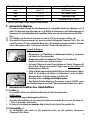
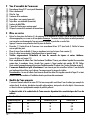
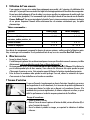
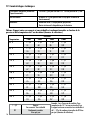
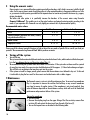
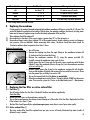
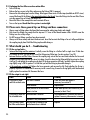
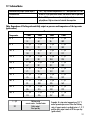
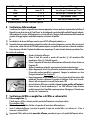
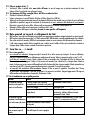
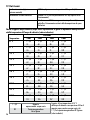
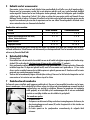
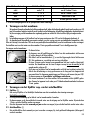
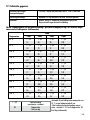
5 Using the osmosis water Osmosis water is very pure and therefore contains practically no hardness at all, which is necessary to buffer the pH value. For this reason osmosis water should always be set to the required hardness in the aquarium before use. To do so, you can mix it with tap water, provided that the tap water does not contain any harmful substances (e.g. copper, nitrate, phosphate). The better and safer option is to specifically increase the hardness of the osmosis water using Dennerle Osmosis ReMineral+. This enables you to set the water hardness and mineral content precisely according to the needs of your aquarium fish. Dennerle uses only highly pure mineral salts of pharmaceutical quality. Recommended water values: Fish Total hardness Carbonate hardness Discus 3 - 5 °d 1 - 3 °d Tropical community aquarium with neons, scalares, 4 - 7 °d 2 - 4 °d long-whiskered catfish, etc. Malawi Cichlids 3 - 6 °d 5 - 8 °d Tanganyika Cichlids 8 - 12 °d 16 - 18 °d Please consult the relevant specialist literature to find out about the care needs of specific fish or consult your local pet specialist. We recommend using Dennerle Reef Salt to produce sea water. 6 Turning off the system • • • Turn off the tap. The system can also be automatically deactivated using a standard solenoid valve, which can be installed subsequently in the hose between the tap and the active carbon filter . We recommend using the system at least once a week for 30 minutes. If the system has not been used for a period of more than two weeks, the osmosis water should be drained off for approx. 1/4 hour before being used again. This will flush out any bacteria that may have got into the system. If the system not used for longer periods, please ensure that the membrane is not allowed to dry out. To this end it is advisable to plug the hose ends for the osmosis and residual water with a rubber stopper. 7Maintenance B C 18 The Dennerle osmosis system is virtually maintenance-free. To ensure a long membrane life, it is important to remove the residues that build up on any osmosis membrane over time by means of regular rinsing. If the membrane is not rinsed regularly, lime scale will become deposited on the membrane surface, which will result in diminished performance and premature failure of the system. Rinsing the membrane: • Turn off the tap. • Unscrew the coupling ring from the upper fitting of the flow restrictor, remove flow restrictor (B) and extract the hose insert from the end of the hose (C). • Turn on the tap and rinse as described in the following table: