1
I
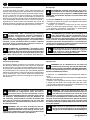
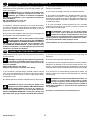
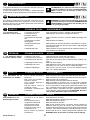
MARCATURA E INFORMAZIONI GENERALI
Gli smorzatori EQUAFLUX in accordo alla direttiva 94/9/CEE
riportano la seguente marcatura identificativa:
c: apparecchiatura in modalità di protezione di tipo costruttivo
(EN 13463-5).
II 2/2 GD c IIB T135°C
IIB: ad esclusione dei seguenti prodotti:idrogeno, acetilene,
solfuro di carbonio.
T135°C:classe di temperatura ammessa. L’utilizzatore deve
processare fluidi in temperatura conformemente a tale classificazione tenendo in considerazione le indicazioni del presente
manuale e le disposizioni normative vigenti. L’utilizzatore deve
inoltre tenere in considerazione le temperature di innesco dei
gas, vapori o nebbie nonchè nubi di polveri combustibili nell’aria
presenti nella zona di impiego.
: simbolo di sicurezza in accordo con la DIN 40012
appendice A.
II 2/2 GD: apparecchiatura di superficie ad impiego in zone con
presenza di gas, vapori o nebbie nonchè nubi di polveri combustibili nell’aria che si presentino occasionalmente durante il
funzionamento normale (EN 1127-1 par. 6.3), sia nella zona
esterna che nella zona interna (ZONA 1).
Il fascicolo tecnico è depositato presso il TÜV NORD CERT
di Hannover.
Gli amorzatori EQUAFLUX in accordo alla direttiva 94/9/CEE
riportano la seguente marcatura identificativa:
c: apparecchiatura in modalità di protezione di tipo costruttivo
(EN 13463-5).
II 3/3 GD c IIB T135°C
IIB: ad esclusione dei seguenti prodotti: idrogeno, acetilene,
solfuro di carbonio.
T135°C: classe di temperatura ammessa. L’utilizzatore deve processare fluidi in temperatura conformemente a tale classificazione
tenendo in considerazione le indicazioni del presente manuale e
le disposizioni normative vigenti. L’utilizzatore deve inoltre tenere
in considerazione le temperaturedi innesco dei gas, vapori o
nebbie nonchè nubi di polveri combustibili nell’aria presenti nella
zona di impiego.
: simbolo di sicurezza in accordo con la DIN 40012 appendice A.
II 3/3GD: apparecchiatura di superficie ad impiego in zone in cui
è improbabile, o rara e per brevi periodi, la presenza di
gas, vapori o nebbie nonchè nubi di polveri combustibili
nell’aria durante il funzionamento sia nella zona
esterna che nella zona interna (ZONA 2).
Il fascicolo tecnico è depositato presso il TÜV NORD CERT di
Hannover.
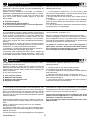
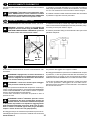
gb MARKINGS AND GENERAL INFORMATION
c: protection by constructional safety (EN 13463-5).
In compliance with the 94/9/CEE standards, the EQUAFLUX
pulsation dampeners carry the following identification marks:
IIB: Excluding the following products hydrogen, acetylene,
carbon disulphide.
II 2/2 GD c IIB T135°C
T135°C: Class of admitted temperatures. The processed fluid
temperature value must fall within such class range and the
user must comply with the instructions contained in the manual
and with the current laws. Furthermore, the user must take
into account the ignition point of the gases, vapors and mists
in addition to clouds of combustible powder in the air existing
in the area of use.
: safety symbol to Din 40012 attachment A.
II 2/2GD: surface equipment for use in areas with the presence
of gases, vapors or mists in addition to clouds of combustible
dust in the air that occur occasionally during normal operation (EN 1127-1 par. 6.3), both in external and internal areas
(ZONE 1).
The technical sheet is deposited with TÜV NORD CERT
Hanover.
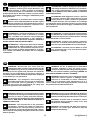
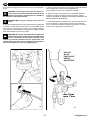
c: protection by constructional safety (EN 13463-5).
In compliance with the 94/9/CEE standards, the EQUAFLUX
pulsation dampeners carry the following identification marks:
IIB: Excluding the following products: hydrogen, acetylene,
carbon disulphide.
II 3/3 GD c IIB T135°C
T135°C: Class of admitted temperatures. The processed fluid
temperature value must fall within such class range and the
user must comply with the instructions contained in the manual
and with the current laws. Furthermore, the user must take
into account the ignition point of the gases, vapors and mists
in addition to clouds of combustible powder in the air existing
in the area of use.
: safety symbol to Din 40012 attachment A.
II 3/3GD: surface equipment used in areas where the presence
of gas, vapors or mists in addition to clouds of combustible
powder in the air is unlikely during normal operation both in
external and internal areas and, if it does occur, it will only
persist for a short period (ZONE 2).
www.debem.it
The technical sheet is deposited with TÜV NORD CERT
Hanover.
6