1
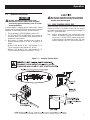
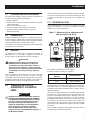
Safety Rules After this heading, read instructions that, if not strictly complied with, could result in serious personal injury, including death. After this heading, read instructions that, if not strictly complied with, might result in minor or moderate injury. NOTE: After this heading, read instructions that, if not strictly complied with, may result in damage to equipment and/or property. These safety warnings cannot eliminate the hazards that they indicate. Common sense and strict compliance with the special instructions while performing the service are essential to preventing accidents. Four commonly used safety symbols accompany the DANGER, WARNING and CAUTION blocks. The type of information each indicates follows: symbol points out important safety information that, if not followed, could This endanger personal safety and/or property. hazard. This symbol points out potential fire hazard. This symbol points out potential electrical shock hazard. This symbol points out potential explosion GENERAL HAZARDS • Any AC generator that is used for backup power if a NORMAL (UTILITY) power source failure occurs, must be isolated from the NORMAL (UTILITY) power source by means of an approved transfer switch. Failure to properly isolate the NORMAL and STANDBY power sources from each other may result in injury or death to electric utility workers, due to backfeed of electrical energy. • Improper or unauthorized installation, operation, service or repair of the equipment is extremely dangerous and may result in death, serious personal injury, or damage to equipment and/ or personal property. • Extremely high and dangerous power voltages are present inside an installed transfer switch. Any contact with high voltage terminals, contacts or wires will result in extremely hazardous, and possibly LETHAL, electric shock. DO NOT WORK ON THE TRANSFER SWITCH UNTIL ALL POWER VOLTAGE SUPPLIES TO THE SWITCH HAVE BEEN POSITIVELY TURNED OFF. • Competent, qualified personnel should install, operate and service this equipment. Adhere strictly to local, state and national electrical and building codes. When using this equipment, comply with regulations the National Electrical Code (NEC), CSA Standard; C22.1 Canadian Electric Code and Occupational Safety and Health Administration (OSHA) have established. • Never handle any kind of electrical device while standing in water, while barefoot, or while hands or feet are wet. DANGEROUS ELECTRICAL SHOCK MAY RESULT. • Remove all jewelry (such as rings, watches, bracelets, etc.) before working on this equipment. • If work must be done on this equipment while standing on metal or concrete, place insulative mats over a dry wood platform. Work on this equipment only while standing on such insulative mats. • Never work on this equipment while physically or mentally fatigued. • Keep the transfer switch enclosure door closed and bolted at all times. Only qualified personnel should be permitted access to the switch interior. • In case of an accident caused by electric shock, immediately shut down the source of electrical power. If this is not possible, attempt to free the victim from the live conductor but AVOID DIRECT CONTACT WITH THE VICTIM. Use a nonconducting implement, such as a dry rope or board, to free the victim from the live conductor. If the victim is unconscious, apply first aid and get immediate medical help. • When an automatic transfer switch is installed for a standby generator set, the generator engine may crank and start at any time without warning. To avoid possible injury that might be caused by such sudden start-ups, the system’s automatic start circuit must be disabled before working on or around the generator or transfer switch. Then place a “DO NOT OPERATE” tag on the transfer switch and on the generator. Remove the Negative (Neg) or (–) battery cable. For authorized service, reference the dealer locator number found inside the generator owner’s manual. 1