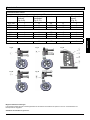
1
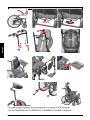
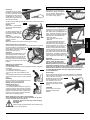
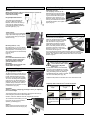
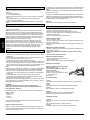
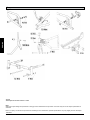
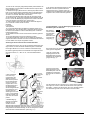
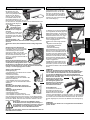
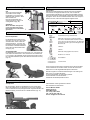
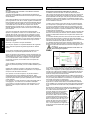
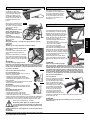
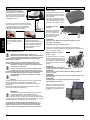
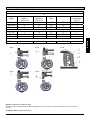
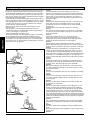
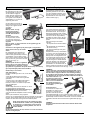
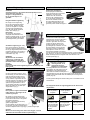
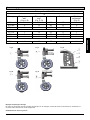
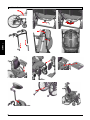
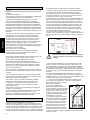
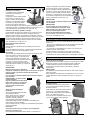
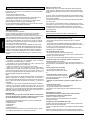
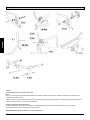
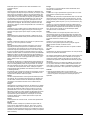
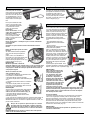
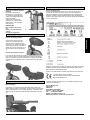
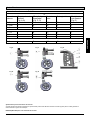
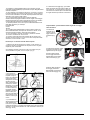
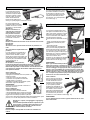
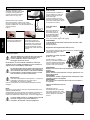
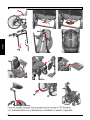
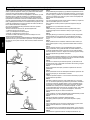
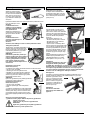
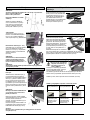
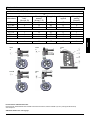
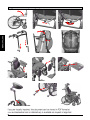
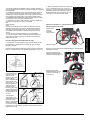
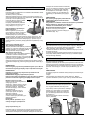
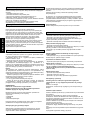
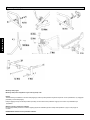
4. The tie down symbol (Fig F) on the
wheelchair frame indicates the position of
the wheelchair restraint straps. The straps
are then tensioned after the front straps have
been fitted to secure the wheelchair.
Fig. F
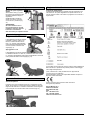
Transportability – positioning of wheelchair tie down restraints
on wheelchair
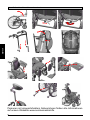
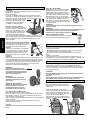
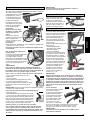
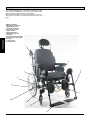
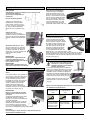
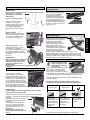
The wheelchair
secured with
front and rear
wheelchair tie
down restraints
(Fig. G).
Fig. G
ENGLISH
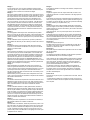
10. A head restraint suitable for transportation (see label on
headrest) must be fitted and suitably positioned at all times during
transportation.
11. Postural supports (lap straps, lap belts) should not be used or
relied on for occupant restraint in a moving vehicle unless they are
labelled as meeting the requirements specified in ISO 7176-19:2001
or SAE J2249.
12. The safety of the user during transportation depends upon the
diligence of the person securing the tie-down restraints and they
should have received appropriate instructions and/or training in their
use.
13. Wherever possible remove and stow safely away from the
wheelchair all auxiliary equipment, for example:
Crutches
Loose cushions
Tray Tables
14. Articulating/elevating leg rest should not be used in the elevated
position when the wheelchair and user are being transported and
the wheelchair is restrained using Wheelchair Transport and Occupant Restraints.
15. Reclining backrests should be returned to an upright position.
16. The manual brakes must be firmly applied.
17. Restraints should be mounted to the vehicle “B” pillar and should
not be held away from the body by wheelchair components such as
armrest or wheels.
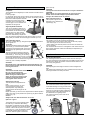
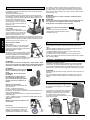
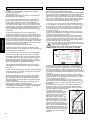
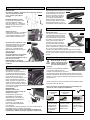
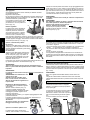
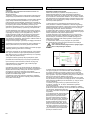
Occupant Retraints Instruction
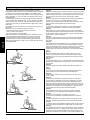
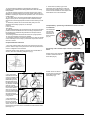
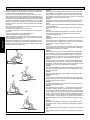
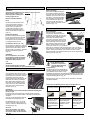
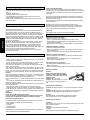
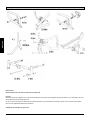
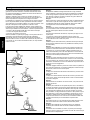
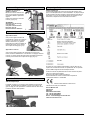
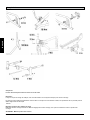
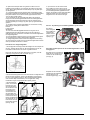
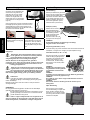
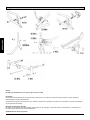
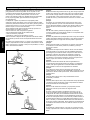
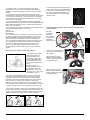
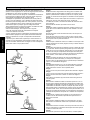
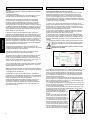
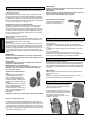
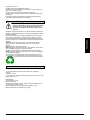
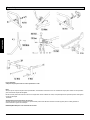
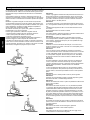
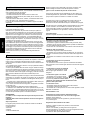
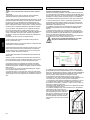
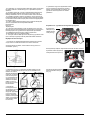
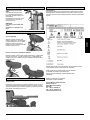
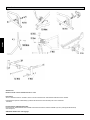
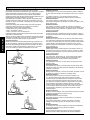
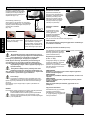
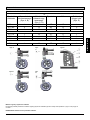
1. The pelvic restraint belt must be worn low across the front of the
pelvis so that the angle of the pelvic belt is within the preferred zone
of 30 to 75 degrees to the horizontal.
A steeper (greater) angle within the preferred zone is desirable i.e.
closer to, but never exceeding 75degrees. (Fig c)
Fig. C
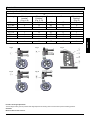
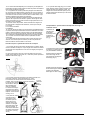
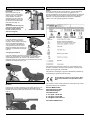
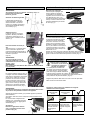
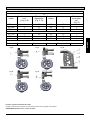
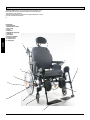
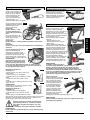
Positioning of the restraint straps is shown in more detail
below:
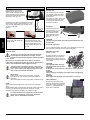
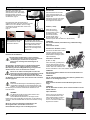
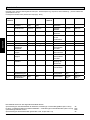
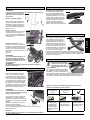
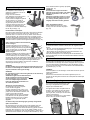
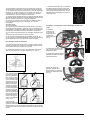
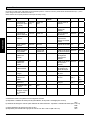
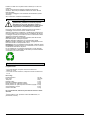
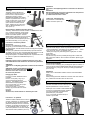
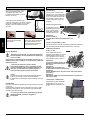
Position of the front wheelchair
tie down restraint and the tie
down label (Fig H).
Fig. H
Fig. B
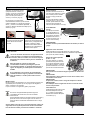
Fig. D
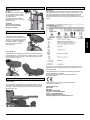
2. The upper torso
restraint belt must fit
over the shoulder and
across the chest as
illustrated Fig d and
Restraint belts must
be adjusted as tightly
as possible consistent
with user comfort.
Restraint belt webbing
must not be twisted
when in use.The up- Fig. E
per torso restraint belt
must fit over the shoulder and across the
shoulder as illustrated
in Fig d and e.
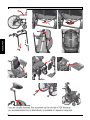
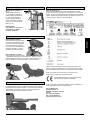
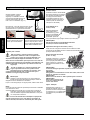
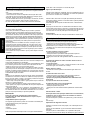
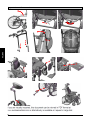
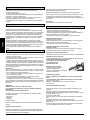
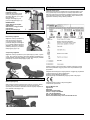
Incorrect
placement
of the
headrest
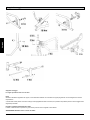
Position of the rear wheelchair tie down restraint and
the tie down label on the
wheelchair (Fig.I).
Fig. I
Correct
placement
of the
headrest
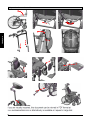
3. The attachment
points to the chair are
the inner front side
frame just above the
castor, and the rear side frame. The straps are fitted around the side
frames at the intersection of the horizontal and vertical frame tubes.
(See Figs G - I)
7