1
Parcus MiTi Suture Anchor
Product Information Sheet and Directions for Use:
1.
Indications:
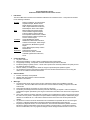
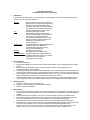
The Parcus MiTi Suture Anchors are indicated for attachment of soft tissue to bone. This product is intended
for the following indications:
Shoulder
Knee
Foot/Ankle
Elbow
Hand/Wrist
Rotator Cuff Repair, Acromioclavicular
Separation Repair, Bankart Lesion
Repair, Biceps Tenodesis, Capsular
Shift or Capsulolabral Reconstruction,
Deltoid Repair, SLAP Lesion Repair.
Medial Collateral Ligament Repair,
Lateral Collateral Ligament Repair,
Posterior Oblique Ligament Repair,
Extra Capsular Reconstruction, Iliotibial
Band Tenodesis, Patellar Ligament and
Tendon Avulsion Repair.
Lateral Stabilization, Medial
Stabilization, Midfoot Reconstruction,
Achilles Tendon Repair, Hallux Valgus
Reconstruction, Metatarsal Ligament
Repair.
Tennis Elbow Repair, Biceps Tendon
Reattachment.
Scapholunate Ligament
Reconstruction, Ulnar or Radial
Collateral Ligament Reconstruction,
TFCC.
2.
Contraindications:
A. Any active infection.
B. Blood supply limitations or other systemic conditions that may retard healing.
C. Foreign body sensitivity, if suspected, should be identified and precautions observed.
D. Insufficient quality or quantity of bone. Suture anchor performance is directly related to the quality of bone
into which the anchor is placed.
E. Patient’s inability or unwillingness to follow the surgeon’s prescribed post-operative regimen.
F. Any situation that would compromise the ability of the user to follow the directions for use or using the
device for an indication other than those listed.
3.
Adverse Effects:
A. Infection, both deep and superficial.
B. Allergies and other reactions to device materials.
C. Risks due to anesthesia.
4.
Warnings:
A. The Parcus MiTi Suture Anchors have not been evaluated for safety and compatibility in the MR
environment. The Parcus MiTi Suture Anchors have not been tested for heating or migration in the MR
environment.
B. This product should only be used by or on the order of a physician.
C. The fixation provided by this device should be protected until healing is complete. Failure to follow the
postoperative regimen prescribed by the surgeon could result in the failure of the device and compromised
results.
D. Anchor size selection should be made with care taking into consideration the quality of the bone into which
the anchor is to be placed. Osteopenic bone poses fixation challenges which may be addressed by larger
diameter V-LoX PEEK CF or V-LoX Titanium Suture Anchors as the size of the anchor placement site
dictates.
E. Any decision to remove the device should take into consideration the potential risk of a second surgical
procedure. Adequate postoperative management should be followed after implant removal.
F. Polyethylene polyblend sutures, as used in this device, elicit a minimal inflammatory reaction in tissues,
followed by gradual encapsulation of the suture by fibrous connective tissue. Polyethylene polyblend
suture is not absorbed, nor is any significant change in tensile strength retention known to occur in vivo.