1
EN
DE
FR
During the binding process, the smart fail-safe (SmartSafe™) positions of your system are also set. With SmartSafe, in case
of loss of signal, the throttle will go to the preset position that was stored during the binding process and all other channels
will hold their last position. And if the 2-in-1 control unit and receiver are powered on before the transmitter, all channels but
throttle will go to the fail-safe positions that were stored during the binding process, while the throttle channel will not
generate a pulse in order to prevent the ESCs from arming.
Before each flying session, and especially with a new model/receiver, you should perform a range check. To perform a
range check, the transmitter must be in the range check/reduced power output mode.
Note: Because the SmartSafe positions are set during the binding process, it is important to set all channels to the
preferred fail-safe positions before proceeding. In the case of the Blade SR, we strongly recommend setting the
throttle stick and throttle trim to their lowest positions, and the rudder, aileron and elevator sticks and trims to
their neutral positions. Channel 5 should be set to your preferred position if you have chosen to use it.
The following steps outline the binding process:
Note: F or added safety, disconnect both the main and tail motors from the 2-in-1 control unit before proceeding. Once
the binding process is complete and the flight battery is unplugged from the 2-in-1 unit, reconnect the main and
tail motor to the 2-in-1 unit.
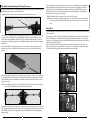
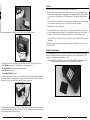
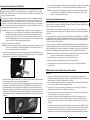
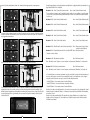
•In order to bind the Spektrum AR6100e receiver to the transmitter, you must first connect the included bind plug to the
battery (BATT) channel pins on the receiver. Then you will need to power on the 2-in-1 unit and receiver by connecting the
flight battery to the 2-in-1 BEFORE powering the transmitter on.
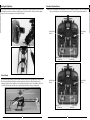
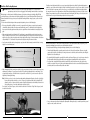
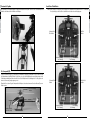
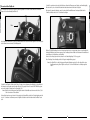
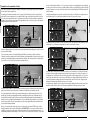
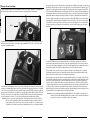
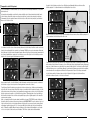
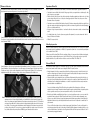
You can enter the range check mode by having the transmitter powered on, then pulling the trainer (TRAINER) switch toward
the front of the transmitter. Then, while holding the trainer switch forward, you will need to cycle the dual rate
(D RATE) switch from the high position (HI) to the low position (LO) two times (for a total of four dual rate switch
position changes).
After cycling the dual rate switch properly while holding the trainer switch, the transmitter should begin to beep. The
transmitter is now in range check mode, and will continue to beep and remain in this mode until the trainer switch is
released. However, before releasing the trainer switch, it will be necessary to confirm proper range by completing the
following steps.
Note: It is helpful to perform the range check with the help of another person that can confirm proper control response
of the model while it is positioned away from you.
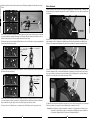
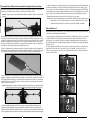
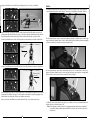
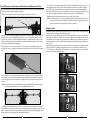
•With the model resting on the ground, stand 30 paces (approximately 90 feet) away from the model.
•Face the model with the transmitter in your normal flying position.
•You should have total control of the model with the trainer switch pulled at 30 paces (90 feet).
2010 Official Academy of Model Aeronautics Safety Code
GENERAL
1. A
model aircraft shall be defined as a non-human carrying device capable of sustained flight in the atmosphere. It shall
not exceed limitations established in this code and is intended to be used exclusively for recreational or competition
activity.
2. T
he maximum takeoff weight of a model aircraft, including fuel, is 55 pounds, except for those flown under the AMA
Experimental Aircraft Rules.
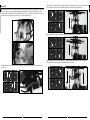
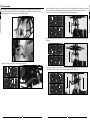
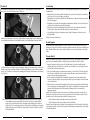
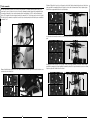
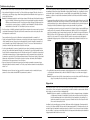
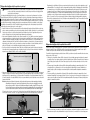
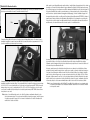
• When you connect the flight battery to the 2-in-1 unit with the bind plug connected to the battery channel pins on the
receiver, you will see an orange LED blink rapidly on the receiver itself.
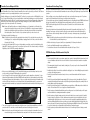
• Once the orange LED on the receiver begins to blink, it will be time to power the transmitter on in bind mode. To enter
bind mode with the transmitter, pull the trainer (TRAINER) switch toward the front of the transmitter, then, while holding
the trainer switch forward, power the transmitter on. You’ve successfully entered bind mode when the transmitter beeps
and the red LED located under the door on the bottom left front of the transmitter blinks rapidly. You can release the
trainer switch after the transmitter stops beeping and the transmitter will remain in bind mode until the binding process is
complete.
3. I will abide by this Safety Code and all rules established for the flying site I use. I will not willfully fly my model aircraft in
a reckless and/or dangerous manner.
4. I will not fly my model aircraft in sanctioned events, air shows, or model demonstrations until it has been proven
airworthy.
5. I will not fly my model aircraft higher than approximately 400 feet above ground level, when within three (3) miles of
an airport without notifying the airport operator. I will yield the right-of-way and avoid flying in the proximity of full-scale
aircraft, utilizing a spotter when appropriate.
6. I will not fly my model aircraft unless it is identified with my name and address, or AMA number, inside or affixed to the
outside of the model aircraft. This does not apply to model aircraft flown indoors.
7. I will not operate model aircraft with metal-blade propellers or with gaseous boosts (other than air), nor will I operate
model aircraft with fuels containing tetranitromethane or hydrazine.
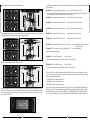
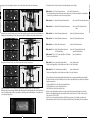
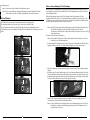
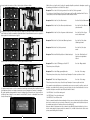
• Then, once the orange LED on the receiver glows solidly, the receiver is bound to the transmitter.Now you will need to
power down the 2-in-1 control unit, receiver and transmitter, and remove the bind plug from the receiver.
Note: Y
ou will need to remove the bind plug from the receiver once it has been bound to the transmitter. If you do not
remove the bind plug, the receiver will enter bind mode every time the 2-in-1 unit and receiver are powered on.
36
8. I will not operate model aircraft carrying pyrotechnic devices which explode, burn, or propel a projectile of any kind.
Exceptions include Free Flight fuses or devices that burn producing smoke and are securely attached to the model
aircraft during flight. Rocket motors up to a G-series size may be used, provided they remain firmly attached to the
model aircraft during flight. Model rockets may be flown in accordance with the National Model Rocketry Safety Code;
however, they may not be launched from model aircraft. Officially designated AMAAir Show Teams (AST) are authorized
to use devices and practices as defined within the Air Show Advisory Committee Document.
9. I will not operate my model aircraft while under the influence of alcohol or within eight (8) hours of having consumed
alcohol.
37
IT
IT
Because the HP6DSM transmitter features Spektrum 2.4GHz DSM full range technology, it also features a range test mode
that allows you to check and ensure that the transmitter and receiver are offering the required range for proper and reliable
operation.
FR
Binding is the process of programming the receiver to recognize the GUID (Globally Unique Identifier) code of a single
specific transmitter. If you ever have to replace the transmitter or the receiver for your model, you will need to “bind” the new
transmitter or receiver to your existing transmitter or receiver for proper operation.
DE
Transmitter and Receiver Range Testing
EN
Transmitter, Receiver Binding and Fail-Safe