1
T5CL8
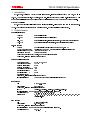
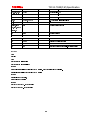
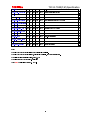
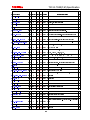
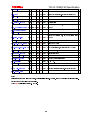
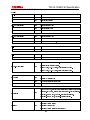
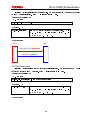
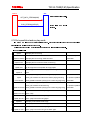
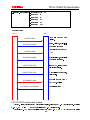
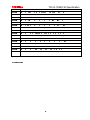
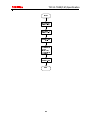
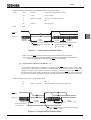
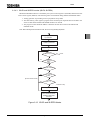
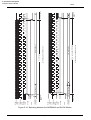
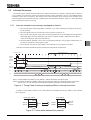
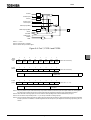
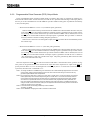
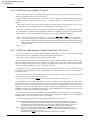
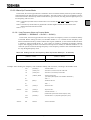
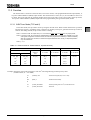
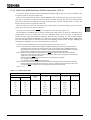
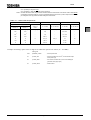
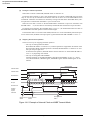
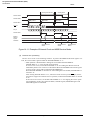
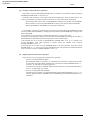
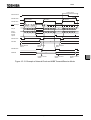
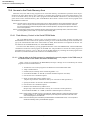
Example 2 :Starting STOP mode from NORMAL mode with an INT5 interrupt.
PINT5:
TEST
(P2PRD). 0
; To reject noise, STOP mode does not start if
JRS
F, SINT5
LD
(SYSCR1), 01010000B
port P20 is at high
; Sets up the level-sensitive release mode.
; IMF ← 0
DI
SET
SINT5:
(SYSCR1). 7
; Starts STOP mode
RETI
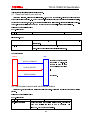
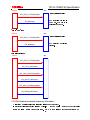
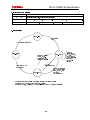
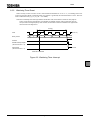
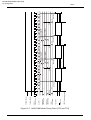
VIH
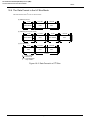
STOP pin
XOUT pin
NORMAL
operation
STOP
operation
Warm up
Confirm by program that the
STOP pin input is low and start
STOP mode.
NORMAL
operation
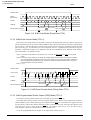
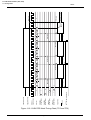
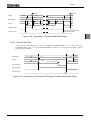
STOP mode is released by the hardware.
Always released if the STOP
pin input is high.
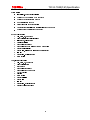
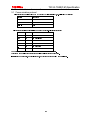
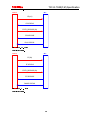
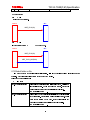
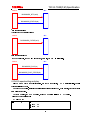
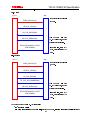
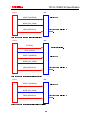
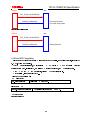
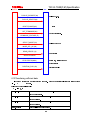
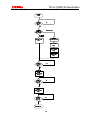
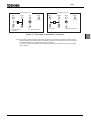
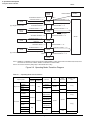
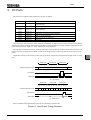
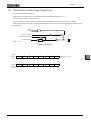
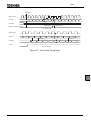
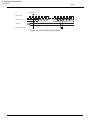
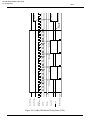
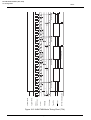
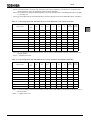
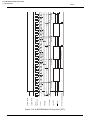
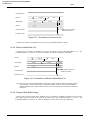
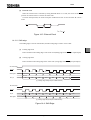
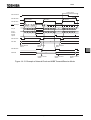
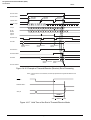
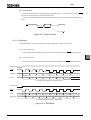
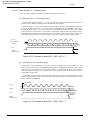
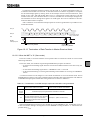
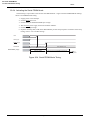
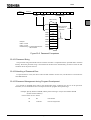
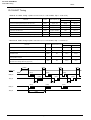
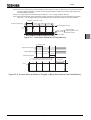
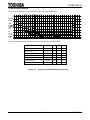
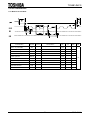
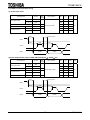
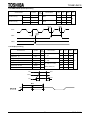
Figure 2-7 Level-sensitive Release Mode
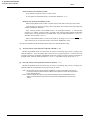
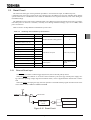
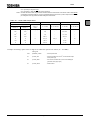
Note 1: Even if the STOP pin input is low after warm-up start, the STOP mode is not restarted.
Note 2: In this case of changing to the level-sensitive mode from the edge-sensitive mode, the release
mode is not switched until a rising edge of the STOP pin input is detected.
(2)
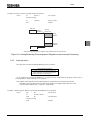
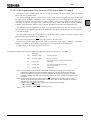
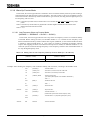
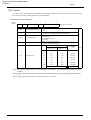
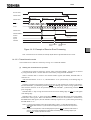
Edge-sensitive release mode (RELM = “0”)
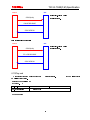
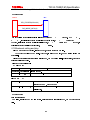
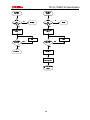
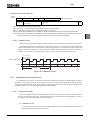
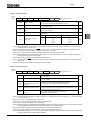
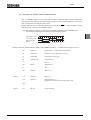
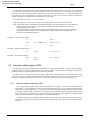
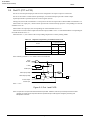
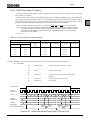
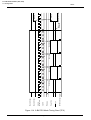
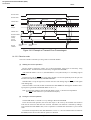
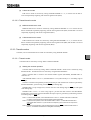
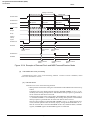
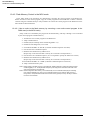
In this mode, STOP mode is released by a rising edge of the STOP pin input. This is used in applications where a relatively short program is executed repeatedly at periodic intervals. This periodic
signal (for example, a clock from a low-power consumption oscillator) is input to the STOP pin. In
the edge-sensitive release mode, STOP mode is started even when the STOP pin input is high level.
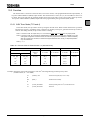
Do not use any STOP3 to STOP0 pin input for releasing STOP mode in edge-sensitive release mode.
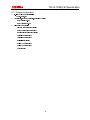
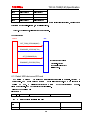
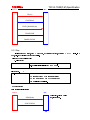
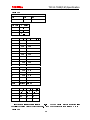
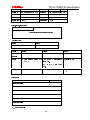
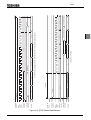
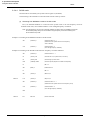
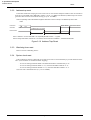
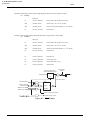
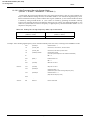
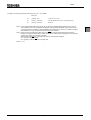
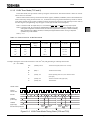
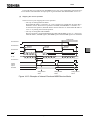
Example :Starting STOP mode from NORMAL mode
; IMF ← 0
DI
LD
(SYSCR1), 10010000B
; Starts after specified to the edge-sensitive release mode
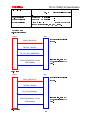
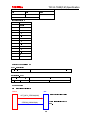
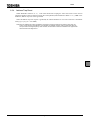
VIH
STOP pin
XOUT pin
NORMAL
operation
STOP
operation
Warm up
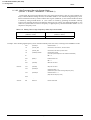
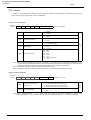
STOP mode started
by the program.
NORMAL
operation
STOP
operation
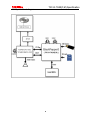
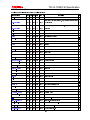
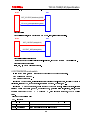
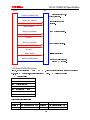
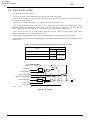
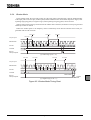
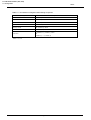
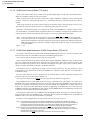
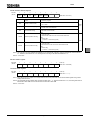
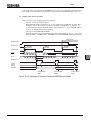
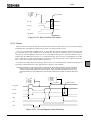
STOP mode is released by the hardware at the rising
edge of STOP pin input.
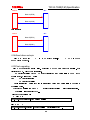
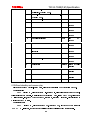
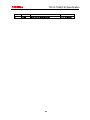
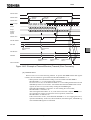
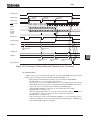
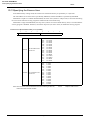
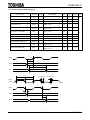
Figure 2-8 Edge-sensitive Release Mode
Page 19