1
9.7
EEV Superheat Control
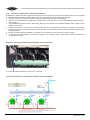
It is imperative that stable superheat is maintained at all times during the condensing process, there are several other
system related processes that influence the ability to maintain stable superheat namely:
•
•
•
•
Compressor Cycling
De-superheater control
Defrost loads
Suction Superheater Control
The above will be explored in greater detail in other sections of this document and this section will concentrate on the
actual EEV and the effects of unstable superheat control.
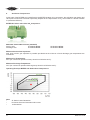
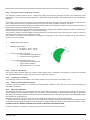
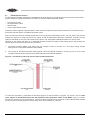
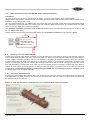
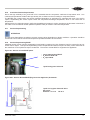
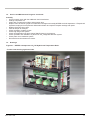
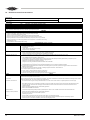
Figure 9 shows the effect of unstable superheat on the CO2/R134a condensing process. The CO2 side of the process
remains the same as in Figure 8 where CO2 vapour is first de-superheated and then condensed, as before the top
portion of the BPHE on the CO2 side contains only vapour. The actual plate material temperature is around 59°C.
However on the R134a side there is no superheat present and there is liquid R134a present all the way through the
channel plate on the R134a side, this has two affects
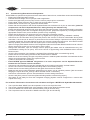
1.
The BPHE material rapidly cools down from an average of 59°C to around -2°C, this rapid cooling creates
tearing forces on the BPHE stainless steel material.
2.
The cooling of the BPHE stainless steel material causes the BPHE material to contract (by up to 1mm), when
the EEV restores positive superheat the BPHE stainless steel material expands.
Figure 9 - CO2/R134a Condensing Process with Unstable Superheat
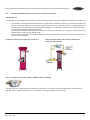
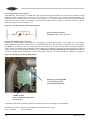
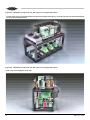
A continuous fluctuation in superheat as described (Figure 9) and the effects of (Figure 10) points 1 and 2 create
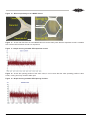
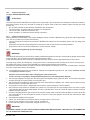
cyclic fatigue on the BPHE material and will ultimately cause premature failure of the BPHE. (Figure 11) shows
microscopic analysis from an actual failure, continuous linear expansion and contraction of the stainless steel material
produces cracks on brazing joints in the proximity of the R134a outlet/CO2 inlet port
24
BAO-104-1 AUS