1
156
8.2 ASCII Output Related to the Use of Observations
8.2
ASCII Output Related to the Use of Observations
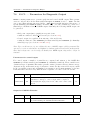
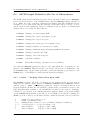
The ASCII output described in this section is produced only if the compile option ’-DNUDGING’
is used for the production of the COSMO binary, and the NAMELIST variable ’luseobs’ is
set to .TRUE.. For some of the files, additional prerequisites exist. The ASCII files provide
a helpful tool for a quick monitoring and diagnosis of the tasks related to the use of observations, such as data assimilation, input for verification, and production of 2-dimensional
analyses based on observations. These files are:
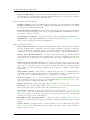
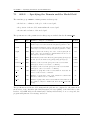
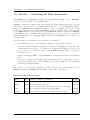
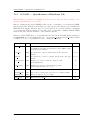
• YUAOFEX : Nudging, observation input AOF
• YUOBSDR : Nudging, list of active and passive reports
• YUREJCT : Nudging, list of rejected reports
• YUQUCTL : Nudging, list of data rejected by quality control
• YUSTATS : Nudging, statistics on observation processing
• YUCAUTN : Nudging, warning messages indicating insufficient array sizes
• YUVERIF : Nudging, verification file VOF
• YUPRINT : Nudging, other, various aspects
• YUSURF : 2-D surface analyses
• YULHN
: Latent Heat Nudging (description not yet available)
Note that the NAMELIST-parameters related to the tasks which use observations are also
written to file YUSPECIF. This has already been described in Section 8.1. Furthermore, the
file YUTIMING is also extended with parts that consider the nudging (or production of the
YUVERIF and / or NetCDF feedobs files) and the latent heat nudging.
8.2.1
YUAOFEX — Nudging: Observation Input AOF
File YUAOFEX is written only if the observations for the nudging scheme are read from an
’AOF’ file (see variable ’itype obfile’ in NAMELIST ’NUDGING’) and if NAMELIST variable
’lpraof’ is set to ’.TRUE.’ . YUAOFEX then prints the complete observations that are read
from the AOF file. In this case, the AOF file contains all the observations (except for the
GPS data) that made available to the COSMO Model either for the purpose of nudging,
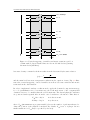
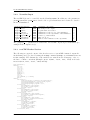
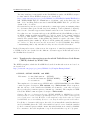
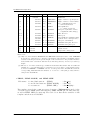
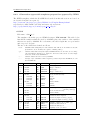
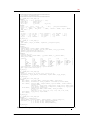
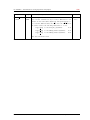
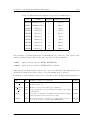
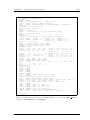
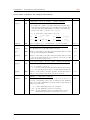
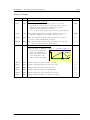
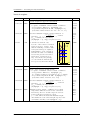
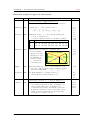
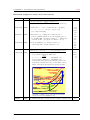
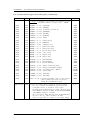
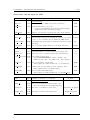
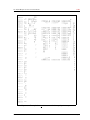
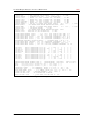
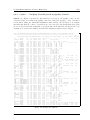
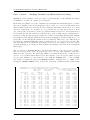
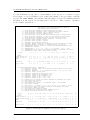
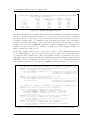
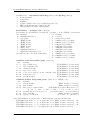
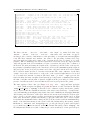
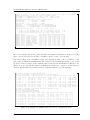
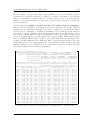
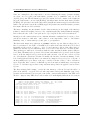
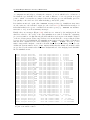
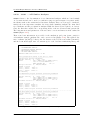
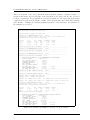
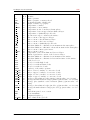
verification, or production of two-dimensional surface analyses. Figure 8.5 shows an example
of a file YUAOFEX which includes an aircraft report, a SYNOP report, and the beginning of a
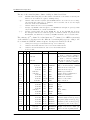
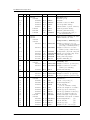
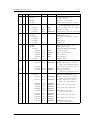
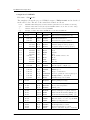
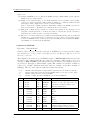
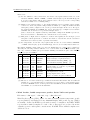
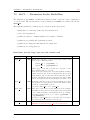
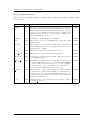
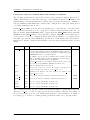
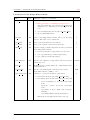
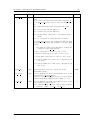
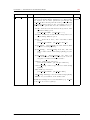
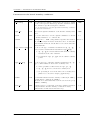
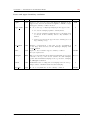
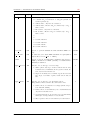
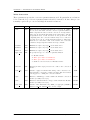
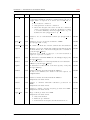
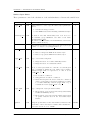
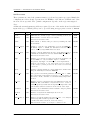
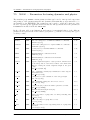
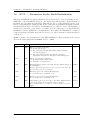
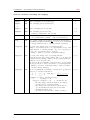
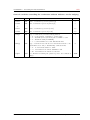
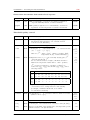
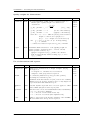
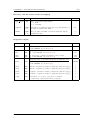
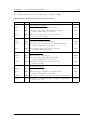
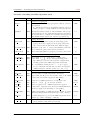
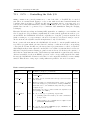
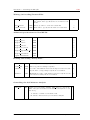
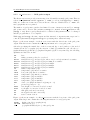
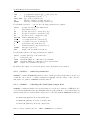
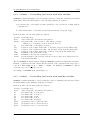
TEMP report. For each report, the first four lines contain the 19 items of the report header:
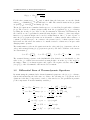
1
2
3-5
6/7
8
9
length of record for whole report
length of preliminary array
missing (length of next record; record number; analysis box number)
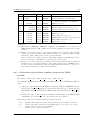
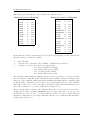
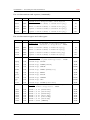
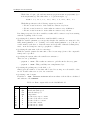
observation type / code type (see Figure 8.12)
station latitude,
in [degree * 100 + 9000]
station longitude,
in [degree * 100 + 18000]
Part VII – User’s Guide 4.28
Section 8: Model Output