1
P a g e | 16
MicroCheck User Guide 2011
Appendix 3 – Bulk Milk Mastitis ID guidance notes
qPCR bulk milk test result interpretation
This test is designed to detect the presence of 11 key mastitis pathogens
(responsible for >95% of cases) along with penicillin resistance in
Staphylococcus species.
Results are reported according to the level of bacteria detected in preserved
milk. Bacterial growth in transit does not occur but multiple pathogens can
be detected.
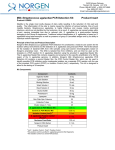
Result Interpretation – Mastitis Pathogens
Result
Low
Medium
High
Interpretation
NEG
Negative/not detected
POS
Positive in low numbers
POS
Positive in moderate numbers
POS
Positive in high numbers
Where >90% or >99% of the bacterial load is attributed to one pathogen, this will appear in the
report. Pathogens can be split roughly into two groups (though some can fit into both groups):
1) Contagious mastitis pathogens: Staphylococcus aureus, other Staphylococcal species,
Corynebacterium bovis, Streptococcus agalactiae & Streptococcus dysgalactiae.
Abbreviated hereafter as C.
Contagious organisms are well adapted to survival and growth in the mammary gland and frequently
cause infections lasting weeks, months or years. The infected gland is the main source of these
organisms in a dairy herd and transmission of contagious pathogens to uninfected quarters and cows
occurs mainly during milking time via cloths, gloves and teat liners.
2) Environmental mastitis pathogens: Streptococcus uberis, E.coli, Enterococcus species,
Serratia marcescens, Arcanobacterium pyogenes, and Klebsiella spp. Abbreviated hereafter
as E.
The primary source of environmental pathogens is the surroundings in which a cow lives. Sources of
environmental pathogens include manure, bedding, feedstuffs, dust, dirt, mud and water.
Please note that environmental pathogens in the bulk tank are less likely to have come from inside
the udders. Consider whether milking hygiene is satisfactory. S.uberis is the most likely exception
to this as cow-adapted strains can be contagious.
Presence of Streptococcus agalactiae should be looked at as a matter of priority.
Bulk results should not be used
as a treatment
Guidance
Notes guide - speak with your vet