1
Warning Notes
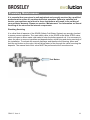
Over-Firing
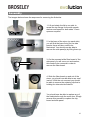
It is extremely important that you do NOT leave the air control in the fully open position for extended
periods or run the appliance with the door open. Leaving the air control fully open (or running with
the doors open) will lead to “over-firing”. Over-firing is caused when too much heat is generated
within the fire chamber, this will lead to warping, buckling and general damage to the stove and its
internal components. Over-firing can also be caused by an excessive flue draft.
PLEASE NOTE ANY DAMAGE TO THE APPLIANCE CAUSED THROUGH OVER-FIRING WILL
NOT BE COVERED BY THE WARRANTY.
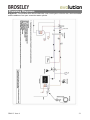
Fumes
Properly installed, operated and maintained, this appliance will not emit fumes into the dwelling.
Occasional fumes may occur whilst de-ashing and re-fuelling. However, persistent fume emission is
potentially dangerous and must not be tolerated. If fume emission does persist, the following
immediate actions should be taken:-
a.
b.
c.
d.
Open doors and windows to ventilate the room
Let the fire go out or eject and safely dispose of fuel from the appliance
Check for flue or chimney blockage and clean if required
Do not attempt to relight the fire until the cause of the fume emission has been
Identified and corrected. If necessary seek expert advice
Firebricks
Vermiculite is an industry recognised robust fireproof material which is used by many stove
manufacturers to produce internal firebox linings (firebricks). With care vermiculite firebricks will give
many years of faithful service.
It is important that care is taken whilst refueling your stove in order to protect the internal vermiculite
parts from premature failure.
Never throw or drop logs into your stove as this will potentially damage your firebricks and may also
result in logs bouncing out of the appliance (creating a possible fire risk). Open the door an inch
initially (allowing the fire to settle) then slowly open the door and gently place the log(s) onto the
grate. Always use the glove (provided) when refueling to avoid the common scenario of dropping
the logs in quick (because it’s hot).
Take care when clearing the ash and using the poker tool not to strike and potentially damage your
firebricks.
Always take care when removing the firebricks to avoid damaging them. It may be necessary to
remove the firebricks during general maintenance and chimney sweeping.
Impact damage is the most common cause of cracked vermiculite firebricks; however it is also
possible to crack the firebricks if you over‐fire your appliance.
GB0113 Issue 4
34