1
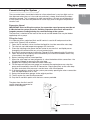
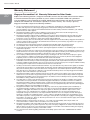
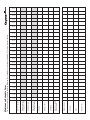
Varisol Installation Manual Disposal of Solar Anti-Freeze Solution 18 The solution we supply with our solar systems is a thermal transfer fluid based on 1,2 propylene glycol and water. The solution also contains corrosion inhibitors and has been specifically designed for used in solar systems with elevated temperatures, such as those experienced with Vacuum Tube Collectors. Propylene Glycol is a widely used ingredient in pharmaceutical, food, cosmetic, personal care, flavours and animal feed applications. Propylene glycol is not volatile, but is miscible with water. Propylene glycol is not harmful to aquatic organisms and is readily biodegradable; however the disposal of the solution should be done in a responsible manner taking into consideration local Environmental and Health & Safety legislation. 7 iÊÌ iÊÃÕÌÊÃÊÌÊÃÕLiVÌÊÌÊÀi}ÃÌÀ>ÌÊ>ÃÊ>Ê >â>À`ÕÃÊ>ÌiÀ>Ê>VVÀ`}ÊÌÊ Ê directives the solution should be disposed of by special means. There are a number of specialist companies that can deal with the disposal of propylene glycol. A list of these companies is available upon request. A copy of the EEC Safety Data sheet and Technical Information sheet is available upon request. We recommend that you contact your local authority to check that they will accept the solution at special landfill collection points. There are a number of specialist companies that can deal with the disposal of propylene glycol, a list is available on request: [email protected] Servicing and Maintenance Users should regularly check the temperatures which the solar control panel is recording. With the SC range of controllers, simply pressing the ‘SET’ button on the fascia once will display the upper and lower collector temperatures since the control panel was last reset. If the collector temperatures have been excessively high i.e. over 170˚C, it is likely that the fluid is degrading. It is recommended that the antifreeze level checked using a refractometer by a qualified engineer. A sample of the Tyfocor® LS antifreeze fluid can be extracted from the pump station at the pump itself. The large centre of the pump hub can be opened with a large flathead screwdriver. This should be opened slowly until a few drops of the antifreeze fluid are released. A sample of the fluid placed on the glass of the refractometer will display the level of antifreeze in the system. If the antifreeze has lost its antifreeze properties the system should be refilled with fresh Tyfocor® LS. It is recommended that the solar system is serviced annually by a qualified engineer and immediately if the system shows evidence of having lost pressure or has discharged liquid at the pressure relief valve. The Tyfocor® LS antifreeze fluid should always be replaced after 7 years. Maintenance schedule A qualified person should service the system at the recommended intervals, using the maintenance schedule. In addition the user should check the system pressure at regular intervals. A visual inspection of the pressure gauge is required to check that the system pressure is maintained. Please see page 21 for maintenance schedule form.