1
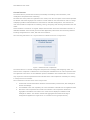
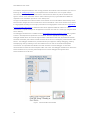
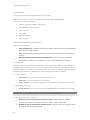
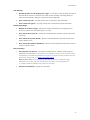
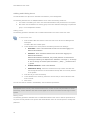
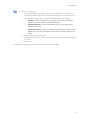
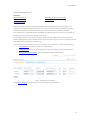
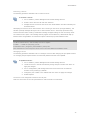
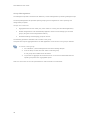
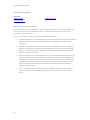
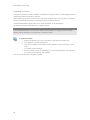
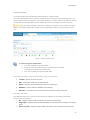
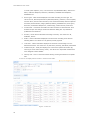
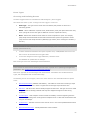
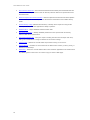
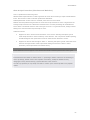
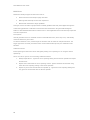
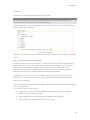
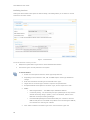
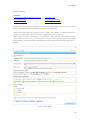
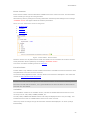
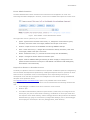
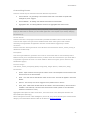
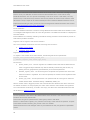
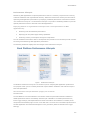
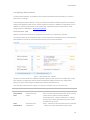
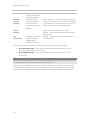
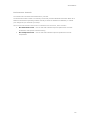
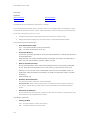
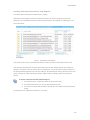
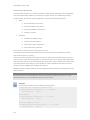
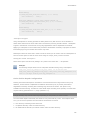
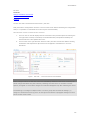
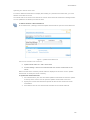
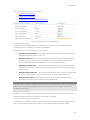
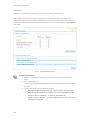
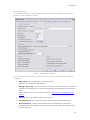
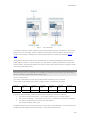
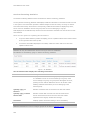
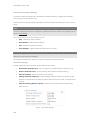
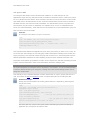
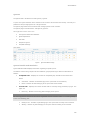
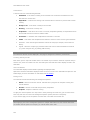
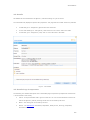
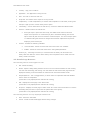
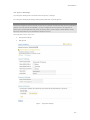
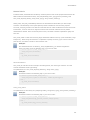
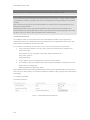
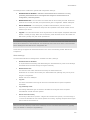
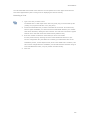
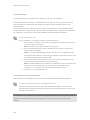
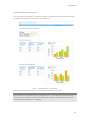
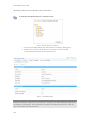
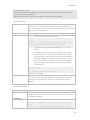
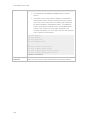
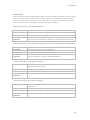
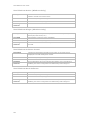
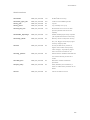
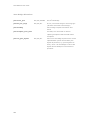
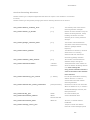
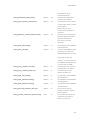
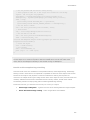
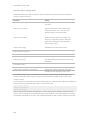
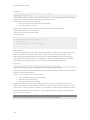
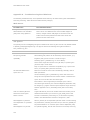
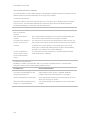
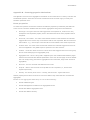
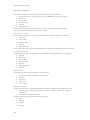
Zend Platform The content caching options are as follows: Dynamic Content Settings Default Caching Conditions Default Dynamic Caching Condition Parameters Figure: Dynamic Content Caching Settings Dynamic Content Settings The lifetime and conditions settings in the Settings tab are default values. These settings can be modified per file or per directory in the File View workspace. Dynamic Content Caching Settings are as follows: Dynamic Caching Enabled - On The Dynamic Content Caching is active and working. Off The Dynamic Content Caching is not in use. Maximum Cache Size -The maximum size allocated for cache. Occasionally and for short periods of time, this value may be exceeded but only until the next time that the Cache Cleaner deletes the files that expired. Set to "0" for an unlimited cache size. Minimum Free Disk space - The minimal reserved free disk space required. Reaching this value will end any further caching. The caching will resume as soon as the space is greater than this value. Maximum Cached File Size - The maximum allowed output cache file size. An output cache file that exceeds this value will not be cached. Set to "0" for an unlimited cache size. Default Cache Lifetime - The lifetime, in seconds, of cached data. The data will be regenerated if the cached version is older than the expiration time. Note: The Cache Cleaner is directly related to the directive zend_accelerator.cache_cleaner_freq that can be defined in the Configure PHP Settings screen. This directive defines when expired cache files are removed from the cache. Default Caching Conditions By default, Dynamic Content Caching, caches each request based on its full URL (ALLGET). You can condition the settings to be more general or more specific, as desired. To change default caching conditions: Go to Performance | Settings and go to the Dynamic Content Caching section of the settings screen. Select, "Change Default Conditions" to open the "Define Default Caching Conditions" dialog. 135