1
Integral XT
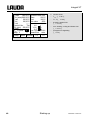
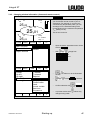
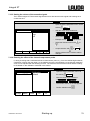
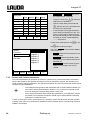
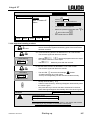
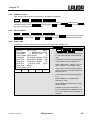
Draining residues XT 150, XT 250 W
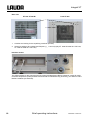
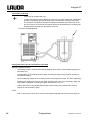
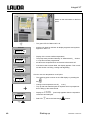
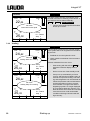
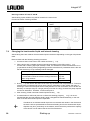
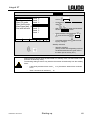
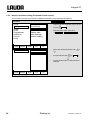
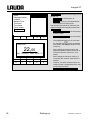
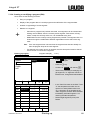
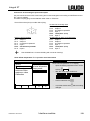
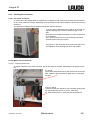
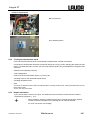
After draining, liquid residues may still be located in the return hose.
Proceed as follows: Draining residues
1.
7.8
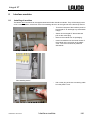
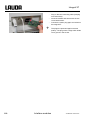
Remove the return hose from the load.
2. Empty the residue from the hose into a container.
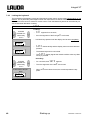
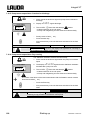
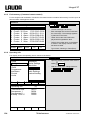
Changing the heat transfer liquid and internal cleaning
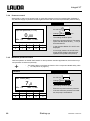
After draining there are residues of heat transfer liquid in the device depending on the type of liquid was
used.
Remove these with the following cleaning procedure:
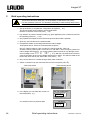
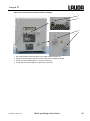
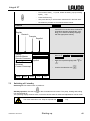
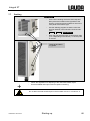
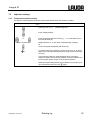
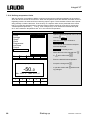
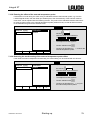
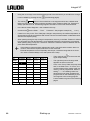
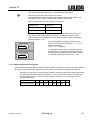
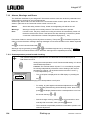
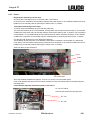
1. Connect a short-circuit hose to the outflow and return (þ 2.3).
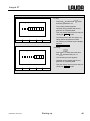
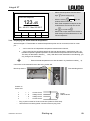
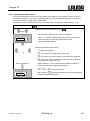
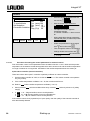
2. Fill the device with a suitable cleaning liquid whilst operating in the filling mode (þ 7.6).
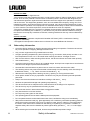
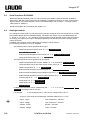
If water with a cleaning agent (fat solvent) is used, it is essential to ensure that the device is only operated in the filling mode (refrigerating machine is therefore off). Otherwise there is the risk
that the device may ice up internally and be damaged.
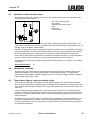
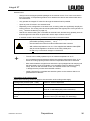
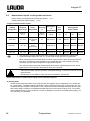
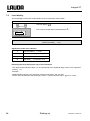
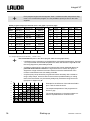
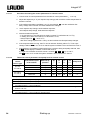
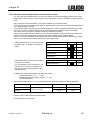
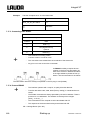
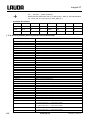
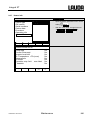
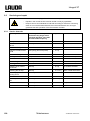
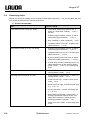
Suitable cleaning liquids
for
Acetone (solvent)
Kryo 55
It is essential to follow the relevant safety precautions Kryo 85
Ultra 350
when using acetone!
Water
Kryo 30
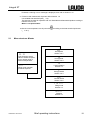
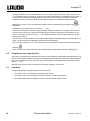
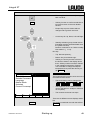
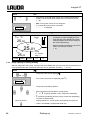
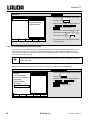
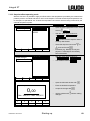
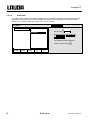
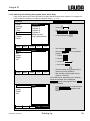
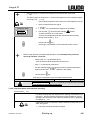
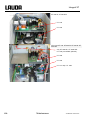
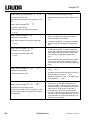
3. Drain (þ 7.7) and remove the short-circuit hose. Dry the device with compressed air. To do this,
carefully allow compressed air to flow into the device, alternately via the outflow and return. If
cleaning is carried out with liquids which readily dissolve oil, such as acetone, do not let the unit
stand dry or transport it dry for a longer period (more than one day), because the pump requires
a minimum lubrication. Therefore, continue with point 4.
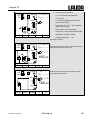
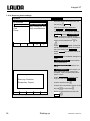
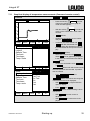
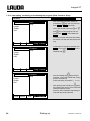
4. After cleaning, fill with new heat transfer liquid and vent (þ 7.6).
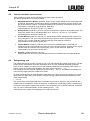
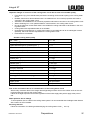
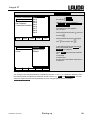
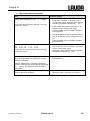
5. If contamination is still found (remove 0.5 liters with draining program (þ 7.7)), it is recommended that the new heat transfer liquid is again changed and cleaned externally, or the residues of the old heat transfer liquid are separated.
+
56
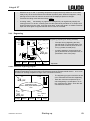
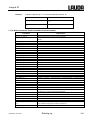
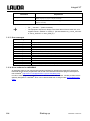
If residues of an old heat transfer liquid are not removed and remain in the device and
the device is then operated above the thermal loading limit for this heat transfer liquid,
deposits may form, particularly on the heaters, which reduce the performance capacity
of the device or even reduce the service life of the device.
Starting up
YAWE0028 / 29/01/2015