1
2
| CHAPTER 1
AN INTRODUCTION TO DESIGNING VMWARE ENVIRONMENTS
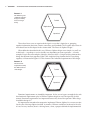
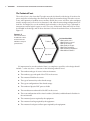
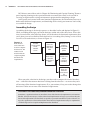
Figure 1.1
The different parts
of VMware vSphere
design are merely
facets of a larger
entity.
Technical
Organizational
Operational
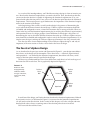
These three facets serve to organize the design in a way that is logical to us, grouping
together information, decisions, criteria, constraints, and standards. We’ll explore these facets in
more detail later in this chapter in the section titled “The Facets of vSphere Design.”
When defined or described in this way, VMware vSphere design seems simple. As you’ll see
in this book — or perhaps as you’ve already seen, depending on your experience — it can be
complex. Even in the most complex of designs, however, there is a single unifying element that
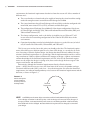
brings the different facets together. What is this single unifying element that ties everything
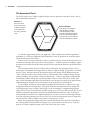
together, as illustrated in Figure 1.2? This element is the functional requirements of the design.
Figure 1.2
The functional
requirements unify
the different facets
of the design.
FUNCTIONAL
Technical
Organizational
Operational
REQUIREMENTS
Functional requirements are incredibly important. In fact, we can’t stress enough the key role
that functional requirements play in VMware vSphere design (or any IT design task, for that
matter). Functional requirements are important because they answer the question “What things
should this design do?”
It’s important to remember that companies implement VMware vSphere for a reason, not just
for the sake of having vSphere installed. As much as VMware would love for that to be the case,
it’s not. In every instance, there’s a driving factor, a force, a purpose behind the implementation.