1
This paper will consider the economic issues associated with the rise of tax
planning software by using an extensive source of data on more than 60,000 households
that includes information on whether they use such software. Specifically the paper will
deal with three issues: 1) whether the use of these programs is widespread or is restricted
to a narrow class of people, 2) whether consumers are actually using these programs to
reduce complexity and 3) whether the gain from expanding the use of tax software such
the recent Bush administration Free-Filing Initiative would be as large as pursuing other
technology based solutions such as return- free filing of 1040EZ forms.
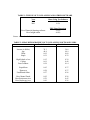
The data essentially answer all three in the negative. First, use of tax planning
programs is quite small, concentrated among highly educated people (as well as people
with very high incomes), and is unlikely to be widespread for many years to come. As a
result, the people who would be hurt by increasing the complexity of the tax code are the
ones not using the programs and that tends to be precisely the people for whom
complexity is the most costly—people with little education, few resources, who
frequently do not speak English.
Second, though, and more importantly, the data do not provide any evidence that
people adopt tax software in order to reduce the complexity of their tax compliance (as
opposed to, say, getting the services they might get from an accountant but at a cheaper
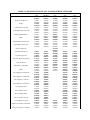
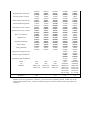
price). Regression analysis of people’s decision to use the software shows that, holding
other things equal, a host of factors that should make the tax situation more complicated-operating a business from home, having children under six years old, having a complex
state income tax, and the like--do not make people more likely to adopt. Instead, the
decision seems to be driven primarily by the computer and Internet savvy of the taxpayer.