1
Appendix
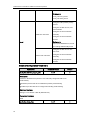
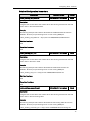
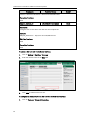
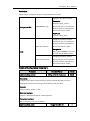
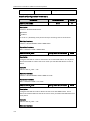
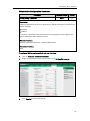
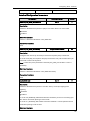
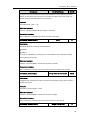
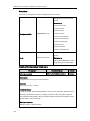
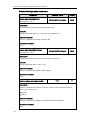
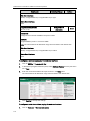
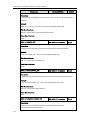
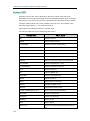
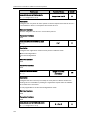
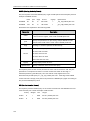
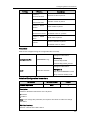
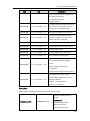
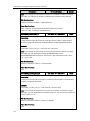
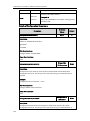
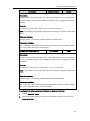
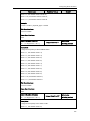
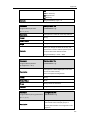
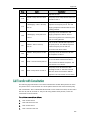
Step
Action
Description
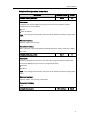
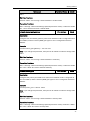
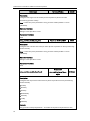
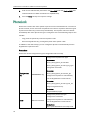
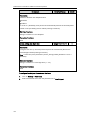
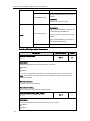
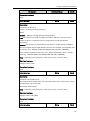
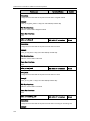
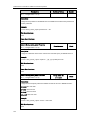
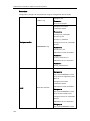
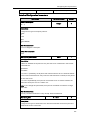
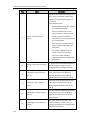
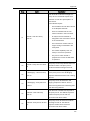
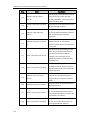
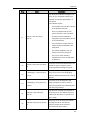
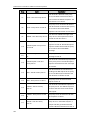
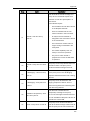
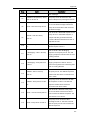
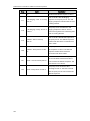
requests the call.
F18
INVITE—Proxy Server to User
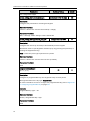
The proxy server maps the SIP URI in the
C
To field to User C.
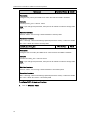
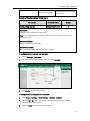
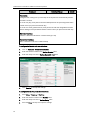
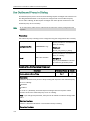
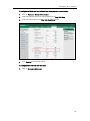
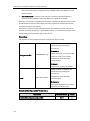
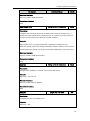
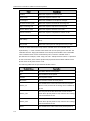
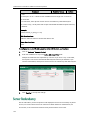
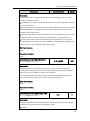
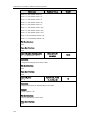
User C sends a SIP 180 Ringing
F19
180 Ringing—User C to Proxy
response to the proxy server. The 180
Server
Ringing response indicates that the user
is being alerted.
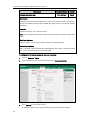
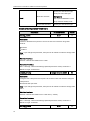
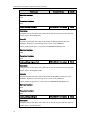
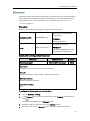
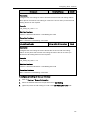
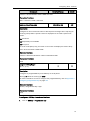
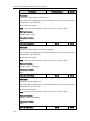
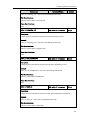
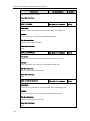
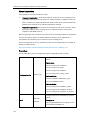
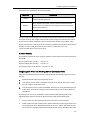
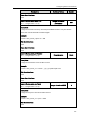
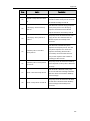
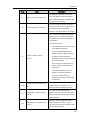
The proxy server forwards the 180
F20
180 Ringing—Proxy Server to
Ringing response to User A. User A
User A
hears the ring-back tone indicating that
User C is being alerted
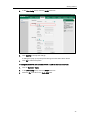
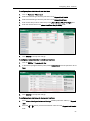
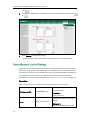
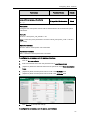
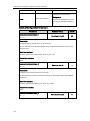
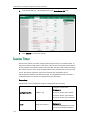
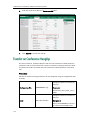
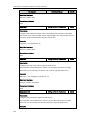
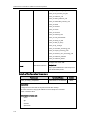
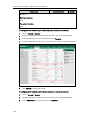
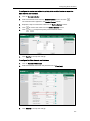
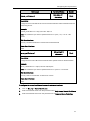
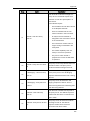
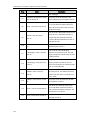
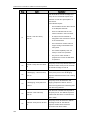
User C sends a SIP 200 OK response to
F21
200OK—User C to Proxy
the proxy server. The 200 OK response
Server
notifies the proxy server that the
connection has been made.
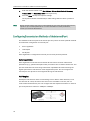
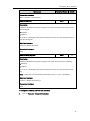
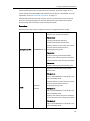
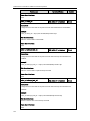
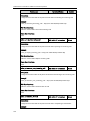
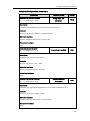
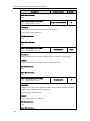
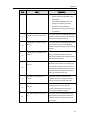
F22
200OK—Proxy Server to User
The proxy server forwards the SIP 200
A
OK response to User A.
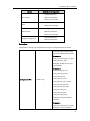
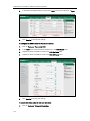
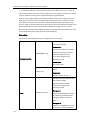
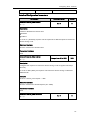
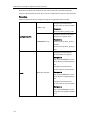
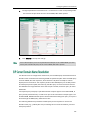
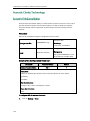
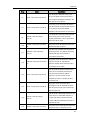
User A sends a SIP ACK to the proxy
F23
ACK— User A to Proxy Server
server. The ACK confirms that User A
has received the 200 OK response. The
call session is now active.
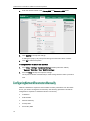
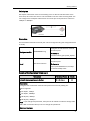
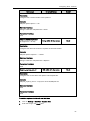
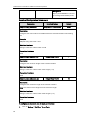
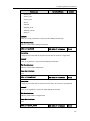
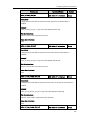
The proxy server forwards the ACK
F24
ACK—Proxy Server to User C
message to User C. The ACK confirms
that User A has received the 200 OK
response. The call session is now active.
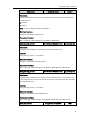
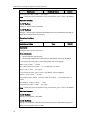
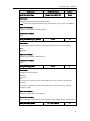
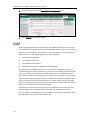
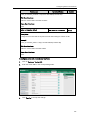
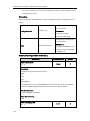
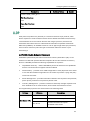
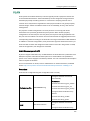
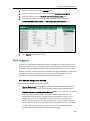
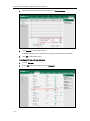
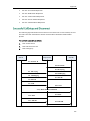
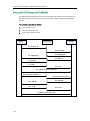
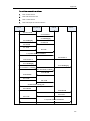
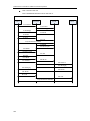
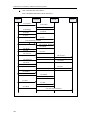
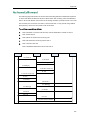
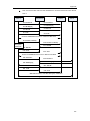
The following figure illustrates a successful call between Yealink SIP IP phones in which
two parties are in a call and then one of the parties transfers the call to the third party
with consultation. This is called attended transfer. In this call flow scenario, the end users
are User A, User B, and User C. They are all using Yealink SIP IP phones, which are
connected via an IP network.
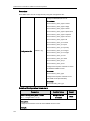
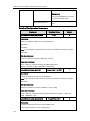
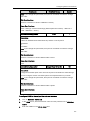
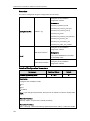
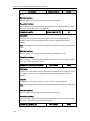
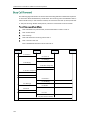
The call flow scenario is as follows:
1.
User A calls User B.
2.
User B answers the call.
3.
User A calls User C.
4.
User C answers the call.
383