1
SECTION 6
ELECTRICAL SYSTEMS
generator set output and performance ratings. Then refer to the following chart to aid
in determining appliance usage during generator operation.
CAUTION
Continuous generator overloading
can cause high operating temperatures that can damage the generator
windings. Keep the electrical loads
within the generator wattage rating.
Approximate Power Requirements of
Common Appliances
Appliance or Tool
Vacuum cleaner
Coffee Maker
Hair dryer
Electric clothes iron
Electric blanket
Television
Electric drill
Air conditioner
Microwave Oven
Approximate Power
Consumption
(Watts/Amps)
200-500W/1.7-4.3A
550-700W/4.8-6.1A
800-1500W/7.0-13.0A
500-1200W/4.3-10.4A
50-200W/0.4-1.7A
80-100W/0.7A
250-750W/2.2-6.5A
1400-2000W/13-19A
700-1500W/6.0-13.0A
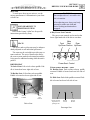
Stopping The Generator
1. Shut off electrical equipment to remove load.
Allow generator to run for 3 to 5 minutes to
cool down.
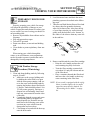
2. Press the generator switch into the OFF position and hold until the generator comes to a
complete halt.
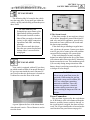
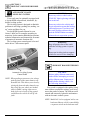
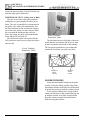
Generator Hourmeter
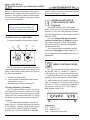
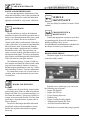
This meter is located on the monitor panel. It
registers the total number of hours that the generator has been operated. Refer to the hourmeter
to determine when periodic maintenance is due
and to record services which have been performed.
NOTE: While the generator is running it is normal for the hourmeter to make a periodic
“ticking” sound.
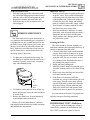
OPERATION WARNINGS AND
CAUTIONS
WARNING
The exhaust of all internal combustion engines contains carbon monoxide (CO). This poisonous gas is
colorless, odorless, tasteless, and
lighter than air. The exhaust systems
of both your motor home engine and
your generator engine have been
installed with your safety in mind.
However, certain precautions must be
taken when using them to protect
yourself from conditions beyond the
control of the manufacturer.
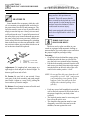
1. Do not simultaneously operate the generator
engine and a ventilator which could draw
exhaust gases into the vehicle.
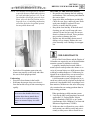
2. Do not open windows or ventilators on the
end or side of the vehicle where exhaust pipe
of the generator is located.
3. Park the vehicle so that the wind will carry
the exhaust away from the vehicle. Also,
note the position of other vehicles to be sure
their exhaust will not enter your vehicle.
4. Do not operate the generator engine when
parked if vegetation, snow, buildings, vehicles, or any other object can deflect the
exhaust under or into the vehicle.
Check auxiliary generator oil level frequently
during periods of use. Refer to the generator
manufacturer’s information in your Owner’s
InfoCase for specific recommendations.
WARNING
Never check generator oil level while
generator engine is running.
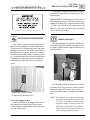
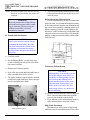
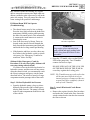
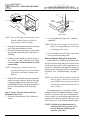
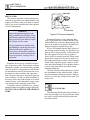
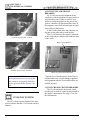
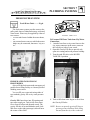
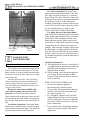
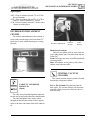
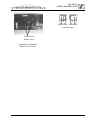
Generator Service Tray Retainers: The generator service tray is held in by two latches at the
front sides of the slide tray assembly.
6-7