1
Micrel, Inc.
KSZ8895MQ/RQ/FMQ
Crossover Cable
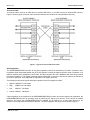
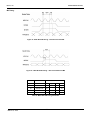
A crossover cable connects an MDI device to another MDI device, or an MDI-X device to another MDI-X device.
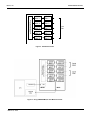
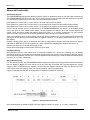
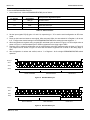
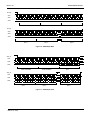
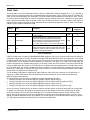
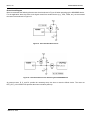
Figure 7 shows a typical crossover cable connection between two switches or hubs (two MDI-X devices).
Figure 7. Typical Crossover Cable Connection
Auto-Negotiation
The KSZ8895MQ/RQ/FMQ conforms to the auto-negotiation protocol as described by the 802.3 committee. Autonegotiation allows unshielded twisted pair (UTP) link partners to select the highest common mode of operation. Link
partners advertise their capabilities to each other, and then compare their own capabilities with those they received
from their link partners. The highest speed and duplex setting that is common to the two link partners is selected as
the mode of operation. Auto-negotiation is supported for the copper ports only.
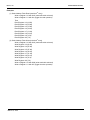
The following list shows the speed and duplex operation mode from highest to lowest.
•
Highest: 100Base-TX, full-duplex
•
High:
100Base-TX, half-duplex
•
Low:
10Base-T, full-duplex
•
Lowest: 10Base-T, half-duplex
If auto-negotiation is not supported or the KSZ8895MQ/RQ/FMQ link partner is forced to bypass auto-negotiation, the
KSZ8895MQ/RQ/FMQ sets its operating mode by observing the signal at its receiver. This is known as parallel
detection, and allows the KSZ8895MQ/RQ/FMQ to establish link by listening for a fixed signal protocol in the
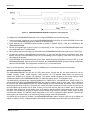
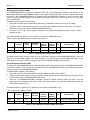
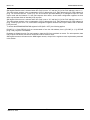
absence of auto-negotiation advertisement protocol. The auto-negotiation link up process is shown in Figure 8.
March 12, 2014
29
Revision 1.7