1
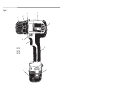
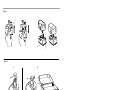
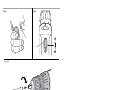
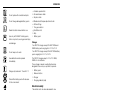
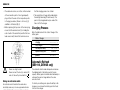
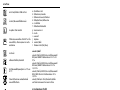
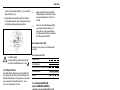
DC733 DC740 DC750 DW907 1 English 6 Korea 14 Simplified Chinese 22 Thai 31 C opyright DE WALT 2 Figure 1 f e c d g b a h DC733 DC740 DC750 j i e d f c g b a DW907 h i j 3 Figure 2 j k l Figure 3 B A m m Figure 4 Figure 5 n e n 4 o Figure 7 Figure 6 b f Figure 8 Figure 9 5 ENGLISH CORDLESS DRILL/DRIVER DC733, DC740, DC750, DW907 Congratulations! maintained, the vibration emission may differ. This may significantly increase the exposure level over the total working period. You have chosen a DE WALT tool. Years of experience, thorough product development and innovation make DE WALT one of the most reliable partners for professional power tool users. An estimation of the level of exposure to vibration should also take into account the times when the tool is switched off or when it is running but not actually doing the job. This may significantly reduce the exposure level over the total working period. Technical data DC733 DC740 DW907 DC750 Voltage V No-load speed 1st gear 2nd gear Max. torque Chuck capacity 14.4 12 12 9.6 Identify additional safety measures to protect the operator from the effects of vibration such as: maintain the tool and the accessories, keep the hands warm, organisation of work patterns. min-1 0-400 0-350 0-350 0-300 min-1 0-1300 0-1200 0-1200 0-1100 Nm 30 mm 10 26 10 21 10 20 10 Maximum drilling capacity in steel/wood mm 10/30 10/25 10/25 10/22 Battery pack Weight (without battery pack) Voltage kg 1.1 L pA (sound pressure)dB(A) 76 KPA (sound pressure uncertainty) dB(A) 3 LWA (acoustic power)dB(A) 84 KWA (acoustic power uncertainty) dB(A) 3.3 1.1 1.1 1.1 75 75 74 3 3 3 83 83 83 3.3 3.3 Vibration total values (triax vector sum) determined according to EN 60745-1, EN 60745-2-1, EN 60745-2-2: Drilling into mild steel ah = m/s² 1.7 Uncertainty K = m/s² 1.5 Screwdriving without impact ah = m/s² 1.3 Uncertainty K = m/s² 1.5 1.6 1.5 1.2 1.5 1.6 1.5 1.2 1.5 1.5 1.5 1.1 1.5 The vibration emission level given in this information sheet has been measured in accordance with a standardised test given in EN 60745 and may be used to compare one tool with another. It may be used for a preliminary assessment of exposure. WARNING: The declared vibration emission level represents the main applications of the tool. However if the tool is used for different applications, with different accessories or poorly 6 NiCd NiCd NiCd NiMH V 9.6 12 12 12 Capacity Ah 1.3 1.3 2.0 2.6 Weight kg 0.42 0.5 0.65 0.58 Battery pack DE9502 DE9091 Battery type NiMH NiCd Li-Ion V 14.4 14.4 14.4 Capacity Ah 2.6 2.0 2.0 Weight kg 0.82 0.84 0.58 Charger DE9116 DE9118 Battery type NiCd/ NiMH NiCd Mains voltage VAC 230 230 Voltage 3.3 DE9062 DE9074 DE9071 DE9501 Battery type Approx. charging time min Weight kg 40 (2,0 Ah battery packs) 0.4 DE9140 DE9135 NiCd/NiMH /Li-Ion 230 60 (2,0 Ah 40 (2,0 Ah battery battery packs) packs) 0.9 0.52 ENGLISH Director Engineering and Product Development Horst Großmann DEWALT, Richard-Klinger-Straße 11 D-65510, Idstein, Germany General safety rules Warning! Read all instructions. Failure to follow all instructions listed below may result in electric shock, fire and/or serious injury. The term „ “ power tool in all of the warnings listed below refers to your mains operated (corded) power tool or battery operated (cordless) power tool. SAVE THESE INSTRUCTIONS. 1 Work area a Keep work area clean and well lit. Cluttered and dark areas invite accidents. b Do not operate power tools in explosive atmospheres, such as in the presence of flammable liquids, gases or dust. Power tools create sparks which may ignite the dust or fumes. c Keep children and bystanders away while operating a power tool. Distractions can cause you to lose control. 2 Electrical safety a Power tool plugs must match the outlet. Never modify the plug in any way. Do not use any adapter plugs with earthed (grounded) power tools. Unmodified plugs and matching outlets will reduce risk of electric shock. b Avoid body contact with earthed or grounded surfaces such as pipes, radiators, ranges and refrigerators. There is an increased risk of electric shock if your body is earthed or grounded. c Do not expose power tools to rain or wet conditions. Water entering a power tool will increase the risk of electric shock. d Do not abuse the cord. Never use the cord for carrying, pulling or unplugging the power tool. Keep cord away from heat, oil, sharp edges or moving parts. Damaged or entangled cords increase the risk of electric shock. e When operating a power tool outdoors, use an extension cord suitable for outdoor use. Use of a cord suitable for outdoor use reduces the risk of electric shock. 3 Personal safety a Stay alert, watch what you are doing and use common sense when operating a power tool. Do not use a power tool while you are tired or under the influence of drugs, alcohol or medication. A moment of inattention while operating power tools may result in serious personal injury. b Use safety equipment. Always wear eye protection. Safety equipment such as dust mask, non-skid safety shoes, hard hat, or hearing protection used for appropriate conditions will reduce personal injuries. c Avoid accidental starting. Ensure the switch is in the off position before plugging in. Carrying power tools with your finger on the switch or plugging in power tools that have the switch on invites accidents. d Remove any adjusting key or wrench before turning the power tool on. A wrench or a key left attached to a rotating part of the power tool may result in personal injury. e Do not overreach. Keep proper footing and balance at all times. This enables better control of the power tool in unexpected situations. f Dress properly. Do not wear loose clothing or jewellery. Keep your hair, clothing and gloves away from moving parts. Loose clothes, jewellery or long hair can be caught in moving parts. g If devices are provided for the connection of dust extraction and collection facilities, ensure these are connected and properly used. Use of these devices can reduce dust related hazards. 7 ENGLISH 4 Power tool use and care a Do not force the power tool. Use the correct power tool for your application. The correct power tool will do the job better and safer at the rate for which it was designed. b Do not use the power tool if the switch does not turn it on and off. Any power tool that cannot be controlled with the switch is dangerous and must be repaired. c Disconnect the plug from the power source before making any adjustments, changing accessories, or storing power tools. Such preventive safety measures reduce the risk of starting the power tool accidentally. d Store idle power tools out of the reach of children and do not allow persons unfamiliar with the power tool or these instructions to operate the power tool. Power tools are dangerous in the hands of untrained users. e Maintain power tools. Check for misalignment or binding of moving parts, breakage of parts and any other condition that may affect the power tools operation. If damaged, have the power tool repaired before use. Many accidents are caused by poorly maintained power tools. f Keep cutting tools sharp and clean. Properly maintained cutting tools with sharp cutting edges are less likely to bind and are easier to control. g Use the power tool, accessories and tool bits etc., in accordance with these instructions and in the manner intended for the particular type of power tool, taking into account the working conditions and the work to be performed. Use of the power tool for operations different from those intended could result in a hazardous situation. d When battery pack is not in use, keep it away from other metal objects like paper clips, coins, keys, nails, screws, or other small metal objects that can make a connection from one terminal to another. Shorting the battery terminals together may cause burns or a fire. e Under abusive conditions, liquid may be ejected from the battery; avoid contact. If contact accidentally occurs, flush with water. If liquid contacts eyes, additionally seek medical help. Liquid ejected from the battery may cause irritation or burns. 5 Battery tool use and care a Ensure the switch is in the off position before inserting battery pack. Inserting the battery pack into power tools that have the switch on invites accidents. b Recharge only with the charger specified by the manufacturer. A charger that is suitable for one type of battery pack may create a risk of fire when used with another battery pack. c Use power tools only with specifically designated battery packs. Use of any other battery packs may create a risk of injury and fire. Labels on charger and battery pack In addition to the pictographs used in this manual, the labels on the charger and the battery pack show the following pictographs: 8 6 Service a Have your power tool serviced by a qualified repair person using only identical replacement parts. This will ensure that the safety of the power tool is maintained. Additional safety instructions for battery packs Fire hazard! Avoid metal short circuiting the contacts of a detached battery pack. Do not store or carry the battery pack without the battery cap placed over the contacts. s The battery fluid, a 25-30% solution of potassium hydroxide, can be harmful. In case of skin contact, flush immediately with water. Neutralize with a mild acid such as lemon juice or vinegar. In case of eye contact, rinse abundantly with clean water for at least 10 minutes. Consult a physician. s Never attempt to open a battery pack for any reason. 100% Battery charging 100% Battery charged Battery defective ENGLISH Do not probe with conductive objects Do not charge damaged battery packs Read instruction manual before use Use only with DEWALT battery packs, others may burst, causing personal injury and damage a b c d e f g h i Variable speed switch Forward/reverse slider Keyless chuck Mode selector/torque adjustment collar Collar settings Two gear selector Ventilation slots Grip Battery pack Charger Your DE9116 charger accepts D EWALT NiCd and NiMH battery packs ranging from 7.2 V to 18 V. Do not expose to water Your DE9118 charger accepts DEWALT NiCd battery packs ranging from 7.2 V to 14.4 V. Have defective cords replaced immediately The DE9135 charger accepts 7.2 to 18 V NiCd, NiMH or Li-Ion batteries. These chargers require no adjustment and are designed to be as easy as possible to operate. +40 ˚c +4 ˚c Charge only between 4 oC and 40 oC Discard the battery pack with due care for the environment i j k l Battery pack Release buttons Charger Charging indicator (red) Electrical safety Do not incinerate the battery pack Package contents The package contains: 1 Cordless drill/driver 1 Charger 2 Battery packs 1 Screwdriver bit 1 Kitbox (K-models only) 1 Instruction manual s Check for damage to the tool, parts or accessories which may have occurred during transport. s Take the time to thoroughly read and understand this manual prior to operation. Description (fig. 1) Your cordless drill/driver DC733 / DC740/DC750 has been designed for professional drilling and screwdriving applications. The electric motor has been designed for one voltage only. Always check that the battery pack voltage corresponds to the voltage on the rating plate. Also make sure that the voltage of your charger corresponds to that of your mains. Your DEWALT charger is double insulated in accordance with EN 60745. Mains plug replacement (U.K. & Ireland only) s Should your mains plug need replacing and you are competent to do this, proceed as instructed below. If you are in doubt, contact an authorized DEWALT repair agent or a qualified electrician. s Disconnect the plug from the supply. s Cut off the plug and dispose of it safely; a plug with bared copper conductors is dangerous if engaged in a live socket outlet. s Only fit 13 Amperes BS1363A approved plugs fitted with the correctly rated fuse (1). 9 ENGLISH s The cable wire colours, or a letter, will be marked at the connection points of most good quality plugs. Attach the wires to their respective points in the plug (see below). Brown is for Live (L) (2) and Blue is for Neutral (N) (4). s Before replacing the top cover of the mains plug ensure that the cable restraint (3) is holding the outer sheath of the cable firmly and that the two leads are correctly fixed at the terminal screws. that the charging process has started. 3. The completion of charge will be indicated by the red light remaining ON continuously. The pack is fully charged and may be used at this time or left in the charger. Charging Process Refer the table below for the state of charge of the battery pack. State of charge charging fully charged hot/cold pack delay replace battery pack problem – – – – – – ––––––––––– ––– – ––– – sssssssssss ss ss ss ss Automatic Refresh (DE9116, DE9135 only) Never use a light socket. Never connect the live (L) or neutral (N) wires to the earth pin marked E or . Using an extension cable An extension cord should not be used unless absolutely necessary. Use an approved extension cable suitable for the power input of your charger (see technical data). The minimum conductor size is 1 mm2; the maximum length is 30 m. Assembly and adjustment s Prior to assembly and adjustment, always remove the battery pack. s Always switch off the tool before inserting or removing the battery pack. Use only DEWALT battery packs and chargers. Battery pack (fig. 2 & 3) Charging Procedure DANGER: Electrocution hazard. 230 volts present at charging terminals. Do not probe with conductive objects. Danger of electric shock or lectrocution. 1. Plug the charger (k) into an appropriate outlet before inserting battery pack. 2. Insert the battery pack into the charger. The red (charging) light will blink continuously indicating 10 The automatic refresh mode will equalise or balance the individual cells in the battery pack at its peak capacity. Battery packs should be refreshed weekly or whenever the pack no longer delivers the same amount of work. To refresh your battery pack, place the battery in the charger as usual. Leave the battery pack for at least 8 hours in the charger. Hot/Cold Pack Delay (DE9116, DE9135 only) When the charger detects a battery that is too hot or too cold, it automatically starts a Hot/Cold Pack Delay, suspending charging until the battery has appropriate temperature. The charger then automatically switches to the pack charging mode. This feature ensures maximum battery life. DEEP DISCHARGE PROTECTION The battery pack is protected against deep discharging when it is used in the tool. Important Safety Instructions for All Battery Packs When ordering replacement battery packs, be sure to include catalog number and voltage. Consult the chart at the end of this manual for compatibility of chargers and battery packs. The battery pack is not fully charged out of the carton. Before using the battery pack and charger, read the safety instructions below. Then follow charging procedures outlined. ENGLISH READ ALL INSTRUCTIONS Do not charge or use battery in explosive atmospheres, such as in the presence of flammable liquids, gases or dust. Inserting or removing the battery from the charger may ignite the dust or fumes. Charge the battery packs only in DE WALT chargers. DO NOT splash or immerse in water or other liquids. Do not store or use the tool and battery pack in locations where the temperature may reach or exceed 40˚ C (105° F) (such as outside sheds or metal buildings in summer). DANGER: Electrocution hazard. Never attempt to open the battery pack for any reason. If battery pack case is cracked or damaged, do not insert into charger. Electric shock or electrocution may result. Damaged battery packs should be returned to service center for recycling. WARNING: Never attempt to open the battery pack for any reason. If battery pack case is cracked or damaged, do not insert into charger. Do not crush, drop or damage battery pack. Do not use a battery pack or charger that has received a sharp blow, been dropped, run over or damaged in any way (i.e., pierced with a nail, hit with a hammer, stepped on). Damaged battery packs should be returned to service center for recycling. CAUTION: When not in use, place tool on its side on a stable surface where it will not cause a tripping or falling hazard. Some tools with large battery packs will stand upright on the battery pack but may be easily knocked over. SPECIFIC SAFETY INSTRUCTIONS FOR NICKEL CADMIUM (NiCd) OR NICKEL METAL HYDRIDE (NiMH) Do not incinerate the battery pack even if it is severely damaged or is completely worn out. The battery pack can explode in a fire. A small leakage of liquid from the battery pack cells may occur under extreme usage or temperature conditions. This does not indicate a failure. However, if the outer seal is broken: a. And the battery liquid gets on your skin, immediately wash with soap and water for several minutes. b. And the battery liquid gets into your eyes, flush them with clean water for a minimum of 10 minutes and seek immediate medical attention. (Medical note: The liquid is 25-35% solution of potassium hydroxide.) SPECIFIC SAFETY INSTRUCTIONS FOR LITHIUM ION (LI ION) Do not incinerate the battery pack even if it is severely damaged or is completely worn out. The battery pack can explode in a fire. Toxic fumes and materials are created when lithium ion battery packs are burned. If battery contents come into contact with the skin, immediately wash area with mild soap and water. If battery liquid gets into the eye, rinse water over the open eye for 15 minutes or until irritation ceases. If medical attention is needed, the battery electrolyte is composed of a mixture of liquid organic carbonates and lithium salts. Contents of opened battery cells may cause respiratory irritation. Provide fresh air. If symptoms persists, seek medical attention. WARNING: Burn hazard. Battery liquid may be flammable if exposed to spark or flame. Battery cap (fig. 3) A protective cap is supplied to cover the contacts of a detached battery pack. Without the protective cap in place, loose metal objects could short circuit the contacts, causing a fire hazard and damaging the battery pack. Take off the protective cap ( m ) before placing the battery pack ( i ) in the charger or tool. Place the protective cap over the contacts immediately after removing the battery pack from the charger or tool. Make sure the protective cap is in place before storing or carrying a detached battery pack. Inserting and removing bits (fig. 4) Open the chuck by turning the sleeve ( n ) counterclockwise and insert the bit shank. 11 ENGLISH s Place the bit in the chuck as far as it will go and lift slightly before tightening. s Tighten firmly by turning the sleeve clockwise. s To remove the bit, proceed in reverse order. Selecting the operating mode or adjusting the torque (fig. 5) The collar of this tool has 15 positions for the adjustment of the torque to suit the size of the screw and the workpiece material. For torque adjustment, refer to the section “Screwdriving . s Select the drilling mode or torque by aligning the symbol or number on the collar (e) with the indicator ( o ) on the housing. “ Forward/reverse slider (fig. 6) s To select forward or reverse rotation, use the forward/reverse slider (b) as shown (see arrows on tool). Always wait until the motor has come to a complete standstill before changing the direction of rotation. Two gear selector (fig. 7) Your tool is fitted with a two gear selector ( f ) to vary the speed/torque ratio. 1 low speed/high torque (drilling large holes, driving screws) 2 high speed/low torque (drilling smaller holes) Apply only a gentle pressure to the tool. Excessive force does not speed up drilling but decreases tool performance and may shorten tool life. To minimise stalling on break-through, progressively reduce the drill point pressure towards the end of the operation. Keep the motor running when pulling the bit back out of a drilled hole. This will help prevent jamming. Prior to operation: s Make sure your battery pack is (fully) charged. s Insert the appropriate bit. s Mark the spot where the hole is to be drilled. s Select forward or reverse rotation. Switching on and off (fig. b ) s To run the tool, press the variable speed switch (a). The pressure exerted on the variable speed switch determines the tool speed. s To stop the tool, release the switch. s To lock the tool in off position, move the forward/ reverse slider (b) to the central position. The drill is equipped with a brake to stop the tool as soon as the variable speed switch is fully released. For speed rates, refer to the technical data. s Always push the two gear selector completely forward or backward. s Do not change gears at full speed or during use. Instructions for use Always observe the safety instructions and applicable regulations. Be aware of the location of pipework and wiring. 12 Screwdriving s Select forward or reverse rotation using the slider (b). s Set the collar (e) to position 1 and begin screwdriving (low torque). s If the clutch ratchets too soon, adjust the collar to increase the torque as required. Drilling s Select the drilling mode using the collar (e). Drilling in metal s Use a cutting lubricant when drilling metals. The exceptions are cast iron and brass which should be drilled dry. ENGLISH Drilling in wood s Holes in wood can be made with the same twist drills used for metal. These bits may overheat unless pulled out frequently to clear chips from the flutes. s For larger holes use Auger bits. s Use a block of wood to back up workpieces that may splinter. Consult your dealer for further information on the appropriate accessories. Maintenance Your DEWALT power tool has been designed to operate over a long period of time with a minimum of maintenance. Continuous satisfactory operation depends upon proper tool care and regular cleaning. Local regulations may provide for separate collection of electrical products from the household, at municipal waste sites or by the retailer when you purchase a new product. DEWALT provides a facility for the collection and recycling of DEWALT products once they have reached the end of their working life. To take advantage of this service please return your product to any authorised repair agent who will collect them on our behalf. You can check the location of your nearest authorised repair agent by contacting your local DEWALT office at the address indicated in this manual. Alternatively, a list of authorised DEWALT repair agents and full details of our after-sales service and contacts are available on the Internet at: www.2helpU.c om. Lubrication Your power tool requires no additional lubrication. Cleaning s Unplug the charger before cleaning the housing with a soft cloth. s Remove the battery pack before cleaning your power tool. s Keep the ventilation slots clear and regularly clean the housing with a soft cloth. Separate collection. This product must not be disposed of with normal household waste. Rechargeable battery pack This long life battery pack must be recharged when it fails to produce sufficient power on jobs which were easily done before. At the end of its technical life, discard it with due care for our environment: s Run the battery pack down completely, then remove it from the tool. s Li-Ion, NiCd and NiMH cells are recyclable. Take them to your dealer or a local recycling station. The collected battery packs will be recycled or disposed of properly. Should you find one day that your DEWALT product needs replacement, or if it is of no further use to you, do not dispose of it with household waste. Make this product available for separate collection. Separate collection of used products and packaging allows materials to be recycled and used again. Re-use of recycled materials helps prevent environmental pollution and reduces the demand for raw materials. 13 ࣡ߝμҢμШޭՅ,+,+,+,?! ࣛੂੈ͈͒ ዻ௴ಀဵቼ႖લૐ໓ሳጋཀఁఋ༘ஶၡ ઠጔဋดዽ႞ዜ੭෧ጡཅၕቛዻಀဵቼ௴ ຮ࿕ဧ႖લૐຫဧၴ౹ၡਜ਼ၿၕൢዽኒቼஞ ചཅദབྷྤધၰཀఁఋ Ɂ٣ͼޭ DC733 DC740 DW907 DC750 ႖ྮ V 14.4 12 12 9.6 ඳิዻ ఎૺ࿌ min -1 0-400 0-350 0-350 0-300 ఎૺ࿌ min -1 0-1,300 0-1,200 0-1,200 0-1,100 Nm 30 26 21 20 ᆊఝቔሙ ᅨሙૺ mm 10 10 10 10 ੧ᅪඛႁຫဧགྷᆊఝ mm 10/30 10/25 10/25 10/22 ൛ൟഎ თሽ൘ኟ kg 1.1 1.1 1.1 1.1 ႞ဘ LpAၗྮdB(A) 76 KpAၗྮุጸཇ dB(A)3 LWAၗጎኒဲdB(A) 84 KWAၗጎኒဲุ ጸཇ dB(A) 3.3 3 83 3 83 3.3 3.3 3.3 7575 m/s2 1.7 2 m/s 1.5 1.6 1.5 1.6 1.5 1.5 1.5 충격 없이 스크류드라이빙 2 ah= m/s 1.3 불확실도 K= m/s2 1.5 1.2 1.5 1.2 1.5 1.1 1.5 ືૺၡჰ෮ᆖ༘აၔ-6ၡዑაགྷጔ ಋೡᆬႜጋၒඑ႖લૐఋ൏႖લૐဉ ๗ોዻ௴వၦဧዾ༘ၰཀఁఋிᆖఝዽ๗ ዀਜ਼ၦဧዾ༘ၰཀఁఋ ǧǮ"࿎ዽჰ෮ᆖ༘აၔม႖લૐ ၡဧረஔఁఋ૯ഄხൢ႖લ ૐఋ൏ဧചຫဧዻఋ൏ิዜ ၕຫဧዻၹජશ൘ዻඓၦჰ෮ ᆖ༘აၔఐೡჲ༘ၰཀఁఋ႖ᅰၵ࿕ ૺྦிᆖ༘აၦືఙᎁჭਜ਼ዾ༘ ၰཀఁఋ 6 ሽ൘ኟ ሽ൘Ⴖ ႖ྮ V ဧ Ah თ kg ሽ൘ኟ ሽ൘Ⴖ 74 ႖ྮ V ဧ Ah 3 თ kg 83 EN 60745-1, EN 60745-2-1, EN 60745-2-2 ಋೡ ႜዽ ჰ ᆅ (લ ชሽጁ) 연강 드릴링 ah= 불확실도 K= ႖લૐၡ༺၁ᆳ୮ಕၵთၦხൢཇ႞ ചၵ࿕ၕዻხ௴ྨၕಕჰఝዽிᆖ༘ა ၡᆓႜᆳགྷವዽધጄጁఁఋၦ௴႖ᅰ ၵ࿕ૺྦிᆖ༘აၕືఙᎁბბ༘ၰཀ ఁఋ ႖લૐဉิዜၕશ൘ዻધၕಋዻ၉ ხዻધၵ࿕ኞሿၕႮჯጷዻ௴౾ჰၡጎ ၒചิሽຫဧၴพጭዻૺ၁ዽᆓਜ਼ၡྦ႖༘ ᆴၕጸၨዻཊགྷ DE9062 DE9074 NiCd NiCd 9.6 12 1.3 1.3 0.42 0.5 DE9502 NiMH 14.4 2.6 0.82 DE9071 NiCd 12 2.0 0.65 DE9091 NiCd 14.4 2.0 0.84 DE9501 NiMH 12 2.6 0.58 DE9140 Ni-Ion 14.4 2.0 0.58 ᆚ႖ૺ DE9116 DE9118 DE9135 ሽ൘ႶNiCd/ NiCd NiCd/NiMH/ NiMH Li-ion લ႖ྮVAC 230 230 230 ᆚ႖གྷmin40 (2, 0 Ah 60 (2, 0 Ah 40 (2, 0 Ah ሽ൘ኟሽ൘ኟሽ൘ኟ თ kg 0.4 0.9 0.52 d Horst Großmann . e DEWALT, Richard-Klinger-Straße 11 D-65510, Idstein, . 3 a . b , , 1 a . . c b . . c d . . e 2 . a . . . f , . . b , . g . c . . 15 4 d a . . . e b . c . . 6 d a . . e ! . . f . s 25-30% . . g . 10 . . s . 5 a . . b 100% . 100% c . 16 . a b c d e f 2 j h i / / ࣡ߝɁ ,-!ᆚ႖ૺ௴>f >ၡಀဵቼ6Q+L ෟ6Q50ሽ൘ኟၕᆚ႖ዾ༘ၰཀఁఋ ,-! ᆚ႖ૺ௴>f>ၡಀဵቼ 6Q+Lሽ൘ኟၕᆚ႖ዾ༘ၰཀఁఋ . ,-!ᆚ႖ૺ௴>f >ၡಀဵቼ6Q+L ෟ6Q504QQWVሽ൘ኟၕᆚ႖ዾ༘ၰཀఁ ఋ ၦᆚ႖ૺ౹ၔႮႜዾዶဠਜ਼࿖ၒඑਜ਼ዽዽ ၵዻૺ༱ഛધྦ࿘ཀఁఋ 4˚C~40˚C +40 ˚c +4 ˚c i j k l ( ) . . . . / EN 60745 1 . 1 . 2 1 (K )1 1 s s , , . . s s . . s ( . 1) DC740/DC750 . . / s BS1363A (1) 13 . 17 ሽ൘ኟၕபૺ႖ᆚ႖ૺS႕႗ዽᇮ ቼཀఁఋ ሽ൘ኟၕᆚ႖ૺபཀఁఋูၔᆚ႖ თၦઢଌ൘එᆚ႖ၦགྷၵ࿘ၗၕጄ ვఁఋ ᆚ႖ၦဋഭඓูၔၔઢᇣႦၰཀఁఋ ሽ൘ኟၦఋᆚ႖ඓຫဧዻᆚ႖ૺ ༘ၰཀఁఋ s . ). (2 (L) (N)(4 . s (3 2 ࣡ߝǻߣ . ሽ൘ኟၡᆚ႖ືሲ௴ྤ೭ዑᅒધዻཊགྷ ᆚ႖ືሲ ᆚ႖თ ōōōōōō ᆚ႖ဋഭōōōōōōōōōōō ኟ಄അၦ ōōōōōōōō ሽ൘ኟોᅰ ҟҟҟҟҟҟҟҟҟҟҟ බ႞ ҟҟҟҟҟҟҟҟ Ζ࣡ߝ:MNZM[P,-!,-!ܤҩߜ ݮ . (L (N “E” “ ” . ၴᆚ႖ක௴ੜੜၡ႖ხਜ਼ᆊఝᆚ႖ၦ ഛಶ੪ၦ૭ጨၕ൬ᆛვఁఋሽ൘ኟၔ൯ ጮၔ႖੪ၦၵ࿕ၕ༘ጌዻხජዾಕᆚ႖ጄ ጁఁఋ ሽ൘ኟၕᆚ႖ዻඓዀဉ੪ၦሽ൘ᆚ ႖ૺཀఁఋሽ൘ኟၕᆊዽ གྷྦ ᆚ႖ዻཊགྷ ˞݅০ϋьޭ,-!,-! . ( ) . 1mm2 30m . ᆚ႖ૺਜ਼ஞඳ್આஞඳᅍਜ਼ဪሽ൘ ხዻඓኟ಄അၦਜ਼ၴၒചၵዻ ሽ൘ਜ਼႕ఙዽਜ਼ౙಕଆხᆚ႖ዻხྨཀఁ ఋ૯ఋၗၴၒച༺၁ᆳਜ਼ᇣႦᆚ႖ක ਜ਼ఁఋၦዽችჷၒചሽ൘༘ၕᆊఝ ചዾ༘ၰཀఁఋ ǻԵߝԵ࠵ s ႖લૐຫဧዾಕሽ൘ኟၔ෮႖ၦხ ྨཀఁఋ . s . . ( 2&3) ࣡ߝߞ ǧǮ"႖ຫၡ၁ጔၦၰཀఁఋఎૺ >ਜ਼ዑགྷ࿌ၰཀఁఋ႖ᅰചགྷጔ ዻხൠཊགྷ႖ၦ႖ຫၡ၁ጔၦ ၰཀఁఋ 18 ӡξԷҟ০ߝۭݧࠞވޜٟࣻ ોᅰဧሽ൘ኟၕබጋၕಕᆽራച૯ጭဉ ႖ྮၦዅጀ࿌ၰ௴ხጸၨዻཊགྷᆚ႖ૺဉ ሽ൘ኟၦ൬௴ხมຫဧ໕ዻఎၡዑᅒધዻ ཊགྷ ሽ൘ኟၦᆚ႖ૺဉ൬ხྨၒඓဋ႖ᎁᆚ႖ხ ྨཀఁఋሽ൘ኟᆚ႖ૺຫဧዻૺ႖ྤ ೭ྦ႖ხᆹၕၪၒཊགྷ૯ఋၗᆚ႖႗ᅍ ಋ്ཊགྷ ӡξ࠵ऀ݃ڊڑޙޱޜ ȶы࠵ҩݟջƢə࠷͒Ӛ ҟਜ਼ໜྵᅰૺᅰൿხ౾෧ໜఝૺ ᆚ႖ዻሽ൘ຫဧዻხൠཊགྷᆚ႖ૺ ሽ൘பၕಕൿხૺุၦ฿ ၕ༘ၰཀఁఋ ҟಀဵቼᆚ႖ૺചൢมሽ൘ኟၕᆚ႖ዻཊགྷ ҟමၦૺረྵᅰਜ਼ተ౹࿌ਜ਼ხྨഛዻ ཊགྷ ҟ႖લૐဉሽ൘ኟၕȈ+Ū.ਜ਼ ௴ᅖધဘิ๚ಉ౾พશ ዻຫဧዻხൠཊགྷ Iሽ൘ྵᅰਜ਼ዳิజၒඓყགྷ๗ဉමച ึྦྤஏཊགྷ Jሽ൘ྵᅰਜ਼జၒඓ୳ዽමചᆊఝ ึྦጟૐધบဴਜ਼ཊགྷၡഭிቼ" ၦྵᅰ௴༘ຮጷᇀဧྵၮఁఋ ވਜ਼"႖ຫ၁ጔ࿌ಠၦ၉ച౷ሽ൘ኟၕ ႗ఝધዻხൠཊགྷሽ൘ኟᇛၦ ༺ਜ਼ხື࿘ఋඓᆚ႖ૺபხ ൠཊགྷືౘሽ൘ኟၔႁጺဧၕ၁ጄ ๗༺ሽചጹጄጁఁఋ ҟুޭ݅4QQWVৄͤܤ՝ۭߝ࠵ऀ ҟሽ൘ኟၦཉੜዻື࿘ဋ႖ᎁఔၔ ઠဨੜዻხൠཊགྷሽ൘ኟၦ෧ዾ ༘ၰཀఁఋ൘ቺၦሽ൘ኟၕሲါಕెໜ ૺමჲၦ෧ແጁఁఋ ҟሽ൘ஏဧමၦዳิజၒඓყགྷൠၩ๗ ဉමച૯ิึၕྤஏཊགྷሽ൘ྵᅰਜ਼ ౹࿌ਜ਼ඓၕᅘചึጮၔၴ૰ၦ ࿖࿌ჲಕଆხමചྤஏཊགྷၡዼ႕ၨၡਜ਼ ዶဠዽઠဨሽ൘႖ጄჲၦྵᅰ၉ૺሪຮ ൘ቺጯጁමചૐໜ࿌ၰཀఁఋ ҟ੭෮ౘሽ൘႖ხၡஏဧමၔጭ፷ૺၴ૰ၕ ბ༘ၰཀఁఋཅ໓ዽલૺᆟዻཊགྷჭືၦ ઢඓၡዼ႕ၨႮᆳૐዻཊགྷ ǧǮ"࿌ಠၦ၉ച౷ሽ൘ኟၕ႗ఝધ ዻხൠཊགྷሽ൘ኟᇛၦ༺ਜ਼ხ ື࿘ఋඓᆚ႖ૺபხൠཊགྷሽ ൘ኟၕ੭ಡ࿌್൘ືགྷሠხൠ ཊགྷஃᆽചဪමઁၦజಡ࿌್൘ ࿌ಠ෮ฅၒച౷ືౘජၦᎁ ǧǮ"ጷႁ၁ጔሽ൘ྵᅰਜ਼༺ኒሙ ൫ᆳചᆳ෪౾ሽ൘ኟၦᆚ ุିிᆖඓራ༘ၰཀఁఋ ႖ૺຫဧዻხൠཊགྷືౘሽ൘ኟ ( 3) ၔႁጺဧၕ၁ጄ๗༺ሽചጹጄጁ ఁఋ . ࠕި"ຫဧዻხྨၕಕ௴ઃ࿌ხ ಡ࿌ჲ၁ጔၕૺዻხྨഛྦႜዽ ጠཊགྷఝጨሽ൘ኟၦၰ௴ ၩิ႖લૐ௴ሽ൘ኟၕ၁ചጎዻ ዻໞါ༘ၰხൢ༱࿌ჲ༘ၰཀ ఁఋ . s (i ) (m ) . s . ͈थऄμԔ6Q+Lޭ˅͈थӏॲੂޭμШ ޭμ6Q50ৄͤܤ՝ۭߝ࠵ऀ ҟሽ൘ኟၦཉੜዻື࿘ဋ႖ᎁఔၔ ઠဨੜዻხൠཊགྷሽ൘ኟၦ෧ዾ ༘ၰཀఁఋ ҟዻຫဧዻችႜዻሽ൘ኟ ႖ხၡྵᅰਜ਼ᆖౙ༘ၰཀఁఋၦ௴ . ( s 4) (c ) . ၹජౘઇၦྤఇఁఋ 19 s s s s (o) ( / 6) (b) 2 . . F / s s s . . . 6) (a) Off (b) . ) . . . ) / . On/off( . / s s s s . (fig. 7) 5) . h ” . / s . (e) . . ( . . s 2 s . 20 s s (b) s . . . s s . . . . (e) . , . s . . . s . s . . . . Internet www.dewalt.co.kr , . . . . . . s . s s . s . . s . . . . . . . 21 ०༹ዐ࿔ ؊ۉ๕ഐጱۉፈ!ED8440ED8510ED8610EX:18႙ ጁƽ ሞೠࠚና้ۯLj࣏ᆌ୯߾ਏڦཕऐ้क़ᅜतሜሏ ߌႇስڥ࿀߾ਏăೞڦܠঢ়ᄓᅜतඇ௬ׂڦ ႜገ้क़Ljኄၵ൧ీࣷ၂ዸ३ෑ߾ਏኝ߲๑ᆩ ਸ݀ᇑظႎLjڥ࿀ᅙྺׯጆᄽ߾ۯۉਏᆩࢽፌ੍ क़ڦናۯă ڦअӵኮᅃă ࣏ᅜლ൱ഄҾඇٯแLjᅜԍࢺ֡ፕටᇵLj๑ഄ௨ ናۯᆖၚă૩සLjྼࢺ߾ਏࢅॲLjևԍLjࢇ रຍ֖ຕ DC733 DC740 DW907 DC750 14.4 12 12 9.6 ۉუ!!!!!!!!!W ሜ܈ ڼᅃڗ 0-400 min -1 min -1 0-1,300 ڗܾڼ ፌٷ౦ਈ Nm 30 ॄཀྵీ૰!!!!!nn 10 ߒ/ఢፌٷ ፈీ૰!!!!!nn 10/30 ዘଉ (ۉፇ)lh 1.1 L pA (ำუ ) ( ) 76 eC!B ( ) 3 KPA(ำუဃֶ) eC!B LWA(ำࠀ୲) ( ) 84 eC!B ( ) 3.3 KWA(ำࠀ୲ဃֶ) eC!B 0-350 0-1,200 26 10 0-350 0-1,200 21 10 0-300 0-1,100 20 10 10/25 1.1 75 3 83 3.3 10/25 1.1 75 3 83 3.3 10/22 1.1 74 3 83 3.3 Ҿಇፕᄽ้क़ă ! ۉፇ !!!!!EF:173!!EF:185!!EF:182!!EF:612 NiCd NiCd NiCd NiMH ۉૌ႙ ۉუ W 9.6 12 12 12 Ⴀీ A 1.3 1.3 2.0 2.6 ዘଉ!!!!!!!!lh 0.42 0.5 0.65 0.58 ۉፇ ۉૌ႙ ۉუ W Ⴀీ Ah ዘଉ!!!!!!!!lh EF:613!!!!EF:1:2!!!!!EF:251 NiCd NiCd NiCd 14.4 14.4 14.4 2.6 2.0 2.0 0.82 0.84 0.58 ؊ۉഗ EF:227!!!!EF:229!!!!!EF:246 ጺና!ޗෙዡ๐ଉኮࢅ!ߵ!FO71856.2ĂFO71856.3.2 ( ) ࢅ!FO71856.3.3!Քጚ֪ۨ ሞگ༐ߒዐፈ ah= m/s2 1.7 ဃֶ!!!!!!!!!m/s2 1.5 k= !!!! ሞ؋ऍፕᆩူౣஅۤ 2 ah= m/s 1.3 ဃֶ!!!!!!!!!m/s2 1.5 k= !!!! 1.6 1.5 1.6 1.5 1.5 !!!! 1.5 1.2 1.5 1.2 1.5 1.1 1.5 !!!! ԨጨଙዐڦናۯናޗӀቷ!FO71856ՔጚຎڦՔጚ ࣅ֪ڦ֪݆ۨݛLjᅜᆩઠԲডփཞ߾ਏڦናײۯ ܈ăኵᅜᆩઠ؛օೠॏ߾ਏڦና࡞ླۯă য়ߢǖኄߴڦናۯናޗৈݒᆙ߾ਏሞዷᄲᆩዐ ڦና܈ײۯăܸLjසࡕ߾ਏᆩᇀփཞᆩLj๑ᆩକ փཞॲईኁ߾ਏுᆶྼࢺࡻLjഄናޗኵీփཞă ኄၵ൧ీࣷ߾ਏኝ߲๑ᆩक़ደॷ၂ă 22 NiCd/ NiMH NiCd NiCd/NiMH /Li-ion 230 230 ۉᇸۉუ!!!!Wbd 230 ٷሀ ؊้ۉक़ njo 40 (2.0 Ah 60 (2.0 Ah 40 (2.0 A 电池组 电池组 电池组 ዘଉ lh 0.4 0.9 0.52 ०༹ዐ࿔ ߾ׂࢅײਸ݀ዷ࠶ d ൎကરᆩۉᇸ၍ăॕਦ্ኹᆩۉᇸ၍༵ઙ߾ਏई!! Horst Großmann ! ᆩۉᇸ၍ٗۉᇸ֭ፗฉথཱྀጅူ߾ਏ֭ཀྵă!!ۉ ! ᇸ၍ՂႷᇺߛ࿒ĂᆳĂބ૧ईሏۯևॲă!! ! ۉᇸ၍ڦ࣋ई׀ජࣷሺेޅڦۉة၃ă e සࡕሞྔ๑ᆩ߾ۯۉਏፕᄽLj൩๑ᆩࢇᇀ!! ! ྔ๑ᆩڦჽۉ၍ă֑ᆩࢇᇀྔ๑ᆩۉڦમ!! DEWALT, Richard-Klinger-Straße 11 D-65510, Idstein, ࡔڤ ! ᅜইޅۉةگ၃ă 3 ටวҾඇ Ҿඇጺሶ a ሞ֡ፕ߾ۯۉਏ้Lj൩ԍ܈ߛয়༼Ljൎ࠲ጀ!! য়ߢƽ൩ጮဦለ܁Ԩ֩ڦඇևኸସăස࿄ీፏ ူଚᆶኸସLjሶీࣷڞዂۉऍĂआሚࢅ/ईჹ ዘڦටวฅ࡞ăူ࿔ᆶয়ߢዐڦĐ߾ۯۉਏđᅃ َኸۉྪۉڦᇸࠃ(ڦۉᆶุ)߾ۯۉਏई؊ۉ๕ (ุ)߾ۯۉਏă ! ፔڦ๚൧ժሏᆩڦঢ়ᄓ๎ăሞೃહ้Lj!! ൩ԍ࠶ࡻԨ֩ă ! ईኁසሞᄱĂ৶ĂᄱዎଐڦᆖၚူLj൩က!! ! ๑ᆩԨ߾ۯۉਏăሞ֡ፕ߾ۯۉਏ้Ljฎփାห!! ! ৽ీࣷڞዂჹዘڦටวฅ࡞ă b ๑ᆩҾඇࢺݞጎዃăՂႷ้ਗ਼ಧࢺٻణጎዃăሞ!! ! ړ൧ူLj๑ᆩዮසפݞ௬ቸĂࣂݞҾඇၸĂ!! 1 ߾ፕ൶ ! Ҿඇஷईད૰ԍࢺጎዃኮૌڦҾඇጎዃইگට!! a ԍ߾ፕ൶ল৫ĂኝলĂଋă߾ፕ൶ई֡ፕ! ! සሗईࣾӁLjీࣷᆅ݀๚ࠤă ! วฅ࡞ޅڦ၃ă b ൎကሞᆶᅟᅂ༹Ăഘ༹ईࣨڦפቊႠ࣍ৣዐ! ! ๑ᆩ߾ਏፕᄽă߾ਏׂิڦआࢾీࣷۅ! ! ኄၵࣨࢅפഘ༹ă ! ᇀ࠲Կጒༀăሞధ߾ۯۉਏ้Ljසࡕኸݣሞਸ!! c ሞ๑ᆩ߾ۯۉਏፕᄽ้Lj൩ကඟܹཡࢅಖ࠵ኁ! ! ሞ߾ፕ൶ৎۺାăݴ႐ీڞዂ߾ਏڦ฿! ! ੦ă 2 ۉഘҾඇ a ! ! ! ߾ۯۉਏ֭ڦཀྵՂႷᇑۉᇸ֭ፗ၎ದă൩က! ֭ܔཀྵፔඪࢆႚ๕ڦႪ߀ăܔᇀথ!߾ۯۉں ਏLj൩က๑ᆩገথ֭ཀྵăփ߀ጎ֭ཀྵժ֑ᆩ! ದ֭ڦፗࣷইگሦۉऍޅڦ၃ă b ্ኹว༹ڦඪࢆևݴཞথڦں௬(૩ස࠶ڢĂ ഘೌĂ؞ਏĂգၒ)ڪথةăසࡕว༹থںLj! ! ሦޅڦۉة၃ࣷሺेă c ൩ကॽ߾ਏԓሞᇐዐईחโ࣍ৣዐăᇐ! ! ߾ۯۉਏࣷሺेۉऍޅڦ၃ă c Ն௨ᅪྔഔۯăՂႷඓԍሞ֭ཀྵ֭ኮമਸ࠲!!ت ! ࠲ฉLjईॽਸ࠲تᇀਸഔጒༀ߾ۯۉڦਏ֭ሞ!!ۉ ! ᇸฉLjీࣷᆅ݀๚ࠤă d ሞഔ߾ۯۉۯਏኮമՂႷံൽူۨ࿋॰ईӮ! ! ! ăසࡕӮईሃᅍାሞ߾ۯۉਏڦገۯևॲ!! ! ዐLjీࣷڞዂටวฅ࡞ă e փᄲגሁ֡ፕਐăඪࢆ้ਗ਼ۼՂႷԍೝ࢚Lj!! ! ᆶ࿘ۨڦ૬ፁۅăടڦړ૬ፁࢅۅೝ࢚ీࠕඟ!! ! ሞᅪྔ൧ူᅜ߸ࡻڦ੦߾ۯۉਏă f ࢇጣጎă൩ကحጣޜጎईኁಧٻăՂ!! ! Ⴗඓԍڦཀྵ݀Ăᅊࢅޜ༫ᇺገۯևॲă!! ! ޜጎLjई݀ీࣷԥገۯևॲਝዿă g සࡕ߾ۯۉਏದԢକጎዃઠথဌࢅפणפย! ! ! แLjᆌඓණኄၵጎዃۼᅙথࡻժీႜኟඓ!!ڦ ! ֡ፕă๑ᆩኄၵጎዃᅜ३ณᆶླ࡞Ⴀפݹڦă 23 ०༹ዐ࿔ 4 ۯ૰߾ਏڦ๑ᆩࢅྼࢺ d සࡕۉԈ࿄تᇀ๑ᆩጒༀLjఫ൩ॽഄᇺᇀ!! a ൩ကഽႜ๑ᆩփࢇ߾ۯۉڦਏă൩ߵ!ڦ ! ᆌᆩࢇׇስട߾ۯۉڦړਏăട!߾ۯۉڦړ ! ዮස࣮ႚኍĂᆘԼĂሃĂۤጱĂஅۤኮૌڦई!! ! ਏీࠕሞยۨۨܮڦኵူLj߸ࡻ߸Ҿඇ!ׯྜڦ ! ፕᄽă ! ăႺۉۉट܌ୟڞዂጤฅईआሚă b සࡕ߾ਏڦਸ࠲փీٶਸई࠲Կ(नਸ࠲฿ၳ)Lj ఫ൩က๑ᆩ߾ۯۉਏăஃ๊!߾ۯۉ ! ዐพઠLjൎကᇑኮথةăස݀ิᅪྔথ!!ة ! ਏLjසࡕਸ࠲݆੦Ljఫۼ၎ླړ၃ڦLj! ! ՂႷႜႪă ! ྔლ൱ᅅଐӻዺăۉዐพڦᅂ༹ీࣷᆅ!! c ሞႜۙኝĂ߸࣑ॲई٪߾ۯۉݣਏኮമLj! ! ൩ॽ߾ۯۉਏ֭ڦཀྵٗۉᇸ֭ፗዐӚਸăኄዖ! ! ᇨݞႠҾඇٯแᅜই߾ۯۉگਏᅪྔഔ!ڦۯ ! ޅ၃ă d ှዃ߾ۯۉڦਏLjՂႷݣዃሞܹཡথةփ!ڦڟ ! ݛںLj্ܸኹփຄဒ߾ۯۉਏईփຄဒُ! ! ૌᆩ݆ຫڦට๑ᆩ߾ۯۉਏă࿄ঢ়ࡗಢჟ! ! ڦ๑ᆩኁ๑ᆩ߾ਏᅃॲླݥ၃ڦă e ! ! ! ! ! ՂႷၭ႐ྼࢺ߾ۯۉਏăॠֱገۯևॲޏਸ਼! ዿĂᆶܔጚLjևॲޏᆶ೦൧ᅜत!ޏ ᆶీࣷᆖၚ߾ۯۉਏ֡ፕႠీڦഄ൧٪! ሞăසࡕ߾ਏᆶ࣋൧Lj൩ሞ๑ᆩኮമံॽ! ߾ਏႪࡻăႹܠ๚ࠤۼᆯᇀ߾ਏྼࢺփ!ړ ሰڦׯă f ՂႷܔൎߪژਏႜྼࢺLj๑ഄބ૧߅৫ăঢ়! ! ࡗྉྼࢺĂਏᆶބ૧ൎၥՉژڦਏԥਸ਼ዿ!ڦ ! ీႠ߸ၭLjժ߸ඹᅟԥ੦ă g ! ! ! ! ൩Ӏቷُૌᆩ݆ຫᅜत߾ۯۉਏ༬႙ࡽ!ڦ ༬ۨᄲ൱ժࢇ୯߾ፕ࣍ৣतႴፕᄽ൧! ઠ๑ᆩ߾ۯۉਏĂॲࢅ߾ਏژཀྵڪă๑ᆩփ! ട߾ڦړਏઠႜፕᄽLjీࣷڞዂླ၃൧! ݀ิă 5 ڦۉ๑ᆩࢅྼࢺ a ሞഴۉԈኮമLj൩ඓԍਸ࠲تᇀԿࢇጒ! ! ༀăසࡕॽۉԈഴਸ࠲تᇀٶਸጒༀူ!ڦ ! ߾ۯۉਏዐLjఫࣷᆅ݀๚ࠤă b ! ! ! ኻీ๑ᆩሰฆኸۨڦ؊ۉഗઠ؊ۉăࢇኄ! ૌ႙ࡽڦۉ؊ۉഗժփᅃۨࢇഄ႙ࡽ!ڦ ۉLjසഽႜ๑ᆩփದ༫ڦ؊ۉഗLjీࣷᆅ! ݀आሚă c ߾ۯۉਏኻీ๑ᆩඓࡀۨۉڦԈă๑ᆩഄ! ! ۉԈీࣷࣷሰׯฅࢅआሚă 24 ! ഄॽᅃ߲ۉटᇑଷᅃ߲ۉट၎ূڦຌ! ! e ሞۉԥࡗ܈๑ᆩڦ൧ူLjీࣷᆶᅂ༹ٗ!!ۉ ! ൧Lj൩ᆩൣ؋ဢăසᅂ༹ॸᄅዐLj࣏ᄲଷ!! ! ഐೄِޒघईጤฅă 6 ྼࢺ a Ԩ߾ۯۉਏՂႷᆯࢇጨ߭ࢺྼڦටᇵ֑ᆩ၎ཞ!!ڦ ! ༺࣑ևॲႜྼࢺăኄᄣࣷඓԍ߾ۯۉਏڦҾඇ!! ! Ⴀీڟڥԍቱă ኍۉܔԈेڦ༬ۨҾඇຫ आሚླ၃ƽൎကॽূຌᇑԥָۉأ ԈڦথۅথةLjሰ܌ׯୟăසࡕۉ Ԉথۅฉۉڦஷுᆶ߃ฉLjఫ൩က ٪ئईၻۉټԈă s Ⴚۉڦۉᅂྺ25-30%ڦൠᄟࣅौමᅂLjਏ! ! ᆶ۾ႠăසᇑኮᆶೄޒথةLj൩૬नᆩൣ؋! ! ဢăࢫᆩௐ໗ईٛ໗ኮૌڦෑ໗ႜዐ! ! ࢅăසࡕᇑኮᆶᄅևথةLjఫ൩ᆩൣႜ! ! ณ10ݴዓڦ؋ဢăࢫၠాᅅิ൱ዺă s ஃᇀ๊୯LjൎကٶਸۉԈă ؊ۉഗࢅۉԈฉڦՔኾ أକԨ֩๑ᆩڦՔኾᅜྔLj؊ۉഗࢅۉԈฉ ڦՔኾਏᆶසူᅪາǖ 100% ۉኟሞ؊ۉ 100% ۉ؊ྜۉԹ ۉփࢇ߭ ०༹ዐ࿔ ൩ကᆩۉڞথة ൩ကߴᅙ࣋ۉڦԈ؊ۉ ๑ᆩമ൩ለ܁ᆩ݆ຫກ ኻీ๑ᆩڥ࿀ಈۉԈLjഄۉీ ࣷԖଛLjڞዂටวฅ࡞ࢅยԢ࣋ ൩ကᇑথة փࢇ߭ڞڦ၍ՂႷ૬न߸࣑ a पՎਸ࠲ b ኟၠ/ݒၠࣂ c ጲ๕ፈॄཀྵ d ఇ๕ስഗ/ገਈۙኝ࣍ e ࣍ยዃ f ଇ߲Վ߇ g ཚ֣ޅ h ӝ i ۉԈ ؊ۉഗ EF:227႙؊ۉഗᅜྺ8/3!W–!29Wڥ࿀ ۉ ࢅൠۉፇ؊ۉă EF:229႙؊ۉഗᅜྺ8/3W!–!25/5Wڥ࿀ ۉ ፇ؊ۉă EF:246႙؊ۉഗᅜྺ8/3W!–!29WᰁĂൠई ጱۉ؊ۉă ኄၵ؊ۉഗփႴᄲፕۙኝLjยऺ้୯ڟକీ +40 c +4 c ኻీሞ4 C40 Cኮक़ڦ࿒܈ཉॲူ؊ۉ ൩Һࢺ࣍ৣLjኟඓتዃݭചۉԈ ֡ፕݛՍă i j k l ۉԈ ݣӀ౧ ؊ۉഗ ؊ۉኸ๖ࢤ(ڨ) ۉഘҾඇ ൩ကݷฏۉԈ ۉऐኻᆶᅃዖ߾ፕۉუă൩ඓණۉԈۉუཞఀ ಈฉՔۉڦუᅃዂăُྔᅂՂႷඓණ؊ۉഗۉუ ᇑۉྪۉᇸۉڦუᅃዂă ༫ጎాඹ ׂ༫ጎԈઔǖ ڥڦ࿀ಈ؊ۉഗߵEN 60745Քጚ ມዘਨᇹLj(ᅺُփႴᄲں၍)ă 1և؊ۉ๕ഐጱۉፈ 1߲؊ۉഗ 2߲ۉԈ 1߲அີഐጱፈཀྵ 1߲߾ਏၒ(ৈK႙ࡽ) 1߲๑ᆩຫກ s ൩ጮဦֱੂ߾ਏĂևॲࢅದॲLjඓණഄሞሏ! ! ዐޏᆶฅă s ሞ๑ᆩ߾ਏമLj൩ఱ႐ለ܁Ăဒ႐Ԩ! ! ֩ă ௮ຎ)2Dž ࠔச ڦDC733/DC740/DC750 ႙ࡽ؊ۉ๕ഐ !ጱۉፈᆩᇀጆᄽڦፈࢅஅີᆌᆩࢇׇă ߸࣑ۉᇸ֭ཀྵ (ৈኍܔᆈࡔࢅׇҺܻન)ׇ s ! ! ! සࡕۉڦᇸ֭ཀྵႴᄲ߸࣑ܸᅜඪኄ! ॲ߾ፕLjఫ൩Ӏቷසူ֡ፕຫႜăසࡕ! ுᆶӝLjఫ൩ဣڥ࿀ࠅິڦ༬ሀྼႪ! ටᇵईࢇጨ߭߾ۉڦă s ॽ֭ཀྵٗۉᇸӚਸă s ൎߪူ֭ཀྵժҾඇتںዃǖཟڞ၍ሞྔ! ! ֭ںཀྵසᇑۉںۉټഘ֭ፗ၎Ljఫ!ݥ ! ླ၃ںă s ኻ֑ᆩڟڥBS1363AՔጚණದᆶട!୲ࠀړ ! ԍ၃ີ(1)ڦ13Ҿಢ֭ཀྵ 25 ०༹ዐ࿔ s ! ! ! ሞፌᆫዊ֭ཀྵڦথࣷتۅՔฉۉમჿईጴ! జă൩ॽۉમᇑ֭ཀྵฉ߳ጲڦথۅ၎)֖९! ူ࿔*ăጶᇑआ၍)L))2)၎Ljઢᇑዐ၍! )N))4)၎ă 2/ጎۉፇኮമLjॽ؊ۉഗDŽLDž֭֭ړፗă 3NJॽۉፇጎ؊ۉഗăࢤڨDŽ؊ۉኸ๖ڨDžჄ ຮLj؊ײࡗۉᅙঢ়ਸ๔ă 4NJසࡕࢤڨଋLjຫ؊ྜۉԹăۉፇᅙ؊କ s ሞ߸࣑ۉᇸ֭ཀྵ߃ۥڦኮമLj൩ඓԍۉમ၌ഗ! ۉăኄ้Ljᅜཨ๑ᆩईኁॽഄዃାሞ؊ۉഗฉă ! )3)ీࠦڦኧۉમྔࢺ༫Ljܸଇߵڞ၍ኟ! ؊ײࡗۉ ! ඓٲڦথሞথ၍அዹฉă ۉፇ؊ۉጒༀ֖ቷ ؊ۉጒༀ! ኟሞ؊!ۉ ؊ྜۉԹ! ߛ0گ࿒ۉჽ؊!ۉ ൩߸࣑ۉፇ! ؊ࠤۉቱ ൎက๑ᆩቷ֭ፗă ൎကॽआ၍)L)ईዐ၍)N)ᇑՔᆶĐEđई Đ!!!đጴజڦথںԀ၎ă ๑ᆩჽ၍મ ݥأᆶਨܔႴᄲLjޏሶൎက๑ᆩჽ၍મăසࡕႴ ᄲ๑ᆩჽ၍મLj൩๑ᆩࢇޙ؊ۉഗ)֖९रຍ ጨଙ*ࠀ୲ᄲ൱ڦঢ়ࢃጚڦჽ၍મăڞ၍ڦ ፌၭ࢙প௬ओྺ1ೝࡹݛLjፌྺ܈ٷ30ă Ҿጎᇑۙ s ሞҾጎࢅۙኮമLjՂႷऻڥႂူ!ۉ ! Ԉă s ሞഴईႂူۉԈኮമLjՂႷऻ!࠲ڥ ! Կ߾ਏă ጲۉݣۯ )ኻᆩᇀEF:227ࢅEF:246႙ࡽ* ጲۉݣۯఇ๕ॽඟۉፇዐڟٳॽۉ߲ڇڦईথৎ ፌٷඹଉăۉፇᆌዜۉݣᅃْLjईኁLjۉړፇ ݆༵ࠃཚۉڦܠଉ้Lj৽ᄲۉݣᅃْăඟۉፇ ้ۉݣLjၡཚᅃᄣॽۉጎ؊ۉഗनăۉፇ ሞ؊ۉഗዐዃା้ڦक़փڥณᇀ9ၭ้ă ߛ0گ࿒ۉჽ؊ۉ )ኻᆩᇀEF:227ࢅEF:246႙ࡽ* සࡕ؊ۉഗߌኪۉڟ࿒ߛࡗ܈ईࡗگLjࣷጲۯ ഔۯĐߛ0گ࿒ۉჽ؊ۉđࠀీLjሡཕ؊ۉLj ؊ۉഗڟٳړ࿒܈ăࢫLj؊ۉഗጲۯൎ࣑ ࣮؊ۉఇ๕ăኄᅃࠀీᅜඓԍۉፌڦ๑ᆩ ంă ศۉݣ܈ԍࢺ ኻీ๑ᆩڥ࿀ಈۉԈࢅ؊ۉഗă ۉሞ߾ਏዐ๑ᆩ้Ljۉፇਏᆶݞศీࠀۉݣ܈ă ۉፇᅃӯҾඇጀᅪ๚ၜ ۉԈ(2&3) ۩ࠔ߸࣑ۉፇLjခՂ༵ࠃᄣԨዐڦՊࡽࢅۉუࡀ ߭ă࠲ᇀ؊ۉഗࢅۉፇڦग़ඹႠLj൩ֱੂԨ֩ ؊ײۉႾ! ፌࢫăԈጎၒዐڦႎۉுᆶ؊ۉă๑ !!!!!!!!!!!ླ၃ǖ؊܋ۉጱټ341Wۉუăփᄲᆩ!!!!!!!!!!!!!!!!!!!!!!!!!!!!!!!ڞ ᆩۉፇࢅ؊ۉഗമLjለ܁ᅜူҾඇጀᅪ๚ၜă ༹༹থةኄၵ܋ጱăޏሶLjࣷ݀ิة ࢫLjӀቷຎڦ؊ײۉႾ؊ۉă !!!!!!!!!!!ۉईۉऍླ၃ă 26 ०༹ዐ࿔ ለ܁ᆶጀᅪ๚ၜ!!! ጱۉ༬Ҿඇጀᅪ๚ၜ!!! !!!!!!փᄲሞᆶᅂ༹Ăഘ༹ईפݹ٪ሞڦԖቊ Ⴀ࣍ৣዐ؊ۉई๑ᆩۉăሞ؊ۉഗዐጎईൽ !!!!!!न๑ԥჹዘ࣋ईᅙྜඇԒݭLjᄺփᄲݷฏ ۉፇăۉፇሞआዐࣷ݀ิԖቊăݷฏጱۉ ׂࣷิᆶ۾ჶࢅᆶ۾ዊă!!! !!!!!!සࡕۉႅቖڟೄޒฉLj૬नᆩዐႠݨ ሱൣဢথةև࿋ăසࡕۉᅂ༹ᄅLjሶኘ ۉీࣷᆅפݹLjׂิჶă!!! !!!!!!ኻీ๑ᆩڥ࿀؊ۉഗߴۉፇ؊ۉă!!! !!!!!! !!!!!!փᄲॽईഄᅂ༹ॸۉڟፇฉLjᄺփڥ ॽۉፇईഄᅂ༹ዐă!!! !!!!!!փᄲሞ࿒܈ీڟٳईࡗג51ņ)216℉*DŽ૩ සဲलሞྔಱईূຌࠓॺڦዾాDž٪ݣई ๑ᆩ߾ਏࢅۉፇă !!!!!!!ླ၃ǖሞඪࢆ൧ူൎကٶਸۉፇă !!!!!!!සࡕۉፇၒ༹ਸଛईԥ࣋Ljփᄲጎ؊ ਸᄅLjᆩൣဢ26ݴዓईِघኢጒၩ฿ăස ࡕႴᄲლ൱ᅅዎLjۉۉዊྺᆶऐ༐໗මवࢅჸ ंࢇă!!!!!!! !!!!!!ۉԥٶਸࢫLjᅥِࣷघࢬဌڢăᆌࢬ ဌႎးഘăසࡕኢጒփၩཽLjሶლ൱ᅅዎă !!!!!!!য়ߢǖआሚླ၃ăۉᅂ༹ᇜआࢾईआᄐ !!!!!!!ۉഗăޏሶLjీࣷ݀ิۉةईۉऍăԥ !!!!!!!࣋ۉڦፇᆌཽ࣮ྼႪዐ႐LjᅜՍ࣮تă !!!!!!!ᅜฏă !!!!!!!য়ߢǖሞඪࢆ൧ူൎကٶਸۉፇă !!!!!!!සࡕۉፇၒ༹ਸଛईԥ࣋Ljփᄲጎ؊!!!!ۉஷ(3) !!!!!!!ۉഗăփᄲफუĂई࣋ۉፇăසࡕ ݴਸۉڦԈದԢᆶᅃ߲ԍࢺႠۉڦஷઠ߃ዿഄ !!!!!!!ۉፇई؊ۉഗᅙڟଜുऍĂԥĂ ۅةăසࡕԍࢺஷுᆶڟ࿋Ljఫොূڦຌ !!!!!!!უईڟඪࢆႚ๕ڦ࣋DŽ૩සLjԥۤጱ! ీࣷڞዂ܌ۅةୟLjᆅഐआሚLj࣋ۉԈă !!!!!!!ِحĂؼڟཀྵٶऍĂԥDžLjሶփڥ๑ !!!!!!!ᆩኄၵۉፇई؊ۉഗăԥ࣋ۉڦፇᆌ! ሞॽۉԈ)i) ݣ؊ۉഗई߾ۯۉਏኮമՂႷ! !!!!!!!ཽ࣮ྼႪዐ႐LjᅜՍ࣮تă ! ံൽူԍࢺஷ)o) ă !!!!!! ᅃٗڋ؊ۉഗई߾ۯۉਏాൽۉԈLjՂႷ! !!!!!!!ጀᅪǖှዃ߾ਏᆌೝݣᇀҾඇ࿘ࠦڦ௬Lj!! ! ૬नߴ߃ۅةฉԍࢺஷă !!!!!!!Ն௨ӹईླ၃ă !!!!!!!ᅃၵ߾ਏۉڦፇྔႚ٫ডٷLjፁᅜኧ! ሞ٪ئईၻݴټਸۉڦԈኮമLjՂႷ !!!!!!!߾ਏ๑ኮ૬Ljڍኄᄣీඹᅟԥಸڛă ඓණԍࢺஷᅙঢ়ڟ࿋ă ۉDŽOjDeDžࢅൠۉDŽOjNIDž༬Ҿ ඇጀᅪ๚ၜ!!! !!!!!!न๑ԥჹዘ࣋ईᅙྜඇԒݭLjᄺփᄲݷฏ ۉፇăۉፇሞआዐࣷ݀ิԖቊă!!! !!!!!!ሞट܋๑ᆩཉॲई࿒܈ཉॲူLjۉፇዐڦ ۉీࣷႅณଉᅂ༹ăኄժփ๖ᅙ݀ิକࠤ ቱă ܸLjසࡕྔ֫ހᅙ೦࣋ǖ b/ැۉᅂ༹ቖڟೄޒฉLjᆌ૬नᆩݨሱൣဢຕ ݴዓă c/ැۉᅂ༹ᄅLjᆩൣ؋ဢณ21ݴዓLj ࢫLj૬नლ൱ᅅዎă)ᅅბ༵๖ǖᅂ༹ྺ 36.46&ڦൠᄟࣅौමᅂăDž ഴࢅൽူፈཀྵ s ొ้ኍገۯ༫࠶)n) LjٶਸॄཀྵLjࢫഴፈཀྵ! ! ۥևথཀྵă s ॽፈཀྵӀሞॄཀྵాLjଉྫӀLjࢫሞฉኮ! ! മံൟൟྫฉ༵ᅃူă s ຩ้ኍገۯ༫࠶Ljฉॄཀྵă s සᇡൽူፈཀྵLj൩Ӏቷ၎ݒຩႾ֡ፕă 27 ०༹ዐ࿔ ስፕᄽఇ๕ईۙবገਈ(5) ሞፕᄽຐ้൩ደօ३ณፈॖڦუ Ԩ߾ۯۉਏڦ੦࣍ᆶ15ዖݛ࿋ᆩઠۙኝገਈLj ૰Ljኄᄣሞحཪ้Lj฿၄ၡ৽ࣷ ๑ഄᆌஅ٫ࢅ߾ॲᇱଙڦᄲ൱ăසᇡକገ ३ณă ਈۙবݛ௬ڦ႑တLj൩֖९Đஅ࿖đবాඹă ሞٗᅙፈࡻڦዐӚፈཀྵ้LjۉऐՂ s ॽ੦࣍(e)ฉڦՔऻईຕጴࢅྔฉڦኸ๖ഗ! Ⴗධԍገۯăኄᄣ৽փࣷ၄ፈཀྵ ! (o) ܔጚLjۨፈఇ๕ईገਈă ኟၠ/ݒၠࣂ(6) ԥਸ਼ዿڦ၄ၡă ሞፕᄽኮമǖ s සᇡስኟၠገईݒၠገLj൩๑ᆩස๖! s ံඓණۉڦԈᅙঢ়ྜඇ؊ࡻۉă ! ڦኟၠ/ݒၠࣂ(b)(֖९߾ۯۉਏฉॱڦཀྵ)ă s ഴടڦړፈཀྵă s ՔࡽႴፈڦև࿋ă ሞ߀ՎገݛၠኮമLjՂႷۉࢪڪऐྜ ඇཕኹገྺۯኹă s ۨኟၠईݒၠገă ਸ࠲ٶڦਸࢅ࠲Կ(b) s සᇡഔ߾ۯਏLj൩ӀူपՎਸ࠲(a)ăแेሞ! ມՎ߇(7) ! पՎਸ࠲ฉڦუ૰ٷၭਦۨକ߾ਏڦ܈ă ߾ۯۉڦਏದԢକᅃ߲ມՎ߇(5)ઠ߀Վ܈/ገ s සࡕᄲཕኹ߾ۯۉਏLj൩ਸਸ࠲ă ਈԲă s සࡕᄲॽ߾ۯۉਏۨሞ࠲ԿጒༀLj൩ॽኟၠ گྺڗ/ߛገਈ(ፈডڦٷLjஅ࿖) ݒၠࣂ(b)ᅎڟዐक़և࿋ă ߛྺڗ/گገਈ(ፈডၭڦ) ᅃڋपՎਸ࠲ԥྜඇਸLjఫۉ සᇡକ୲Lj൩֖रຍ֖ຕă ፈದԢڦۯቄ৽ࣷཕኹ߾ਏڦሏ ገă s ՂႷྜඇኟၠईݒၠླྀۯມՎ߇ă s ඇ้ईሞፕᄽ้Lj൩က߀Վಇڔă அ࿖ s ൩๑ᆩࣂ(b)ઠۨኟၠገईݒၠገă s ॽ੦࣍ገڟeࡽ࿋ዃLjࢫਸ๔அ࿖(گገ! ! ਈ)ă ๑ᆩຫ s සࡕᄯࢇྃLjఫ൩ߵႴᄲۙኝ੦࣍! ൩ခՂፏҾඇຫࢅ၎࠲ᆩࡀሶă ! ڦ࿋ዃᅜሺेገਈă ፈ s ᆩ੦࣍(4)ઠۨፈఇ๕ă ൩ጀᅪ࠶ࢅײ߾ڢದ၍ڦև࿋ă ߒፈ s සႴႜߒፈLj൩๑ᆩൎߪාࣂवăփࡗዽ! ! ཎࢅࣜཟ૩ྔLjႴᄲ߅ፈă ൩ကߴ߾ਏแेࡗٷუ૰ăუ૰ࡗٷժ փࣷेፈፕᄽڦ܈Lj၎ܸࣷݒݒ ই߾گਏڦႠీժీࣷ߾܌ਏڦ๑ ᆩంă 28 ०༹ዐ࿔ ఢፈ ઘऎበईࠔசႎׂڦଭฆࣷၠ༵ࠃړ s ᆩߒፈᆩڦ၎ཞஅີፈཀྵ৽ᅜሞఢฉ!! ॆںᆩۉഘׂݴૌ࣮ڦᆶ࠲ࡀۨă ! ٶăփࡗLjසࡕփঢ়ӝፈཀྵӚઠLjٗӈ֣!! ! ዐൣۖأఫၵໟႈLjፈཀྵీࣷ၄ࡗඤ၄ၡă s ܔᇀডڦٷLj൩๑ᆩஅፈཀྵă s ߾ॲీࣷॸႹܠໟႈLjᅺُ൩ᆩᅃఢӱ༵!! ! ࠃԝă ᅃׂڋٳڟ்߾ڦፕంLjڥ࿀༵ࠃ࣮ࢅም ૧ᆩׂڦยแăසᄲ؊ݴ૧ᆩኄዖޜခLj൩ӝ ׂڦߴ࣮ݓඪࢆ༬ሀྼႪپฆLjپฆپ ்࣮৹ׂă සࡕၙକࢇದॲݛ௬ܠ߸ڦ႑တLj൩ᇑڦ ঢ়ၨฆဣă ᅜཚࡗԨ֩ాںڦဣڥڦںړ࿀Ӹࠅ ྼࢺᇑԍᄢ Ljֱቴፌৎڦ༬ሀྼႪپฆăُྔLjᄺ ࠔசڥڦ࿀߾ۯۉਏঢ়ࡗ႐ยऺLjਏᆶం ᅜٗInternetྪǖwww.2helpU.comฉइൽڥ ĂྼႪ०ᅟڦ༬ۅăჄၙڦሏፕႠీᅈડᇀ ࿀ྼႪپฆڦఁڇLjᅜतࢫޜခࢅဣݛ๕ڦ ྉԍᄢࢅঢ়ൣলă ၘဦ႑တă ාࣂ ࠔச߾ۯۉڦਏႷڦྔܮාࣂă ؊ۉ๕ۉԈ ኄዖ؊ۉ๕ۉԈਏᆶంڦ༬ۅLjᅃڋ݆ ྺံമᅜൟྜ߾ڦׯፕ༵ࠃፁࠕۉڦᇸLjఫ ՂႷႜ؊ۉăᅃۉڋԈጽڟഄरຍంཀྵLj ൣল s ሞᆩքߴྔፔൣলኮമLj൩ံӚူ؊ۉഗ! ൩ٗԍࢺ࣍ৣڦঙ݀܈LjྉتዃۉԈǖ ! ֭ڦཀྵă s ൩ྜඇࡼۉԈۉڦଉLjࢫٗ߾ۯۉਏዐႂ! s ሞߴ߾ۯۉਏፔൣলኮമLj൩ံႂူۉԈă ! ူۉԈă s ཚ֣ޅՂႷԍཚൣנLjܸՂႷᆩքۨ! s Li-Ion, NiCdࢅۉNiMHۉም૧ᆩă൩ॽ! ! ߴྔፔൣলă ! ഄໃڦঢ়ၨฆتई࣮ڦںړበăԥ࣮!ڦ ! ۉԈॽࣷڟڥთ࣍๑ᆩईԥྉتዃă ݴૌ࣮ăُૌׂփࢅڥཚॆབྷઘ ऎᅃഐتă සࡕగᅃཀ݀၄ՂႷ߸࣑ڥڦ࿀ׂईኁܔ ઠຫփምᆶᆩLj൩ကӝࢅॆབྷઘऎᅃഐتă ӝׂݴ܀ڇૌ࣮ă ৹ׂࢅ৹Ԉጎݴڦૌ࣮๑ଙీࠕ ڥᅜምთ࣍ࢅም૧ᆩăምთ࣍ଙڦዘ ႎ૧ᆩᆶዺᇀݞኹ࣍ৣකࢅ३ณᇱଙ Ⴔ൱ă 29 ०༹ዐ࿔ 30 ภาษาไทย สว่าน/ไขควงไร้สาย DC733, DC740, DC750, DW907 ยินดีด้วยครับ! อย่างไรก็ตาม ในการใช้งานจริงผู้ใช้งานไม่ได้ใช้งาน เครื่องมือตลอดเวลา จึงต้องคำนึงถึงระยะเวลาที่ปิด เครื่องอยู่ หรือเมื่อเปิดเครื่องอยู่แต่ยังไม่ได้เริ่มใช้ งานด้วย ซึ่งค่าความสั่นสะเทือนจริงๆ ต่อช่วงเวลาที่ ผู้ใช้งานจะได้รับนั้นอาจจะต่ำกว่าค่าที่ระบุไว้มาก ท่านได้เลือกใช้เครื่องมือจาก DEWALT ด้วย ประสบการณ์อันยาวนานในการพัฒนาผลิตภัณฑ์และ นวัตกรรมชั้นเลิศ ทำให้ DEWALT เป็นหนึ่งใน เครื่องมือไฟฟ้าที่น่าเชื่อถือสำหรับผู้ใช้งานระดับมือ อาชีพมากที่สุด ข้อมูลทางด้านเทคนิค แรงดันไฟฟ้า โวลต DC733 DC740 DW907 DC750 14.4 12 12 9.6 หามาตรการป้องกันความปลอดภัยเพิ่มเติมเพื่อ ป้องกันไม่ให้ผู้ใช้งานได้รับผลกระทบจากการ สั่นสะเทือน เช่น บำรุงรักษาเครื่องมือและ อุปกรณ์เสริมอย่างเหมาะสม ทำให้มืออุ่นก่อนใช้ เครื่องมือ จัดรูปแบบการใช้งานเครื่องมือให้เหมาะสม ความเร็วขณะหมุนเปล่า รอบ/นาท เกียร์ 1 รอบ/นาท เกียร์ 2 0-400 0-350 0-350 1-1300 0-1,200 0-1200 0-300 0-1,100 NiCd NiCd NiCd แรงบิดสูงสุด นิวตันเมตร 30 26 21 20 โวลต์ 9.6 12 12 12 ขนาดหัวจับดอก มม. 10 10 10 10 Ah 1.3 1.3 2.0 2.6 ขนาดรูเจาะสูงสุด สำหรับเหล็ก/ไม กก. 0.42 0.5 0.65 0.58 มม. 10/30 10/25 10/25 10/22 น้ำหนัก (ไม่รวมแบตเตอรี่) กก. 1.1 1.1 1.1 1.1 NiMH NiCd Li-Ion โวลต 14.4 14.4 14.4 NiMH LpA (มีสภาพความดันเสียง) dB(A) 76 75 75 74 Ah 2.6 2.0 2.0 KpA (มีสภาพความดันเสียง dB(A) ไม่คงที่) 3 3 3 3 กก. 0.82 0.84 0.58 NiCd/NiMH NiCd NiCd/ LWA (มีสภาพเสียงแวดล้อม) dB(A) 84 83 83 83 KWA (มีสภาพเสียงแวดล้อม dB(A) ไม่คงที่) 3.3 3.3 3.3 3.3 NiMH/Liค่าความสั่นสะเทือนโดยรวม (triax vector sum) วัดตามมาตรฐาน EN 60745-1, EN 60745-2-1, EN 60745-2-2: เจาะเหล็กแผ่น Ah = m/s 2 ความไม่แน่นอน K = m/s 2 ขันสกรูโดยไม่กระแทก Ah = m/s 2 ความไม่แน่นอน K = m/s 2 1.7 1.5 1.3 1.5 1.6 1.5 1.2 1.5 1.6 1.5 1.2 1.5 Ion VAC 230 230 230 นาท 40 60 40 (แบตเตอรี่ (แบตเตอรี่ (แบตเตอรี่ ขนาด 2.0 ขนาด 2.0 ขนาด 2.0 Ah) Ah) Ah) 0.4 0.9 0.52 1.5 1.5 1.1 1.5 กก. ค่าความสั่นสะเทือนที่ระบุไว้ในคู่มือเล่มนี้ใช้การวัด ตามมาตรฐานที่ระบุไว้ใน EN 60745 จึงสามารถใช้ เปรียบเทียบค่ากับเครื่องมือรุ่นอื่นได้ ทั้งนี้ ค่าที่ระบุ ไว้เป็นเพียงค ่าสำหรับการประเมินระดับค่าความ สั่นสะเทือนเบื้องต้นเท่านั้น คำเตือน: ค่าความสั่นสะเทือนที่ระบุ ไว้นี้เป็นค่าที่ได้จากการใช้งาน เครื่องมือตามปกติ หากมีการใช้งาน เครื่องมือกับงานที่แตกต่างออกไป หรือใช้กับอุปกรณ์เสริมอื่นๆ หรือไม่ ได้รับการบำรุงรักษาอย่างเหมาะสม ค่าความสั่นสะเทือนอาจแตกต่างจากที่ ระบุไว้ ซึ่งอาจจะทำให้ผู้ใช้ต้องได้รับ ความสั่นสะเทือนเพิ่มมากขึ้นตลอด ช่วงการใช้งาน 31 ภาษาไทย ผอ ู านวยการฝ ํ ายวิศวกรรมและพัฒนาผลิตภัณฑ Horst Großmann DEWALT, Richard-Klinger-Straße 11 D-65510, Idstein, Germany ขอปฏบ ิ ต ั ด ิ านความปลอดภั ยทัว ่ ไป 3 ความปลอดภัยสวนบุคคล a มีความตื่นตัวและมีสติในสิ่งท่ีทํา รวมทั้งใชวจ ิ ารณ ญานขณะทก ่ี ําลังใชงานเครื่องมือไฟฟา หามใช เครื่องมือขณะทร่ีางกายออนลาหรือไดรบ ั ผลกระทบ จากของมึนเมาหรือยาตาง ๆ ความพลั้งเผลอไม ่ี ําลังใชงาน ระมัดระวังตัวแมเพียงชั่วครูขณะทก เครื่องมือไฟฟาอยูอาจกอใหเกิดการบาดเจ็บอยาง รุนแรงได b ใชอ ปกรณ ุ ในการปองกันอันตราย สวมอุปกรณ ปองกันดวงตาเสมอ การใชอ ปกรณ ุ ในการ พนท ้ื ท ่ี างาน ํ ปองกันอันตรายที่เหมาะสม เชน หนากาก รักษาพื้นทท ่ี ํางานใหสะอาดและมีแสงสวางเพียงพอ ปองกันฝน ุ รองเทานิรภัย หมวกนิรภัย หรือ พนท ้ื ่ีทระเกะระกะและมื ่ี ดอาจกอใหเกิดอบ ุ ต ั เหต ิ ุ ด ไ อุ ป กรณ ป องกั นเสียง จะชวยลดการบาดเจ็บได หามใชเครื่องมือไฟฟาในพื้นท่ีทม ่ี ีโอกาสระเบิดได เชน c หลีกเลี่ยงการเปดเครื่องมือโดยไมไ ดต ้ังใจ กอน ในทท ่ี ม ่ี ของเหลว ี แกส หรือผงวัสดุท่ีติดไฟได เสียบปลก ๊ั ตรวจสอบใหแนใจวาสวิตชถูกปดอยู การ เครื่องมือกอใหเกิดประกายไฟซึ่งอาจทําใหฝนละออง ุ หรือสารเคมต ี ดไฟได ิ ยกเครื่องมือดวยนิ้วมือบริเวณสวิตชเปดปด หรือ ขณะทก ่ี าลั ํ งใชงานเครื่องมือ ใหระมัดระวังเด็กและผท ู ่ี เสียบปลั๊กขณะที่สวิตชเปดอยู อาจกอใหเกิด อยข ู างเคี ยง การสูญเสียสมาธิอาจทําใหส ญเสี ู ยการ อบ ุ ต ั ิเหตไ ุ ด ควบคุมได d เอาประแจปรับตั้งหรือประแจตาง ๆ ออกกอนที่จะ เปดเครื่องมือใหทาํ งาน ประแจทย ่ี งค ั างอยูบริเวณ ชนส ้ิ วนที่เคลื่อนไหวไดของเครื่องมือ อาจกอใหเกิด ความปลอดภัยทางไฟฟา การบาดเจ็บได ปลั๊กของเครื่องมือไฟฟาจะตองเปนแบบที่ตรงกับ e อยาใชงานในลักษณะของการเอื้อมมือ ขณะใช เตาเสียบ หามทําการดัดแปลงปลั๊กเสียบไมวาในกรณี เครื่องมือควรยืนใหมนคงและมี ่ั ความสมดุลอยู ใด ๆ หามใชต ัวแปลงปลั๊กไฟกับเครื่องมือไฟฟาทม ่ี ี ตลอดเวลา ซงจะช ่ึ วยใหสามารถควบคุมเครื่องมือได สายดิน การใชปลั๊กทไ ่ี มม การดั ี ดแปลง และการใช ดีกวาเมื่อเกิดเหตุการณไ มคาดฝ นขน ้ึ เตาเสียบทม ่ี ประเภทตรงกั ี นจะชวยลดความเสี่ยงใน f แตงกายใหเหมาะสม อยาสวมเสื้อผาที่หลวมหรือ การเกิดไฟฟาช็อตได เครื่องประดับ ระมัดระวังไมใหผมที่ยาว เสื้อผา หรือ หลีกเลี่ยงไมใหรางกายสัมผัสกับพื้นผิวทม ่ี การต ี อลงดิน ถุงมือ เขาใกลช ้ินสวนที่เคลื่อนไหวได เสื้อผาที่หลวม (เชน ทอ เครื่องทําความรอน เตา และตูเย็น) ถา เครื่องประดับ หรือผมที่ยาว อาจจะถูกเกี่ยวเขาไปใน รางกายของสัมผัสโดยตรงกับพื้นดินจะมีความเสี่ยงตอ สวนที่เคลื่อนไดของเครื่องมือ ไฟฟาช็อตเพิ่มมากขน ้ึ g ถาเครื่องมือมอ ี ุปกรณทใช ่ี ด ักจับและกําจัดฝน ุ ดูให อยาใหเครื่องมือที่ใชไฟฟาถูกฝนหรือเปยกนาํ้ นาํ้ แนใจวาอุปกรณเหลานต ้ี ออยูและใชอยางเหมาะสม ทเข ่ี าไปในเครื่องมือไฟฟาจะเพิ่มความเสี่ยงตอ ุปกรณเหลานี้จะชวยลดอันตรายที่เกี่ยวกับ การใชอ การเกิดไฟฟาช็อตได ฝน ุ คําเตือน! อานขอแนะการใชงานทุกขอ การไมปฏบ ิ ต ั ตาม ิ ขนตอนการใช ้ั งานดานลาง อาจกอใหเกิดอันตราย เชน ไฟฟาช็อต ไฟไหม หรือบาดเจ็บอยางรุนแรงได คําวา "เครื่องมือไฟฟา" ทอยู ่ี ในคําเตือนทั้งหมดดังแสดงไว ดานลางนี้ หมายถึงเครื่องมือที่ใชไฟฟาจากสายไฟหรือ เครื่องมือที่ใชแบตเตอรี่ (ไรสาย) กรุณาเก็บคูมอนี ื ้เอาไวใหด !ี 1 a b c 2 a b c 32 d หามใชงานสายไฟของเครื่องมืออยางผิดวธ ิ ี หามใช สายไฟของเครื่องมือในการหว้ิ ดงึ หรือถอดปลก ๊ั เครื่องมือไฟฟา เก็บสายไฟใหห างจากความรอน นามั ํ้ น และวัตถม ุ คม ี สายไฟทม ่ี ความเสี ี ยหายจะเพิ่มความเสี่ยงที่อาจเกิด ไฟฟาชอ ็ ตได e เมื่อใชงานเครื่องมือไฟฟากลางแจง ใหใชสายพวง ทเหมาะสมกั ่ี บการใชงานกลางแจง การใชสายไฟ พวงที่เหมาะสมกับการใชงานกลางแจงจะชวยลด อันตรายจากไฟฟาดูดได ภาษาไทย 4 การใชงานและการดูแลเครื่องมือไฟฟา a อยาใชแรงฝนเครื่องมือ ใชเครื่องมือใหเหมาะสมกับ ลักษณะของงานที่จะทํา เครื่องมือจะทํางานไดดีและ ปลอดภัยกวาหากใชงานตามพิกด ั ที่ไดกาํ หนดใหใช b หามใชเครื่องมือนี้ถาสวิตชเปดปดมีความบกพรอง เครื่องมือไฟฟาที่ไมสามารถควบคุมดวยสวิตชไดเปน อันตรายอยางยิ่ง และจะตองไดรับการซอมแซมโดย ดวน c ถอดปลั๊กของเครื่องมือออกกอนที่จะทําการปรับตั้ง เปลี่ยนอุปกรณเสริม หรือจัดเก็บเครื่องมือ มาตรการปองกันดังกลาวชวยลดความเสี่ยงที่เครื่องมือ จะเริ่มทํางานโดยไมไดตงั้ ใจ d จัดเก็บเครื่องมือที่ไมไดใชงานใหพน จากเด็กและ บุคคลที่ไมไดรบ ั การฝกฝนในการใชงานเครื่องมือนั้น เนื่องจากเครื่องมืออาจจะกอใหเกิดอันตรายไดถาอยู ในมือผูใชที่ไมไดรับการฝกฝนในการใชงาน e ดูแลรักษาเครื่องมือไฟฟา ตรวจดูวามีความผิดปกติหรือ มีการติดขัดในสวนที่เคลื่อนไหวได มีชน ิ้ สวนที่แตกหัก หรือมีสภาพอื่นใดที่อาจมีผลตอการใชงานของเครื่องมือ หรือไม ถาเสียหาย จะตองแกไขเครื่องมือใหเรียบรอย กอนใชงาน เนื่องจากอุบัติเหตุสวนใหญเกิดจากการ ขาดการบํารุงรักษาเครื่องมือใหดี f เก็บรักษาเครื่องมือสําหรับตัดใหคมและสะอาดอยูเสมอ การดูแลเครือ ่ งมือสําหรับตัดที่มีคมตัดอยางเหมาะสมจะ ชวยใหเครื่องไมติดขัดและงายตอการควบคุม g ใชเครื่องมือไฟฟา อุปกรณเสริม และดอกสวานตาง ๆ ตามขอแนะนําการใชงานและดวยวิธีใชงานที่กาํ หนด สําหรับเครื่องมือไฟฟาชนิดนั้น ๆ โดยคํานึงถึงสภาพ การใชงานและลักษณะของงาน การใชเครื่องมือไฟฟา ในการทํางานที่นอกเหนือจากที่ไดกําหนดใหใชงาน อาจจะทําใหเกิดอันตรายได 5 การใชงานและการดูแลแบตเตอรี่ a ดูใหแนใจวาสวิตชอยูในตําแหนงปดกอนที่จะใส แบตเตอรี่ การใสแบตเตอรี่เขาไปในเครื่องมือไฟฟา ขณะที่สวิตชเปดอยู อาจทําใหเกิดอุบัติเหตุได b ประจุไฟแบตเตอรี่ด้วยที่ประจุไฟที่ระบุโดยผู้ผลิตเท่านั้น ที่ ประจุไฟที่เหมาะสมกับแบตเตอรี่ประเภทหนึ่ง อาจจะทำ ใหมีความเสี่ยงตอการเกิดไฟใหมขึ้นได เมื่อนําไปใช กับแบตเตอรี่อีกประเภทหนี่ง ั เครื่องมือ c ใชแบตเตอรี่ประเภทที่กําหนดมาใหใชกบ ไฟฟานั้น ๆ เทานั้น การใชแบตเตอรี่ประเภทอื่น ๆ อาจจะกอใหเกิดความเสี่ยงตอการบาดเจ็บและไฟใหม ได d เมื่อไมไดใชงานแบตเตอรี่ เก็บแบตเตอรี่ใหหางจาก วัตถุทเี่ ปนโลหะ เชน คลิปหนีบกระดาษ เหรียญ กุญแจ ตะปู สกรู หรือวัตถุทเี่ ปนโลหะขนาดเล็กที่ สามารถสัมผัสขั้วทั้งสองของแบตเตอรี่ได ถาขั้วทั้ง สองของแบตเตอรี่ถูกลัดวงจร อาจจะกอใหเกิดการ ไหมได e ในสภาพแวดลอมที่อาจทําใหมีของเหลวออกมาจาก แบตเตอรี่ได หลีกเลี่ยงอยาสัมผัสของเหลวดังกลาว ถาบังเอิญสัมผัสใหรีบลางออกดวยน้ํา ถาของเหลวนั้น เขาตา จะตองรีบไปหาแพทยโดยเร็ว ของเหลวที่ ออกมาจากแบตเตอรี่อาจสรางความระคายเคืองหรือ เกิดการไหมตอผิวหนังได 6 การแกไข a การแกไขเครื่องมือจะตองทําโดยชางที่เชี่ยวชาญ และใชชิ้นสวนที่เหมือนกันในการเปลี่ยนเทานั้น ซึ่ง จะชวยใหเครื่องมือมีความปลอดภัยในการใชงานอยู เสมอ ขอแนะนําเพิ่มเติมดานความปลอดภัยสําหรับแบตเตอรี่ อันตรายจากอัคคีภัย! อยาใหมีโลหะลัดวงจร ขั้วของแบตเตอรี่ อยาเก็บหรือถือแบตเตอรี่ โดยไมมีฝาครอบขั้วของแบตเตอรี่ • ของเหลวจากแบตเตอรี่ซึ่งเปนสารละลายโปแตส เซียมไฮดรอกไซด 25-30% อาจจะกอใหเกิดอันตราย ได ถาผิวหนังสัมผัสของเหลวดังกลาว ใหลางออก ดวยน้ําทันที ใชกรดอยางออน เชน น้าํ มะนาว หรือ น้าํ สมสายชูเพื่อทําใหกลายเปนกลาง ในกรณีทเี่ ขาตา ใหลางตาผานน้ําสะอาดเปนเวลา อยางนอย 10 นาที และรีบปรึกษาแพทยโดย ทันที • หามงัดแงะตัวแบตเตอรี่ไมวาในกรณีใด ๆ ป้ายบนที่ประจุไฟและแบตเตอรี่ นอกเหนือจากภาพที่ใช้ในคู่มือเล่มนี้ ป้ายบนที่ประจุไฟและ บนแบตเตอรี่จะแสดงรูปภาพตาทดานลางนี้: กำลังประจุไฟแบตเตอรี่ ประจุไฟแบตเตอรี่แล้ว แบตเตอรี่เสีย 33 ภาษาไทย อยานําวัตถุทเี่ ปนตัวนําไฟฟาเขาใกล ห้ามประจุไฟแบตเตอรี่ที่เสียหายแล้ว อานคูมือการใชงานกอนใช ใหใชเฉพาะแบตเตอรี่ของ DEWALT เทานั้น แบตเตอรี่อื่น ๆ เปนสาเหตุของการบาดเจ็บ และเสียหาย เปลี่ยนสายไฟที่ชํารุดใหมทน ั ที +4 °C สวิตชปรับความเร็ว ทีป ่ รับเดินหนา/ถอยหลัง ทีป ่ รับดอกสวานแบบไมใชประแจ ทีป ่ รับเลือกโหมด/ทีป ่ รับแรงบิด การตั้งที่ปรับ ทีป ่ รับเลือกเกียรสองเกียร ชองระบายอากาศ ดามจับ แบตเตอรี่ ปลุมปลด แท่นประจุไฟฟ้า ไฟแสดงการประจุไฟ (สีแดง) แท่นประจุไฟฟ้า หามโดนน้ํา +40 °C a b c d e f g h i j k l ประจุไฟแบตเตอรี่ในอุณหภูมิระหว่าง 4 °C และ 40 °C โปรดคํานึงถึงสภาพแวดลอมเมื่อตองทิ้ง แบตเตอรี่ที่ไมใชแลว แท่นประจุไฟฟ้ารุ่น DE9116 สามารถใช้กับแบตเตอรี่ NiCd ของ DEWALT ซึ่งมีขนาดตั้งแต่ 7.2 V to 18 V ได้ แท่นประจุไฟฟ้ารุ่น DE9118 สามารถใช้กับแบตเตอรี่ NiCd ของ DEWALT ซึ่งมีขนาดตั้งแต่ 7.2 V ถึง 14.4 V ได้ แท่นประจุไฟฟ้ารุ่น DE9135 สามารถใช้กับแบตเตอรี่ NiCd, NiMH หรือ Li-Ion ซึ่งมีขนาดตั้งแต่ 7.2 to 18 V ได้ แท่นประจุไฟฟ้าทุกร ่นไม่จำเป็นต้องมีการปรับตั้ง และได้รับการออกแบบมาให้ง่ายแก่การใช้งาน ความปลอดภัยทางไฟฟา มอเตอรไฟฟาไดรับการออกแบบมาสําหรับใชกับ แรงดันเพียงคาเดียวเทานั้น ตรวจสอบแรงดันของ แบตเตอรี่วาตรงกับแรงดันที่อยูบนแผนปายบอกพิกัด แรงดันหรือไม นอกจากนั้นใหตรวจสอบใหแนใจวา ระดับแรงดันที่ใช้กับที่ประจุไฟตรงกับระดับแรงดันของ ไฟฟาที่ใชหรือไม ที่ประจุไฟ DEWALT ของทานผานการหุมฉนวน สองชั้นตามมาตรฐาน EN 60745 หามนําแบตเตอรี่ไปเผาไฟ สิง ่ ที่บรรจุมาดวย สิ่งที่บรรจุมาดวย: สวาน/ไขควงไรสาย 1 เครื่อง แท่นประจุไฟฟ้า 1 เครื่อง แบตเตอรี่ 2 กอน ดอกไขควง 1 ดอก กลองเครื่องมือ (เฉพาะรุน K เทานั้น) คูมือการใชงาน 1 เลม การเปลี่ยนปลัก ๊ สายไฟ (สําหรับสหราชอาณาจักร & และไอรแลนดเทานั้น) 1 กลอง • ตรวจดูวาเครื่องมือ ชิน ้ สวน หรืออุปกรณ ไดรับ ความเสียหายในระหวางการขนสงหรือไม • อานและทําความเขาใจคูมือการใชงานเลมนี้อยาง ละเอียดกอนการใชงาน ลักษณะของเครื่อง (รูป 1) สวาน/ไขควง DC740/DC750 แบบไรสายไดรับการ ออกแบบมาสําหรับงานเจาะและการขันน็อตระดับมือ อาชีพ 34 • ถาทานจําเปนตองเปลี่ยนปลั๊กไฟและสามารถที่จะทํา ไดดว ยตนเอง ใหทาํ ตามขั้นตอนดานลางนี้ หากมีขอ สงสัย กรุณาติดตอตัวแทนซอมของ DEWALT หรือ ชางที่มีความชํานาญ • ถอดปลั๊กออกจากเตาเสียบ • ตัดปลั๊กออกและนําไปทิ้งใหปลอดภัย ปลั๊กที่มี ลวดทองแดงเปลือยอยูจะมีอน ั ตรายไดถาเสียบเขา ไปในเตารับที่มีไฟอยู • ใหใชปลั๊ก BS1363A 13 แอมแปรที่มีฟว สซึ่งมี พิกด ั ที่ถูกตอง (1) • ปลั๊กที่มีคุณภาพดีสวนใหญจะมีการทําเครื่องหมายสี ของสายหรือตัวอักษรเอาไวที่จด ุ เชื่อมตอ ตอสายเขา ไปในปลั๊กใหตรงกับจุดที่กําหนดสําหรับแตละสาย (ดู ภาษาไทย ดานลาง) สีน้ําตาลคือสายที่มีไฟ (L) (2) และสีนา้ํ เงิน คือสายนิวตรัล (N) (4) • กอนที่จะปดฝาครอบของปลั๊ก ดูใหแนใจวาที่รั้งสาย (3) รัดเปลือกนอกของสายอยางแข็งแรงและลวดของ สายไฟทั้งสองเสนติดแนนกับสกรูของขั้วตอ 2. เสียบแบตเตอรี่เข้ากับแท่นประจุไฟฟ้า ไฟสีแดงซึ่งแสดงการประจุไฟจะกระพริบ อย่างต่อเนื่องเพื่อแสดงว่ากำลังทำการ ประจุไฟ 3. หลังจากการประจุไฟเสร็จสมบูรณ์ ไฟสี แดงจะหยุดกระพริบและติดค้างเอาไว้ หลังจากนั้น สามารถนำแบตเตอรี่แท่น ประจุไฟฟ้าเต็มแล้วไปใช้งาน หรือปล่อย ทิ้งไว้กับแท่นประจุไฟฟ้าก็ได้ สถานะของการประจุไฟ กรุณาดูตารางสถานะของการประจุไฟแบตเตอรี่ ด้านล่างนี้ หามใชขั้วหลอดไฟ หามตอสายที่มีไฟ (L) หรือสายนิวตรัล (N) เขากับขั้วสายดินที่มีเครื่องหมาย E หรือ การใชกับสายไฟพวง ไมควรใชสายไฟสําหรับตอพวงยกเวนในกรณีที่จําเปน จริงๆ ใชเฉพาะสายพวงที่เหมาะสมกับกําลังไฟดานเขา ของที่ประจุไฟของคุณเท่านั้น (ดูข้อมูลทางด้านเทคนิค) ขนาดของลวดตัวนําในสายไฟอยางนอย 1 ตร.ม.ม. และความยาวสูงสุดไมเกิน 30 เมตร การประกอบและการปรับตําแหนง • ถอดแบตเตอรี่ออกกอนการประกอบ และการปรับตําแหนงทุกครั้ง • ปดสวิตชของเครื่องมือกอนการใสหรือถอด แบตเตอรี่ ใช้เฉพาะแบตเตอรี่และที่ประจุไฟของ DEWALT เทานั้น แบตเตอรี่ (รูป 2 และ 3) ขั้นตอนการประจุไฟแบตเตอรี่ อันตราย: การเสียชีวิตจาก กระแสไฟฟ้า ขั้วของแท่นประจุไฟฟ้า มีระดับแรงดันไฟถึง 230 โวลต์ อย่า แตะขั้วของแท่นประจุไฟฟ้าด้วยวัตถุ นำไฟฟ้า เนื่องจากอาจเกิดอันตราย หรือเส ียชีวิตเนื่องจากไฟฟ้าดูดได้ 1. เสียบแท่นประจุไฟฟ้า (k) เข้ากับจุด จ่ายไฟก่อนใส่แบตเตอรี่เข้าไป สถานะของการประจุไฟ กำลังประจุไฟ ประจุไฟเต็มแล้ว หน่วงเวลาเนื่องจากแบตเตอรี่ร้อน/เย็น เปลี่ยนแบตเตอรี มีปัญหา การกระตุ้นแบตเตอรี่อัตโนมัติ (เฉพาะรุ่น DE9116, DE9135) คุณสมบัติการกระตุ้นแบตเตอรี่อัตโนมัติจะช่วยปรับ ระดับการใช้งานแบตเตอรี่แต่ละก้อนให้ได้สมดุล เพื่อให้ได้กำลังสูงสุด ควรทำการกระตุ้นแบตเตอรี่ เป็นประจำทุกสัปดาห์หรือเมื่อแบตเตอรี่มี ประสิทธิภาพการใช้งานลดลงกว่าปกติ การกระตุ้นแบตเตอรี่ทำได้โดยการใส่แบตเตอรี่เข้า ไปในแท่นประจุไฟฟ้าตามปกติ ปล่อยแบตเตอรี่ทิ้ง ไว้ในแท่นประจุไฟฟ้าอย่างน้อย 8 ชั่วโมง ระบบหน่วงเวลาเนื่องจากแบตเตอรี่ มีอุณหภูมิสูง/ต่ำเกินไป (เฉพาะรุ่น DE9116, DE9135) หากแท่นประจุไฟฟ้าตรวจจับได้ว่าแบตเตอรี่มี อุณหภูมิสูงหรือต่ำเกินไป ระบบหน่วงเวลาของแท่น ประจุไฟฟ้าจะเริ่มทำงาน โดยจะชะลอการประจุไฟ แบตเตอรี่ไปจนกว่าแบตเตอรี่จะมีอุณหภูมิอยู่ในช่วง ที่เหมาะสมกับการประจุไฟ หลังจากนั้น แท่นประจุ ไฟฟ้าจะเริ่มการประจุไฟโดยอัตโนมัติ ทั้งนี้ คุณสมบัตินี้จะช่วยยืดอายุการใช้งานแบตแตอรี่ การป้องกันแบตเตอรี่เสื่อมเร็วเนื่องจากการใช้ งานแบตเตอรี่จนหมดประจุ เครื่องมือรุ่นนี้มีระบบป้องกันแบตเตอรี่ไม่ให้เสื่อมเร็ว เนื่องจากแบตเตอรี่คายประจุไฟฟ้าจนหมด 35 ภาษาไทย ข้อควรปฏิบัติทางด้านความปลอดภัย ในการใช้งานแบตเตอรี่ทุกประเภท ในการสั่งซื้อแบตเตอรี่ก้อนใหม่ ให้ระบุรหัสสินค้า และระดับแรงดันให้ถูกต้อง ตรวจสอบความเข้ากันได้ ของแท่นประจุไฟฟ้าและแบตเตอรี่แต่ละแบบได้จาก แผนผังด้านท้ายของคู่มือเล่มนี้ แบตเตอรี่ใหม่ที่เพิ่งแกะกล่องเป็นแบตเตอรี่ที่ยัง ไม่ได้ประจุไฟจนเต็ม ก่อนการใช้งานแบตเตอรี่กับ แท่นประจุไฟฟ้า ให้ศึกษาข้อควรปฏิบัติเพื่อความ ปลอดภัยด้านล่างนี้ หลังจากนั้น จึงค่อยทำการประจุ ไฟตามขั้นตอนที่กำหนด อ่านข้อควรปฏิบัติทั้งหมด • ห้ามทำการประจุไฟหรือใช้งานแบตเตอรี่ในพื้นที่ ที่มีโอกาสระเบิด เช่น มีของเหลวที่ติดไฟ แก๊ส หรือผงวัสดุที่ติดไฟได้ เครื่องมือไฟฟ้าจะ ก่อให้เกิดประกายไฟซึ่งอาจทำให้ฝุ่นละออง หรือสารเคมีเหล่านี้ติดไฟได้ • ให้ประจุไฟแบตเตอรี่ด้วยแท่นประจุไฟฟ้าของ DEWALT เท่า นั้น • อย่าให้น้ำหรือของเหลวกระเซ็นใส่หรือ นำแบตเตอรี่ไปแช่น้ำ • ห้ามเก็บหรือใช้งานเครื่องมือและแบตเตอรี่ใน สถานที่ท ี่อุณหภูมิอาจขึ้นสูงถึงหรือเกิน 40oC (105oF) (เช่น ในโรงเรือนกลางแจ้งหรือ โรงเรือนที่สร้างจากโลหะในช่วงฤดูร้อน) อันตราย: การเสียชีวิตจาก กระแสไฟฟ้า ห้ามแกะแบตเตอรี่ไม่ว่า ในกรณีใดๆ โดยเด็ดขาด หากพบว่า โครงแบตเตอรี่มีรอยร้าวหรือชำรุด เสียหาย ห้ามใส่แบตเตอรี่เข้าไปใน แท่นประจุไฟฟ้า เนื่องจากอาจเกิดการ บาดเจ็บหรือเสียชีวิตเนื่องจากไฟฟ้า ดูดได้ ควรส่งแบตเตอรี่ที่ชำรุด เสียหายกลับไปยังศูนย์บริการเพื่อ นำไปรีไซเคิล คำเตือน: ห้ามแกะแบตเตอรี่ไม่ว่าใน กรณีใด ๆ โดยเด็ดขาด หากพบว่า โครงแบตเตอรี่มีรอยร้าวหรือชำรุด เสียหาย ห้ามใส่แบตเตอรี่เข้าไปใน แท่นประจุไฟฟ้า ห้ามกดหรือทำให้ แบตเตอรี่ตกหล่นเสียหาย ห้ามใช้งาน แบตเตอรี่หรือแท่นประจุไฟฟ้าที่เคย ระเบิด ตกหล่น ถูกเหยียบทับ หรือเกิด ความเสียหายไม่ว่าในกรณีใดๆ (เช่น ถูกตะปูตำทะลุ ถูกค้อนกระแทก หรือ ถูกเหยียบ) ควรส่งแบตเตอรี่ที่ชำรุด เสียหายกลับไปยังศูนย์บริการเพื่อ นำไปรีไซเคิล 36 ข้อควรระวัง: เมื่อไม่ได้ใช้งาน ให้ วางเครื่องมือนอนลงบนพื้นราบเพื่อ ไม่ให้เกิดอันตรายจากการสะดุด หรือหล่น ทั้งนี้เนื่องจากเครื่องมือบาง รุ่นซึ่งมีแบตเตอรี่ขนาดใหญ่อาจวางตั้ง ได้ แต่ก็จะล้มได้ง่ายเช่นกัน ข้อแนะนำเพิ่มเติมด้านความปลอดภัยในการใช้ งานแบตเตอรี่แบบนิกเกิลแคดเมียม (NiCd) หรือแบบนิกเกิลเมทัลไฮไดรด์ (NiMH) • ห้ามนำแบตเตอรี่ไปเผาไฟ แม้จะเป็นแบตเตอรี่ ที่เสียหายหรือแตกหักแล้วก็ตาม เนื่องจาก แบตเตอรี่นั้นสามารถระเบิดได้เมื่ออยู่ในเปลวไฟ • หากใช้งานอย่างหนักหรือภายใต้อุณหภูมิที่สูง หรือต่ำอย่างมาก อาจมีของเหลวปริมาณ เล็กน้อยรั่วออกมาจากแบตเตอรี่ได้ ทั้งนี้ ไม่ถือ ว่าแบตเตอรี่มีความผิดปกติแต่อย่างใด อย่างไรก็ดี หากผนึกด้านนอกของแขตเตอรี่เกิด การฉีกขาด a. และผิวหนังของท่านสัมผัสโดนของเหลวที่ ออกมาจากแบตเตอรี่ ให้ล้างออกทันที ด้วยสบู่และน้ำเปล่าเป็นเวลานานๆ หลาย นาที b. หากของเหลวจากแบตเตอรี่เข้าไปใน ดวงตาของท่าน ให้ล้างออกด้วยน้ำสะอาด เป็นเวลาอย่างน้อย 10 นาที และรีบไปพบ แพทย์ทันที (ข้อมูลทางการแพทย์: ของเหลวนี้ประกอบด้วยสารละลายโปแตส เซียมไฮดรอกไซด์เข้มข้น 25-35%) ข้อแนะนำเพิ่มเติมด้านความปลอดภัยในการใช้ งานแบตเตอรี่แบบลิเธียมอิออน (Li-Ion) • ห้ามนำแบตเตอรี่ไปเผาไฟ แม้จะเป็น แบตเตอรี่ที่เสียหายหรือแตกหักแล้วก็ตาม เนื่องจากแบตเตอรี่นั้นสามารถระเบิดได้เมื่ออยู่ ในเปลวไฟ เมื่อแบตเตอรี่แบบลิเธียมอิออนถูก เผาไหม้จะก่อให้เกิดควันพิษและสารพิษ • หากผิวหนังของท่านสัมผัสกับสารที่อยู่ใน แบตเตอรี่ ให้ล้างออกทันทีโดยใช้น้ำและสบู่ ที่มีฤทธิ์อ่อน หากของเหลวจากแบตเตอรี่เข้า ไปในดวงตาของท่าน ให้ล้างออกด้วยน้ำสะอาด เป็นเวลาอย่างน้อย 15 นาที หรือจนกว่าจะหยุด ระคายเคืองในดวงตา หากจำเป็นต้องให้ข้อมูล กับแพทย์ สารละลายในแบตเตอรี่ประกอบด้วย ส่วนผสมของคาร์บอเนตออร์แกนิคเหลวและ เกลือลิเธียม • สารที่อยู่ในแบตเตอรี่ที่ถูกแกะออกมาอาจ ก่อให้เกิดการระคายเคืองต่อทางเดินหายใจ ได้ ในกรณีดังกล่าว ต้องทำให้ผู้ที่สูดดมสาร ดังกล่าวนั้นได้รับอากาศที่บริสุทธิ์ หากอาการยัง ไม่ดีขึ้น ให้รีบไปพบแพทย์ ภาษาไทย คำเตือน: อันตรายจากการเผาไหม้ ของเหลวที่อยู่ในแบตเตอรี่อาจเกิด การติดไฟได้หากโดนสะเก็ดไฟหรือ เปลวไฟ ฝาครอบแบตเตอรี่ (รูป 3) ฝาครอบมีไวสําหรับครอบขั้วสัมผัสของแบตเตอรี่ทถ ี่ อด ออกมา ถาไมมีฝาครอบ วัตถุที่เปนโลหะอาจจะทําใหขั้ว สัมผัสของแบตเตอรี่ลัดวงจร ซึ่งอาจทําใหเกิดไฟไหม และความเสียหายตอแบตเตอรี่ได • ถอดฝาครอบปองกัน (m) ออก กอนที่จะใส แบตเตอรี่ (i) เข้าไปในที่ประจุไฟหรือเครื่องมือ • ปดฝาครอบบนขั้วสัมผัสทันทีหลังจากที่ถอดแบตเตอรี่ ออกจากที่ประจุไฟหรือเครื่องมือ ตรวจดูใหแนใจวาไดปดฝาครอบปองกัน กอนที่จะจัดเก็บหรือพกพาแบตเตอรี่ที่ถอด ออกมา การใสและถอดดอกสวาน (รูป 4 ) • เปดที่จับดอกสวานดวยการหมุนปลอก (c) ทวนเข็มนาฬิกาและสอดกานดอกสวานเขาไป • ใสดอกสวานเขาไปในที่จับใหสุดและยกขึ้นเล็กนอย กอนที่จะขันใหแนน • ขันดอกสวานใหแนนโดยการหมุนปลอกตามเข็มนาฬิกา • การถอดดอกสวาน ใหทํากลับขั้นตอนกับตอนใส การเลือกโหมดการทํางานและการปรับแรงบิด (รูป 5) ปลอกของเครื่องมือนี้สามารถปรับตั้งแรงบิดได 15 ตําแหนง เพื่อใหเหมาะกับขนาดของสกรูและชิ้นงาน สำหรับการปรับตั้งแรงบิด ให้ดูในหัวข้อ "การใช้เป็นไขควง" • เลือกโหมดการเจาะหรือแรงบิดดวยการตั้งสัญลักษณ หรือตัวเลขบนปลอก (e) ใหตรงกับตัวชี้ (o) บน ตัวเครื่อง ที่ปรับเดินหนา/ถอยหลัง (รูป 6) • การเลือกหมุนเดินหนาหรือถอยหลังทําไดโดยใชที่ ปรับเดินหนา/ถอยหลัง (b) ดังแสดง (ดูลูกศรบน เครื่องมือ) รอจนกระทั่งมอเตอรหยุดนิ่งสนิท กอนที่จะเปลี่ยนทิศทางของการหมุน ที่ปรับเลือกเกียร (รูป 7) เครื่องมือของทานมีทป ี่ รับเลือกเกียร (f) เพื่อปรับ อัตราสวนความเร็ว/แรงบิด 1 ความเร็วต่ํา/แรงบิดสูง (เจาะรูขนาดใหญ ขันน็อต) 2 ความเร็วสูง/แรงบิดต่ํา (เจาะรูขนาดเล็ก) สําหรับอัตราความเร็ว ใหดูในขอมูลทางดานเทคนิค • ใหปรับที่ปรับเลือกเกียรใหไปหนาสุด หรือหลังสุดทุกครั้ง • หามเปลี่ยนเกียรในขณะที่ยังหมุนอยูหรือ ขณะใชงาน ขอแนะนําในการใชงาน ใหดูขอแนะดานความปลอดภัยในการใช งานและขอกําหนดที่เกี่ยวของ ใชความระมัดระวังทอหรือสายไฟที่อาจจะอยู ในบริเวณนั้น หามใชแรงกดเครื่องมากเกินไป การใชแรง มากเกินไปไมไดทําใหความเร็วในการเจาะ เพิ่มขึ้น แตจะเปนการลดประสิทธิภาพของ เครื่องมือและอาจจะทําใหอายุการใชงาน ของเครื่องมือสั้นลง เพื่อลดการติดขัดของเครื่องมือเนื่องจาก การทะลุ คอย ๆ ลดแรงเจาะลงเมื่อใกลจะ สิ้นสุดการเจาะ ปลอยใหมอเตอรหมุนในขณะที่กําลังดึงดอก สวานกลับออกมาจากรูทเี่ จาะ ซึ่งจะเปนการ ปองกันการติดขัดของเครื่องมือ กอนการใชงาน: • ตรวจดูให้แน่ใจว่าแบตเตอรี่ได้รับการประจุไฟจนเต็ม • ใสดอกสวานที่เหมาะสม • ทําจุดเครื่องหมายบนตําแหนงที่จะทําการเจาะรู • เลือกทิศทางวาจะหมุนเดินหนาหรือถอยหลัง การเปดและปดเครื่อง (รูป 6) • ถ้าต้องการให้เครื่องมือทำงาน ให้กดสวิตช์ปรับความเร็ว (a) แรงที่กดบนสวิตชปรับความเร็วจะเปนตัวกําหนด ความเร็วของเครื่องมือ • เมื่อตองการหยุดเครื่องมือ ใหปลอยสวิตช • ถ้าต้องการล็อกเครื่องมือในตำแหน่งปิด เลื่อนที่ปรับเดิน หนา/ถอยหลัง (b) ไปยังตําแหนงตรงกลาง สวานมีเบรกเพื่อทําการหยุดเครื่องมือทันทีที่ สวิตชปรับความเร็วถูกปลอย การใชงานสําหรับขันสกรู • เลือกให้หมุนไปข้างหน้าหรือถอยหลังโดยการใช้ที่ปรับ เลื่อน (e) 37 ภาษาไทย • ตั้งปลอก (4) ไปที่ตําแหนง 1 และเริ่มการขัน (แรงบิด ต่ํา) • ถาคลัตชหมุนเร็วเกินไป ใหปรับปลอกเพื่อเพิ่มแรงบิด ตามตองการ การใชงานเจาะ (รูป A) • เลือกโหมดในการเจาะโดยการใชปลอก (4) การเจาะในโลหะ • ใชสารระบายความรอนที่ใชในงานตัดเมื่อตองทําการ เจาะโลหะ ยกเวนในการเจาะเหล็กหลอและ ทองเหลือง จะตองไมใชสารระบายความรอน การเจาะในไม • สามารถใชดอกสวานเกลียวที่ใชในการเจาะโลหะเพื่อ ใชเจาะรูในไมได อยางไรก็ตาม อาจจะเกิดความรอน กับดอกสวานมากเกินไป ถาไมดึงออกมาปดเศษไม ออกบอย ๆ • สําหรับการเจาะรูขนาดใหญ ใหใชดอกสวานไมแทน • ใชแทงไมรองชิ้นงานที่อาจแตกหักจากการเจาะได สอบถามขอมูลเพิ่มเติมเกี่ยวกับอุปกรณเสริมที่ เหมาะสมไดจากตัวแทนจําหนาย การบํารุงรักษา เครื่องมือไฟฟา DEWALT ของทานไดรับการออกแบบให สามารถใชงานไดเปนระยะเวลายาวนานโดยไมตองมีการ บํารุงรักษามากนัก การดูแลและทําความสะอาดเครื่องมืออยาง ถูกตองจะชวยใหสามารถใชงานเครื่องมือได อยางพึงพอใจและตอเนื่อง เมื่อทานตองการเปลี่ยนผลิตภัณฑจาก DEWALT เปนเครื่อง ใหม หรือถาทานไมตองการใชงานเครื่องนี้อก ี ตอไป กรุณา อยานําไปทิ้งปะปนกับขยะตามบานเรือนโดยทั่วไป แยก ผลิตภัณฑนี้เพื่อการจัดเก็บตางหาก การแยกผลิตภัณฑและบรรจุภัณฑทใี่ ชแลว เพื่อการจัดเก็บตางหากจะชวยใหสามารถ นําวัสดุไปรีไซเคิลและนํากลับมาใชไดอีก ครั้ง การนําวัสดุที่ผานการรีไซเคิลกลับมา ใชใหมเปนการชวยปองกันมลพิษตอ สิ่งแวดลอมและลดปริมาณความตองการ วัตถุดิบจากธรรมชาติลง เมื่อทานซื้อผลิตภัณฑใหม อาจจะมีขอกําหนดในทองที่ นั้น ๆ ในการแยกการจัดเก็บผลิตภัณฑเครื่องใชไฟฟาจาก บานเรือนโดยสถานที่กาํ จัดขยะของเทศบาลหรือโดย รานคาเอง DEWALT มีบริการในการเก็บและการรีไซเคิลผลิตภัณฑ ของ DEWALT ทีห ่ มดอายุการใชงานแลว ทานสามารถ ใชบริการนี้ไดดว ยการนําสินคาที่ไมใชแลวสงไปยัง ตัวแทนใหบริการซอมที่ไดรับอนุญาต ซึ่งจะเปนผูเก็บ สินคาสงคืนใหแกเรา ทานสามารถสอบถามที่ตั้งของตัวแทนใหบริการซอมที่ ไดรับอนุญาตที่อยูใกลทานไดจากศูนยของ DEWALT ตามที่อยูที่ไดระบุไวในคูมือเลมนี้ หรือสามารถดูรายชื่อ ตัวแทนใหบริการซอมที่ไดรับอนุญาตของ DEWALT รวมทั้งรายละเอียดทางดานบริการหลังการขายและ รายละเอียดในการติดตอผานทางอินเตอรเน็ตไดท:ี่ www.2helpU.com การหลอลื่น เครื่องมือไฟฟาของทานไมจําเปนตองมีการหลอลื่น แบตเตอรี่แบบประจุไฟใหม่ได้ การทําความสะอาด • ถอดปลั๊กที่ประจุไฟก่อนการทำความสะอาดที่ประจุไฟด้วย ผานุม • ถอดแบตเตอรี่ออกจากเครื่องมือกอนที่จะทําความ สะอาดเครื่อง • ดูและใหชอ งระบายอากาศไมอด ุ ตันและทําความ สะอาดตัวเครื่องเปนประจําดวยผานุม การแยกเพื่อการจัดเก็บ ผลิตภัณฑชน ิ้ นี้ จะตองไมนําไปทิ้งปนกับขยะตามบานเรือน โดยทั่วไป 38 แบตเตอรี่ชนิดที่มีอายุการใชงานยาวนานนี้จําเปนจะตอง ได้รับการประจุไฟใหม่เมื่อไม่มีกำลังเพียงพอต่องานที่เคย ทําไดอยางงาย ๆ เมื่อแบตเตอรี่หมดอายุการใชงาน ให กําจัดทิ้งโดยคํานึงถึงสิ่งแวดลอมเปนหลัก • ใหใชแบตเตอรี่ใหหมด แลวถอดแบตเตอรี่ออก จากเครื่อง • แบตเตอรี่แบบ NiCd และ NiMH สามารถนําไปรี ไซเคิลได นําแบตเตอรี่ไปยังสถานบริการรีไซเคิล ใกลบานทาน แบตเตอรี่ที่นาํ สงดังกลาวจะไดรับการ รีไซเคิลหรือกําจัดทิ้งอยางเหมาะสมตอไป 39 N017417