1
150
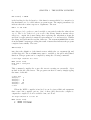
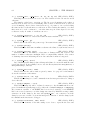
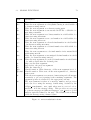
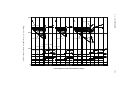
CHAPTER 8. THE DESIGN OF OCODE
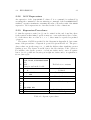
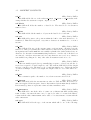
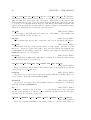
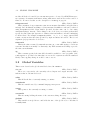
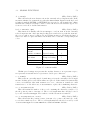
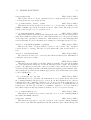
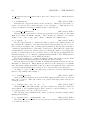
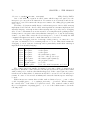
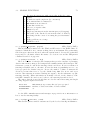
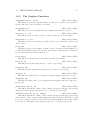
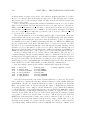
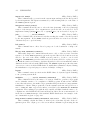
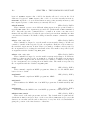
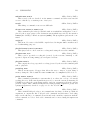
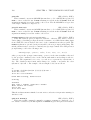
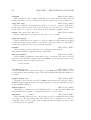
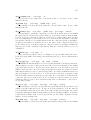
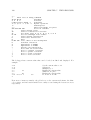
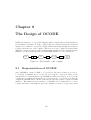
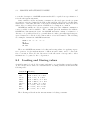
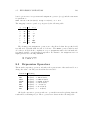
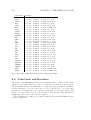
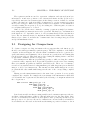
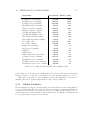
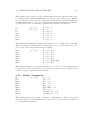
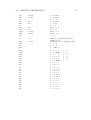
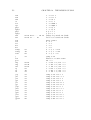
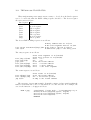
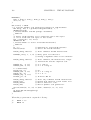
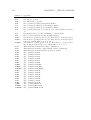
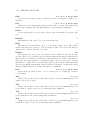
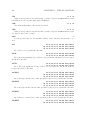
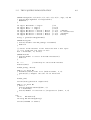
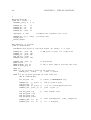
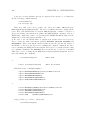
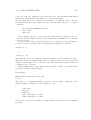
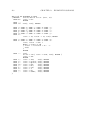
Statement
GETBYTE
MULT
FMULT
DIV
FDIV
REM
PLUS
FPLUS
MINUS
FMINUS
EQ
FEQ
NE
FNE
LS
FLS
GR
FGR
LE
FLE
GE
FGE
LSHIFT
RSHIFT
LOGAND
LOGOR
EQV
NEQV
Meaning
S := S-1;
S := S-1;
S := S-1;
S := S-1;
S := S-1;
S := S-1;
S := S-1;
S := S-1;
S := S-1;
S := S-1;
S := S-1;
S := S-1;
S := S-1;
S := S-1;
S := S-1;
S := S-1;
S := S-1;
S := S-1;
S := S-1;
S := S-1;
S := S-1;
S := S-1;
S := S-1;
S := S-1;
S := S-1;
S := S-1;
S := S-1;
S := S-1;
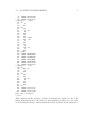
P!(S-1)
P!(S-1)
P!(S-1)
P!(S-1)
P!(S-1)
P!(S-1)
P!(S-1)
P!(S-1)
P!(S-1)
P!(S-1)
P!(S-1)
P!(S-1)
P!(S-1)
P!(S-1)
P!(S-1)
P!(S-1)
P!(S-1)
P!(S-1)
P!(S-1)
P!(S-1)
P!(S-1)
P!(S-1)
P!(S-1)
P!(S-1)
P!(S-1)
P!(S-1)
P!(S-1)
P!(S-1)
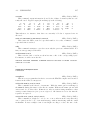
:=
:=
:=
:=
:=
:=
:=
:=
:=
:=
:=
:=
:=
:=
:=
:=
:=
:=
:=
:=
:=
:=
:=
:=
:=
:=
:=
:=
P!(S-1)
P!(S-1)
P!(S-1)
P!(S-1)
P!(S-1)
P!(S-1)
P!(S-1)
P!(S-1)
P!(S-1)
P!(S-1)
P!(S-1)
P!(S-1)
P!(S-1)
P!(S-1)
P!(S-1)
P!(S-1)
P!(S-1)
P!(S-1)
P!(S-1)
P!(S-1)
P!(S-1)
P!(S-1)
P!(S-1)
P!(S-1)
P!(S-1)
P!(S-1)
P!(S-1)
P!(S-1)
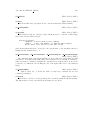
% P!S
* P!S
#* P!S
/ P!S
#/ P!S
REM P!S
+ P!S
#+ P!S
- P!S
#- P!S
= P!S
#= P!S
∼= P!S
#∼= P!S
< P!S
#< P!S
> P!S
#> P!S
<= P!S
#<= P!S
>= P!S
#>= P!S
<< P!S
>> P!S
& P!S
| P!S
EQV P!S
NEQV P!S
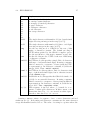
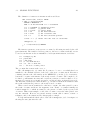
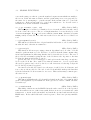
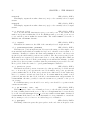
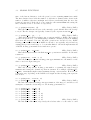
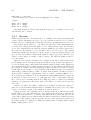
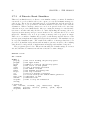
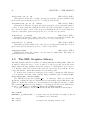
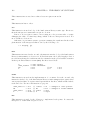
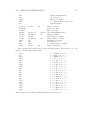
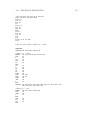
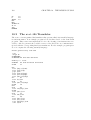
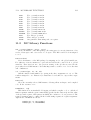
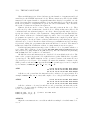
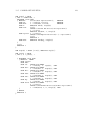
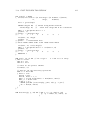
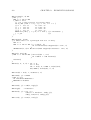
Vector subscription (E1 !E2 is implemented using PLUS and RV.
8.6
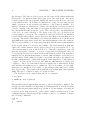
Functions and Routines
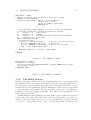
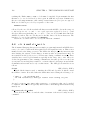
The design of the OCODE statements for the implementation of function and routine
calls have been designed with care to allow code generators as much freedom as possible.
The mechanism allows some arguments to be passed in registers if this is worthwhile,
and the distribution of work between the code for a call and the code at the entry
point is up to the implementer. In a typical program there are about five calls for each
function or routine and so there is some incentive to keep the size of the call small by
transferring some of the work to the save sequence.
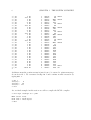
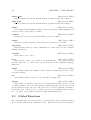
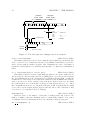
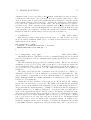
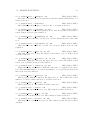
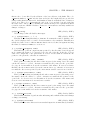
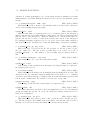
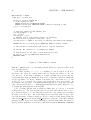
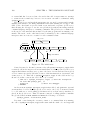
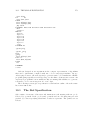
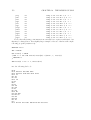
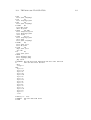
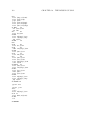
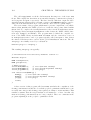
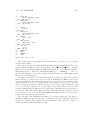
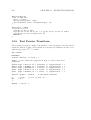
The compilation of a function or routine definition generates an OCODE sequence
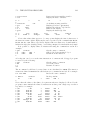
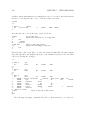
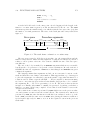
of the following form: