1
Multicast Filtering
2
Command Attributes
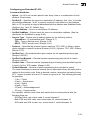
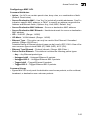
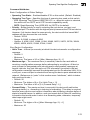
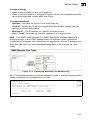
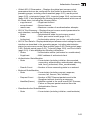
• IGMP Status — When enabled, the switch will monitor network traffic to determine
which hosts want to receive multicast traffic. This is also referred to as
IGMP Snooping. (Default: Enabled)
• Act as IGMP Querier — When enabled, the switch can serve as the Querier,
which is responsible for asking hosts if they want to receive multicast traffic.
(Default: Enabled)
• IGMP Query Count — Sets the maximum number of queries issued for which
there has been no response before the switch takes action to solicit reports.
(Default: 2, Range: 2 - 10)
• IGMP Query Interval — Sets the frequency of time at which the switch sends
IGMP host-query messages. (Default: 125 secs., Range: 60 - 125 secs.)
• IGMP Report Delay — Sets the time (in seconds) between receiving an IGMP
Report for an IP multicast address on a port before the switch sends an IGMP
Query out of that port and removes the entry from its list. (Default: 10, Range: 5-30)
• Query Timeout — Sets the time (in seconds) the switch waits after the previous
querier has stopped querying before it takes over as the querier. (Default: 300
seconds, Range: 300 - 500)
• IGMP Version — Sets the protocol version for compatibility with other devices on
the network. (Default: 2, Range: 1 - 2)
Notes: 1. All systems on the subnet must support the same version.
2. Some attributes are only enabled for IGMPv2, including IGMP Report Delay
and IGMP Query Timeout.
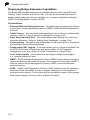
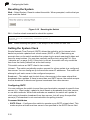
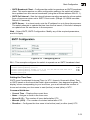
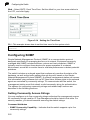
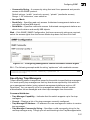
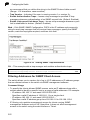
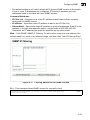
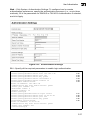
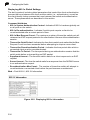
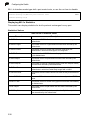
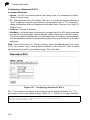
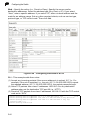
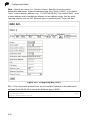
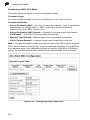
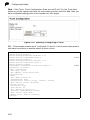
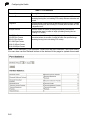
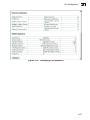
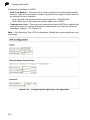
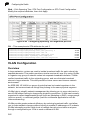
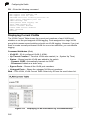
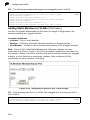
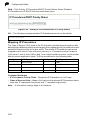
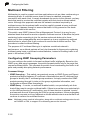
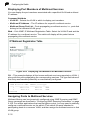
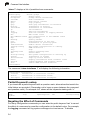
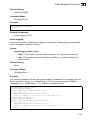
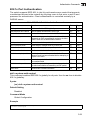
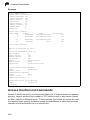
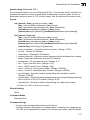
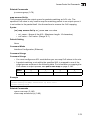
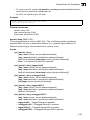
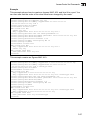
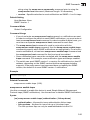
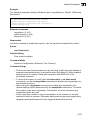
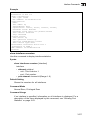
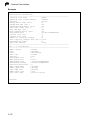
Web – Click IGMP, IGMP Configuration. Adjust the IGMP settings as required, and
then click Apply. (The default settings are shown below.)
Figure 2-66 Configuring Internet Group Management Protocol
2-107