1
Sensor Cable Guidelines
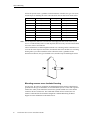
Splicing cables
Splices in cables are acceptable if the connections are soldered. Splices must be located in a
junction or conduit box for access. Coil any excess cable in the junction or conduit box,
making sure that any exposed (bare) cable shield is taped off so it cannot touch the junction
or conduit box. If necessary, you can shorten the armored cable from an accelerometer or
velocity sensor by carefully cutting away the armor. Grind or file the cut armor to remove all
sharp edges.
Cable Conduit Guidelines
All signal wiring should be run in grounded conduit, where it is protected from damage and
external influences. The conduit must be installed with proper drain points so that water
from condensation and other sources does not build up around the cable.
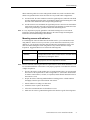
Cables in conduit
When cables are run in steel conduit, the conduit must be grounded per NEC and local code
requirements. Where necessary, flexible interlocked steel conduit can be used. Note that
flexible conduit is not as effective against RF/EM interference as solid conduit. No wires or
cables other than sensor wires or cables should be run in the same conduit.
In high humidity areas, outdoors, or where the sensor may get wet, the conduit should be
protected to prevent water from entering. If the conditions could cause condensation in the
conduit, use rigid metallic conduit or liquid-tight flexible conduit with suitable fittings.
The “far” end of the conduit should be protected to prevent water from entering. Provide
appropriate condensate drains at low points in the conduit runs to allow condensation to
escape.
If a water-resistant seal is required, you can also use pipe joint sealing compound on fittings
before screwing connectors to the sensor body. Coat the terminal strip inside the junction
box with RTV silicone rubber after the cables are connected. Do not use sealant on the
gasket surfaces.
Conduit runs to panels
Make sure the conduits are large enough to accommodate the signal cables plus space for
servicing. The maximum acceptable cable length from sensor to monitoring device depends
on the type of sensor, the frequencies of interest, the grade of cable, and the monitoring
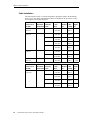
device. Follow the manufacturer’s specifications for cable length and grade, or refer to the
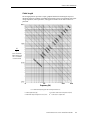
table under “Cable Installation” on page 10.
Conduit boxes
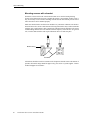
Use a conduit or junction box to protect any connections or splices in the sensor cable.
14
!
In wet areas, use NEMA-4X rated box. You can also use a 1/2 or 3/4-inch trade size
conduit body with gasketed cover, mounted vertically to prevent water entry into the
box.
!
Locate the conduit box so that 1–2 inches of cable from the sensor extends into the box.
!
Use rigid thin wall or liquid-tight flexible conduit on the output cable.
!
Ground the box and conduit to avoid electrical and radio frequency interference.
Entek 9000 Series Sensor Installation Guide