1
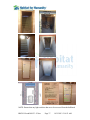
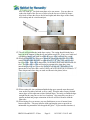
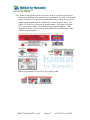
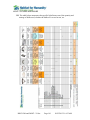
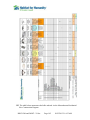
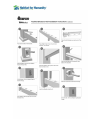
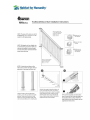
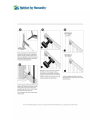
181. If you will be adding railings to stairs, some of the instructions above will be
applicable. However, there is some additional complexity.
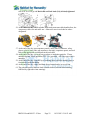
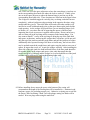
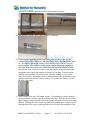
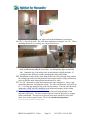
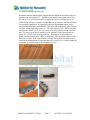
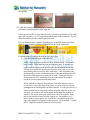
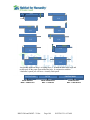
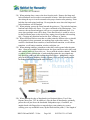
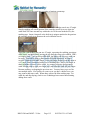
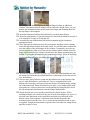
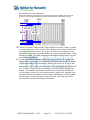
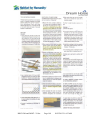
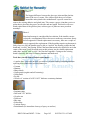
First when dealing with steps, the balusters must be vertical or plumb, while the
upper and lower railings are at an angle. NOTE: Per the manufacturers’
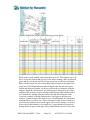
documentation, “the slope of the stairs can be 30-36 degrees.” This means that
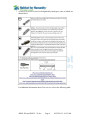
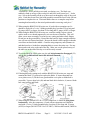
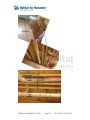
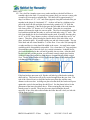
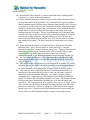
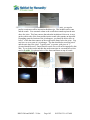
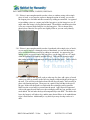
the baluster needs an adapter to connect to the angled rails, as shown above. Due
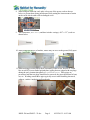
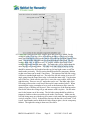
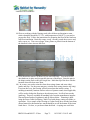
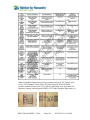
to our environment our angles were 41 degrees for the front porch and 35
degrees for the back porch (49 Rock). OSHA allows angles of 30 to 50 degrees.
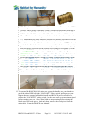
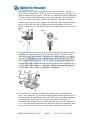
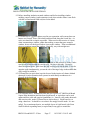
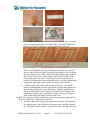
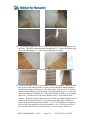
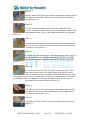
Additionally, the tops and bottoms of the balusters need to be cut at an angle to
connect to the rails.
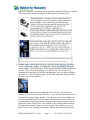
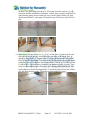
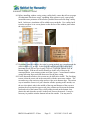
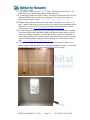
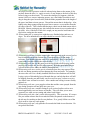
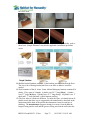
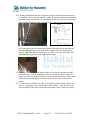
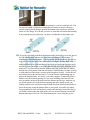
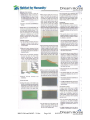
Second, the balusters do not go inside the rails, as with horizontal rails. Thus the
length of the balusters is critical.
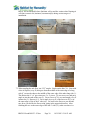
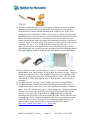
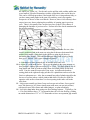
NOTE: OSHA requirements are that the height of handrails shall be, not more
than 37 inches nor less than 30 inches from the upper surface of the handrail to
the surface of the tread, in line with the face of the riser at the forward edge of
the tread.
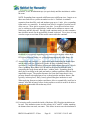
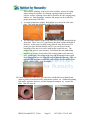
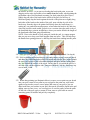
Too long and the rails will be bowed out. Too short and the balusters will show
gaps and potentially move.
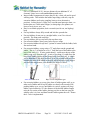
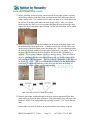
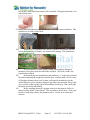
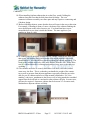
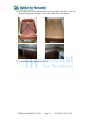
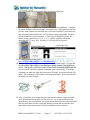
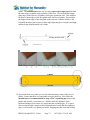
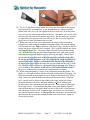
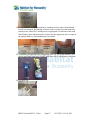
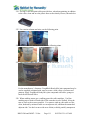
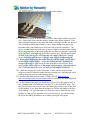
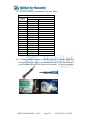
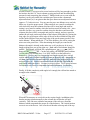
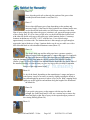
Third, the rail brackets need to be cut at an angle. This angle is critical and will
be dependent upon the angle of the steps.
HHGL DO and DONT - 25.doc
Page 134
10/25/2013 5:14:55 AM