1
7.
8.
DON’T FORCE TOOL. It will do the
job better and safer at the rate for
which it was designed.
USE RIGHT TOOL. Don’t force tool
or attachment to do a job for which it
was not designed.
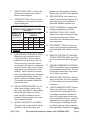
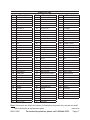
RECOMMENDED MINIMUM WIRE
GAUGE FOR EXTENSION CORDS
(120 VOLT)
NAMEPLATE
AMPERES
(at full load)
EXTENSION CORD
LENGTH
25’
50’ 100’ 150’
0–6
18
16
16
14
6.1 – 10
18
16
14
12
10.1 – 12
16
16
14
12
12.1 – 16
14
12
Do not use.
TABLE A
9.
USE PROPER EXTENSION CORD.
Make sure your extension cord is
in good condition. When using an
extension cord, be sure to use one
heavy enough to carry the current
your product will draw. An undersized
cord will cause a drop in line voltage
resulting in loss of power and overheating. Table A shows the correct
size to use depending on cord length
and nameplate ampere rating. If in
doubt, use the next heavier gauge.
The smaller the gauge number, the
heavier the cord.
10. WEAR PROPER APPAREL. Do not
wear loose clothing, gloves, neckties, rings, bracelets, or other jewelry
which may get caught in moving
parts. Nonslip footwear is recommended. Wear protective hair covering to contain long hair.
11. ALWAYS USE SAFETY GLASSES.
Also use face or dust mask if cutting
operation is dusty. Everyday eyeSKU 91995
glasses only have impact resistant
lenses, they are NOT safety glasses.
12. SECURE WORK. Use clamps or a
vise to hold work when practical. It’s
safer than using your hand and it
frees both hands to operate tool.
13. DON’T OVERREACH. Keep proper
footing and balance at all times.
14. MAINTAIN TOOLS WITH CARE.
Keep tools sharp and clean for best
and safest performance. Follow
instructions for lubricating and changing accessories.
15. DISCONNECT TOOLS before servicing; when changing accessories,
such as blades, bits, cutters, and the
like.
16. REDUCE THE RISK OF UNINTENTIONAL STARTING. Make sure Trigger is in off position before plugging
in.
17. USE RECOMMENDED ACCESSORIES. Consult the owner’s manual for
recommended accessories. The use
of improper accessories may cause
risk of injury to persons.
18. NEVER STAND ON TOOL. Serious
injury could occur if the tool is tipped
or if the cutting tool is unintentionally
contacted.
19. CHECK DAMAGED PARTS. Before
further use of the tool, a guard or
other part that is damaged should
be carefully checked to determine
that it will operate properly and perform its intended function – check for
alignment of moving parts, binding
of moving parts, breakage of parts,
mounting, and any other conditions
that may affect its operation. A guard
For technical questions, please call 1-800-444-3353.
REV 09d
Page 3