1
Classic With Blower Installation and Operation Manual
It is recommended to clean thoroughly the chimney system at the end of every heating
season. During summer, the air is damper and with minimal air circulation within the stove
or furnace, it can mix with creosote and/or sooth deposits in the chimney system to form
an acid that could accelerate the corrosion process and induce premature decay of the
steel. Corrosion damages are not covered under warranty. Have your chimney system
cleaned by a professional chimney sweep. Use a plastic or steel brush.
Contact your local municipal or provincial fire authority for information on how to handle a
chimney fire. Have a clearly understood plan to handle a chimney fire.
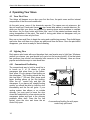
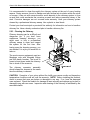
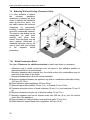
5.2.3 Cleaning the Chimney
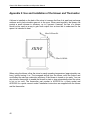
Chimney cleaning can be a difficult and
dangerous job. If you don’t have
experience cleaning chimneys, you
might want to hire a professional
chimney sweep to clean and inspect
the system for the first time. After
having seen the cleaning process, you
can decide if it is a job you would like to
take on.
The most common equipment used are
fibreglass rods with threaded fittings
and stiff plastic brushes. The brush is
forced up and down inside the chimney
flue to scrub off the creosote.
The chimney connector assembly
should always be cleaned at the same
time the chimney is cleaned.
CAUTION: Operation of your stove without the baffle may cause unsafe and hazardous
temperature conditions and will void the warranty. NOTE: Before installing the firebrick,
check to ensure that none are broken or damaged in any way. If so, have the damaged
ones replaced. Check the firebrick for damage at least annually and replace any broken or
damaged ones with new ones. Inspection and cleaning of the chimney is facilitated by the
removable baffle.
25