1
Chapter 12. DNS Servers
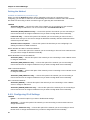
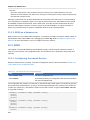
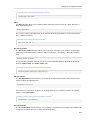
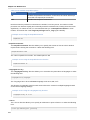
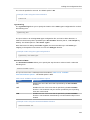
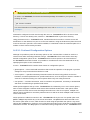
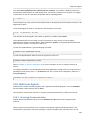
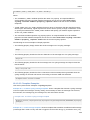
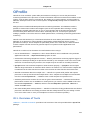
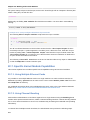
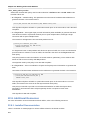
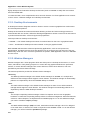
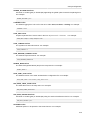
recursive
Recursive nameservers offer resolution services, but they are not authoritative for any zone.
Answers for all resolutions are cached in a memory for a fixed period of time, which is specified by
the retrieved resource record.
Although a nameserver can be both authoritative and recursive at the same time, it is recommended
not to combine the configuration types. To be able to perform their work, authoritative servers should
be available to all clients all the time. On the other hand, since the recursive lookup takes far more
time than authoritative responses, recursive servers should be available to a restricted number of
clients only, otherwise they are prone to distributed denial of service (DDoS) attacks.
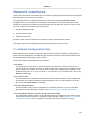
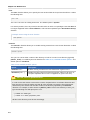
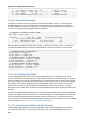
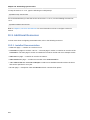
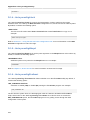
12.1.3. BIND as a Nameserver
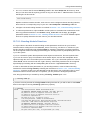
BIND consists of a set of DNS-related programs. It contains a monolithic nameserver called named, an
administration utility called rndc, and a debugging tool called dig. Refer to Chapter 8, Services and
Daemons for more information on how to configure services in Fedora.
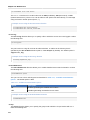
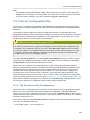
12.2. BIND
This chapter covers BIND (Berkeley Internet Name Domain), the DNS server included in Fedora. It
focuses on the structure of its configuration files, and describes how to administer it both locally and
remotely.
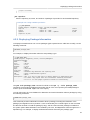
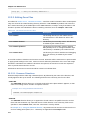
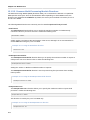
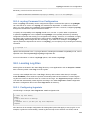
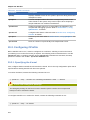
12.2.1. Configuring the named Service
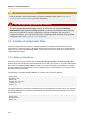
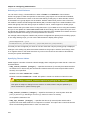
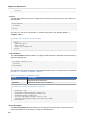
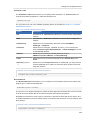
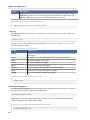
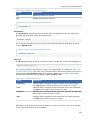
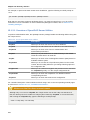
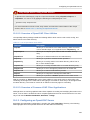
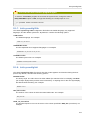
When the named service is started, it reads the configuration from the files as described in Table 12.1,
“The named service configuration files”.
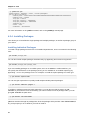
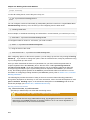
Table 12.1. The named service configuration files
Path
Description
/etc/named.conf
The main configuration file.
/etc/named/
An auxiliary directory for configuration files that are included in
the main configuration file.
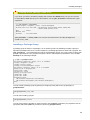
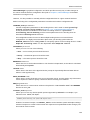
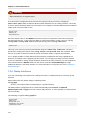
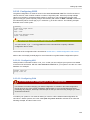
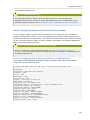
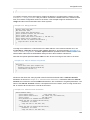
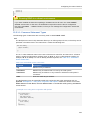
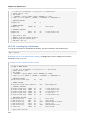
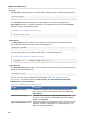
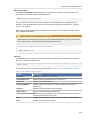
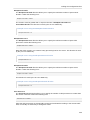
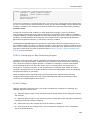
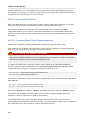
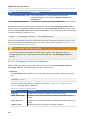
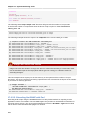
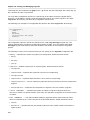
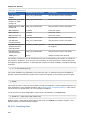
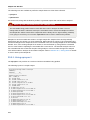
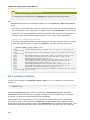
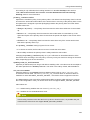
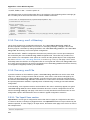
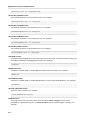
The configuration file consists of a collection of statements with nested options surrounded by opening
and closing curly brackets (that is, { and }). Note that when editing the file, you have to be careful not
to make any syntax error, otherwise the named service will not start. A typical /etc/named.conf file
is organized as follows:
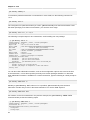
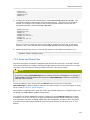
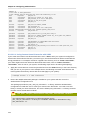
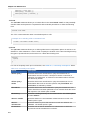
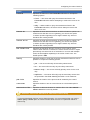
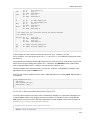
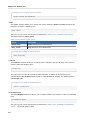
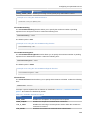
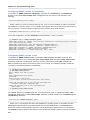
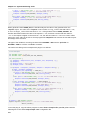
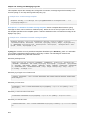
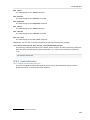
statement-1 ["statement-1-name"] [statement-1-class] {
option-1;
option-2;
option-N;
};
statement-2 ["statement-2-name"] [statement-2-class] {
option-1;
option-2;
option-N;
};
statement-N ["statement-N-name"] [statement-N-class] {
option-1;
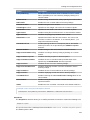
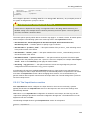
200