1
Brian Documentation, Release 1.4.1
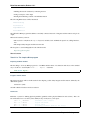
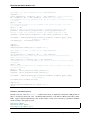
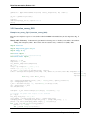
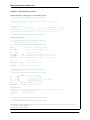
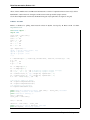
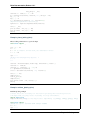
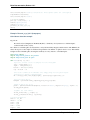
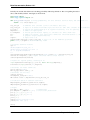
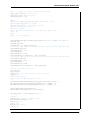
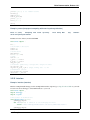
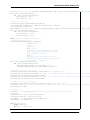
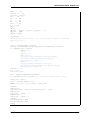
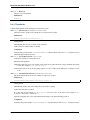
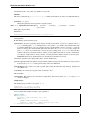
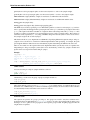
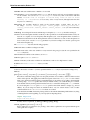
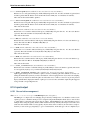
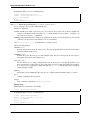
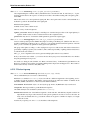
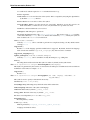
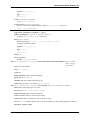
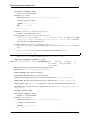
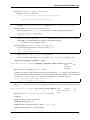
Original Brian script
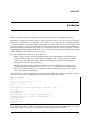
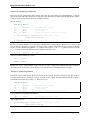
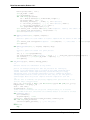
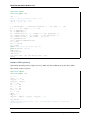
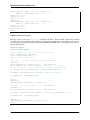
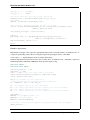
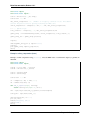
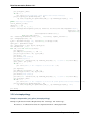
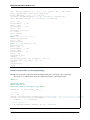
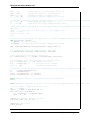
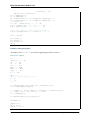
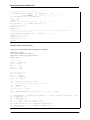
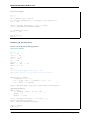
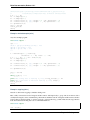
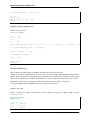
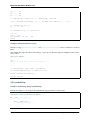
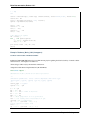
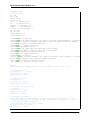
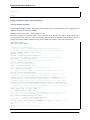
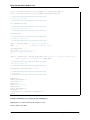
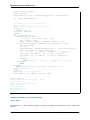
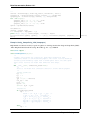
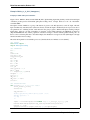
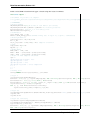
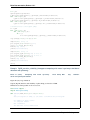
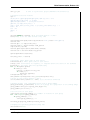
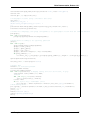
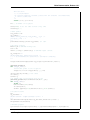
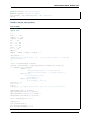
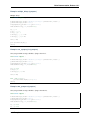
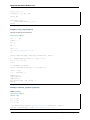
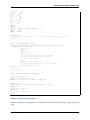
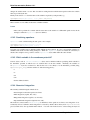
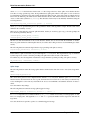
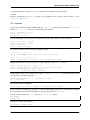
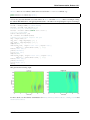
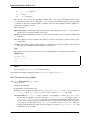
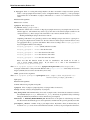
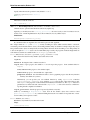
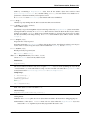
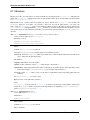
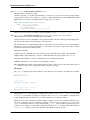
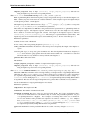
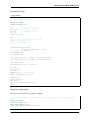
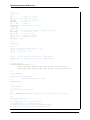
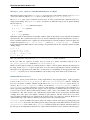
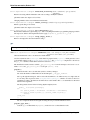
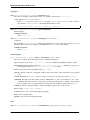
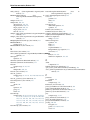
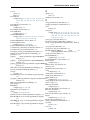
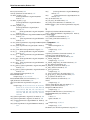
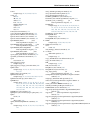
A script in Brian:
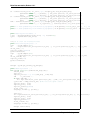
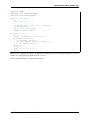
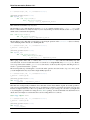
'''
Very short example program.
'''
from brian import *
from time import time
N=10000
# number of neurons
Ne=int(N*0.8) # excitatory neurons
Ni=N-Ne
# inhibitory neurons
p=80./N
duration=1000*ms
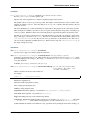
eqs='''
dv/dt = (ge+gi-(v+49*mV))/(20*ms) : volt
dge/dt = -ge/(5*ms) : volt
dgi/dt = -gi/(10*ms) : volt
'''
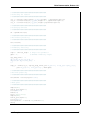
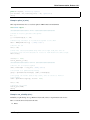
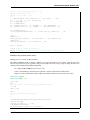
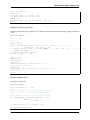
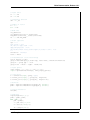
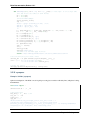
P=NeuronGroup(N,model=eqs,
threshold=-50*mV,reset=-60*mV)
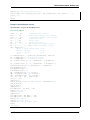
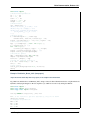
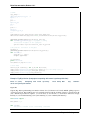
P.v=-60*mV+10*mV*rand(len(P))
Pe=P.subgroup(Ne)
Pi=P.subgroup(Ni)
Ce=Connection(Pe,P,'ge',weight=1.62*mV,sparseness=p)
Ci=Connection(Pi,P,'gi',weight=-9*mV,sparseness=p)
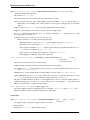
M=SpikeMonitor(P)
trace=StateMonitor(P,'v',record=0)
t1=time()
run(1*second)
t2=time()
print "Simulated in",t2-t1,"s"
print len(M.spikes),"spikes"
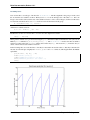
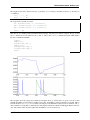
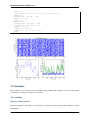
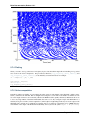
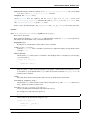
subplot(211)
raster_plot(M)
subplot(212)
plot(trace.times/ms,trace[0]/mV)
show()
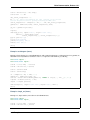
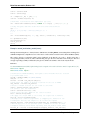
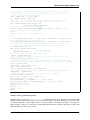
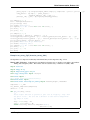
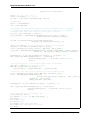
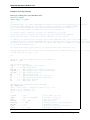
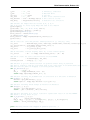
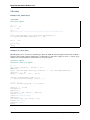
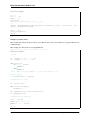
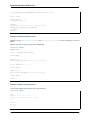
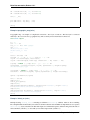
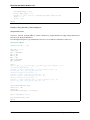
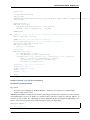
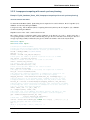
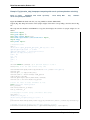
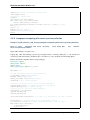
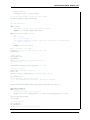
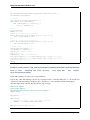
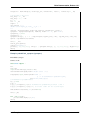
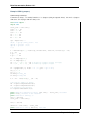
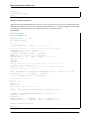
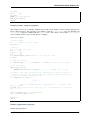
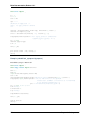
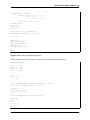
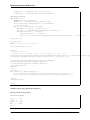
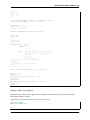
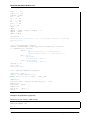
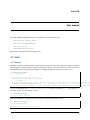
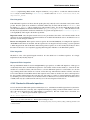
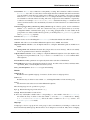
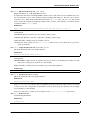
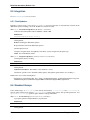
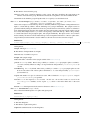
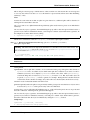
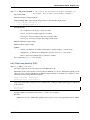
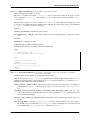
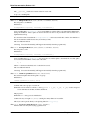
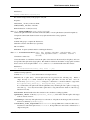
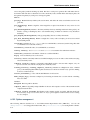
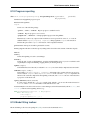
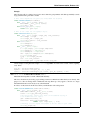
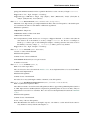
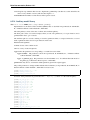
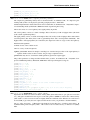
Equivalent in pure Python
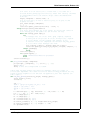
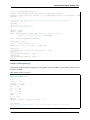
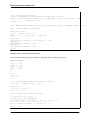
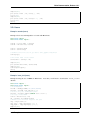
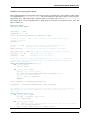
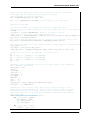
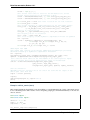
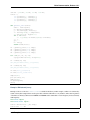
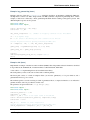
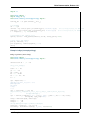
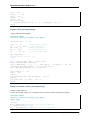
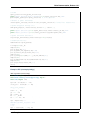
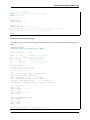
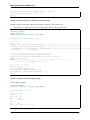
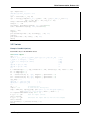
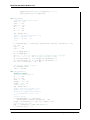
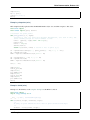
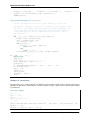
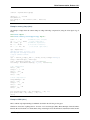
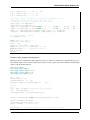
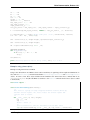
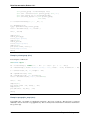
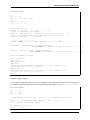
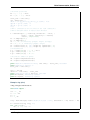
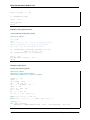
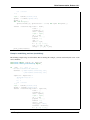
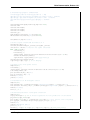
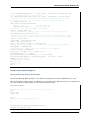
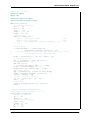
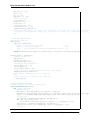
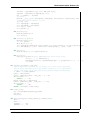
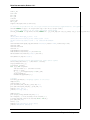
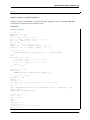
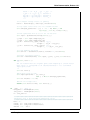
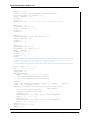
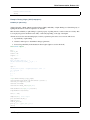
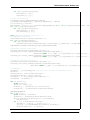
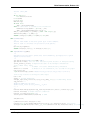
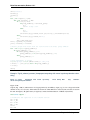
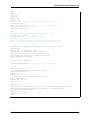
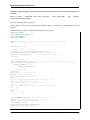
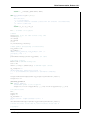
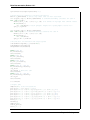
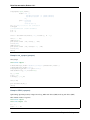
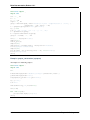
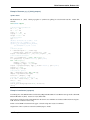
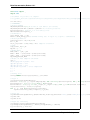
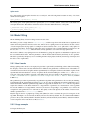
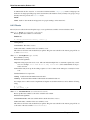
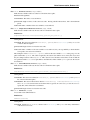
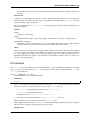
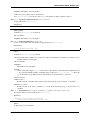
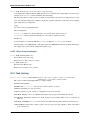
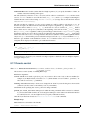
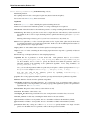
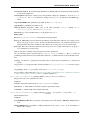
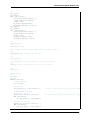
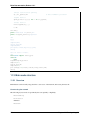
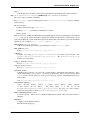
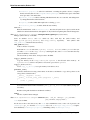
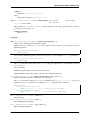
The script above translated into pure Python (no Brian):
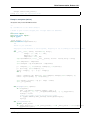
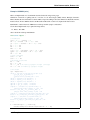
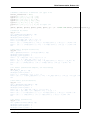
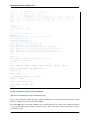
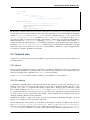
'''
A pure Python version of the CUBA example, that reproduces basic Brian principles.
'''
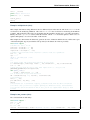
from pylab import *
from time import time
from random import sample
from scipy import random as scirandom
11.2. Simulation principles
347