1
Brian Documentation, Release 1.4.1
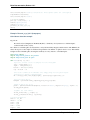
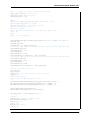
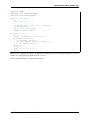
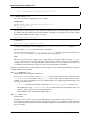
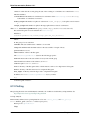
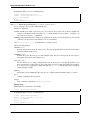
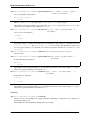
"""
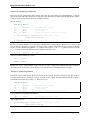
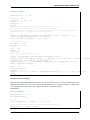
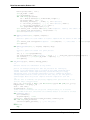
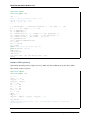
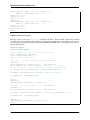
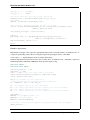
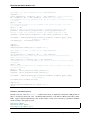
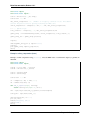
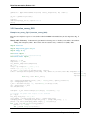
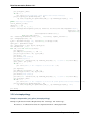
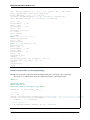
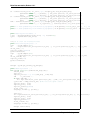
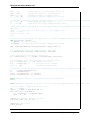
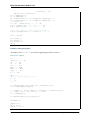
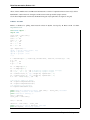
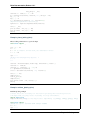
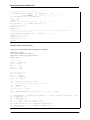
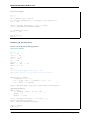
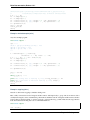
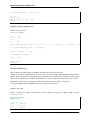
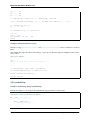
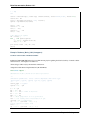
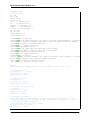
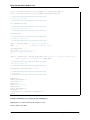
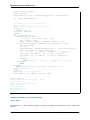
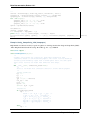
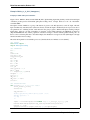
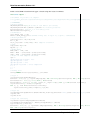
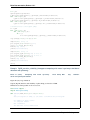
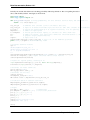
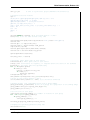
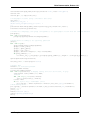
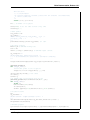
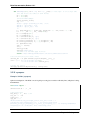
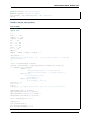
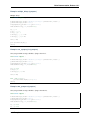
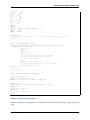
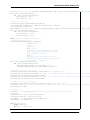
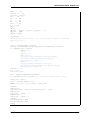
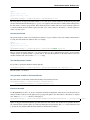
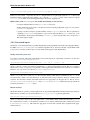
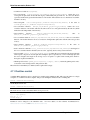
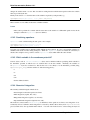
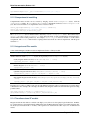
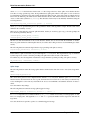
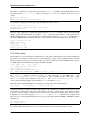
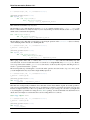
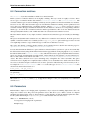
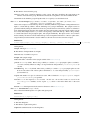
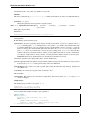
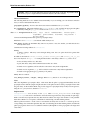
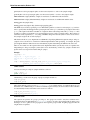
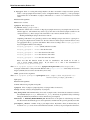
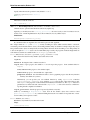
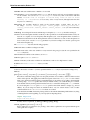
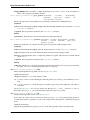
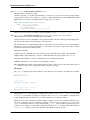
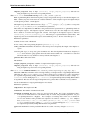
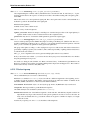
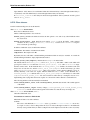
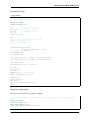
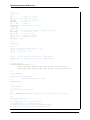
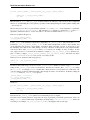
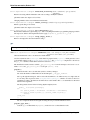
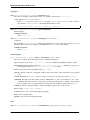
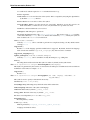
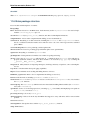
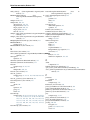
We_target=[]
We_weight=[]
for _ in range(Ne):
k=scirandom.binomial(N,p,1)[0]
target=sample(xrange(N),k)
target.sort()
We_target.append(target)
We_weight.append([1.62*mV]*k)
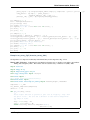
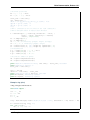
Wi_target=[]
Wi_weight=[]
for _ in range(Ni):
k=scirandom.binomial(N,p,1)[0]
target=sample(xrange(N),k)
target.sort()
Wi_target.append(target)
Wi_weight.append([-9*mV]*k)
"""
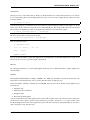
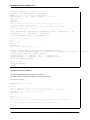
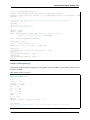
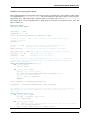
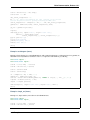
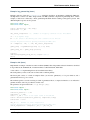
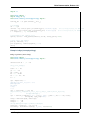
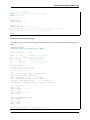
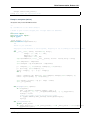
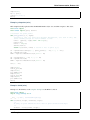
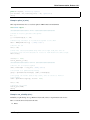
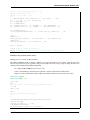
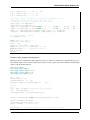
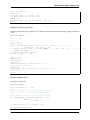
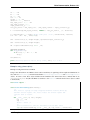
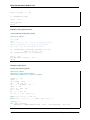
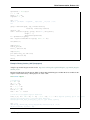
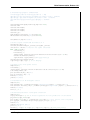
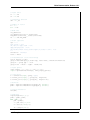
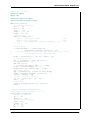
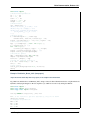
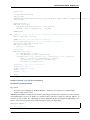
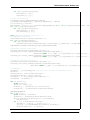
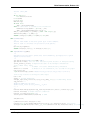
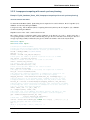
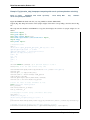
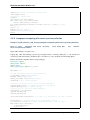
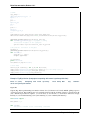
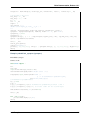
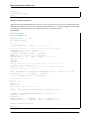
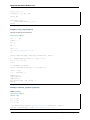
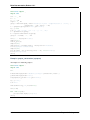
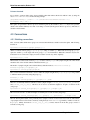
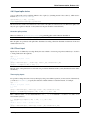
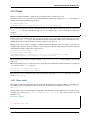
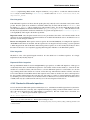
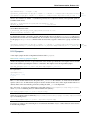
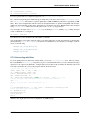
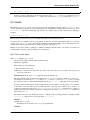
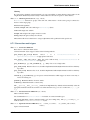
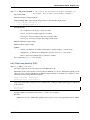
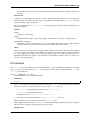
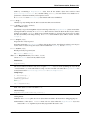
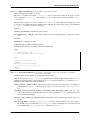
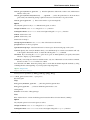
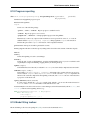
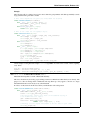
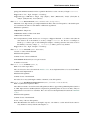
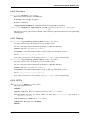
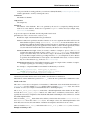
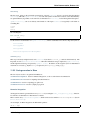
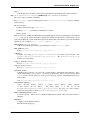
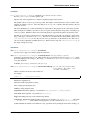
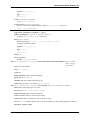
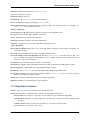
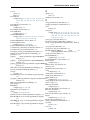
Spike monitor
------------M=SpikeMonitor(P)
will contain a list of (i,t), where neuron i spiked at time t.
"""
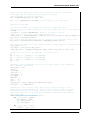
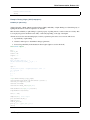
spike_monitor=[] # Empty list of spikes
"""
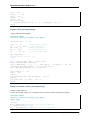
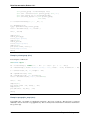
State monitor
------------trace=StateMonitor(P,'v',record=0) # record only neuron 0
"""
trace=[] # Will contain v(t) for each t (for neuron 0)
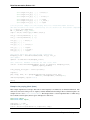
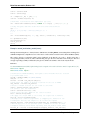
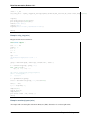
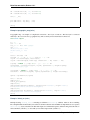
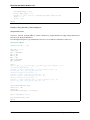
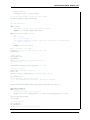
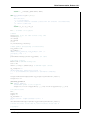
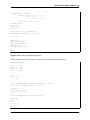
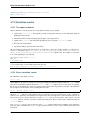
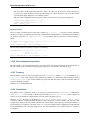
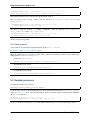
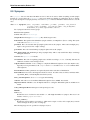
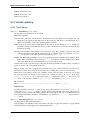
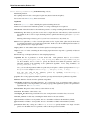
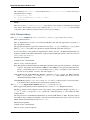
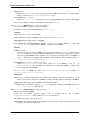
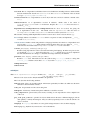
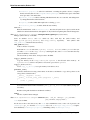
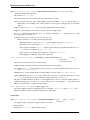
"""
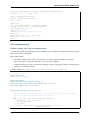
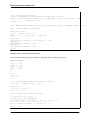
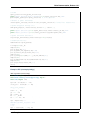
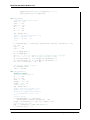
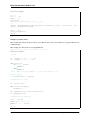
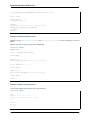
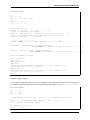
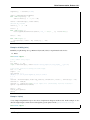
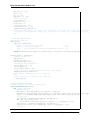
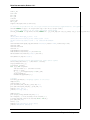
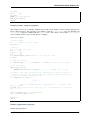
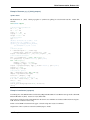
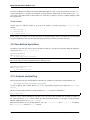
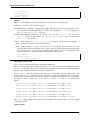
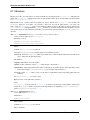
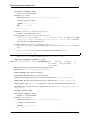
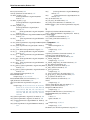
Simulation
---------run(duration)
"""
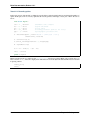
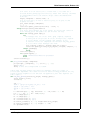
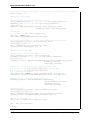
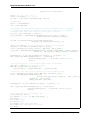
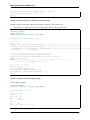
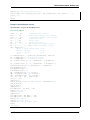
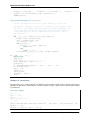
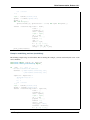
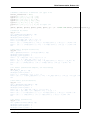
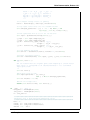
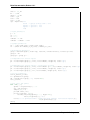
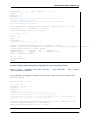
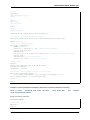
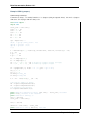
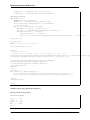
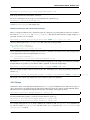
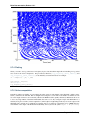
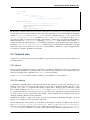
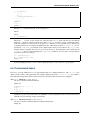
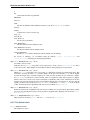
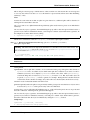
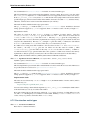
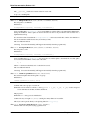
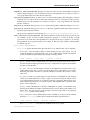
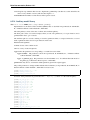
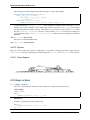
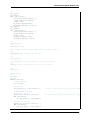
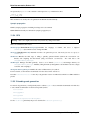
t1=time()
t=0*ms
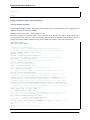
while t<duration:
# STATE UPDATES
S[:]=dot(A,S)
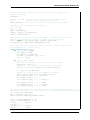
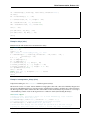
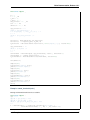
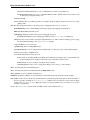
# Threshold
all_spikes=(S[0,:]>Vt).nonzero()[0]
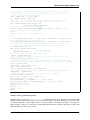
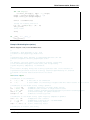
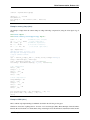
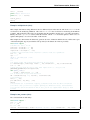
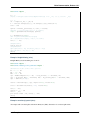
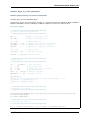
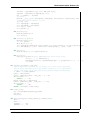
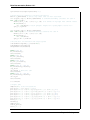
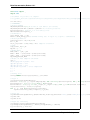
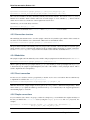
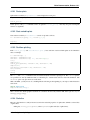
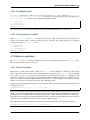
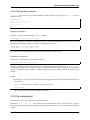
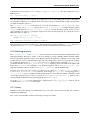
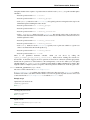
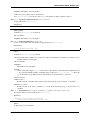
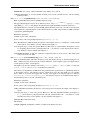
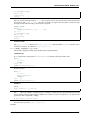
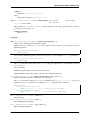
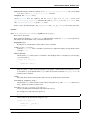
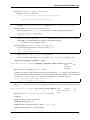
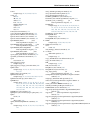
# PROPAGATION OF SPIKES
# Excitatory neurons
spikes=(S[0,:Ne]>Vt).nonzero()[0]
for i in spikes:
S[1,We_target[i]]+=We_weight[i]
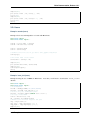
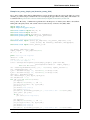
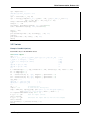
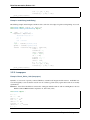
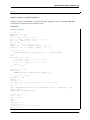
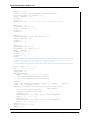
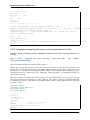
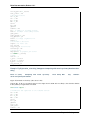
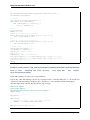
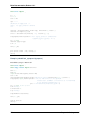
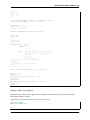
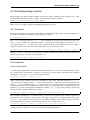
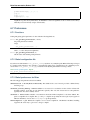
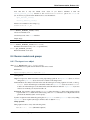
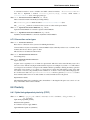
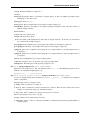
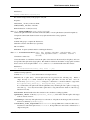
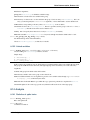
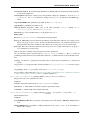
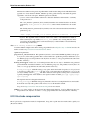
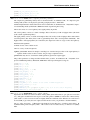
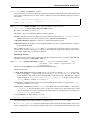
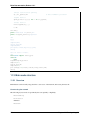
# List of neurons that meet threshold condition
# In Brian we actually use bisection to speed it up
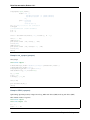
# Inhibitory neurons
spikes=(S[0,Ne:N]>Vt).nonzero()[0]
for i in spikes:
S[2,Wi_target[i]]+=Wi_weight[i]
11.2. Simulation principles
349