1
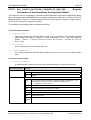
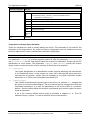
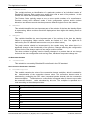
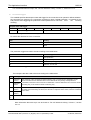
Getting started / Configuration
2.
56/216
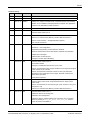
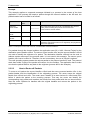
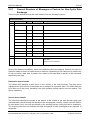
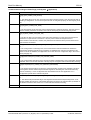
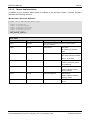
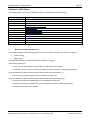
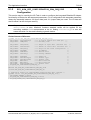
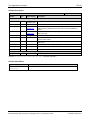
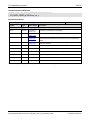
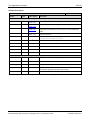
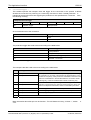
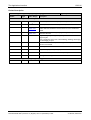
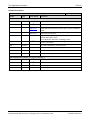
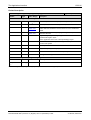
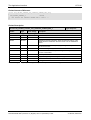
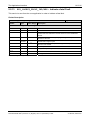
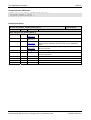
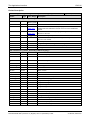
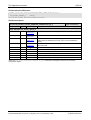
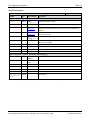
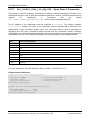
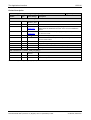
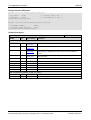
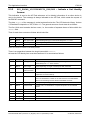
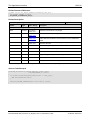
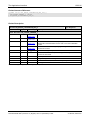
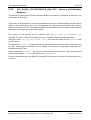
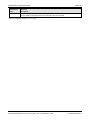
Network Status (Attribute ID 2)
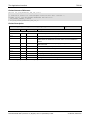
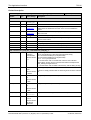
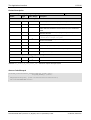
This attribute reflects the current state of the DLR network representing the device’s view onto the network.
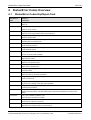
It indicates either normal operation or the currently valid kind of error situation according to the table below:
Value
Meaning
0
Normal operation
1
Ring fault
2
Unexpected loop detected
3
Partial network fault
4
Rapid fault/restore cycle
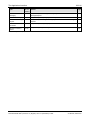
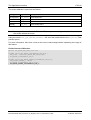
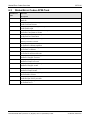
Table 30: Possible Values of the Network Status
The value 0 indicates normal operation without any error both in linear and in ring mode.
Value 1 is only applicable while there is currently a ring topology. It indicates the detection of a ring
fault.
Value 2 is only applicable while there is currently a linear topology. It indicates the detection of a loop
within the network
Value 3 is only applicable while there is currently a ring topology. It indicates the detection of a network
fault only in one direction.
Value 4 is applicable both in linear and in ring topology mode. It indicates the detection of a series of
rapid fault/restore cycles in the DLR network. Rapid fault/restore cycles are explained in subsection
1.a.i.6 “Rapid Fault/Restore Cycles” on page 52 of this document.
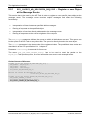
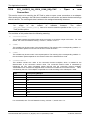
3.
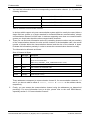
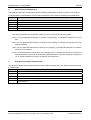
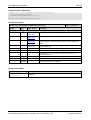
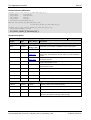
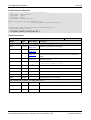
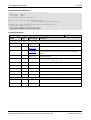
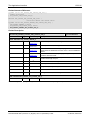
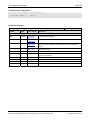
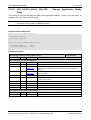
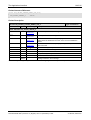
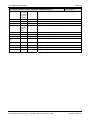
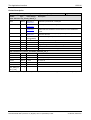
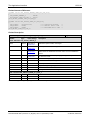
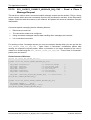
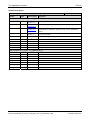
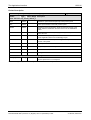
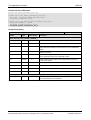
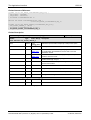
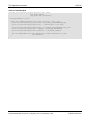
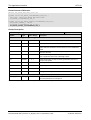
Ring Supervisor Status (Attribute ID 3)
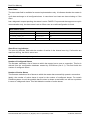
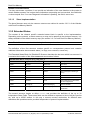
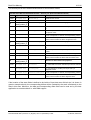
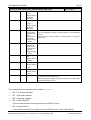
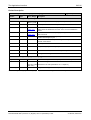
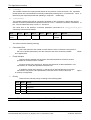
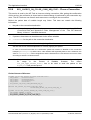
This attribute contains the information about the node’s status as supervisor in the DLR network according to
the table below:
Value
Meaning
0
Node operates as a backup supervisor.
1
Node operates as an active ring supervisor.
2
Node operates as a normal ring node.
3
Node operates in non-DLR topology (no supervisor present)
4
Node cannot support at least one of the currently valid ring operation parameters (Beacon interval or
beacon timeout)
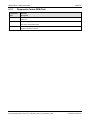
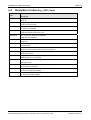
Table 31: Possible Values of the Ring Supervisor Status
EtherNet/IP Scanner |
DOC050702API10EN | Revision 10 | English | 2010-12 | Released | Public
© Hilscher, 2006-2010